

What is an anal vein thrombosis (anal thrombosis)?
An anal vein thrombosis is a small painful lump in the area of the anus. The official term for this is "perianal vein thrombosis." The terms "anal thrombosis" or "perianal thrombosis" describe the same symptoms. Medical experts use all these terms for the painful swelling in the anal region. Anal thrombosis is a painful swelling in the anal area caused by a venous blood clot within the vascular plexus (plexus haemorrhoidalis), which surrounds the anal canal and is responsible not only for the blood supply to the surrounding mucosa, muscles, and nerves but also for fine continence (holding back intestinal gases or liquid stool). In anal vein thrombosis, a lump or nodule appears in the anal area. Anal vein thromboses appear as bluish-red, pea- to plum-sized nodules on the anal margin. One or sometimes several bluish, painful nodules may be visible on the anus. The anal thrombosis and the resulting restricted blood flow promote the development of a local inflammatory reaction and significant swelling, which are responsible for the symptoms of anal thrombosis. If the vessel ruptures, a hematoma and occasionally bleeding at the anus can occur. Anal vein thrombosis usually occurs between the ages of 25 and 35, with men being affected more often than women.
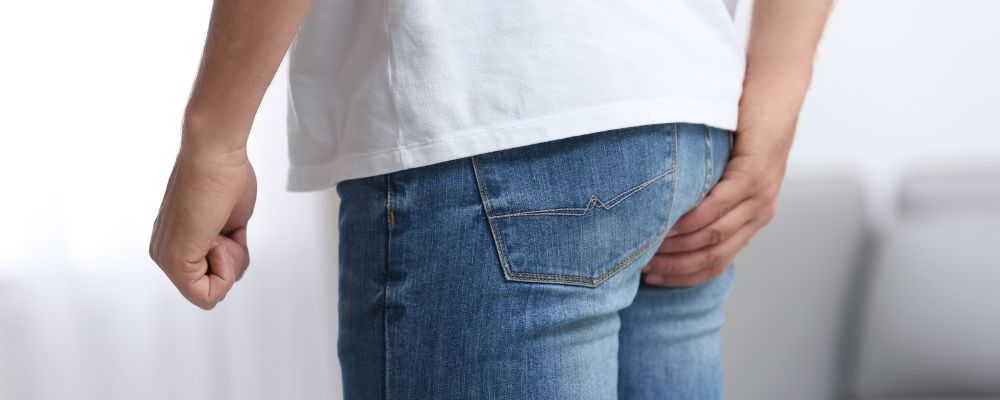
What are the symptoms of an anal thrombosis?
Patients suffering from an anal vein thrombosis complain of sudden onset, sometimes very severe pain, as well as swelling around the anus, which usually makes sitting very painful. It is usually a stabbing or pressing pain that intensifies especially during bowel movements.
Anal vein thrombosis leads to blood congestion and thus to a painful swelling in the form of one or more bluish-red nodules around the anus. Those affected usually notice an anal vein thrombosis through mild to severe pain in the anus, anal itching, but also anal burning. The symptoms of an anal vein thrombosis develop suddenly or within a short time. In some cases, the pain can be so severe that sitting becomes impossible for those affected. Visually, an anal vein thrombosis can be diagnosed by reddish-blue nodules around the anus. These can range in size from a pinhead to as large as a plum. Sometimes several small nodules form next to each other. If the blood clot bursts, bleeding occurs at the anus. Read more here about anal thrombosis symptoms and bleeding, or about the general symptoms of perianal vein thrombosis.
What are the causes of anal vein thrombosis?
The exact cause of an anal vein thrombosis is not yet fully understood; it is assumed to be a combination of several factors. Causes of an anal vein thrombosis include genetic predisposition and hormonal factors, which negatively affect blood flow and thus promote the formation of blood clots. Injuries to the vessel walls in the anus also play a role. Tears in the vessel wall at the anus trigger a cascade of blood clotting activities that result in the formation of a thrombus. Such small injuries can occur due to high abdominal pressure, for example from frequent straining, pregnancy, or lifting heavy objects, as well as from mechanical influences such as during a proctological procedure or anal intercourse. Sitting on cold surfaces also has a negative effect, as it causes blood vessels to constrict, making thrombosis more likely.
There are many possible causes for anal vein thrombosis that can lead to painful blood clots around the anus. Sometimes diarrhea, coughing, straining hard during bowel movements, or anal sex can cause lesions in the anus or blocked veins in the anal area, resulting in anal vein thrombosis. Being overweight can also put pressure on the anal region and anus, promoting the occurrence of anal vein thrombosis. Contact with damp cold during prolonged sitting, for example while surfing or in winter after sports, can encourage the development of anal thrombosis. Consumption of alcohol or coffee is also considered an additional risk factor for anal thrombosis. Generally, men are more frequently affected by anal vein thrombosis than women. However, there are some female-specific risk factors, such as hormone-related vessel dilation during pregnancy or childbirth. Find more information here about the causes of anal vein thrombosis, or about anal vein thrombosis after childbirth.
Many of the mentioned causes can also trigger hemorrhoids. Hemorrhoids can also occur together with anal vein thrombosis. Perianal or anal pain can also indicate an anal fissure, anal fistulas, or anal abscesses.
When to see a doctor for anal vein thrombosis?
It is important to see a doctor for an anal thrombosis because prompt and appropriate treatment can help relieve pain and prevent complications. Those affected who suffer from severe pain in the anus or symptoms such as intense anal itching or anal burning due to an anal thrombosis should also consult a specialist. This also applies to all patients who have had an anal vein thrombosis for more than three weeks. If the anal vein thrombosis does not resolve and heal on its own within a few weeks, a doctor's visit is definitely recommended. If the anal vein thrombosis does not go away, the doctor can recommend appropriate treatment. If blood appears in the stool, a prompt visit to a specialist for cause clarification is also advisable. Read more about the doctor's visit for anal thrombosis here.
Which doctor to see for anal vein thrombosis?
The first point of contact for perianal pain or suspected anal vein thrombosis is primarily your general practitioner. In cases of very acute and severe pain, it may be advisable to visit a surgical or proctological outpatient clinic or a proctology specialist. It can also be useful to consult a specialist to clarify the cause of the anal vein thrombosis more precisely. This helps to rule out other differential diagnoses and also diagnose possible proctological diseases or complaints in the anorectal area.
How does the doctor diagnose an anal vein thrombosis?
Diagnosis is usually made through typical medical history, inspection, and palpation. Thromboses located in the anal canal can be felt by palpation or identified using proctoscopy. This examination is painless and only takes a very short time. Read more about diagnosis and examinations for perianal thrombosis in the blog post Anal Thrombosis Doctor.
How do anal vein thrombosis (anal thrombosis) and hemorrhoids differ?
When there is pain, itching, or burning at the anus, anal vein thromboses are often mistaken for hemorrhoids. Distinguishing between anal vein thrombosis and hemorrhoids is often not easy. We recommend visiting a trusted medical professional to investigate the causes of anal vein thrombosis with their medical expertise. However, there are clear distinguishing features to differentiate these two conditions. They also involve different mechanisms of development and symptoms in the anal region:
-
Anal thromboses:
They often cause severe pain, are clearly located outside the anus, and appear as bluish lumps or nodules at the anus. The pain is often so intense that normal sitting becomes extremely uncomfortable or even impossible. Additionally, anal vein thromboses do not bleed, as these thrombi affect the veins around the anus and lie under the skin. This means these palpable nodules are located directly at the exit and not in the anal canal. -
Hemorrhoids:
Under hemorrhoids, small vascular cushions located directly under the mucous membrane of the rectum are understood. Hemorrhoids are an important component of stool and gas continence. When these vascular cushions enlarge pathologically, it is called hemorrhoidal disease. This can cause hemorrhoids to prolapse, meaning they protrude from the anus under increased abdominal pressure and often become painful or lead to bleeding at the anus or blood in the stool. Hemorrhoids usually cause no pain initially and are located inside the anus. In advanced stages, they can protrude from the anal canal surrounded by mucous membrane. Compared to anal thromboses, they also often bleed during bowel movements. This is because hemorrhoids involve fine arterial vessels in the anal canal, which play an important role in the closure mechanism.
How is an anal vein thrombosis treated?
Smaller anal vein thromboses often heal on their own within a few days or weeks. The body gradually reduces the swelling, leading to the spontaneous regression of the anal thrombosis. In contrast, large anal vein thromboses can lead to an ulcer, severe pain in the anus, and eventually rupture, causing bleeding of the anal thrombosis. Even slight pressure, for example from overly vigorous cleaning with toilet paper, can open the anal vein thrombosis and thus cause a wound in the anus. This is usually accompanied by bleeding from the anus and an immediate relief of pain in the anus. In most cases, the wound in the anus heals on its own within a few days. If the anal vein thrombosis ruptures or becomes inflamed and thus causes a wound in the anus, medical consultation is definitely necessary. A doctor’s visit is also recommended if the anal vein thrombosis does not heal on its own, or if a recurrent, that is, a recurrent anal vein thrombosis occurs.
Basically, depending on the stage, there are different methods to treat anal thrombosis. The therapy method to be chosen mainly depends on the size and intensity of the pain. For smaller anal thromboses, local compresses and pain-relieving ointments with local anesthetics or suppositories are often sufficient. Find all information here about alternative treatment approaches for anal thromboses.
For the treatment of anal vein thrombosis, various creams, ointments, and suppositories with different active ingredients are available. In addition to locally anesthetic ointments based on the local anesthetic lidocaine, corticosteroid-containing ointments are also used to suppress painful swelling and inflammatory reactions. There are also healing ointments and oils based on plants that care for the mucous membrane of the anal area, have a soothing effect, and protect against further injuries. Read more here about the herbal treatment of perianal thrombosis.
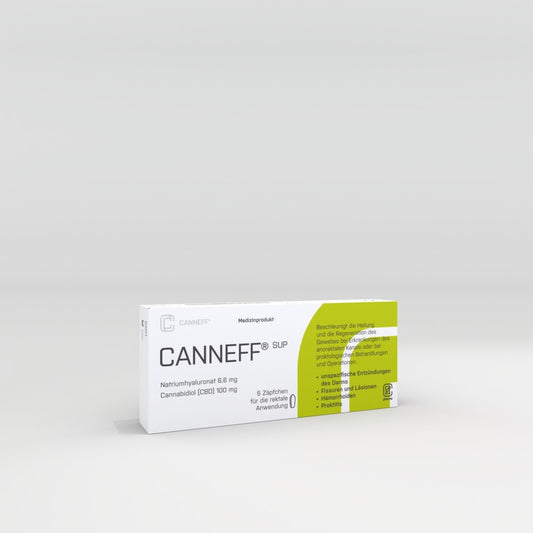
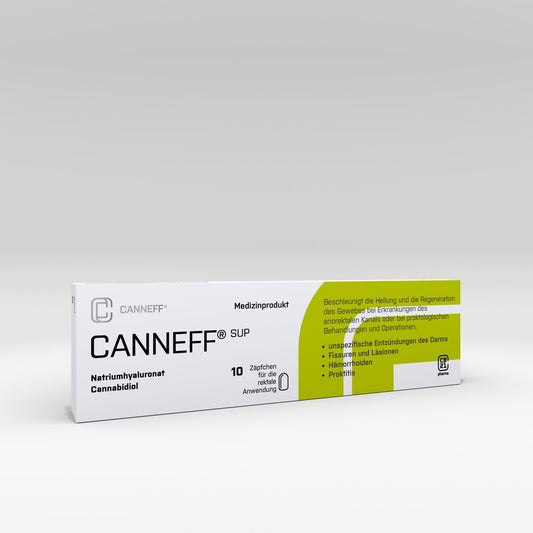
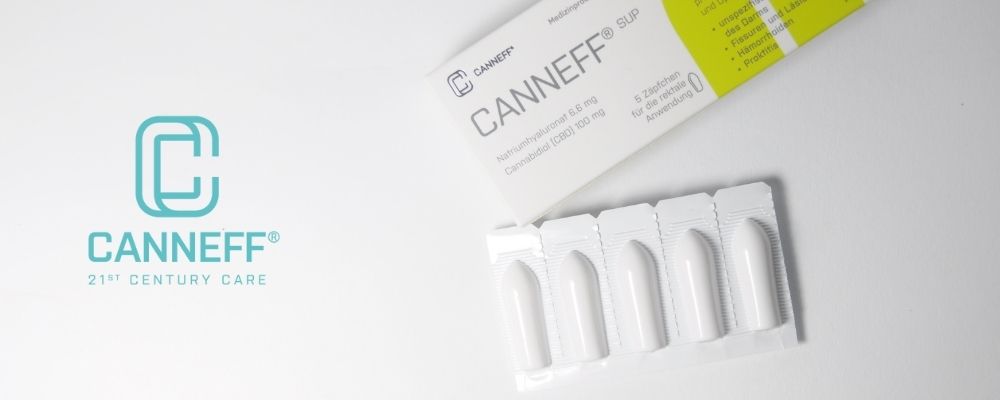
If the pain is very severe, anti-inflammatory tablets can also help. Soothing measures can be taken, especially with certain rectal suppositories, such as CANNEFF® SUP suppositories. Find more information here about the treatment of perianal vein thrombosis with suppositories.
If the thrombosis at the anus is about to burst or the patient complains of very severe pain, surgical removal is necessary. If the anal vein thrombosis does not heal on its own, or if a recurrent anal vein thrombosis occurs, the doctor may consider surgery. In a surgical procedure, two different methods are distinguished: incision and excision.
Incision for anal vein thrombosis
In incision, the venous thrombosis at the anus is opened and only the blood clot is removed. This requires a small cut (incision) in the skin at the anus, and the clot in the vein is pressed out. This results in immediate pressure relief in the anal region and thus alleviates the symptoms. However, the cavity created after pressing out can fill with blood again and lead to pus formation.
Excision for anal vein thrombosis
In the second procedure, excision, the thrombosis is completely removed under local anesthesia. This means that during the surgical procedure, the entire vein containing the thrombosis is cut out. This also prevents the recurrence of further venous thromboses in the anus.
What can I do after surgery for anal vein thrombosis?
The wound usually heals without problems after surgical treatment if the aftercare is also carefully carried out with the application of ointment. The doctor usually also prescribes painkillers in tablet form if pain occurs. After medical consultation, healing after colorectal surgery can be supported with the right therapy, such as ointments or suppositories. CANNEFF® SUP suppositories for rectal use can relieve symptoms of lesions in and around the anus as well as in the rectal area.
The suppositories contain the unique combination of the two active ingredients CBD and hyaluronic acid. CANNEFF® SUP suppositories promote and support the healing process and the regeneration of tissue and mucous membranes in the anal area. These suppositories help heal ulcers in the rectal area and support your recovery. Even after colorectal surgeries, CANNEFF® SUP suppositories can help support the recovery process and minimize discomfort. Find comprehensive information here on the use and dosage or generally on the treatment of anal thrombosis with suppositories.
How can I accelerate the healing of anal thrombosis myself?
A healthy and balanced diet is important for the prevention and treatment of anal thrombosis. A fiber-rich diet that includes plenty of whole grains, fresh fruits and vegetables, as well as legumes, can help regulate digestion and promote soft bowel movements.
For the treatment of severe pain in anal thrombosis, fat creams such as petroleum jelly are suitable. It is important to keep the affected skin in the anal area elastic. Sitz baths with chamomile extract can also relieve pain in the anal area, anal burning, as well as anal itching. Sitz baths help to relax the sphincter muscle and improve blood circulation in the anal region. This can, in turn, shorten the healing time. Regularly taking warm sitz baths can thus accelerate the healing process and also relieve the symptoms of anal thrombosis. Find more information here about the duration of anal thrombosis, or about experiences with anal thrombosis.
To avoid further irritating the sensitive area, you should gently clean the anal region after bowel movements. You can wash the anal area and then gently pat it dry with a towel instead of rubbing. Rubbing dry can increase swelling in the anus.
How dangerous is an anal vein thrombosis?
An anal vein thrombosis can be as painful as a thrombosis in a larger vessel in the arms or legs, but it is significantly less dangerous and very rarely associated with further complications. While thromboses in the extremities mainly carry the risk that the blood clot will dislodge, travel to the heart, and cause a major vessel blockage there, this risk does not exist with an anal vein thrombosis. The only practical complication of a perianal thrombosis is the formation of so-called skin tags (Marisken). These are loose, sometimes larger folds of skin that often remain after conservative treatment of an anal vein thrombosis and the passing of the thrombus. Skin tags (Marisken) can especially pose a problem for anal hygiene. Larger skin tags can interfere with cleaning the anus and promote the development of local infections or anal abscesses. In such cases, skin tags should be surgically removed. Read more in the blog post about skin tags (Marisken) or the skin tag surgery.
Why do I keep getting anal vein thrombosis?
In some cases, anal vein thrombosis tends to recur, i.e., the anal thrombosis reappears after healing. Your trusted specialist can provide recommendations to minimize the risk of recurring, i.e., recurrent anal thromboses. Proctology is the specialized field for the rectum and related issues around anal vein thrombosis, and specialists in this field are the ideal contacts for you. Find more information here about the causes and treatment if the anal vein thrombosis keeps coming back.
How can I prevent an anal vein thrombosis?
In general, you should avoid prolonged sitting and intra-abdominal pressure (pressure in the abdominal area), as this promotes the development of an anal vein thrombosis.
Constipation can also lead to an anal vein thrombosis. In this case, a balanced and especially fiber-rich diet, sufficient fluid intake, and physical activity can help counteract the occurrence of an anal vein thrombosis.

Your trusted doctor can also advise you on further measures related to softening the stool or generally on preventing an anal vein thrombosis. Anal sex and the mechanical stress on the anus can also play a role in the development of an anal thrombosis. To prevent a venous blood clot, it is advisable to avoid anal intercourse.
The following steps can generally reduce the risk of an anal vein thrombosis:
- Regular exercise and endurance activities (jogging, hiking)
- Pelvic floor training with a physiotherapist
- Avoid straining or frequently lifting heavy objects, as well as strength training (weightlifting)
- Ensure adequate fluid intake and a diet rich in fiber
- Ensure prompt treatment of complaints in the anal and perianal area, as well as possible underlying proctological diseases such as hemorrhoids, anal fissures, anal abscesses, anal fistulas
- Avoid very cold seating surfaces or frequently wearing wet or damp underwear
Find additional measures here on how to prevent anal venous thrombosis.

How is the cost coverage for the treatment of anal venous thrombosis regulated?
The costs for the treatment of anal venous thrombosis can vary depending on the type of treatment. In most cases, the treatment of an anal thrombosis is considered medically necessary, especially if it causes significant impairment to the patient's health and quality of life. In such cases, health insurance usually covers the costs. Both conservative and surgical therapies are not very expensive. This means that more costly medication or a major surgical procedure is often not necessary. Ointments can be obtained at the pharmacy with a doctor's prescription, usually only requiring the prescription fee. Various suppositories, as well as CANNEFF® SUP suppositories, healing ointments with lidocaine, or healing bath additives can also be purchased in pharmacies without a prescription and are generally paid for privately. Doctors often prescribe preparations with micronized flavonoids. Such preparations increase venous tone and the resistance of small blood vessels and can thus also help reduce venous blood congestion. If surgical intervention becomes necessary, it is usually fully covered by health insurance.