

What is vaginal yeast infection?
Vaginal yeast infection – also vaginal fungal infection, Vaginal mycosis or Soorkolpitis called – is a widespread infection in the intimate area, where yeast fungi, mostly Candida albicans, to multiply excessively on the vaginal mucosa. These fungi are fundamentally part of the natural flora of many women and are detectable in small numbers in the vagina without causing symptoms. Only when the delicate balance of the vaginal environment is disturbed can excessive growth occur – with typical symptoms such as itching, redness, burning, and a whitish, crumbly discharge.
Classification in the medical context
The medical term for vaginal yeast infection is vulvovaginal candidiasis, when both the vagina and vulva are affected. This is a mycosis, an inflammation of the mucous membrane in the external and internal intimate area caused by fungi. The disease is not dangerous but can be very unpleasant and significantly reduce quality of life.
Infections occur particularly frequently during the reproductive years because the hormonal situation – especially the effect of estrogen – creates favorable conditions for the growth of yeast fungi. Outside this life phase, i.e., before puberty or after menopause, the disease is less common because the composition of the vaginal flora changes and fungi find less suitable living conditions.
Fungi as part of the natural vaginal flora
The vaginal flora is a complex ecosystem, consisting mainly of lactic acid bacteria (lactobacilli). These create an acidic environment with a pH value of about 3.8 to 4.5, which protects against disease-causing germs. Yeast fungi such as Candida albicans usually live peacefully in small numbers in this environment. Only a weakening of the immune defenses – e.g., due to antibiotics, hormonal fluctuations, or improper intimate hygiene – allows the fungi to multiply extensively.
|
Type of pathogen |
Proportion of infections |
Special features |
|
Candida albicans |
approx. 85–90% |
Most common pathogen, responds well to antifungals |
|
Candida glabrata |
approx. 5–10% |
Can be harder to treat, less sensitive to standard medications |
|
Others Candida-types |
< 5% |
Less common, relevant in immune deficiency or chronic cases |
Is vaginal yeast infection a sexually transmitted disease?
Vaginal yeast infection is not be classically sexually transmitted, although it can be passed during sexual intercourse can. The fungi often come from the woman's own body – especially from the intestines – and reach the vaginal area through smear infections. Therefore, vaginal yeast infections are not uncommon even in sexually inactive women.
Course and prognosis
A vaginal yeast infection usually occurs acutely and can be controlled within a few days with targeted treatment. However, if an infection occurs several times a year, doctors refer to it as a chronic recurrent vaginal mycosisA thorough examination and individually tailored therapy are required here.
Overall, vaginal mycosis is a very common, usually uncomplicated condition that should be taken seriously and treated specifically due to the burden of recurring complaints.
How to recognize a vaginal yeast infection
A vaginal yeast infection manifests through several characteristic symptoms, mainly occurring in the external and internal intimate areas. Many women feel the first signs very clearly – the infection usually begins with intense itching, followed by a burning sensation in the vagina and vulva area. The typical discharge associated with a yeast infection is whitish, crumbly, and largely odorless – its consistency and appearance often resemble cottage cheese.
Typical symptoms of a vaginal yeast infection
The most common complaints are summarized below:
|
Symptom |
Description |
|
Itching |
Usually the first and strongest sign, especially in the vulva area |
|
Burning |
When urinating or continuously in the vaginal area |
|
Whitish, crumbly discharge |
Not foul-smelling, crumbly, resembles curd cheese |
|
Redness and swelling |
Especially the vulva, often accompanied by a feeling of tension |
|
Due to irritated or inflamed mucous membranes (dyspareunia) |
|
|
Pain when urinating |
If the urethra is also affected (dysuria) |
Peculiarities in perception
Not every woman perceives all symptoms equally. Some experience only mild irritation or a change in discharge, while others complain of severe discomfort. Symptoms often worsen especially before menstruation or during hormonal fluctuations (e.g., during pregnancy or when taking hormonal contraceptives).
Distinguishing from other conditions
Important to know: The mentioned complaints are not exclusively due to a vaginal yeast infection. Other conditions such as bacterial vaginosis, trichomoniasis, or simple irritation of the mucous membrane can cause similar symptoms. Itching in particular is often misinterpreted – studies show that less than half of women with vaginal itching actually suffer from a yeast infection.
When to see a doctor?
A doctor's visit is advisable if:
- if the complaints occur for the first time,
- if symptoms do not improve after three days of self-treatment,
- if complaints arise during pregnancy,
- if bloody discharge, fever, or pain occur,
- the infections recur several times a year.
only a gynecological examination can reliably determine whether it is actually a fungal infection and which treatment is appropriate. For this, the doctor takes a swab and examines it microscopically or through a fungal culture in the laboratory.
how vaginal yeast infection develops
a vaginal yeast infection occurs when yeast fungi – especially Candida albicans – multiply excessively in the vagina. These fungi are part of the natural vaginal flora in small amounts and are usually harmless. Only when the delicate balance of the vaginal flora is disturbed can pathological colonization occur. This then leads to inflammation of the vaginal and often also the vulvar mucosa – the so-called vulvovaginal candidiasis.
healthy vaginal flora: protective mechanism against fungi
in a healthy vagina, an acidic environment with a pH value of about 3.8 to 4.5 prevails. This is due to lactic acid bacteria (lactobacilli), which protect the area from the entry of pathogenic germs. Yeast fungi such as Candida albicans are detectable in small numbers in about 20% of healthy women without causing symptoms. However, if there is an imbalance, these fungi can multiply excessively and trigger an infection.
main causes of vaginal yeast infection
the excessive proliferation of yeast fungi is usually favored by one or more of the following influences:
|
trigger |
effect on the vaginal environment |
|
antibiotics |
destroy beneficial lactic acid bacteria, giving fungi more room to spread |
|
hormonal changes |
estrogen increases glycogen production in the vaginal mucosa – an ideal nutrient for yeasts |
|
pregnancy |
increased sugar levels and altered pH value promote fungal growth |
|
Immune deficiency |
in diabetes, HIV, or due to immunosuppressive medications, the body's own defense is weakened |
|
incorrect intimate hygiene |
excessive cleaning with soap or intimate sprays disrupts the natural environment |
|
tight, synthetic clothing |
moist-warm climate in the intimate area promotes the growth of yeast fungi |
|
stress |
weakens the immune system and can affect the natural protective mechanism |
|
high-sugar diet |
Increases glucose concentration in the vaginal mucosa – an ideal breeding ground for fungi |
transmission routes and self-colonization
yeast fungi usually enter not do not enter the vagina through classic sexual intercourse but come from the body's own flora – especially from the intestines. A so-called endogenous infection can occur, for example, due to incorrect wiping after bowel movements (from back to front). Hormonal influences or changes in the immune system can also suddenly turn colonization into an infection.
In rare cases, transmission occurs from outside, e.g., through contaminated towels, sex toys, or an infected partner. Nevertheless, vaginal yeast infection counts as not among the typical sexually transmitted diseases.
Why some women are particularly susceptible
Some women regularly develop fungal infections despite following all hygiene rules. In such cases, genetic factors play a role: Certain variants in the immune system make it harder for the body to control the fungi. Repeated hormone therapies or long-term use of birth control pills can also sustainably alter the vaginal flora.
How vaginal yeast infection is diagnosed
The diagnosis of vaginal yeast infection is made through a gynecological examination and is based on the combination of symptom assessment, visual findings, and microbiological analysis. Although the symptoms—such as itching, burning, and crumbly discharge—seem typical, the patient’s self-assessment alone is not sufficient: studies show that in over 60% of cases where women treated themselves for vaginal yeast infection, no fungal infection was present. Therefore, medical evaluation by a specialist is crucial to initiate targeted and effective therapy.
Medical history: The basis of the diagnosis
The starting point is the medical interview, in which the patient is asked about the following points:
- What symptoms are present (itching, discharge, pain)?
- How long have the symptoms been present?
- Have there been similar infections in the past?
- Have medications or home remedies already been used?
- Are there underlying conditions such as diabetes or immune deficiency?
- Is there a current pregnancy?
This information helps to narrow down risk factors and possible causes.
Gynecological examination
Next, a physical examination is performed. The doctor examines the mucous membranes of the vulva and vagina. Possible signs of vaginal yeast infection include:
- Whitish-gray, wipeable coatings on the vaginal mucosa,
- Inflammatory reddened areas beneath these coatings,
- Swelling or nodules in the external genital area.
Additionally, the consistency and color of the discharge can be assessed to make an initial differentiation from other infections (e.g., bacterial vaginosis).
Microscopic examination
To confirm the diagnosis, the doctor takes a Vaginal swab, which is examined directly under the microscope. Typical fungal structures can be detected:
- Budding cells (round yeast cells)
- Pseudohyphae (filamentous cell clusters)
These structures are characteristic of a Candida infection. If many white blood cells (leukocytes) are also visible, this indicates an active inflammation.
Fungal culture with unclear findings
In about 20–30% of cases, microscopic examination is not sufficient to make a diagnosis. Then the smear is cultured in the laboratory on a nutrient medium. This so-called Fungal culture is used for:
- to identify the exact fungal strain (e.g., Candida albicans, C. glabrata),
- to perform resistance testing against antifungals.
This step is essential for selecting the appropriate therapy, especially in cases of recurring vaginal yeast infections or atypical symptoms.
|
Diagnostic step |
Goal |
|
Medical history |
Assessment of risk factors and symptoms |
|
Gynecological examination |
Visible changes in the mucous membranes and discharge |
|
Microscopy of the smear |
Direct detection of fungal structures |
|
Fungal culture (laboratory) |
Identification of rare fungal species or in cases of recurrence |
|
if necessary, pH measurement of the vaginal flora |
Differentiation from bacterial infections |
Special considerations during pregnancy
From the 34th week of pregnancy, a prophylactic examination for fungi is recommended – even without symptoms. The goal is to keep the birth canal fungus-free to prevent transmission to the newborn.
How to treat vaginal yeast infection
Treatment of a vaginal yeast infection is usually done with so-called Antifungals, i.e., medications that specifically kill fungi or inhibit their growth. In uncomplicated cases, local therapy with suppositories or creams applied directly into the vagina or on the external intimate area is usually sufficient. For severe, persistent, or recurring infections, systemic treatment with tablets may be necessary.
Important: A medical diagnosis is always required for the correct therapy – especially because similar symptoms can also occur with bacterial infections, and incorrect self-treatment can cause long-term harm.
Common antifungals belong to the following groups of active ingredients:
|
Active ingredient group |
Examples |
Form of application |
Notes |
|
Imidazoles |
Clotrimazole, Miconazole, Econazole |
Cream, suppositories, tablets |
Very effective, well tolerated |
|
Polyenes |
Nystatin |
Suppositories, vaginal tablets |
Especially suitable during pregnancy |
|
Triazoles |
Fluconazole, Itraconazole |
Tablets (systemic) |
For severe or recurring infections |
Local treatment
For a first-time or mild vaginal yeast infection, therapy is local – directly in the intimate area. Combination packs usually contain:
- Vaginal suppositories or tablets to be used for 1 to 6 days,
- Antifungal cream for external use on the vulva.
The duration of treatment depends on the medication used and the severity of the infection. Initial improvements often appear after just one to two days.
Systemic treatment
In cases of recurring or severe fungal infections, a systemic therapy tablets may be appropriate. These usually contain fluconazole or itraconazole and work through the bloodstream. This form of treatment is especially suitable when:
- local treatments are not sufficiently effective,
- a chronic recurrent infection is present (≥4 infections per year),
- the patient prefers a convenient single dose.
in such cases, a so-called suppression therapy administered, where the medication is taken over several weeks or months according to a set schedule.
antiseptics as alternative therapy
antiseptic preparations act more broadly than antifungals and attack various microorganisms simultaneously – including bacteria that may be involved in a mixed infection. They are especially used when:
- there is suspicion of an additional bacterial infection,
- there is resistance to common antifungals,
- the patient does not tolerate antifungals.
Active ingredients: dequalinium chloride, octenidine, povidone-iodine (with restrictions, e.g., not in thyroid diseases or pregnancy)
treatment during pregnancy
during pregnancy, a particularly gentle treatment is required. Local antifungals such as clotrimazole or miconazole are considered safe and effective. Systemic therapies with tablets, however, are contraindicated, as they could harm the unborn child.
a vaginal yeast infection is treated even if no symptoms are present to prevent premature birth or infection of the newborn. Treatment is especially crucial in the last four to six weeks before birth.
co-treatment of the partner: yes or no?
usually a co-treatment of the asymptomatic partner not necessary. Exceptions apply:
- in cases of recurring infections,
- if the partner also has symptoms (e.g., redness, itching on the penis),
- in cases of existing immunodeficiency on both sides.
if penile yeast infection is confirmed, therapy is with antifungals (e.g., clotrimazole cream).
role of probiotics and intimate care
after successful treatment, a stabilization of the vaginal flora, especially in cases of recurring infections. For this, there are special vaginal suppositories or oral probiotics with lactic acid bacteria (e.g. Lactobacillus acidophilus). These support the rebuilding of the natural, protective environment in the vagina.
additionally, the following measures are helpful:
- do not use intimate sprays or vaginal rinses,
- use only pH-neutral or lactic acid-containing intimate wash lotions,
- wear breathable cotton underwear,
- avoid synthetic insoles and tight clothing.
What to do with recurrent vaginal yeast infections
When a vaginal yeast infection occurs several times a year, it is medically referred to as chronic recurrent vaginal mycosisAffected women experience at least four or more infections per yearoften with distressing symptoms such as itching, discharge, and burning. Recurrent infections are not only unpleasant but can also affect mental well-being and sexuality. Careful identification of causes and a structured treatment approach are therefore especially important.
Possible causes of repeated fungal infections
Recurrent vaginal yeast infections are usually not accidental but are based on certain risk factors or a weakened protective system in the intimate area. The most common triggers include:
|
Risk factor |
Impact on the vaginal environment |
|
Antibiotic therapy |
Destroy lactic acid bacteria, allowing fungi to dominate |
|
Hormonal fluctuations |
e.g., due to the pill, menstruation, or pregnancy |
|
Diabetes mellitus |
Increased sugar content promotes fungal growth |
|
Immune deficiency |
Infections can establish more easily |
|
Unfavorable intimate hygiene |
Vaginal douches, intimate sprays, or aggressive soaps |
|
Synthetic, tight clothing |
Heat retention and moisture promote yeast fungi |
|
genetic predisposition |
Reduced immune response to Candida albicans |
Therapeutic approaches for chronic recurrent vaginal mycosis
long-term antifungal treatment
For frequently recurring infections, professional societies recommend a suppression therapy over several months. Systemic antifungal agents (e.g., fluconazole) are taken according to a fixed schedule:
- e.g. 3 doses in the first week, then
- one dose per week for 6 months (individually adjustable)
aims to permanently suppress the yeast fungi and stabilize the vaginal environment. This treatment must be medically supervised, especially due to possible liver strain and drug interactions.
local maintenance therapy
As a supplement or alternative to tablet therapy, a regular vaginal use of antifungals in the form of suppositories, e.g., once weekly for 6 to 12 weeks. Antiseptic preparations such as dequalinium chloride can also be used, especially if mixed infections are suspected.
restoring the vaginal flora
After successful acute treatment, it is advisable to restore the vaginal flora by probiotics (orally or vaginally) targeted support. Products with Lactobacillus acidophilus or Lactobacillus rhamnosus help strengthen the natural acidic environment and prevent renewed proliferation of Candida to prevent.
Lifestyle and prevention in everyday life
Women can also actively contribute to prevention in everyday life. The following measures have proven effective in practice:
-
Intimate hygiene: Clean only with lukewarm water or mild, pH-acidic intimate wash lotions
-
Clothing: Wear cotton underwear, avoid synthetic fabrics and tight pants
-
Low-sugar diet: Less sugar can limit the nutrient supply for yeast fungi
-
Stress reduction: Relaxation techniques like yoga or meditation strengthen the immune system
-
Sexual hygiene: Condoms can protect against reinfection, especially with changing partners
-
Partner diagnostics: In frequent relapses, examination and possibly treatment of the partner may be useful
When further diagnostics are advisable
If infections keep recurring despite all measures, rarer causes should be considered, e.g.:
- Infection with less sensitive fungal species (Candida glabrata instead of C. albicans)
- Hormonal disorders, such as estrogen deficiency during menopause
- Undiagnosed diabetes mellitus
- Chronic inflammatory skin diseases in the genital area
A vaginal swab with subsequent fungal culture and resistance testing helps identify the exact pathogen and tailor the treatment accordingly.
What helps with vaginal yeast infections during pregnancy
A vaginal yeast infection during pregnancy is not uncommon: hormonal changes promote the growth of yeast fungi, especially Candida albicans, causing itching, discharge, and burning in the intimate area for many pregnant women. Although the infection is usually harmless, it should definitely be treated – not only to relieve symptoms but also to protect the unborn child.
Why vaginal yeast infections occur more frequently during pregnancy
During pregnancy, estrogen levels rise sharply. This changes the vaginal environment:
- The Sugar content in the vaginal mucosa increases – an optimal breeding ground for yeast fungi.
- The pH value rises slightly, which weakens the acidic protective environment.
- The The immune system is physiologically weakenedso that the body does not reject the child – which, however, also promotes infections.
Treatment options: What is allowed?
Treatment of a vaginal yeast infection during pregnancy is exclusively topical, that is directly in the intimate area – systemic therapies (e.g., tablets) are contraindicated and should only be used in exceptional cases under strict medical supervision.
|
Form of treatment |
Active ingredients |
Safety during pregnancy |
|
Vaginal suppositories/creams |
Clotrimazole, Miconazole |
Well studied, recommended in all stages of pregnancy |
|
Antiseptics (topical) |
Dequalinium chloride, Octenidine |
Limited suitability, especially in cases of resistance or mixed infections |
|
Povidone-Iodine |
Iodine-containing antiseptic |
Not recommended – can affect the child's thyroid |
Important: Vaginal suppositories or creams should be without applicator should be introduced, especially in the last trimester of pregnancy, to avoid mechanical irritation of the cervix (risk of cervicitis).
Why treatment is so important
Even if no symptoms occur, vaginal yeast infection should be consistently treated during pregnancy:
-
Premature births: The infection can promote inflammatory processes and increase the risk of premature birth.
-
Newborn infection: During vaginal birth, the fungi can be transmitted to the child and cause Oral thrush or Diaper dermatitis to conduct.
Therefore, professional societies recommend from the 34th week of pregnancy a check for yeast fungi – even in symptom-free pregnant women.
Prevention and care during pregnancy
In addition to medication, gentle measures help stabilize the vaginal environment and prevent relapses:
- Wash only with lukewarm water, do not use soaps or intimate sprays
- Breathable cotton underwear wear, daily change recommended
- Panty liners without plastic coating use to avoid a moist-warm climate
- Probiotics with lactic acid bacteria (oral or vaginal) to stabilize the flora (after consultation with the doctor)
- Low-sugar dietto avoid further promoting the growth of the fungi
What to do with repeated yeast infections during pregnancy?
If vaginal yeast infection occurs repeatedly, a re-examination by the gynecologist advisable. In individual cases, a long-term local maintenance therapy or the use of probiotics may be helpful. Systematic therapy with tablets is usually avoided in pregnant women due to potential risks.
Is vaginal yeast infection contagious
Vaginal yeast infection is potentially contagious, but counts as not among the classic sexually transmitted infections (STIs). Transmission can occur between sexual partners, especially during unprotected sexual intercourse, but this is not the most common cause. In most cases, the infection arises endogenous, i.e., through excessive growth of the body's own yeast fungi – mostly Candida albicans – when the vaginal environment is out of balance.
Transmission routes of vaginal yeast infection
Vaginal yeast infection can basically be transmitted through the following routes:
|
Mode of transmission |
Assessment |
|
Sexual intercourse |
Possible, but not the main cause |
|
Oral sex |
Possible, especially with existing oral thrush |
|
Hands/Fingernails |
Possible with direct contact with infected mucous membranes |
|
Sex toys |
Possible source with insufficient hygiene |
|
Textiles/Towels |
Theoretically possible, but very rare |
Important: A Transmission to other women through shared toilets, baths, or swimming pools is extremely unlikely, as yeast fungi require a moist warm environment and organic material to multiply. They survive only briefly on dry surfaces.
Risk of infection for the partner
A male sexual partner can become infected from a woman with vaginal yeast infection – especially with frequent, unprotected intimacy. Typical symptoms in men (penile yeast infection) are:
- Itching and burning on the glans or foreskin
- Redness, white patches, or small pustules
- Pain when urinating or during sex
However, infection in men often proceeds asymptomatic. A asymptomatic colonization does not necessarily mean he must be treated – only if symptomatic or repeated reinfection of the partner, treatment should be done.
Partner treatment: When is it advisable?
The general recommendation is:
- No routine partner treatmentif the partner is symptom-free
-
Partner treatment advisable when:
- the partner shows symptoms
- infections in women frequently recur
- risk factors such as a weakened immune system present
Treatment in men is usually with local antifungalse.g., clotrimazole cream.
Risk of infection for newborns
During birth, an untreated vaginal yeast infection can transmitted to the newborn occurs. This happens when passing through the infected birth canal. The consequence can be a Fungal infection in the mouth (oral thrush) or in the diaper area. Therefore, fungal infections during pregnancy – even without symptoms – should be consistently treated, especially in the last trimester.
Which home remedies help against vaginal yeast infection
Many women seek help with home remedies at the first signs of a vaginal yeast infection such as itching, burning, or changed discharge. The desire to treat naturally is understandable – especially with a mild or initial infection. However, not every home remedy is sensible, and some can even disrupt the vaginal environment or worsen symptoms.
What women often use – and how effective it is
|
Home remedies |
Application |
Medical evaluation |
|
Natural yogurt |
Application or vaginal use (tampon) |
controversial – may provide temporary relief but is microbiologically unstable |
|
Apple cider vinegar |
Diluted as a rinse |
irritating – can further damage the mucous membrane |
|
Garlic |
Insertion or application |
unsuitable – irritating, no proven antifungal effect |
|
Tea tree oil |
Diluted as a solution |
potentially irritating, allergenic, not recommended |
|
Coconut oil |
Applied externally |
mildly antifungal, can soothe skin – only as a supplement |
|
Chamomile sitz baths |
For irritated vulva |
anti-inflammatory, symptom-relieving, but not healing |
Natural yogurt – probiotic or problematic?
Yogurt contains Lactobacillusstrains that are also part of the healthy vaginal flora. Therefore, it is considered useful against vaginal yeast infection in lay medicine. However, studies have shown:
- The bacteria contained in yogurt correspond to not exactly the lactic acid bacteria of the vagina.
- Hygiene risks risks exist due to possible contamination (e.g., with yeasts or other germs).
- The pH value of yogurt is not in the ideal acidic range of the vagina.
Natural yogurt can provide a cooling sensation in the short term, but it does not reliably treat the cause – the fungal infection. Gynecologists usually advise against vaginal application.
What home remedies cannot do
A vaginal yeast infection is an infectious disease, only irritation. Home remedies can alleviate accompanying symptoms – such as dryness or burning – but do not kill the fungi themselvesWithout targeted antifungal therapy, there is a risk that:
- symptoms worsen,
- the infection spreads,
- Resistances develop when antifungals are used too early without diagnosis,
- a relapse becomes more likely.
Gentle measures for support
Although home remedies cannot cure the infection, there are supportive measures that can positively influence the healing process and stabilize the vaginal environment:
- Lukewarm water for intimate care, without soap or intimate spray
- Cotton underwear instead of synthetic fabrics
- Daily change of underwear and washing at 60 °C
- Low-sugar dietsince yeast fungi use sugar as an energy source
- Oral or vaginal probiotics with Lactobacillus acidophilusto stabilize the vaginal flora
Alternative natural medicine: boric acid & propolis
Some plant-based natural substances are also discussed beyond the classic home remedies:
- Boric acid suppositories: in studies with Candida glabrata effective but only off-label use and not suitable for pregnant women
- Propolis (bee resin): anti-inflammatory but potentially allergenic
- Sage: contains essential oils with antifungal effects; used as an additive in vaginal suppositories with positive effects in studies
These remedies are not primary recommendations in guidelines and should only after consultation with the gynecologist to be used.
How to prevent a vaginal yeast infection
Vaginal yeast infection usually occurs when the delicate balance of the vaginal flora is disturbed – for example, due to antibiotics, hormonal changes, or improper intimate hygiene. The good news: Many of these risk factors can be minimized through targeted measures. Strengthening the vaginal flora and avoiding irritating influences can effectively prevent the development of a vaginal yeast infection.
Protective factor vaginal flora: strengthening the natural defense
The healthy vagina is never germ-free. It is predominantly colonized by Lactic acid bacteria (lactobacilli) colonized, maintaining an acidic environment (pH 3.8–4.5). This protects against disease-causing germs – including yeasts like Candida albicansthat naturally occur in small amounts in almost every woman.
To support this natural protective function, the following measures are useful:
|
Measure |
Effect on vaginal health |
|
Avoids irritation, maintains the natural pH balance |
|
|
No intimate sprays or rinses |
Protect the flora from chemical destruction |
|
Cotton underwear |
Ensures a dry, breathable climate |
|
Daily change of underwear |
Prevents moisture buildup and germ proliferation |
|
Thoroughly clean sex toys |
Prevents transmission and reinfection |
|
Wipe from front to back after bowel movements |
Prevents smear infections from the bowel |
Diet and lifestyle: impact on the vaginal environment
Diet and lifestyle directly affect the vaginal environment – especially in women with recurring infections:
- Low-sugar diet: Yeast fungi use glucose as a food source. A sugar-rich diet can promote fungal growth.
- Stress reduction: Chronic stress can weaken the immune system and impair natural defenses.
- Sufficient sleep and exercise: Promote general health and immune defense.
- Avoid synthetic pads and tight clothing: Reduces moisture buildup in the intimate area.
Probiotics: lactic acid bacteria as a protective shield
Special Probiotics for vaginal or oral use can specifically help stabilize the vaginal flora – especially after:
- an antibiotic treatment,
- a past fungal infection,
- hormonal changes (e.g., menopause or the pill).
These preparations usually contain Lactobacillus acidophilus, L. rhamnosus or Lactoferrinthat promote the acidic environment and can displace pathogenic germs. Studies show
Medication-based prevention – when is it useful?
In certain cases, preventive use of antifungals at fixed intervals can be useful – for example, in women with:
- chronic recurrent vaginal mycosis (≥4 infections per year),
- weakened immune system,
- existing diabetes mellitus.
Here, therapy is carried out under medical supervision, e.g., with Fluconazole Once weekly over several months (suppression regimen).
Especially in chronic recurrent vaginal yeast infections, a preventive effect.
Special features during pregnancy and breastfeeding
Special attention should be paid during pregnancy to gentle intimate care and breathable clothing should be observed. Lactic acid-containing products or probiotic suppositories to stabilize the flora can be used preventively after consultation with the gynecologist. Intimate products with iodine (e.g., povidone-iodine) should be avoided due to possible effects on the child's thyroid.
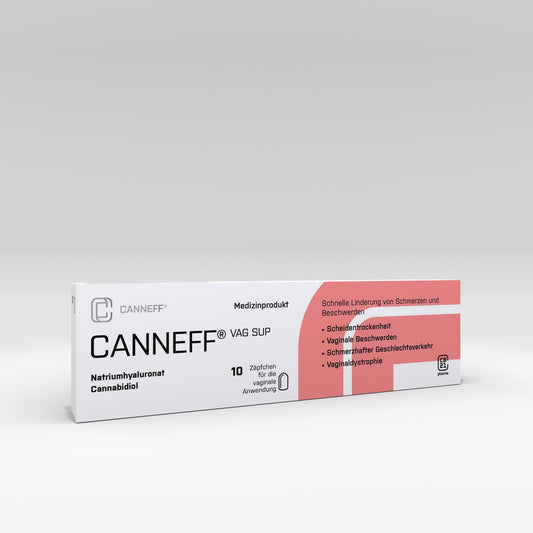
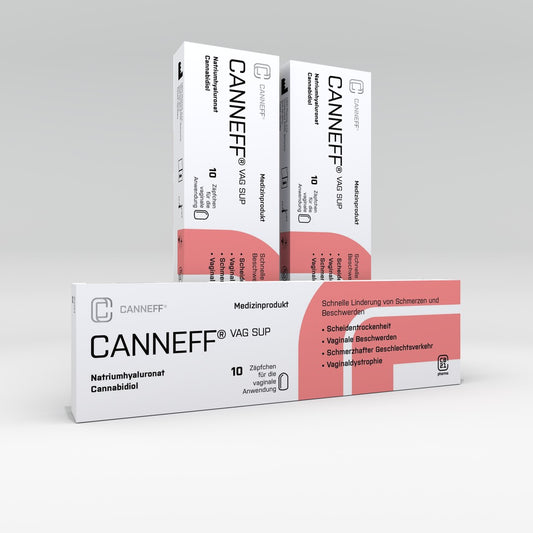
How can CANNEFF® vaginal suppositories help with a yeast infection?
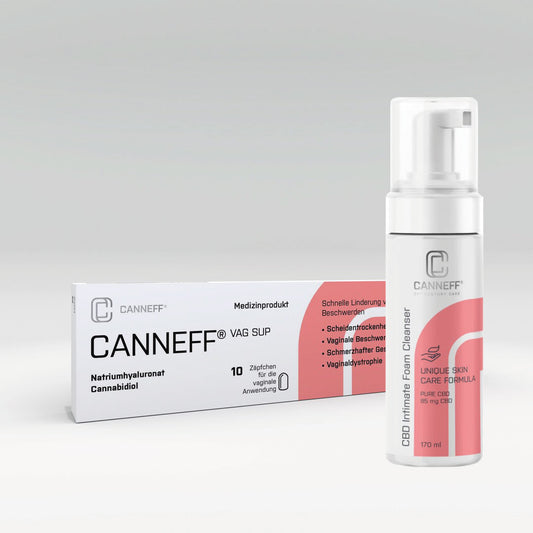
CANNEFF® vaginal suppositories contain a unique combination of Cannabidiol (CBD) and Hyaluronic acid. This medical active ingredient combination is not primarily antifungal – that means it does not kill yeasts like Candida albicans not directly. Nevertheless, CANNEFF® suppositories can play an important supportive role play a role in the treatment and aftercare of vaginal yeast infections – especially with irritated, inflamed, or damaged vaginal mucosa.
Supportive effect in vaginal yeast infections: What CANNEFF® can do
The effectiveness of CANNEFF® vaginal suppositories is based on key properties:
- Supports the Healing of irritated vaginal mucosa
- Promotes the Restoration of the natural protective barrier
- Binds moisture and prevents dryness and micro-injuries
- Ideal for Burning, soreness, and mucous membrane irritations after yeast infections
- Reduces itching and relieves burning
- Acts anti-inflammatory, without irritating the mucous membrane
- Supports the local immune system, without attacking the healthy vaginal flora
- Can oxidative stress and swelling alleviate
When CANNEFF® is useful
|
Time of application |
Benefits of CANNEFF® suppositories |
|
After antifungal treatment |
Regeneration of the mucous membrane, prevention of irritations or relapses |
|
For recurrent infections |
Supports local balance, relieves symptoms |
|
For mucous membrane sensitivity |
Building up and protecting the vaginal barrier, also in hormonal dryness |
|
As a supportive measure for irritations |
Relief of itching, burning, and inflammation – even without acute yeast infection |
Combination with antifungals: complementary, not competing
CANNEFF® does not replace antifungal treatment with active vaginal yeast infection. However, the suppositories are a meaningful addition:
- Parallel to therapy, if medically approved
- Afterwards, for mucous membrane soothing and prevention
- Long-term with sensitive or repeatedly infection-damaged vaginal flora
The application is possible without a prescription but should always be combined with a gynecological examination in cases of acute infections.