

What does the term anal itching mean?
Anal itching, also known as pruritus ani, refers to the unpleasant itching around the anus and the surrounding skin. The perianal skin, meaning the skin around the anus, tends to itch for various reasons, including idiopathic causes or those related to hygiene. Occasionally, the itching can also be perceived as pain, so other possible causes of perianal discomfort, such as anal abscesses or cancer, should be ruled out. Those affected often suffer greatly from this condition, and it may take some time before they seek medical help. Dermatologists, gastroenterologists, and proctologists are the appropriate specialists for people suffering from anal itching.
What factors lead to anal itching?
There are a variety of factors that can cause itching around the anus, most of which can be treated effectively. However, diagnosis can be challenging because many affected individuals seek medical advice late due to embarrassment. Since the skin in the anal and intimate areas is very sensitive, anal itching is not an unusual complaint. Read more here about the causes of anal itching or about anal itching during menopause.
What external influences can trigger anal itching?
Certain external factors can irritate the sensitive skin in the anal and intimate areas, leading to anal itching. A common cause of anal itching is a moist environment. Sweating and wearing tight clothing can create a damp environment that provides ideal conditions for the growth of fungi and bacteria. These can ultimately cause itching.
Additionally, mechanical irritation can contribute to itching in the anal area. For example, improper cleaning of the anal area after using the toilet can lead to dry skin and small cracks, which in turn can promote itching and infections. Both insufficient and excessive intimate hygiene can damage the sensitive anal skin. Products with strong fragrances can irritate the skin and cause anal eczema. For this reason, the skin in the intimate area should only be cleaned with lukewarm water or specially formulated intimate wash gels to avoid irritation. Excessive use of soap can dry out the skin and cause itching, so it is important to use mild soaps and rinse the skin thoroughly to minimize irritation.
Furthermore, direct contact between clothing and perianal skin can cause detergent allergies and skin irritations, which can also lead to itching in the anal and intimate areas. Using hypoallergenic detergents can help avoid irritations and support skin health. Find more information here about the causes of anal itching.
How do proctological diseases influence the occurrence of anal itching?
Proctological diseases can affect the sensitivity and health of the skin in the anal area, which can lead to itching.
Hemorrhoids
Enlarged hemorrhoids can cause discomfort such as itching around the anus, especially in early stages when they swell and protrude from the anus during straining or even on their own.
Anal fissures
Anal fissures are cracks or wounds in the anal canal, often caused by hard stool or excessive straining during bowel movements. These can lead to severe itching in the anal area.
Anal eczema
Anal eczema are inflammatory skin conditions in the anal area that can be caused by irritations, infections, or allergic reactions. They often present with itching, redness, and rashes. Read more here about the symptoms, causes, and treatment of anal eczema.
Diarrhea (diarrhoea)
Diarrheal diseases, whether caused by infections or food poisoning, can lead to frequent bowel movements, loose stools, and the need to clean the anus frequently, which can irritate and dry out the skin, leading to itching or even anal burning. Read more in the blog post about anal itching after bowel movements.
Skin tags (sentinel folds)
Also, skin tags can cause anal itching under certain circumstances. Read more about skin tags here.
Chronic inflammatory bowel diseases (IBD)
Diseases like Crohn's disease or ulcerative colitis can also affect the anus and anal canal, leading to mucosal changes and periods of diarrhea, which in turn can cause itching.
Anal carcinoma
Anal carcinoma, a rare type of cancer often caused by human papillomaviruses (HPV), can cause severe itching in addition to other symptoms such as blood in the stool and a feeling of pressure at the anus.
Colorectal cancer
Anal carcinoma and colorectal cancer are both malignant tumors in the digestive tract area, but they differ in their location, causes, symptoms, and treatment. Both tumor diseases can cause anal itching. While anal carcinoma specifically affects the anus and is strongly associated with HPV, colorectal cancer affects the colon or rectum and is more often caused by genetic factors or diet. Both types of cancer require specific diagnostics and treatment, with location and risk factors being crucial for the treatment approach. Read more about anal itching in colorectal cancer here.
How are dermatological conditions responsible for anal itching?
Some skin diseases can cause itching in the anal area, either due to direct involvement of the skin around the anus or due to the general itching associated with these diseases.
Cutaneous T-cell lymphoma (Mycosis fungoides)
This form of lymph node cancer affects the skin and can cause severe, persistent, and therapy-resistant itching all over the body, including the anal area. The infiltration of the skin with T-lymphocytes causes this itching.
Lichen sclerosus
Lichen sclerosus is a skin disease that causes pale, raised skin changes, especially in the genital area and around the anus. These lesions can be accompanied by itching, pain, and scarring and pose a risk for cancer (vulvar carcinoma, penile carcinoma).
Psoriasis vulgaris
Psoriasis vulgaris is an inflammatory skin disease characterized by redness and scaling of the skin. Severe itching often accompanies the skin changes. Typically, the extensor sides of the arms and legs, scalp, and trunk are affected, but in rare or severe cases, the perianal skin can also be involved.
Find more information here about the causes of anal itching.
How do internal diseases contribute to anal itching?
Internal diseases can contribute to anal itching in various ways. For example, diabetes can increase the risk of skin infections because high blood sugar levels weaken the immune system and make the skin more susceptible to infections. These infections can cause itching in the anal area.
Additionally, thyroid disorders can affect metabolism and lead to dry skin, which in turn can cause itching. Dry skin in the anal area can then lead to irritation and itching. Read more here about iron deficiency as a cause of anal itching or about anal itching during menopause.
What role do parasites play in the development of anal itching?
Parasites such as pinworms (Enterobius vermicularis) can also cause anal itching. These parasites lay their eggs in the anal mucosa and perianal skin, causing intense itching, especially in children. Scratching and contact with contaminated fingers can lead to reinfection. Find more information about the causes of anal itching here.
How can psychological factors cause anal itching?
Psychological factors can influence the occurrence or intensity of anal itching, as well as anal burning, in various ways. Stress and anxiety can weaken the immune system and increase inflammation in the body, which can heighten skin sensitivity in the anus and rectal area and cause itching. In some people, depression, anxiety disorders, or obsessive-compulsive disorders can lead to excessive scratching in the anal area, which can worsen anal itching or even cause skin lesions or infections that further increase the itching. Moreover, psychological stress can cause individuals to amplify their physical symptoms or respond to them unconsciously, which can subjectively intensify or worsen anal itching, even if there is no obvious physical cause.
Why is anal itching particularly common in children?
Children's skin is often more sensitive than that of adults, especially in the anal area. This sensitive skin can be more prone to irritation, which can lead to anal itching. Children are also more susceptible to certain infections that can cause anal itching, such as fungal infections or pinworm infestations. This may be due to the fact that children often have close contact with other children and have not yet fully developed certain hygiene habits. Additionally, children may be more sensitive to certain foods, which can cause gastrointestinal issues that in turn affect the anal area and cause itching. Due to their immaturity or inattention, children may sometimes practice inadequate anal hygiene, leading to irritation and itching. Children may also scratch the anal area more frequently than adults, which can worsen the itching and lead to skin lesions or infections.
Therefore, parents should ensure to promote their children's anal hygiene and have regular medical check-ups to detect and treat any potential problems early.
How is anal itching diagnosed?
When experiencing anal itching, the underlying condition must be diagnosed. The process can be lengthy and complex. In any case, an open conversation with a doctor about the entire symptom picture should take place. Bowel and hygiene habits should also not be taboo topics during this discussion. Read more about examinations and diagnosis in the blog post Anal Itching Doctor.
What accompanying symptoms are typical besides itching?
The accompanying symptoms that can occur alongside itching provide valuable clues about possible causes of anal itching. A burning sensation in the anal area, known as anal burning, is often associated with itching and may indicate skin irritation or inflammation. Likewise, moisture or a damp feeling around the anus (weeping) can point to excessive sweating or an infection. Unusual discharge from the anal area could suggest an infection or another underlying condition. Sudden and urgent bowel urges may indicate a reaction of the bowel or anus to irritation. Changes in bowel habits or stool consistency can indicate gastrointestinal problems such as diarrhea or constipation, which in turn can cause anal itching. Additionally, the presence of pain in the anal area may indicate skin irritation or inflammation. An uncomfortable sensation of a foreign object in the anus could be due to hemorrhoids, anal fissures, or other abnormalities in the anal area.
What is the typical course of illness for Pruritus Ani?
The typical course of pruritus ani is characterized by a vicious cycle of itching and scratching. This cycle can worsen the condition, as scratching can injure the skin and lead to secondary infections that further increase the itching. Affected individuals often suffer from sleep disturbances due to nighttime itching and scratching. During the day, the itching, especially in situations like work, cannot be easily relieved by scratching, leading to frustration and discomfort. Scratching often provides only temporary relief, which intensifies the urge to scratch further. This can lead to open or inflamed skin areas that worsen the symptoms. In some cases, the itching is so intense that it is indistinguishable from pain.
Which examinations can diagnose anal itching?
The doctor begins with a medical history and physical examination to learn about your medical background and to identify possible skin irritations, hemorrhoids, anal fissures, an anal fistula, or fungal infections in the anal area. A stool test may be conducted to rule out parasites, fungal infections, or bacteria that can cause intestinal infections.
Further tests such as a rectoscopy or colonoscopy allow the doctor to examine the internal areas of the anus and colon more closely and to take tissue samples for laboratory analysis. A skin biopsy can also be performed to identify skin conditions such as dermatitis.
Additional examinations to clarify the diagnosis may include an endorectal examination, an anal canal endoscopy, a rectoscopy, a colonoscopy, a blood test to check inflammation markers, a patch test, or a tissue sample, especially in cases of persistent anal itching.
What treatment options are available for anal itching?
The treatment of anal itching is diverse and depends on the underlying cause. It is important to resist the urge to scratch, as this can further damage the irritated skin around the anus.
In case of allergic reactions to care products, avoiding irritating substances and using special intimate soaps can be helpful. A fiber-rich diet and regular exercise can contribute to stool regulation and help prevent itching. After medical consultation, sitz baths and ointments can be used to relieve itching. Local substances with anti-inflammatory effects can also be used short-term for symptomatic treatment. Read more about treatment of anal itching with suppositories.

Which creams and ointments are specifically recommended for anal itching?
For the treatment of anal itching, special creams and ointments may be recommended after medical consultation. For hemorrhoids, anti-inflammatory ointments can be used, and antifungal agents may be applied in case of fungal infections. Zinc ointment is often used to soothe irritated skin, including skin irritations caused by diapers.
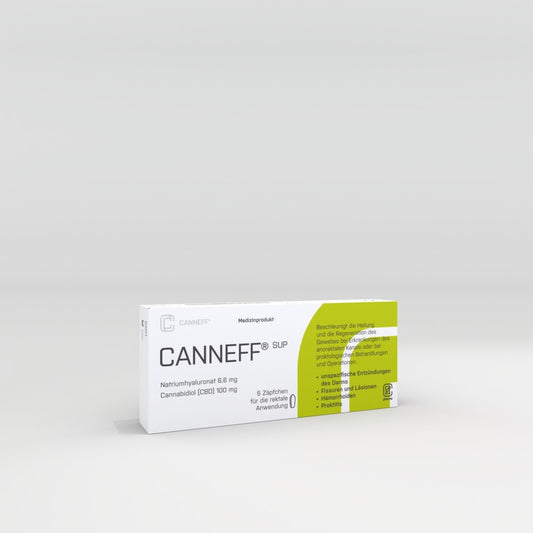
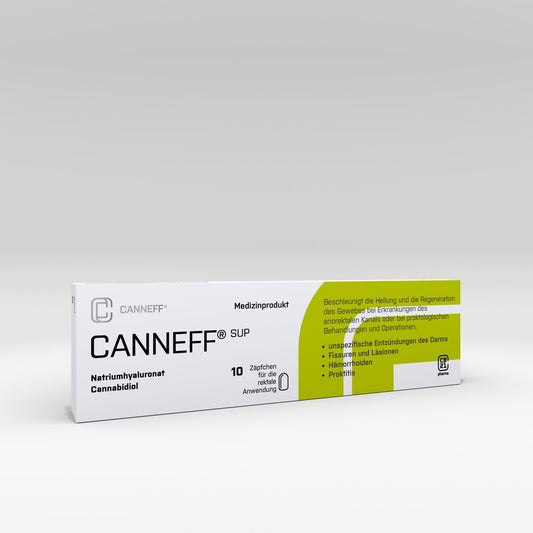
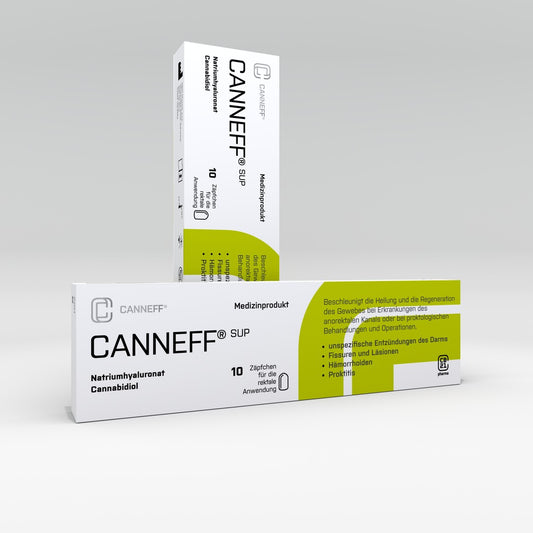
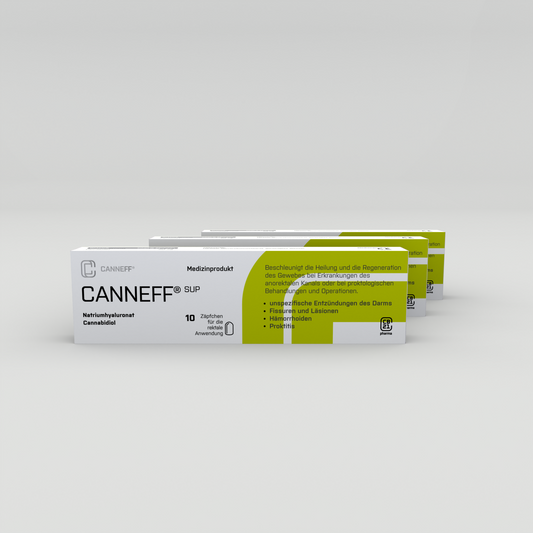
It is important not to give in to the itching, as rubbing and scratching can worsen the symptoms. CANNEFF® SUP Suppositories can provide relief and promote the regeneration of the skin and tissue. Read more about treatment of anal itching with suppositories.
What self-care measures can those affected take to relieve symptoms?
To prevent symptoms, mild intimate hygiene, avoiding synthetic clothing, and steering clear of irritating foods can be helpful. Sitz baths and ointments should also be used only after medical consultation. Additionally, thorough intimate hygiene is especially important.
Under what circumstances is it advisable to see a doctor?
Persistent itching around the anus should be medically evaluated, as should the occurrence of other symptoms such as blood in the stool. The general practitioner’s office is often the first point of contact, from where a referral to a proctologist can be made. Read more about examinations and diagnosis in the blog post Anal Itching - Doctor.
How can anal itching be prevented?
Various measures can be taken to prevent anal itching, such as wearing loose clothing made of breathable materials, as tight clothing can irritate the anal area. Regular exercise can also help avoid prolonged sitting, which can restrict blood flow to the anal area. Stand up regularly and move around to promote circulation. Stress reduction also helps, as stress can affect digestion and lead to anal itching. Relaxation techniques can help reduce stress and lower the risk of anal itching.
What is the importance of personal hygiene in preventing anal itching?
It is important to clean the anal area with water or moist toilet paper after each bowel movement to avoid skin irritation. Care should be taken not to rub or scratch too hard to avoid further irritating the skin.
Soaps should be avoided as they can destroy the skin's natural protection. It is also advisable to avoid moist toilet paper, as it can also affect the skin. Careful anal hygiene can thus help prevent anal itching and maintain skin health.
How can an adapted diet contribute to prevention?
By avoiding irritating foods such as spicy spices and potentially allergenic foods like dairy products, citrus fruits, and nuts, the mucous membrane can be protected, thereby preventing itching. Additionally, a fiber-rich diet high in fruits, vegetables, and whole grains helps prevent constipation and diarrhea, both of which can lead to anal itching. Adequate fluid intake of at least 1.5 to 2 liters of water or other beverages per day is also important to support bowel health and prevent constipation. Furthermore, irritating substances such as spicy spices and alcohol should be reduced or avoided in the diet.
Under what specific conditions can anal itching occur or worsen?
Anal itching can occur or worsen under various circumstances. For example, insufficient or aggressive intimate hygiene can irritate the skin in the anal area and cause or worsen itching. Additionally, spicy foods and alcohol can further irritate the anal area and thereby increase itching.
Why can itching become more intense when sitting?
Prolonged sitting can restrict blood flow to the anal area, which can cause itching. Reduced circulation can lead to blood pooling in the veins of the anal area, which in turn can cause symptoms like itching. Regularly standing up and moving can help counteract this and restore blood flow, thereby reducing itching caused by frequent sitting.
How can you tell if haemorrhoids are causing the itching?
Typical symptoms of haemorrhoids include itching, afterburning, as well as pain and bleeding in the anal area. A medical examination can confirm the diagnosis and rule out other possible causes. During the examination, the doctor can visually inspect the anal mucosa and anus and, if necessary, perform further tests such as a rectoscopy or colonoscopy.
How can you recognize a fungal infection in the anal area?
A moist environment caused by sweat or damp clothing can promote fungal growth, leading to further itching or more intense afterburning. Fungal infection in the anal area manifests as itching, skin redness, and scaling. A medical diagnosis can help distinguish fungal infection from other causes.
Is it possible for haemorrhoids to regress without treatment?
Some haemorrhoids can regress without treatment, especially in early stages. Lifestyle changes and avoiding risk factors can help reduce haemorrhoids. However, if symptoms persist, a medical examination and possibly treatment are advisable.