

What is prostatitis?
Prostatitis is an inflammation of the male prostate. Prostatitis is a relatively common condition associated with pain during urination and ejaculation. There is an acute and a chronic prostatitis; treatment and prognosis depend on the form and cause of the disease.
The prostate is also called the prostate gland and is located directly below the bladder, normally about the size of a walnut. The prostate surrounds the first section of the urethra and extends up to the pelvic floor, which is made up of muscles. Proper prostate function is crucial for male fertility. Disorders of the prostate, such as inflammation or enlargement, can affect both urination and ejaculation and lead to significant health problems.
The main function of the prostate gland is to produce a secretion that makes up about one-third of the ejaculate. This secretion contains, in addition to prostate-specific antigen (PSA), also spermine. PSA, an enzyme, ensures that the ejaculate liquefies after ejaculation. An elevated PSA level can also be an indication of diseases such as prostatitis, benign prostatic hyperplasia (BPH), or prostate cancer.
What types of prostatitis are distinguished?
Prostatitis, the inflammation of the prostate, is divided into four main types. The distinction between the different types of prostatitis is based on symptoms, results from urine, blood, and other laboratory tests, as well as the individual course of the disease. The following four main types are distinguished:
- Acute Bacterial Prostatitis
- Chronic Bacterial Prostatitis
- Chronic prostatitis or chronic pelvic pain syndrome (CP/CPPS)
- Asymptomatic prostatitis.
The acute bacterial form is often characterized by sudden symptoms such as fever and pain, while chronic bacterial prostatitis progresses more slowly but involves recurring infections and discomfort.
Chronic prostatitis, also known as chronic pelvic pain syndrome (CP/CPPS), is the most common form and occurs without a clear bacterial cause. Therefore, it is often referred to as abacterial or non-bacterial prostatitis. Asymptomatic prostatitis, on the other hand, shows no symptoms and is usually discovered incidentally during other examinations. Consequently, we provide a more detailed overview:
Acute Bacterial Prostatitis
Acute prostatitis, also known as acute bacterial prostatitis, is caused by bacteria. Acute bacterial prostatitis can be a very severe condition and usually requires high-dose antibiotic treatment. The bacteria can reach the prostate either through the bloodstream or spread from an existing bacterial infection of the bladder or urethra. Acute prostatitis is a serious systemic illness accompanied by severe pain during urination, as well as fever and chills. Only about ten percent of all prostate inflammations are bacterial in origin. In some cases, an acute bacterial infection can develop into chronic bacterial prostatitis.
Chronic Bacterial Prostatitis
Like the acute form, this chronic inflammation of the prostate is also caused by bacteria. It is a very rare condition and is often mistaken for chronic non-bacterial prostatitis, which is by far the most common when considered absolutely. Chronic bacterial prostatitis is diagnosed when an infection is confirmed and symptoms persist for at least 3 months. During the course of chronic bacterial prostatitis, bacteria can be detected in the urine, prostate secretions, or ejaculate. Therefore, chronic bacterial prostatitis requires several weeks of antibiotic treatment. The symptoms of chronic bacterial prostatitis are generally less severe than those of the acute form. Although chronic prostate inflammation also causes pain during urination and possibly a feeling of pressure in the perineal area, the symptoms are usually less pronounced than in the acute form of bacterial prostatitis. Compared to the acute form, the signs of illness are generally milder and more vague. Pain or discomfort is often felt in the prostate, perineum, scrotum, and testicles. Less commonly, pain occurs in the penis, bladder, lower back, and occasionally in other areas (e.g., groin, anorectal region). Lower urinary tract symptoms usually include pollakiuria (frequent urination), dysuria (difficulty urinating), alguria (painful urination), a weakened urine stream, and pain during urination. Additionally, changes in sexual function may manifest, such as discoloration of the semen or erectile dysfunction.
Abacterial prostatitis (Chronic pelvic pain syndrome)
In most cases of prostate inflammation, no bacteria can be detected in the urine, prostate secretions, or ejaculate as the cause of the disease. Therefore, the cause of prostatitis often remains unclear. The characteristics of non-bacterial prostatitis are pain in the pelvic and/or genital area for unclear reasons. The symptoms resemble those of chronic bacterial prostatitis, but no bacteria can be detected.
Chronic prostatitis is defined as persistent or recurring pain in the area of the prostate, pelvis, and genitals lasting at least 3 months within the last six months. Chronic prostatitis thus refers to persistent or recurring pain experienced in the pelvic and perineal area, between the scrotum and anus, or in the genitals. Medical professionals also refer to this as chronic pelvic pain syndrome or abacterial chronic prostatitis. However, white blood cells (leukocytes) are often found in the prostate, indicating inflammation, which is then called inflammatory chronic pelvic pain syndrome.
In contrast, there is another form of the disease in which neither bacteria nor leukocytes are detectable, known as non-inflammatory chronic pelvic pain syndrome. Overall, chronic pelvic pain syndrome (abacterial prostatitis) is by far the most common form of prostatitis.
The list of possible additional symptoms of chronic pelvic pain syndrome is long. These include tension or pressure in the perineal area or around the anus, as well as a pulling sensation in the groin radiating to the testicles. General feelings of pressure, coldness, or burning behind the pubic bone, tension in the sacral area, irregular bowel movements, urgency to defecate, urgency to urinate, difficulty urinating, burning at the end of the urethra, dribbling of urine, and a feeling of incomplete bladder emptying can also occur. Reduced libido, erectile dysfunction, premature ejaculation (ejaculatio praecox), and pain during intercourse may also be present. Due to the chronic nature of the symptoms, psychological symptoms such as anxiety and depression are often found in affected individuals. These concerns also influence the symptoms mentioned and can significantly reduce the quality of life of those affected.
Since many factors play a role in the development of chronic prostatitis, treatment options are correspondingly diverse. Therapy for chronic pelvic pain syndrome usually consists of a combination of different methods, tailored to the individual patient's condition and medical history.
Asymptomatic prostatitis
In rare cases, asymptomatic prostatitis occurs. In this form of prostate inflammation, signs of inflammation are present, but no pain or other symptoms occur. Asymptomatic prostatitis is usually discovered incidentally, for example during an infertility examination.
What is meant by prostatitis syndrome?
The prostatitis syndrome refers to a group of symptoms and conditions affecting the prostate, usually accompanied by pelvic pain. It encompasses various complaints in the male pelvic area, some of which have unknown causes. These include different conditions such as acute bacterial prostatitis, chronic bacterial prostatitis, as well as abacterial chronic prostatitis, also known as inflammatory and non-inflammatory chronic pelvic pain syndrome, and asymptomatic prostatitis. The latter form of inflammation shows no symptoms.

Is prostatitis dangerous?
Prostatitis is generally not life-threatening but can cause significant health issues and complications if left untreated. However, acute bacterial prostatitis can bring serious problems, as the infection can rarely lead to an abscess in the prostate or sepsis, which requires immediate medical treatment.
In chronic prostatitis, the symptoms are usually less severe but can significantly impact the affected person's quality of life in the long term. Chronic pelvic pain, sexual dysfunction, and frequent urinary tract infections are possible consequences. Although the condition is rarely life-threatening, it can lead to emotional stress and psychological problems, as the symptoms are often difficult to treat and persistent.
How common is prostatitis?
Prostatitis is a relatively common urological problem that can affect men of all ages, with prevalence increasing with age. It is estimated that about 10-15% of men suffer from some form of prostatitis during their lifetime. Studies show that most cases occur in men between 40 and 50 years old, during the phase of male menopause, the andropauseThe chronic prostatitis, or chronic pelvic pain syndrome (CPPS), is by far the most common form and affects an estimated 90-95% of patients with prostatitis.
Acute bacterial prostatitis is less common but accounts for a significant portion of urological emergencies. Prostatitis can have a considerable impact on the quality of life of those affected, as it is often associated with chronic pain and functional impairments of the urinary and sexual systems. The chronic form of prostatitis, especially chronic pelvic pain syndrome (CPPS), is definitely much more common than acute bacterial prostatitis. It is estimated that about 90-95% of prostatitis cases are non-bacterial in nature.
What are the causes of prostatitis?
Prostatitis can be caused by various factors, either bacterial or non-bacterial in origin. The exact cause of prostatitis can often be difficult to determine, especially in the non-bacterial form, which makes treatment complex. A urologist diagnoses the condition through a combination of medical history, physical examination, urine and blood tests, and possibly imaging procedures. Here is an overview of the most common triggers.
Bacterial Prostatitis
Bacterial prostatitis is caused by an infection often triggered by bacteria such as Escherichia coli, Klebsiella, or Proteus. These bacteria usually enter the prostate from the urinary tract or bladder, leading to acute or chronic inflammation. Sexually transmitted bacteria like Chlamydia trachomatis, Neisseria gonorrhoeae (gonorrhea), and Trichomonas vaginalis can cause prostatitis, especially in sexually active men.
Non-bacterial prostatitis
Non-bacterial prostatitis (chronic pelvic pain syndrome) has no detectable bacterial cause. The reasons can include neuromuscular problems, immune system dysregulation, or urinary reflux, i.e., backflow of urine into the prostate ducts, which can cause inflammation. Psychosomatic factors such as stress and psychological strain can also worsen or even trigger chronic pain and inflammation.
Prostatitis caused by trauma or pressure
Trauma and mechanical pressure, such as from activities like prolonged cycling or sitting, can also trigger inflammation of the prostate. These mechanical stresses lead to irritation of the prostate and surrounding tissue.
Prostatitis caused by other pathogens
Infections caused by other pathogens, such as fungi, viruses, or parasites, are rare causes of prostatitis but mainly affect immunocompromised individuals. In particular, viruses like the herpes simplex virus can play a role in these cases.
What are the risk factors for the occurrence of prostatitis?
There are several risk factors that can promote the occurrence of prostatitis. These factors either increase the likelihood of an infection or directly contribute to irritation of the prostate.
A urinary tract infection is a significant risk factor because bacteria from the urinary tract can easily reach the prostate and cause inflammation there. Men who have recurrent urinary tract infections are particularly susceptible to bacterial prostatitis.
Underlying conditions such as diabetes mellitus can also promote the occurrence of prostate inflammation. The elevated blood sugar levels in diabetic patients often result in increased sugar levels in the urine. The abundant sugar in the urine provides bacteria with good growth conditions, making urinary tract infections more likely. Furthermore, the immune system is generally weakened in diabetes mellitus.
Another risk factor for prostatitis is a urinary catheter. The insertion of the urinary catheter through the urethra into the bladder can cause small tears in the urethra and injuries to the prostate. Additionally, bacteria can colonize the urinary catheter and potentially travel along the urethra to the bladder, which can also lead to prostate inflammation.
Sexually transmitted infections, such as chlamydia or gonorrhea, also increase the risk of prostatitis, especially in younger, sexually active men. Unprotected sex can facilitate the transmission of these pathogens, leading to inflammation in the prostate.
Certain activities that put pressure on the prostate, such as prolonged sitting or long-distance cycling, can irritate the tissue and thus increase the risk of prostatitis. Such mechanical stress impairs blood flow to the prostate and can promote inflammation in the perineum or around the anus.
A weakened immune system, for example due to diseases like HIV or the use of immunosuppressive drugs, makes the body more vulnerable to infections. This can also affect the prostate. Men with weakened immune systems are more likely to develop non-bacterial or atypical bacterial prostatitis.
Age also plays a role as another risk factor. Older men are more susceptible to chronic prostatitis and prostate enlargement, which can promote inflammation. As men age, the likelihood of prostate problems, including prostatitis, increases. Prostatitis occurs more frequently in men aged 40 to 50 because various physiological and lifestyle factors play a role during this life phase. Primarily, hormonal changes in the andropause, in the Menopause in menThe testosterone level in men gradually decreases with age. This can cause changes in the prostate gland and thus increase the risk of prostatitis. Benign prostatic enlargement is common in this age group. An enlarged prostate can also obstruct urine flow, leading to urine backflow and a higher likelihood of infections.
A narrowing of the urethra or other structural abnormalities in the urinary tract increase the risk, as anomalies obstruct urine flow and give bacteria the opportunity to settle in the prostate. Such disorders can impair urine drainage and promote inflammation in this area.
What are the symptoms of prostatitis?
Prostatitis causes various symptoms. While the complaints in acute prostatitis are often very intense and accompanied by a strong feeling of illness, they are usually somewhat milder in chronic prostatitis. Not every affected man necessarily experiences all the mentioned complaints; the severity and extent of the symptoms of prostatitis vary from man to man. Prostatitis is mainly associated with severe pain in the perineum and anal area. Additionally, symptoms such as frequent urination, pain during urination (micturition), and pain during ejaculation occur with prostate inflammation.
In all types of prostatitis that cause symptoms, many of the symptoms are caused by muscle spasms in the bladder and abdomen, especially in the scrotum and anus area. The region between the anus and the external genitalia is also called the perineum. Therefore, pain often occurs in the perineum, lower back, penis, or testicles. In many cases, there is frequent, strong urgency to urinate. Urination may also be painful or cause burning. Erection or ejaculation can be difficult or even painful. Muscle spasms in the pelvic floor can also lead to constipation, causing pain during bowel movements.
Symptoms of acute prostatitis
Acute prostatitis is considered an acute condition in which those affected suffer from fever and chills. The inflammation of the prostate, which surrounds the urethra, also leads to typical urinary complaints. For example, a burning pain can occur during urination, called alguria, or the urine stream is significantly weakened due to swelling of the prostate. This is referred to as dysuria. Pollakiuria, on the other hand, describes frequent urination in small amounts; because the swelling of the prostate causes only small amounts of urine to be expelled, those affected have a constant urge to urinate and must frequently go to the toilet. Other prostatitis symptoms include pain in the bladder area, perineum, and lower back. Pain often occurs during or after ejaculation. Blood in the urine or pain during bowel movements are also possible symptoms. In acute bacterial prostatitis, the symptoms of prostate inflammation are usually more pronounced. Some symptoms occur particularly frequently here, such as fever and chills, difficulty urinating, and also blood in the urine.
Symptoms of chronic prostatitis and chronic pelvic pain syndrome
Chronic prostatitis generally causes less severe symptoms than acute prostatitis. Fever and chills usually do not occur. Typical symptoms of chronic prostatitis include a feeling of pressure in the perineal area or lower abdomen, brown discoloration of the ejaculate due to blood in the semen, or blood in the urine. Libido and potency disorders are also common symptoms in the chronic form, often caused by pain during or after ejaculation. The symptoms of chronic bacterial and chronic abacterial prostatitis (chronic pelvic pain syndrome) do not differ.
What complications can occur with prostate inflammation?
In some cases of prostatitis, complications can occur alongside the acute symptoms, which complicate the course of the disease and prolong the healing time. Bacterial prostatitis can also lead to a pus collection, an abscess in the prostate. This is the most common complication, and a prostate abscess mainly develops from untreated acute bacterial prostatitis. The prostate abscess is a pus-filled encapsulation of the inflammation, which usually needs to be opened and drained surgically. Another complication of prostate inflammation is the spread to the epididymis or testicles (epididymitis, orchitis). Some studies also suggest that chronic prostatitis may be linked to the development of prostate cancer.
How is prostatitis diagnosed?
The diagnosis of prostatitis is usually based on the patient's history of symptoms and complaints, a physical examination, as well as the results of urine analysis and urine culture or a blood test.
The doctor will conduct a thorough medical history and ask about the mentioned symptoms. During a digital rectal examination, the prostate is checked for pain, enlargement, or hardening. In the case of a digital rectal exam, the prostate, especially in men with acute bacterial prostatitis, may already feel swollen and sensitive to touch. The prostate is easily accessible for palpation, a manual examination through the rectum. The prostate palpation is called a DRE (digital rectal examination). In addition to examining the prostate, the DRE can also detect changes and abnormalities in the rectum. Read more here about the doctor's visit for prostatitis.
Urine samples and, in some cases, fluids expelled from the penis during prostate massage in the examination are collected for analysis and culture. If the urine test shows white blood cells, this indicates inflammation; if bacteria are present, it indicates an infection. Urine cultures can detect bacterial infections in the urinary tract. If an infection is found in the culture of prostate fluid, the prostate is clearly the source of the infection. If prostatitis is not caused by a bacterial infection, the urine culture shows no infection. A blood test can detect infections or inflammation by elevated C-reactive protein (CRP) levels or an increased number of white blood cells. In suspected chronic prostatitis, PSA (prostate-specific antigen) levels may be elevated.
Imaging techniques such as ultrasound or MRI can also be used to check the prostate for abscesses or structural abnormalities, especially when symptoms are severe. An ultrasound examination should always be performed to rule out a purulent melting in the prostate, known as a prostate abscess. A urine flow measurement can also assess urine flow and reveal impaired bladder emptying, which may indicate prostate narrowing or inflammation.
How can prostatitis be detected early?
Early detection of prostatitis is possible by paying attention to typical symptoms such as pelvic pain, frequent urination, burning during urination, and sexual problems. General signs of infection, such as fever and fatigue, often occur with acute bacterial prostatitis. For diagnosis, the urologist conducts a thorough medical history and a digital rectal exam through the anus to check the prostate for swelling or pain. Urine and blood tests help provide clues about infections or inflammation, while analyses of prostate secretions are helpful in diagnosing bacterial forms. In certain cases, imaging techniques such as ultrasound are also used to rule out structural abnormalities. If prostatitis is suspected, a urologist should be consulted early to enable an accurate diagnosis and appropriate treatment. Early detection of prostatitis is crucial to avoid complications and initiate the best possible targeted treatment. However, symptoms can vary depending on the type of prostatitis, and the condition is often diagnosed only through a combination of symptoms, clinical examinations, and laboratory findings. Read more here about the doctor visit for prostatitis.
What role does the PSA level play in prostatitis?
The PSA level (prostate-specific antigen) plays an important but not always clear role in the diagnosis and monitoring of prostatitis. The PSA level and its concentration in the blood can indicate various prostate conditions, including inflammation of the prostate gland, known as prostatitis. In prostatitis, the PSA level can be elevated because the inflammation damages prostate cells and releases more PSA into the blood. However, this increase is not specific to prostatitis and can also be caused by other prostate diseases such as benign prostatic enlargement or prostate cancer.
Fluctuating PSA levels are particularly observed in acute or chronic prostatitis, often decreasing again after the inflammation subsides. For this reason, the PSA level can serve as a helpful parameter for monitoring the course of the disease. However, since an elevated PSA level can have many causes, it is not sufficient to definitively diagnose or exclude prostatitis. Further examinations such as a digital rectal exam, ultrasound, or in some cases a prostate biopsy are necessary for accurate clarification.
When should you see a doctor for prostatitis?
As soon as symptoms such as pain in the pelvic or genital area, problems urinating, or fever occur, a doctor should be consulted as soon as possible. Early diagnosis prevents the condition from becoming chronic or leading to more serious complications such as a prostate abscess or kidney infection.
For diagnosis, the doctor will take a medical history and perform a digital rectal examination to check the prostate for pain, hardening, or enlargement. Urine tests can indicate infections or inflammation. The urine sample is examined for bacteria, white blood cells, and other signs of infection or inflammation. In some cases, blood tests or imaging techniques such as ultrasound are also used to rule out possible abscesses. Early diagnosis of prostatitis is crucial to avoid complications and to initiate targeted treatment according to the cause. Read more here about the doctor's visit for prostatitis.
Which doctor should I see if I have symptoms of prostatitis?
If prostatitis is suspected, you should first consult a specialist in urology. Urology specializes in diseases of the male reproductive system and urinary tract. The treating doctor will conduct a thorough medical history and can make an accurate diagnosis through further rectal examinations as well as appropriate blood and urine tests. Additionally, the urologist can initiate suitable treatment depending on the cause and severity of the disease, whether through medication, physical therapy, or possibly surgery. If necessary, the urologist can also involve other specialists to ensure comprehensive care, especially if prostatitis is associated with other health problems or complications. Read more about the doctor visit for prostatitis.
How is prostatitis treated?
In prostatitis, the treatment and duration depend on the underlying cause. The treatment of prostatitis in bacterial infections is done with antibiotics. In mild cases, administering antibiotics for about ten days is sufficient. In chronic prostatitis, medication must be taken over a longer period, which can range from four to six months.
If there is no infection, treatment focuses on relieving symptoms. This includes certain medications, home remedies like sitz baths, as well as pelvic floor therapy or prostate massages. If the cause of prostatitis is bacterial, it is treated with antibiotics over several weeks. Read more here about the general treatment of prostatitis.
Treatment for abacterial prostatitis
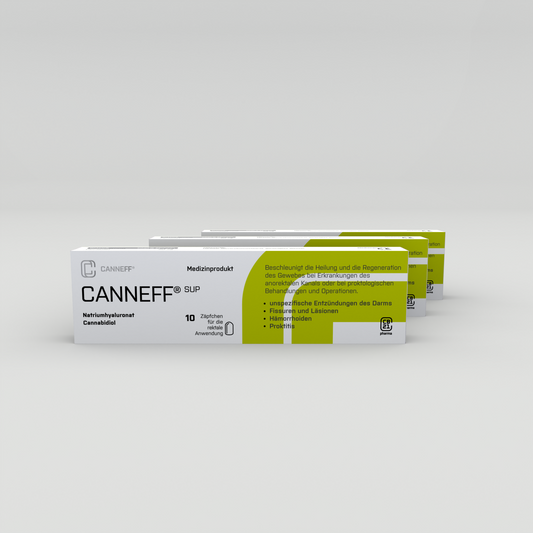
If no indication of a bacterial infection is found during diagnosis, prostatitis is usually considered difficult to cure. In this type of prostatitis, most treatment options only relieve symptoms; a complete cure is often not possible. Non-bacterial prostatitis is particularly common during the life phase of the male menopause widespread. Abacterial prostatitis leads to pain, sexual problems, and also urinary complaints. A pilot study showed that CANNEFF® SUP Suppositories were able to relieve symptoms of non-bacterial prostatitis. The suppositories have anti-inflammatory effects and can reduce pain. Since non-bacterial prostatitis is difficult to treat, they represent CANNEFF® SUP Suppositories an innovative therapy option that can provide affected men with an improved quality of life. Read more here about the treatment of abacterial prostatitis with suppositories.
In the area of medicinal treatment, stool softeners can also relieve pain caused by constipation during bowel movements. Painkillers and anti-inflammatory medications can combat pain and swelling regardless of their cause. Alpha blockers are very commonly used for prostate problems. They facilitate bladder emptying by relaxing the muscles of the prostate and bladder. These include doxazosin, terazosin, tamsulosin, alfuzosin, and silodosin, which can alleviate symptoms.
If no improvement can be achieved with purely medicinal approaches, treatment is often supplemented with physical measures. These additional non-medication treatments include medical prostate massages performed manually through the rectum, as well as home remedies such as warm sitz baths to promote blood circulation. Relaxation techniques to relieve cramps and pain in the pelvic muscles are also other options. Pelvic floor exercises are also considered an effective method to improve blood flow in the area. Additionally, microwave heat therapy can stimulate increased blood circulation in the tissue, which can reduce the pain of prostatitis. Certain treatments to relieve symptoms can also be used for chronic bacterial prostatitis; in any case, consult your treating physician about this.
If symptoms remain severe despite treatment, partial or complete surgical removal of the prostate may be considered as a last resort.
Treatment of bacterial prostatitis
For the treatment of acute bacterial prostatitis, antibiotics that can penetrate the prostate tissue are given for at least 30 days. These antibiotics include, for example, ciprofloxacin or trimethoprim/sulfamethoxazole. If the antibiotic treatment is shorter, the infection may not fully heal and can then develop into chronic prostatitis. Most patients can be treated at home and take the antibiotics orally. In some cases, inpatient treatment with intravenous antibiotics is necessary. Chronic bacterial prostatitis is difficult to cure. It is treated for at least six weeks with an antibiotic that can penetrate the prostate tissue. If a prostate abscess develops due to the bacterial infection, it usually needs to be surgically drained.
Can suppositories relieve the symptoms of chronic prostatitis?
The symptoms of non-bacterial, chronic prostatitis can unpleasantly affect men, for example, during urination or ejaculation. Certain suppositories can support the local, symptomatic treatment of prostatitis. There are specific medical products that enable a soothing and local treatment of the complaints associated with non-bacterial, chronic prostatitis. Suppositories as a form of administration generally allow the active ingredients contained to act directly at the site of the prostate inflammation via the anorectal canal, thereby helping to relieve the symptoms. Don’t let the symptoms limit your daily life or sexuality any longer. Find out here about the dosage and mode of action and how easily you can insert the CANNEFF® suppositories in just a few simple steps.
Certain suppositories can thus help relieve symptoms associated with non-bacterial prostatitis. These suppositories often contain a combination of hyaluronic acid and other plant-based ingredients. Prostatitis can cause pelvic pain, urinary problems, and sexual issues. Studies show that this condition is difficult to treat because chronic prostatitis often has no clear bacterial cause. Read more here about treatment of non-bacterial prostatitis with suppositories.

In a pilot study, the CANNEFF® SUP CBD suppositories have shown promising relief of symptoms of non-bacterial prostate inflammation. The CANNEFF® SUP Suppositories which are also used for the treatment of Hemorrhoids, Anal fissures, Anal fistulas, Anal abscess, Proctitis and other nonspecific inflammations of the intestine are used and offer great potential to also alleviate symptoms of non-bacterial prostatitis due to the local, rectal application. The active ingredients Hyaluronic acid and CBD in CANNEFF® SUP Suppositories aim to reduce inflammation and relieve symptoms, providing affected men with noticeable relief and an improvement in their quality of life. Additionally, the CANNEFF® SUP Suppositories due to the unique and patented active ingredient matrix, delivering up to 5 times higher hyaluronic acid release compared to conventional hyaluronic acid suppositories on the market. Read more here about Effect and use of CBD in medicine.
How can prostatitis or a relapse of prostate inflammation be prevented?
Prostatitis, an inflammation of the prostate, can be caused by various factors such as bacterial infections or non-bacterial causes. There is no guarantee to completely prevent it, but certain measures can reduce the risk of prostate inflammation as well as relapse and flare-ups of the inflammation. However, the relapse rate for prostatitis is generally very high. Almost 25% of all affected individuals experience a second episode of prostate inflammation after the initial illness. Read more here about preventing prostatitis.
To reduce the risk of relapse, you should avoid wearing wet clothing, getting chilled (for example, during or after sports), or consuming drinks like black tea or coffee that irritate the bladder during and after prostatitis. This reduces the risk of bladder infections and consequently further prostatitis. However, bacterial prostatitis cannot be prevented by these methods. Early medical consultation at the first signs of acute prostatitis and early therapy often prevent the progression to the chronic form of the disease.
The foundation of prevention is a healthy and balanced diet: A balanced diet rich in antioxidants and anti-inflammatory foods, such as omega-3 fatty acids (e.g., from fish) and vegetables, supports your body in preventing inflammation.
General prevention also includes regular and adequate hydration. Drinking enough fluids can prevent urinary tract infections, which can subsequently cause prostatitis. Safe sexual practices, meaning protected intercourse, can reduce the risk of sexually transmitted infections that could also lead to prostatitis. Treat urinary tract infections quickly and effectively. Timely treatment of bladder or urethral infections reduces the risk of prostate inflammation. Regular exercise and sports also promote blood circulation in the pelvic area, which can reduce the risk of prostate inflammation.
What does the course and prognosis of prostatitis look like?
The course of the disease, treatment, and prognosis vary depending on the cause of the prostate inflammation. In cases of acute bacterial prostatitis has a good prognosis with rapid diagnosis and consistent antibiotic treatment. Symptoms usually subside within a few days to weeks after therapy, but it is important to complete the antibiotic treatment fully and follow appropriate follow-up and medical supervision.
The chronic bacterial prostatitis requires longer antibiotic treatments, sometimes even over several weeks or months. Relapses are possible, but with continuous therapy, the condition can be controlled. Close medical monitoring is also recommended here.
The chronic non-bacterial prostatitis, also called chronic pelvic pain syndrome, is by far the most common form of prostatitis and accounts for more than 90% of cases. This most common form of prostate inflammation is more difficult to treat because it is often multifactorial and has no clearly identifiable cause. Therapy often includes a combination of certain medications or suppositories and medical products, but also physiotherapy or pelvic floor therapy and various adjustments and lifestyle changes to best alleviate the symptoms and complaints of those affected. The prognosis varies and is very individual, but symptomatic relief is certainly possible. Here too, early diagnosis and targeted treatment are crucial factors for a positive prognosis. The unique emulsion matrix of the active ingredients Hyaluronic acid and CBD in the CANNEFF® SUP Suppositories aim to reduce inflammation, relax the affected tissue, and thereby alleviate the symptoms of non-bacterial prostatitis. According to the results of a pilot study, they were able to CANNEFF® SUP Suppositories help the affected men achieve noticeable relief from symptoms and thus regain their quality of life. Read more here about the treatment of abacterial prostatitis with suppositories.
How much does the treatment of prostatitis cost?
The costs for the treatment of prostatitis can vary depending on the cause, the treatment applied, and the individual needs of the patient. Discuss the costs for the treatment of prostatitis with your treating physician to get a clear overview of the expected costs for the treatment chosen specifically for you.
Do health insurance companies cover the costs for treating prostate inflammation?
Basically, the treatment of prostatitis is covered by statutory health insurance. In case of doubt, clarify your information needs with your health insurance before starting treatment.