

What is pain during sexual intercourse?
Pain during sexual intercourse is the second most common sexual problem in women after orgasm disorders and is often associated with them. Less well known is that men also occasionally suffer from pain during sex. However, this article focuses on sexual pain disorders in women, especially the technical term dyspareunia.
What is dyspareunia?
Dyspareunia, also known as algopareunia or coital pain, generally describes pain that occurs during sexual intercourse. The causes are diverse and range from organic to psychological factors. Relationship conflicts often play a central role, making psychological therapy a sensible option.
Physical causes often in the foreground
Pain during sexual intercourse can be caused by numerous physical causes, especially hormonal changes. This is often the case for women in menopause, where dyspareunia is a widespread problem. It is therefore advisable to seek early advice from a gynecologist to clarify physical causes and to take appropriate treatment measures.
Prevalence and impact
Pain during sex is especially common among women. About ten percent of women experience pain during penile penetration and/or later during sexual intercourse. Even more women find sex uncomfortable. Men experience pain during sexual intercourse much less frequently, but it can also be distressing.
Pain during sex, whether called dyspareunia, algopareunia, or coital pain, can make sexual intercourse a torment and put a significant strain on a relationship. In this article, you will learn about the possible causes, the necessary examinations, and the treatment options available to address this problem.

Who is affected by pain during sexual intercourse?
Sex should bring joy and fulfillment, but for many women, it can also be painful, turning what should be the most beautiful side activity in the world into a distressing experience. When sexual intercourse causes pain, experts call it dyspareunia. This pain can occur in the vagina, at the vaginal entrance, or deep in the abdomen. The consequences are often serious: many women withdraw, have less or no sex at all, which affects not only themselves but also the relationship and can have long-term impacts. Of course, men can also experience pain during sexual intercourse, but in this blog post, we specifically address pain during sexual intercourse in women.
The causes of pain during sex in women are varied and complex. Successful treatment first requires the precise identification of the causes. Medical professionals distinguish between organic and psychological triggers. Often, there is not a single cause, but the pain results from a combination of various factors. This interplay makes it especially important that women suffering from dyspareunia receive comprehensive and empathetic treatment to enable both physical and emotional healing.

Where can pain during sexual intercourse occur?
Vulva
Pain in the vulva (the external female genital organs, including the labia, clitoris, and vaginal opening) is called provoked vestibulodynia: It occurs when the vulva is touched, even with light pressure.
Vagina
Pain in the vagina is called dyspareunia: It occurs when something is inserted into the vagina.
Abdomen
Pain in the abdomen is called deep dyspareunia: It occurs in the abdomen when something is inserted into the vagina.
What can pain during sexual intercourse feel like?
Pain during sexual intercourse can be burning, stabbing, or cramping. The pelvic muscles are tense, which worsens the pain, regardless of whether it is superficial or deeper. Pain can also occur and persist after intercourse.

What to do about pain during sexual intercourse?
The treatment approaches are as varied as the causes themselves, which is why an accurate diagnosis is essential. Treatment options include simple measures such as adjusting intimate hygiene, avoiding chemicals, using moisturizing products, and aids like vaginal cones for pelvic floor training. In addition, medication treatments, such as hormonal therapy, or in some cases surgical interventions may be necessary.
Pain during sexual intercourse: When to see a doctor?
Pain during sexual intercourse is not "normal" and should always be clarified. The issue should definitely be discussed openly with the sexual partner. It is fundamentally important to discuss pain during sex with a doctor regardless of its duration or intensity to diagnose serious illnesses or infections.
Where can I turn to for pain during sexual intercourse?
The first contacts are often the general practitioner as well as the gynecologist. Other specialists may also be involved in the diagnostic and therapeutic process.
Pain during sexual intercourse: examinations and diagnosis
The doctor will first conduct a detailed conversation with you to determine your medical history (anamnesis). The following information is particularly relevant for them:
Timing of pain during sexual intercourse:
Does the pain occur directly during sexual intercourse, when the labia are touched, during penile insertion, during general coital movements (coitus = sexual intercourse), or only during particularly deep movements?
Location of pain during sexual intercourse:
Where exactly do you feel the pain during sexual intercourse? Is it in the area of the labia, in the vagina, or in the lower abdomen?
Type of pain during sexual intercourse:
How would you describe the pain? Does it feel burning, stabbing, pulling, or different?
Course of pain during sexual intercourse:
Have the pains existed since your first sexual intercourse? Do they occur with every sexual intercourse or only in certain situations?
Following this, women undergo a gynecological examination by a gynecologist, and men undergo a urological examination by a urologist to clarify possible organic causes of the pain. Depending on the findings, additional examinations may be necessary:
Urine tests:
If infections or inflammations in the genital tract, such as inflammation of the prostate, urethra, or bladder, are suspected, urine samples are analyzed.
Swabs for vaginal infections:
The doctor takes a vaginal swab and sends it to the lab for infection testing.
Imaging procedures:
Fibroids and cysts that may cause pain can often be identified by ultrasound. If endometriosis is suspected, the doctor will also perform an ultrasound and possibly a laparoscopy.

What are the most common causes of pain during intercourse in women?
Urinary tract infections
Acute and chronic urinary tract infections:
Inflammation and pain in the urinary tract, often with pain during urination and intercourse.
Irritable bladder:
Frequent, painful urination, often accompanied by genital pain.
Sensitive urethra and interstitial cystitis:
Chronic pain and pressure sensation in the bladder and pelvic area.
Vaginal dryness
Hormonal changes:
Dry vagina, especially during menopause.
Breastfeeding:
Reduced moisture due to low estrogen levels.
Use of antihistamines:
Temporary vaginal dryness.
Vulvodynia and related conditions
Vulvodynia:
Abnormal sensations and pain without identifiable cause.
Increased pain sensitivity in the genital area:
Vulvar vestibulitis or provoked vestibulodynia.
Bartholinitis:
Inflammation of the Bartholin gland, causing pain and swelling.
Inflammations and infections
Vaginitis:
Bacterial vaginosis, yeast infections, or trichomoniasis. Learn more in the blog post about Vaginitis.
Sexually transmitted diseases:
Genital herpes, chlamydia, syphilis, gonorrhea, HPV & warts
Endometriosis
Endometriosis:
Painful tissue outside the uterus that can cause pain during intercourse.
Anatomical conditions
Malformations of the genital organs:
For example, a very narrow vagina.
Uterine flexion and retroversion:
Changes in the position of the uterus that can cause pain.
Uterine prolapse or descent:
Displacement of the uterus causing pain.
Scars and postoperative changes
Scar formation after surgeries:
Especially in the pelvic floor or vaginal area.
Surgeries to narrow the vagina:
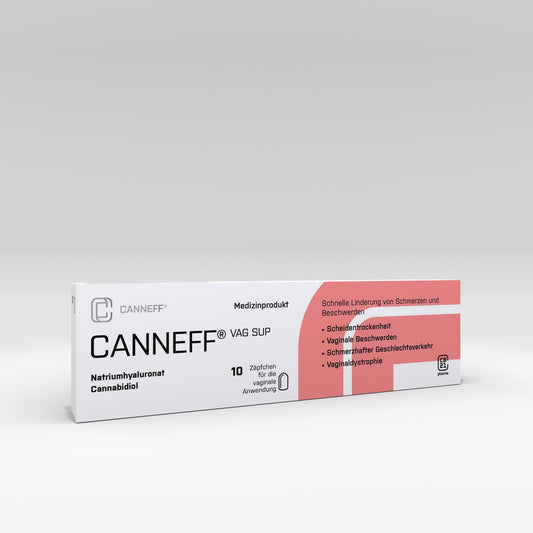
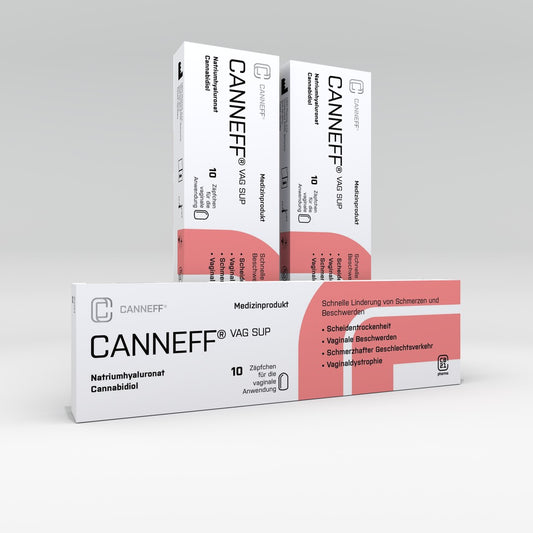
Scar formation and pain after pelvic floor surgeries. For rapid healing of wounds and injuries after surgeries, the following can also be used CANNEFF vaginal suppositories with CBD and hyaluronic acid can be used supportively.
Allergic reactions
Allergies to contraceptives:
Reactions to contraceptive foams, gels, or latex condoms.
Skin reactions:
Due to unsuitable soaps or excessive intimate hygiene.
Psychological and psychosomatic causes
Psychological problems:
Fear, stress, or a previous trauma.
Fear of contact or attachment:
Fear of intimacy or unwanted pregnancy.
Unconscious fears:
After unpleasant experiences.
High anticipatory anxiety:
Especially with inexperienced sexual partners.
Hormonal changes and menopausal syndromes
Urogenital menopausal syndrome:
Changes in the vagina and urinary tract during menopause.
Premenstrual syndrome:
Monthly hormonal fluctuations due to PMS, which can be accompanied by various symptoms.
Physical injuries and complications
Injuries in the genital area:
Trauma or surgical interventions.
Furuncle or folliculitis:
Painfully inflamed hair follicles in the genital area.
Other conditions
Lack of sexual arousal:
Leads to insufficient moisture (lubrication disorders) and pain.
Myofascial pain:
Muscle and fascial pain in the pelvic area.
Growths in the pelvis:
Fibroids, tumors, and ovarian cysts.
Chronic adnexitis:
Inflammation of the uterine appendages.
Levator ani syndrome:
Former term: Vaginismus, pain due to muscular tension.
How the doctor treats pain during sexual intercourse
If the pain during sexual intercourse is due to an organic cause, the doctor will initiate targeted treatment. In cases of reduced vaginal moisture due to a lack of female sex hormones, for example after menopause or ovary removal, the doctor may prescribe an estrogen-containing cream to relieve the symptoms.
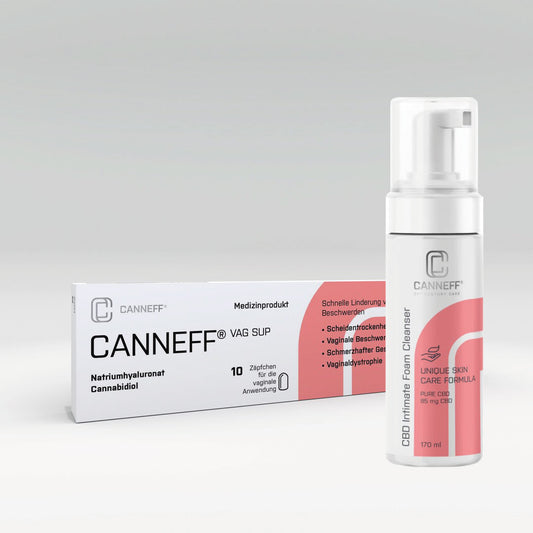
For women who cannot or prefer not to use hormone-containing products for medical reasons, hormone-free alternatives are available. These include gels, creams, or suppositories such as CANNEFF vaginal suppositories with CBD and hyaluronic acid, which are specially developed to treat vaginal dryness.
For pain caused by inflammation or infections in the genital area, the doctor prescribes appropriate medications. Fibroids and cysts can sometimes be treated medically; if this is not sufficient, surgical removal may be necessary.
Surgical interventions are necessary in severe cases of uterine prolapse, while in milder cases, pelvic floor exercises or the insertion of a pessary may often be sufficient.
For vaginal spasms (vaginismus), counseling with the partner, behavioral therapy measures, and exercise programs such as the gradual insertion of dilators combined with lubricants can be helpful.
If the pain during sexual intercourse has psychological causes, psychotherapeutic treatment is recommended to also address the underlying trauma.

Self-help for pain during intercourse
The following tips offer initial suggestions for possible solutions but do not replace advice from a therapist.
Intimate care and textiles
Cleaning:
Usually, cleaning the intimate area with clear water is sufficient. Avoid direct use of soaps, foams, shower lotions, intimate sprays, and shampoos. Also, ensure that no care products unintentionally enter the intimate area during bathing or showering.
Hygiene:
Always wash the intimate area from front to back to prevent infections.
Avoiding unsuitable products:
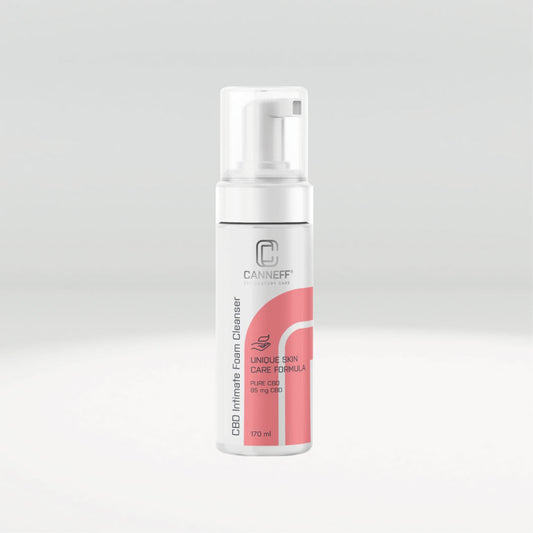
Do not use creams, gels, or ointments in the intimate area unless they are expressly intended for this purpose. We recommend the specially developed product CANNEFF intimate care foam.
Clothing:
Wear loose clothing that does not constrict the crotch area, especially in heat or when experiencing discomfort. Lightweight cotton fabrics are particularly suitable.
Laundry care:
Wash underwear with detergents free of brighteners, perfume additives, or hygiene softeners, and rinse thoroughly with clear water afterward.
Contraception
Contraceptives:
Women prone to pain during intercourse should avoid chemical contraceptives and condoms with spermicide coating. Consult your gynecologist about the contraceptive methods best suited for you.
Dealing with hustle and stress
Time and tenderness:
To have a positive sexual experience, sufficient time and tenderness are crucial. Take the time you need to get in the mood. An understanding partner will accept if you want to take a break first during high stress. Persistent stress negatively affects body and mind, so regular recovery periods are essential.
Exercise:
Physical activities like jogging or cycling can help reduce stress and recharge energy. Some people enjoy sharing these activities with their partner, while others prefer to relax alone, read, listen to music, meditate, or let their thoughts wander.
Self-determination and mindfulness
Focus on the clitoris:
The clitoris is a central erogenous zone in women. When a partner pays enough attention to it, this can significantly increase pleasure. Petting, or intimacy without intercourse, can also be pleasant and fulfilling for many women.
Communication:
It is important to do what you and your partner enjoy. Open communication about desires and needs can enrich the shared sexual experience.