

What does the term anal burning mean?
The symptom of anal burning is considered a distressing symptom and affects the anal area. Burning in the anus can have various causes. Often, burning occurs after bowel movements or alcohol consumption. However, if the anus burns, it can also be caused by serious proctological diseases. These include hemorrhoids, anal abscesses, and anal fistulas, anal fissures, anal eczema, but also proctitis or irritations in the anal area caused by certain foods, alcohol, or drugs. Read more here about the causes of anal burning or also anal burning after bowel movements.
The treatment of anal burning depends heavily on the underlying cause. If the cause is hemorrhoids or anal fissures, a conservative treatment with ointments, suppositories, sitz baths, and stool regulation can be chosen to relieve symptoms and accelerate the healing of tissue in the anal area.
In severe cases, depending on the condition, surgical interventions may also be necessary. If the anal burning is caused by an infection, antimicrobial medications may be prescribed. If the burning in the anus is an allergic reaction or dermatitis, treatment with topical corticosteroids may be required. However, it is advisable to seek medical advice for anal burning. If the anal burning is persistent or if other symptoms such as pain, anal itching, blood in the stool, or discharge or secretion around the anus are present, we strongly recommend consulting a doctor. They can make an accurate diagnosis and recommend and oversee appropriate treatment.
What factors lead to anal burning?
There are a variety of factors that can cause burning in the anus, most of which can be treated well. However, diagnosis can be challenging because many affected individuals seek medical advice late due to embarrassment. Since the skin in the anal and intimate area is very sensitive, anal burning is not an unusual complaint.
The most common causes of burning in the anal area are hemorrhoids, which, when inflamed, can cause a burning sensation in the anus. Hemorrhoids colloquially refer to congested and enlarged veins in the anal canal, which can lead to irritation, pain, bleeding, and burning.
Other causes of anal burning can be so-called anal fissures. Anal fissures are small tears in the skin or mucous membrane of the anal canal, which can be caused by hard stools, diarrhea, chronic constipation, or anal intercourse. Also, any anal eczema or anal abscesses can cause anal burning. Anal eczema are skin rashes that can be caused by moisture, irritants such as soap, wet wipes, or certain foods.
Another cause of anal burning is so-called proctitis. This is an inflammation of the glands in the anal canal, which can lead to a burning sensation in the anus.
So-called perianal abscesses or anal abscesses and also anal fistulas can cause burning in the anus. Additionally, irritation and a burning sensation in the anus can result from certain foods, alcohol, or drug use. In some cases, irritable bowel syndrome can also be responsible for the development of anal burning.
If your complaints and symptoms persist or even intensify, please see a doctor promptly to get an accurate diagnosis. Diagnosing the correct cause of anal burning is a prerequisite for initiating appropriate treatment and alleviating or eliminating the symptoms at their source. Read more about the causes of anal burning or the treatment of anal burning here.
What risk factors can lead to anal burning?
There are various factors that can lead to anal burning. A common risk factor is constipation. Constipation or hard stools can cause overstretching of the anal canal, thereby increasing the risk of anal burning due to an anal fissure. Prolonged diarrhea can also irritate the mucous membrane of the anal canal, which manifests as a burning sensation in the anus. Read more about anal burning after bowel movements here.
Certain foods, such as spicy seasonings, alcohol, and coffee, can also increase the risk of anal burning. This can lead to various skin irritations around the anus. These irritations or skin damage in the anal area can also be caused by scratching, rubbing, or wearing tight or synthetic clothing or underwear, which can subsequently cause anal burning. Poor or inadequate hygiene in the anal area can also lead to infections and consequently to burning at the anus as a symptom. Other risk factors include the already mentioned anal conditions such as hemorrhoids, anal fistulas, or anal fissures. Read more here about the causes of anal burning.
What is the connection between hemorrhoids and anal burning?
Hemorrhoids can lead to various symptoms in the anal area, including burning at the anus. When hemorrhoids become inflamed or enlarged, they can affect or even block the anal canal, making bowel movements difficult. Stool residues can also accumulate in the rectum, which can lead to increased irritation and inflammation such as proctitis or anal abscesses. Such fissures or inflammation can intensify or cause the burning sensation at the anus. However, anal burning can also occur independently of hemorrhoids and may have a variety of causes that should be clarified by a specialist during diagnosis. Some hemorrhoids can also regress without treatment, especially in early stages. Lifestyle changes and avoiding risk factors can help reduce hemorrhoids. However, if symptoms persist, a medical examination and possibly treatment are definitely advisable. Read more here about the causes of anal burning.
Can a fungal infection cause anal burning?
Yes, the moist environment created by sweat or synthetic underwear in the anal area can promote the growth of fungi, which can lead to anal burning as well as anal itching. A fungal infection in the anal area is called anal eczema and can cause various symptoms. These usually include primarily anal itching, but also anal burning or pain in the anal area. Fungal infections in the anal area can be caused by various factors. These include a weakened immune system, diabetes, antibiotic use, pregnancy, or tight underwear or clothing. A common cause is also the transmission of fungal spores through unprotected sexual intercourse. A fungal infection can also be promoted by excessive moisture or friction in the anal area. The moist environment can lead to an imbalance in the natural, local microbiome. A fungal infection usually needs to be treated with antifungal therapy. However, it is also important to treat the underlying cause to reduce the risk of reinfection. If you suspect a fungal infection, you should definitely consult a doctor to get an accurate diagnosis and initiate appropriate treatment for anal burning based on the cause. Read more here about the causes of anal burning.
To what extent can psychological factors cause anal burning?
Psychological factors such as stress, anxiety, or depression can play an important role in the onset and intensification of anal burning. Stress weakens the immune system and enhances inflammatory processes in the body, making the mucous membranes in the anus and rectal area more sensitive. This can promote not only anal burning but also anal itching. Additionally, some people tend to scratch excessively in the anal area during psychological stress, especially with anxiety disorders or obsessive-compulsive disorders. This often worsens the irritation around the anus and can cause further skin damage in the buttock fold, which also intensifies the burning in the anal region and increases the risk of further infections or anal abscesses. Stress and psychological burdens can also generally amplify physical symptoms. People suffering from high stress levels are often more susceptible to digestive problems such as constipation or diarrhea, which additionally irritates the mucous membranes in the anal area and thus increases the risk of anal burning. Read more here about the causes of anal burning.
What accompanying diseases occur around anal burning?
The possible accompanying diseases of anal burning are very diverse. These range from haemorrhoids, anal eczema, anal fissures, proctitis, to anal abscesses and anal fistulas, as well as urinary tract infections such as bladder infection or vaginal infection. Urinary tract infections can occur alongside or even before the burning sensation in the anus, as infections in the intimate area usually spread easily and quickly.
Hemorrhoids
By hemorrhoids we mean swollen veins in the area of the anus, which can be caused by excessive pressure or chronic constipation. They can cause pain, itching, and bleeding, which can affect anal burning.
Anal eczema
An anal eczema is an inflammatory skin condition in the area of the anus and can be caused by irritants such as moisture, friction, and sweat. Anal eczema can cause itching, burning, and pain at the anus, which can worsen anal burning.
Anal fissure
An anal fissure is a small tear in the skin around the anus and can be caused by constipation or trauma. Anal fissures can cause pain and bleeding at the anus, which can also worsen anal burning. An anal abscess and an anal fissure are two different but sometimes related conditions in the area of the rectum. Anal fissures can also develop when an anal abscess bursts through the tissue into the anal canal. A chronic or poorly healing anal fissure can also increase the risk of infection, which in rare cases can lead to an anal abscess. Open wounds or tears in the anal mucosa, as seen in an anal fissure, provide an entry point for bacteria.
Anal abscess and anal fistula
An anal abscess and an anal fistula are often closely related and can also be associated with the symptom of anal burning. An anal abscess is a purulent inflammation in the area of the anus caused by blocked glands or infections in the anal canal. If an anal abscess remains untreated, it can develop into an anal fistula, a connecting tract between the abscess cavity and the skin surface. This often leads to chronic complaints such as pain, anal itching, swelling, and also anal burning. The anal burning occurs due to the ongoing irritation and inflammation of the affected tissue in the anal canal, especially during the discharge of the anal abscess or fistula tract. Timely treatment of both conditions is essential to relieve the symptom of anal burning and to prevent further complications such as the chronic progression of an anal abscess into an anal fistula.
Proctitis
Proctitis is an inflammation of the mucous membrane of the rectum, which can be caused by various factors such as infections, inflammatory bowel diseases (e.g., Crohn's disease or ulcerative colitis), sexually transmitted diseases, or radiation therapy. A common accompanying symptom of this inflammation is anal burning. The burning sensation arises from irritation and damage to the sensitive mucous membrane in the rectum and anus. This inflammation leads to hypersensitivity, especially during bowel movements or direct contact with irritating substances in the stool. Additionally, proctitis can be accompanied by increased mucus discharge, which further irritates the skin around the anus and causes intensified burning. This connection between proctitis and anal burning makes treating the underlying inflammation, proctitis, crucial to relieve the anal burning and prevent further complications.
Urinary tract infections, bladder infection, and vaginal infection
A urinary tract infection can be caused by bacteria that enter the urethra and bladder. A urinary tract infection can cause symptoms such as burning during urination, frequent urination, and lower abdominal pain, which can also worsen burning anus. Read more here about bladder infection, or find comprehensive information here about vaginal infection.
If burning anus is persistent or severe, or accompanied by other symptoms, you should definitely see your doctor to get an accurate diagnosis and consequently start appropriate treatment.
How is the diagnosis of burning anus made by a doctor?
The diagnosis of burning anus by a doctor is made through a thorough medical history and physical examination of the anal region. First, the doctor asks the patient detailed questions about the symptoms, their occurrence, intensity, possible triggers, as well as previous medical history and pre-existing conditions. Questions about other complaints such as pain, anal itching, bleeding, or changes in bowel movements are also asked. Depending on the cause of the burning anus, the path to diagnosis can be lengthy and complex. In any case, an open conversation with a doctor about the entire symptom picture of burning anus should take place. Common taboo topics, such as stool and anal hygiene habits, should also be discussed with medical advice.
This is followed by a physical examination in which the doctor inspects the anus and surrounding area. Often, a rectal examination is also performed, during which the doctor carefully examines the rectum to detect inflammation, anal abscesses, anal fistulas, anal eczema, or other noticeable changes.
In some cases, additional diagnostic procedures such as endoscopy, examination of the anal canal with a special instrument, or further imaging techniques like ultrasound or MRI may be required to make an accurate diagnosis and identify possible underlying causes of anal burning. A stool sample may also be necessary in certain cases to rule out other possible causes such as infection or parasitic infection.
What examinations are performed to clarify anal burning?
Various examinations are necessary to clarify anal burning and determine the exact cause. The choice of necessary examinations usually depends on the severity of symptoms and individual medical history.
Medical history and rectal examination
In most cases, anal burning can be diagnosed through a thorough examination of symptoms and the patient's medical history. However, in some cases, further investigation may be necessary to better understand the cause of the anal burning. A rectal examination can be performed to detect abnormalities in the rectum or anal canal, such as hemorrhoids, anal abscesses, anal fistulas, or anal fissures. The anus and surrounding area are examined more closely to rule out other possible causes accordingly.
Endoscopy
Another method is endoscopy. An endoscopy of the anal canal and rectum can be performed to detect and rule out injuries or inflammations. It is usually not conducted as a standard examination for anal burning. Endoscopy is considered an invasive procedure that uses a thin, flexible tube with a camera and light at one end to examine the digestive tract. It is mainly used to diagnose diseases of the stomach, esophagus, small intestine, and large intestine. However, if an underlying condition is suspected that can be diagnosed by endoscopy, it may be performed as part of the evaluation of anal burning.
Stool culture
Additionally, a stool culture can be performed to identify bacteria or fungi that may cause an infection in the digestive tract. A stool sample is taken and examined in the lab for various types of bacteria and parasites. A stool culture can also help rule out other conditions such as inflammatory bowel disease or colon cancer.
Blood tests and allergy tests
In some cases, a blood test or allergy test may also be necessary. Blood tests can detect signs of inflammation or infection, while allergy tests can determine if certain foods or other substances trigger an allergic reaction that can also cause anal burning.
When should I see a doctor for anal burning?
If the anal burning persists permanently or worsens in intensity, or is accompanied by other symptoms, you should definitely see a doctor so they can make an accurate diagnosis and start appropriate treatment. A doctor’s visit is also advisable if the burning suddenly occurs or worsens and your body does not respond to over-the-counter treatments or home remedies. In cases of bleeding or severe pain in the anal area, you should seek medical consultation immediately.
How is acute anal burning treated?
For acute anal burning, various treatment options can be considered depending on the underlying cause.
Initially, local pain relief plays an important role. Local ointments, creams with lidocaine, or suppositories with certain pain-relieving or anti-inflammatory ingredients can help reduce anal burning and also anal itching.
Sitz baths can also help relieve pain and burning in the anus. Sitz baths promote blood circulation in the anal area. In cases of constipation or diarrhea, regulating bowel movements can also help reduce anal burning. A high-fiber diet combined with adequate fluid intake and, if necessary, the use of laxatives or other medications can support this. Read more here about burning after bowel movements.
Also avoid certain irritating substances to protect the anus and the mucous membrane in the anal canal. Various irritating substances such as spicy seasonings, alcohol, or tobacco can worsen anal burning and should therefore not be ingested or consumed. In some cases, medication may be necessary—for example, in the case of a fungal infection or hemorrhoids that are responsible for anal burning. Local or systemic antifungals that act against the fungal infection or anti-inflammatory medications may be used. It is important to note that these measures only provide temporary relief, and in cases of persistent or recurring anal burning, a precise medical diagnosis and treatment are essential. Read more here about the treatment of anal burning.
Which creams and ointments can be used to relieve anal burning?
There are various creams and ointments used to relieve anal burning. However, before starting treatment with creams or ointments, you should always consult your pharmacy or treating physician and be informed about side effects and interactions. Among the creams and ointments that can be used are local anesthetics. These ointments contain substances like lidocaine to temporarily relieve itching and burning. Lidocaine prevents the nerves in the anal region from transmitting stimuli, thus alleviating unpleasant symptoms such as anal itching in acute hemorrhoidal disease, which can also cause anal burning. Some ointments must be gently applied several times a day into the anal canal using the included applicator or thinly spread on the skin and mucous membrane areas to be treated. Additionally, corticosteroid-containing agents can also help. Such creams and ointments contain anti-inflammatory steroids like hydrocortisone, which reduce inflammation in the anal area and can relieve anal itching.
It is also important to strengthen and support the protective barriers of the skin in the anal area. There are creams and ointments that form a protective layer on the skin in the anal region, preventing irritation and additional friction. If a fungal infection is responsible for the anal burning, antifungal creams or ointments may also be prescribed.
Which suppositories can be used to relieve anal burning?
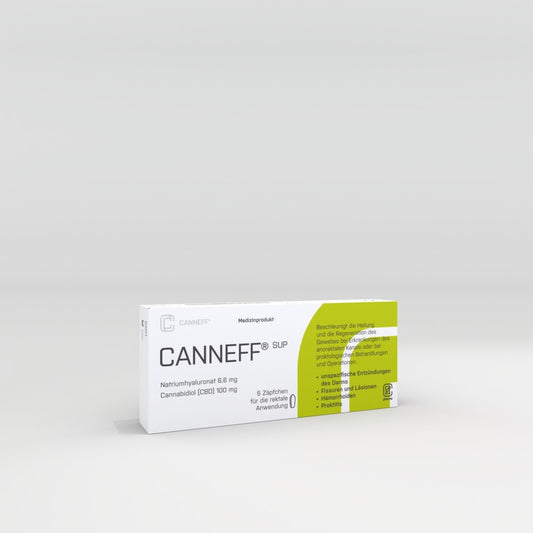
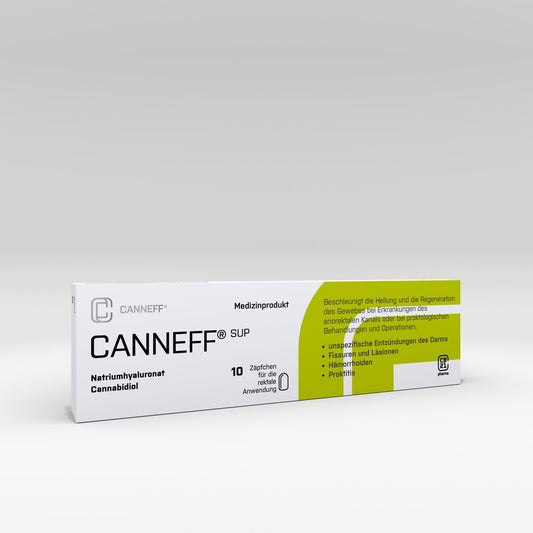
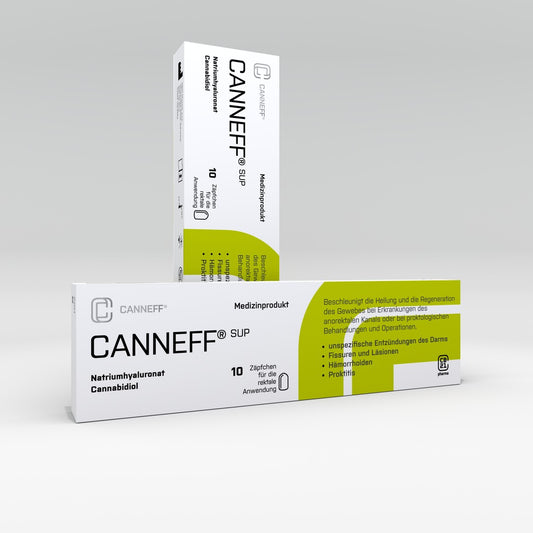
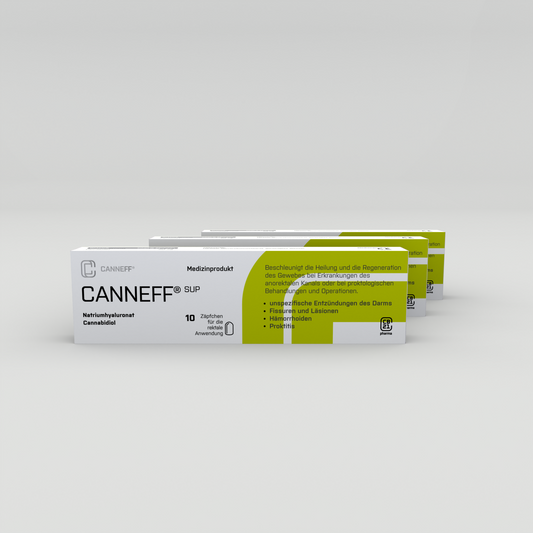
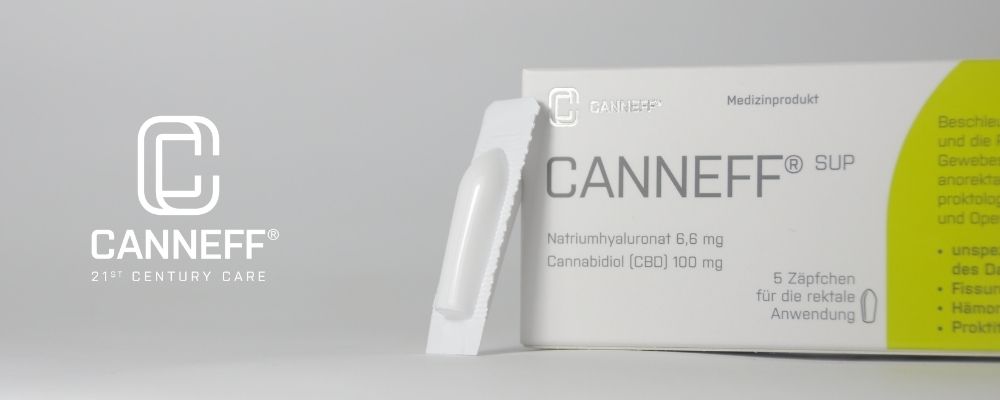
Another treatment option for symptoms like anal burning and anal itching are suppositories containing certain pain-relieving or anti-inflammatory active ingredients. CANNEFF® SUP suppositories are ideal for relieving pain, anal itching, and discomfort caused by hemorrhoids. CANNEFF® SUP suppositories are also recommended to support the healing of anal fissures and anal fistulas in the rectal area, as well as to aid the healing process after colorectal surgeries. They are also used to relieve nonspecific inflammations such as non-bacterial prostatitis, proctitis, and cryptitis. Proven use of CANNEFF® SUP.
CANNEFF® SUP suppositories contain a unique combination of hyaluronic acid and medical CBD (cannabidiol). This patented emulsion matrix with the combination of active ingredients plays an important role in modulating inflammatory processes and has a cell-protective effect. Hyaluronic acid, a natural polysaccharide in the human body, plays a crucial role in regulating moisture in the skin and connective tissue. It can bind enormous amounts of water, thereby supporting the stability and elasticity of tissues and mucous membranes in the anal canal. The patented active ingredient matrix guarantees the complete release of hyaluronic acid and provides 5 times better delivery than conventional rectal suppositories with hyaluronic acid. This unique combination of active ingredients in the CANNEFF® SUP rectal suppositories thus shows a synergistic effect. The medical CBD optimizes the environment for the action of hyaluronic acid, while hyaluronic acid maintains the moisture of the mucous membrane, thereby supporting healing and pain relief in injuries or inflammations in the rectal area, as well as after colorectal surgeries such as chronic anal fissures or anal fistulas. Read more here about the treatment of anal burning with suppositories.
Which home remedies can help with burning after bowel movements?
In most cases, you can also relieve burning after bowel movements to some extent with home remedies. These primarily include sitz baths. A warm—but not too hot—sitz bath with chamomile tea can help alleviate pain and burning in the anal area. Applying a cool compress or an ice pack to the affected area can also have a pain-relieving effect in the anal region. Correct sitting posture also reduces pressure in the anal area. Avoid sitting for too long on hard surfaces and use a special cushion to relieve the anus if necessary. It should be emphasized here that while home remedies can support relief, they should not replace medical treatment and diagnosis of the cause of burning after bowel movements. If your symptoms persist for a long time or even worsen, it is advisable to promptly consult your trusted doctor to investigate your anorectal complaints and initiate treatment tailored to your symptoms.
How can triggers of burning after bowel movements be avoided?
There are various measures that can help avoid triggers of burning after bowel movements. First and foremost, you should avoid spicy, acidic, and strongly seasoned foods, as these can further intensify the burning sensation after bowel movements.
Also, make sure to drink enough fluids to avoid constipation and reduce the associated burning sensation after bowel movements. In general, you should place great importance on a healthy and balanced diet. A diet rich in fiber, combined with sufficient fluid intake, can help promote digestion and thus prevent potential constipation.
Substances like alcohol or nicotine should definitely be avoided, as they can worsen the burning sensation after bowel movements. Also, pay attention to thorough cleaning of the anal area, as this can prevent further irritation and inflammation in the area. Tight-fitting clothing can cause friction and sweating, which in turn can worsen the symptoms of burning after bowel movements.
Avoiding these triggers and risk factors for anal burning may not be sufficient in all cases to completely eliminate the symptoms. If anal burning persists or is severe, you should definitely seek medical advice.
When should surgery be considered for chronic anal burning?
Surgical therapy for chronic anal burning can be a treatment option if all previous measures such as suppositories, ointments, creams, or other medications have not been successful. However, if the anal burning persists despite previous treatment, surgical therapy depends heavily on the underlying cause of the burning in the anal region.
It is therefore important to determine the exact cause of the anal burning. The medical diagnosis will show whether this burning sensation between the buttocks is caused by the presence of hemorrhoids, anal fissures, an anal fistula, or an anal eczema.
In many cases, surgery can relieve or completely eliminate the discomfort. A thorough diagnosis, possibly surgery, and prior conservative treatment, but in any case detailed information and consultation about anorectal surgery should be conducted beforehand. Depending on the cause or trigger of the anal burning, various surgical procedures may be performed.
One of the measures can be anal dilation. In this operation, the anal canal is widened to facilitate the passage of stool and reduce the risk of injuries and inflammation in the anal canal, such as anal fissures.
Alternatively, an anal fissurectomy can be performed. In this procedure, an anal fissure is surgically removed to relieve pain and inflammation and reduce the risk of the symptoms becoming chronic.
If hemorrhoids are responsible for the anal burning, a hemorrhoidectomy may be performed. This is a surgical procedure to remove hemorrhoids, recommended in severe and chronic cases.
Additionally, a sphincterotomy may be performed. In this operation, the anal sphincter, which controls bowel movements, is partially cut to reduce pressure on the anal canal and facilitate bowel movements.
If anal fistulas are the cause of anal burning, a doctor may recommend a fistulotomy. This is a surgical procedure to remove anal fistulas, which can occur in some cases of chronic anal burning.
How can I prevent anal burning?
Anal burning is unpleasant, but there are a number of effective measures to prevent the burning sensation in the anus.
High-fiber, wholesome diet
A high-fiber diet plays a central role in prevention. Foods rich in fiber support regular digestion and prevent constipation, which is often the cause of irritation and anal burning. At the same time, spicy seasonings and irritating foods should be reduced as they can worsen symptoms. Adequate fluid intake is also important. Drinking plenty of water helps keep stools soft and makes bowel movements easier, reducing strain on the anus.
Thorough anal hygiene
In addition to diet, good anal hygiene is crucial to prevent irritation: use mild water and a pH-neutral soap to gently clean the area after bowel movements.
Regular exercise to promote bowel function
Regular physical activity promotes healthy bowel function and reduces the risk of constipation, while excessive pressure in the anal area from prolonged sitting or straining during bowel movements should be avoided.
Overall, these measures help protect the sensitive skin in the anal area and prevent anal burning.