

Can bloating cause or worsen hemorrhoids?
Bloating itself is not a direct cause of hemorrhoids, but it can significantly worsen existing symptoms. The increased pressure in the abdominal area caused by bloating can lead to greater strain on the rectum, causing already enlarged hemorrhoids to expand or become inflamed. Also, strong straining during bowel movements—which is often triggered by bloating or irregular bowel habits—can promote the formation of hemorrhoids.
Why do bloating and hemorrhoids often occur together?
Bloating is caused by the accumulation of gases in the intestines, which can be promoted by certain foods, digestive problems, or an imbalanced gut flora. People with hemorrhoids often experience impaired bowel transit, which can lead to increased gas formation. Additionally, many sufferers tend to have unfavorable bowel habits such as prolonged sitting on the toilet or excessive straining—factors that equally worsen bloating and hemorrhoids.
Which foods cause bloating and promote hemorrhoids?
Certain foods promote gas formation in the intestines and can worsen symptoms of hemorrhoids. An adjusted diet can therefore help reduce bloating while simultaneously improving intestinal health.
|
Foods that promote bloating |
Foods that promote hemorrhoids |
|
Cabbage (broccoli, cauliflower, white cabbage) |
Highly processed foods |
|
Legumes (beans, lentils, peas) |
High-fat and fried foods |
|
Onions and garlic |
Refined flour products (toast, pastries) |
|
Carbonated drinks |
Alcohol and caffeinated beverages |
|
Artificial sweeteners (sorbitol, xylitol) |
Spicy seasonings and heavily seasoned dishes |
A high-fiber diet with plenty of vegetables, whole grains, and adequate fluid intake can reduce both bloating and hemorrhoids at the same time.
How can bloating be reduced with hemorrhoids?
Bloating can be avoided through targeted dietary adjustments and certain behaviors. The following measures can help:
-
Eating slowly and chewing thoroughlyto avoid swallowing air
-
Reduction of gas-producing foodsespecially cabbage, legumes, and carbonated drinks
-
Regular exerciseto promote bowel activity
-
Adequate fluid intake (at least 1.5–2 liters of water daily)
-
Avoidance of highly processed foods and sugar substitutes
Additionally, herbal preparations such as Fennel, anise, or caraway tea help reduce gas formation in the intestines.
Is there a connection between gut flora and hemorrhoids?
Yes, the gut flora plays a central role in gut health and can indirectly influence the development of hemorrhoids. A disturbed gut flora can promote digestive problems, frequent diarrhea, or constipation – factors that can in turn worsen hemorrhoids. Probiotic foods such as yogurt, sauerkraut, or kefir can help stabilize the gut flora and thus reduce both flatulence and hemorrhoid symptoms.
What role does digestion play in the development of hemorrhoids?
Healthy digestion is the key to preventing and relieving hemorrhoids. Poor digestion – whether due to constipation or chronic diarrhea – often leads to overstrain of the hemorrhoidal vessels. Diet plays a major role in this:
-
A low-fiber diet can lead to hard stools and increased straining, which favors hemorrhoids.
-
A excessive gas formation caused by gas-producing foods can increase pressure in the abdominal area and thus worsen discomfort.
-
A balanced gut flora promotes healthy digestion and reduces the risk of stool problems.
A conscious diet therefore helps to control the symptoms and prevent hemorrhoids.
Can flatulence cause pain with hemorrhoids?
Yes, flatulence can cause additional pain and discomfort in people with hemorrhoids. The bloated intestine presses on the rectum, which can lead to an unpleasant feeling of pressure or even sharp pain in the anal area. This is especially true if there are already inflamed or swollen hemorrhoids.
How does bloating affect bowel movements with hemorrhoids?
Bloating can make bowel movements difficult or even trigger more frequent urges. It is especially problematic when gas buildup is accompanied by diarrhea or constipation:
-
Bloating and constipation: Can lead to strong straining, which worsens hemorrhoids.
-
Bloating and diarrhea: Lead to frequent bowel movements, which irritate the sensitive anal area.
Regulated bowel activity is therefore essential to control both bloating and hemorrhoids simultaneously.
Are probiotics helpful against bloating and hemorrhoids?
Yes, probiotics can help against both bloating and hemorrhoids. They support the gut flora, improve digestion, and promote soft, regular bowel movements. Especially useful are:
|
Probiotic foods |
Effect |
|
Yogurt with live cultures |
Promotes a healthy gut flora |
|
Sauerkraut |
Reduces gas formation |
|
Kefir |
Supports digestion |
|
Kimchi |
Helps against constipation |
|
Probiotic supplements |
Stabilizes the gut flora |
Daily intake of probiotic foods can improve gut health and relieve symptoms such as bloating or hemorrhoids.
Which home remedies help against bloating with hemorrhoids?
There are numerous natural home remedies that can be effective against both bloating and hemorrhoids:
-
Fennel, anise, and caraway tea to reduce gas formation
-
Warm compresses or abdominal massages to soothe the intestines
-
Apple cider vinegar (diluted) to promote digestion
-
Flaxseeds or psyllium husks to regulate bowel movements
-
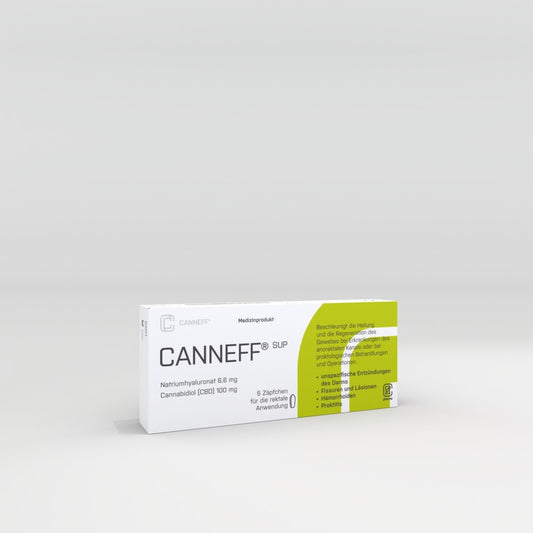
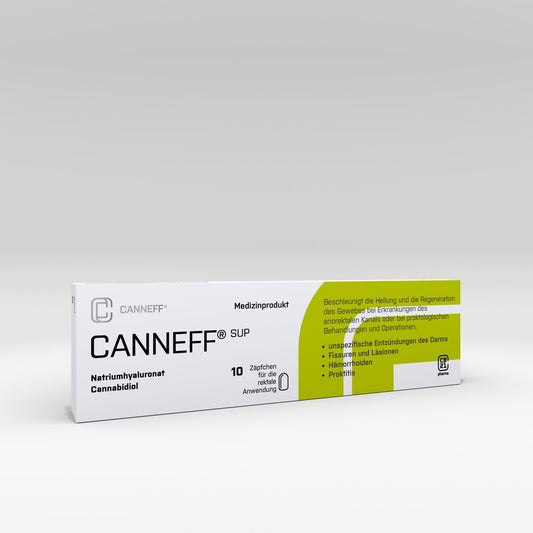
Aloe vera gel or CANNEFF® suppositories to relieve inflammation
A combination of healthy nutrition, sufficient exercise, and targeted digestive regulation can effectively treat both bloating and hemorrhoids.