

What treatment options are available for acute and chronic prostatitis?
The treatment of prostatitis depends on the form of the disease, whether it is acute bacterial, chronic bacterial, or chronic abacterial prostatitis (CPPS). Each form requires different approaches.
Acute bacterial prostatitis
Acute bacterial prostatitis usually occurs suddenly with severe symptoms such as fever, chills, and intense pain. It requires immediate medical treatment.
Therapy options:
- Antibiotics: Highly effective antibiotics such as fluoroquinolones or cotrimoxazole are prescribed for 2–4 weeks to completely eliminate the infection.
- Pain relief: Nonsteroidal anti-inflammatory drugs (NSAIDs) like ibuprofen help relieve pain and inflammation.
- Inpatient treatment: In severe cases, such as urinary retention or abscesses, hospitalization with intravenous antibiotic therapy is necessary.
Chronic bacterial prostatitis
Chronic bacterial prostatitis is characterized by recurring urinary tract infections and requires long-term treatment.
Therapy options:
- Long-term antibiotic therapy: Antibiotics are prescribed for 4–6 weeks. In some cases, repeated treatments are necessary.
- Supportive measures: Alpha blockers can help improve urine flow, while anti-inflammatory medications relieve discomfort.
Chronic abacterial prostatitis (CPPS)
CPPS is the most common form of prostatitis and is not caused by bacteria. The focus is on relieving symptoms and improving quality of life.
Therapy options:
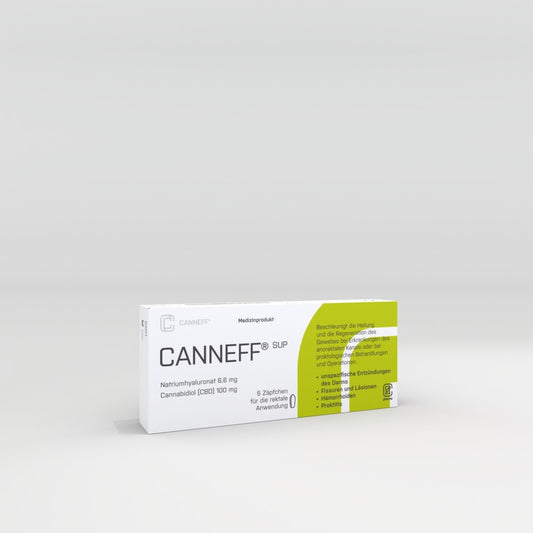
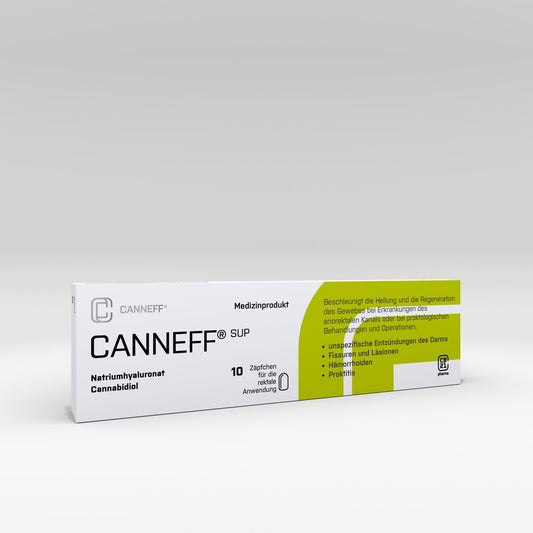
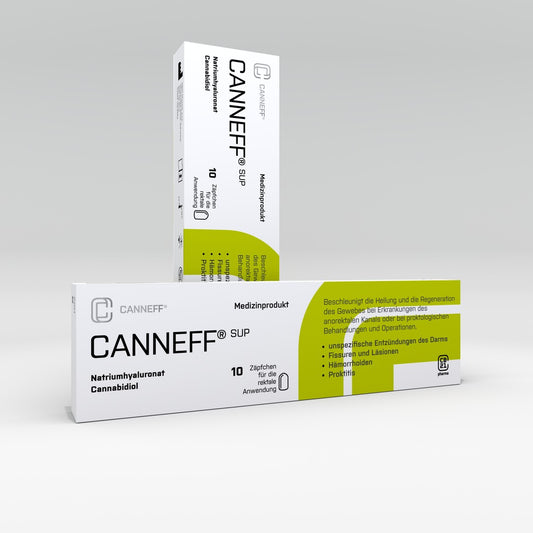
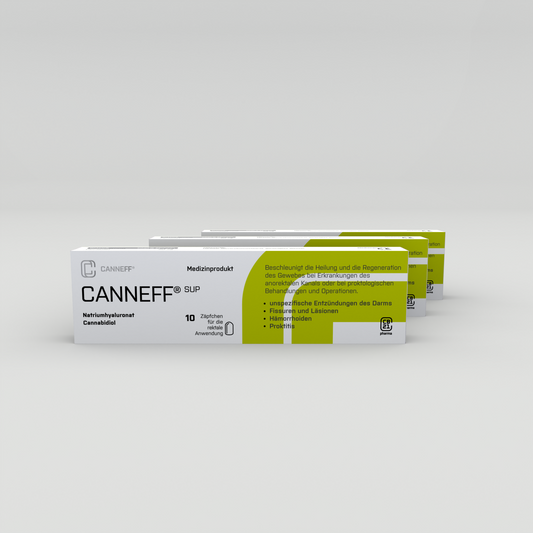
- CANNEFF® SUP suppositories: With CBD and hyaluronic acid, these suppositories have been proven to reduce local inflammation and relax the pelvic floor muscles. They can especially relieve pain and soothe the mucous membrane in CPPS.
- Alpha blockers: These medications relax the muscles of the prostate and bladder, which reduces the urge to urinate.
- Physiotherapy: Pelvic floor exercises help relieve tension and reduce chronic pain.
- Psychotherapy: Stress and anxiety can worsen CPPS symptoms. Cognitive behavioral therapy can help manage these factors.
Commonalities of therapy
Whether acute or chronic, prostatitis treatment always aims to relieve symptoms and prevent complications. Early diagnosis and individually tailored therapy are crucial for effective symptom management. Read more here about prostatitis symptoms or the doctor’s visit for prostatitis.
How long does treatment for prostate inflammation last?
The exact duration of treatment should be individually coordinated with a doctor, especially in chronic cases or unclear symptoms.
|
Type of prostatitis |
Duration of treatment |
Special considerations |
|
Acute bacterial prostatitis |
2–4 weeks |
Symptoms often subside quickly, but antibiotic therapy must be completed fully. |
|
Chronic bacterial prostatitis |
4–6 weeks or longer |
Frequent relapses, possibly combination therapies with alpha-blockers and anti-inflammatory agents. |
|
Chronic abacterial prostatitis (CPPS) |
Long-term, months to years |
Symptom-oriented treatment; CANNEFF® SUP suppositories can provide long-term relief. |
|
Asymptomatic prostatitis |
Usually no treatment necessary |
Therapy only for elevated PSA levels, infertility, or before surgical procedures. |
Which antibiotics are effective against prostatitis?
The choice of antibiotic for prostatitis depends on the type of inflammation and the detected pathogen. Antibiotics are essential, especially for bacterial prostatitis, to combat the infection and prevent complications such as a prostate abscess. Commonly used agents include fluoroquinolones like ciprofloxacin and levofloxacin, known for their good tissue penetration in the prostate. Alternatively, cotrimoxazole or tetracyclines like doxycycline may be prescribed, particularly for atypical pathogens such as chlamydia or mycoplasma.
In acute prostatitis, therapy is usually carried out for 2–4 weeks to completely eliminate the bacteria. Chronic bacterial prostatitis often requires a longer treatment duration of at least 4–6 weeks. Correct selection is based on an antibiogram to avoid resistance. Alpha blockers and anti-inflammatory drugs can be used concurrently to relieve symptoms.
In chronic abacterial prostatitis (CPPS), antibiotic therapy is usually not effective. Here, products like CANNEFF® SUP can play a supportive role by reducing pain and local inflammation.

When is hospital treatment necessary?
Hospital treatment is necessary for prostatitis if the course is severe or complications threaten. In particular, the following circumstances can make inpatient admission necessary in acute bacterial prostatitis:
Sepsis (blood poisoning): Symptoms such as high fever, chills, rapid heartbeat, and confusion indicate a systemic infection that requires immediate intravenous antibiotic therapy.
Acute urinary retention: If the inflamed prostate severely narrows the urethra, the bladder can no longer be emptied. In such cases, a suprapubic catheter is placed to drain the urine.
Abscess formation: An abscess in the prostate usually needs to be surgically drained, which is performed in the clinic.
Severe general symptoms: In cases of severe illness, pronounced pain, and no improvement with outpatient therapy, monitoring and intensive treatment are necessary.
Therapy with intravenous antibiotics: If oral antibiotics are insufficient or not tolerated, intravenous administration in the hospital is required.
Early medical evaluation is important to detect complications in time and adjust treatment. Read more here about the doctor's visit for prostatitis.
Which home remedies can help with prostatitis?
In the treatment of prostatitis, home remedies can play a supportive role, especially in relieving pain and promoting overall well-being. However, these measures should always be used as a complement to medically prescribed therapy.
Heat therapy
Heat can promote blood circulation and relieve muscle tension in the pelvic floor area:
Sitz baths: A warm sitz bath with chamomile or essential oils can be relaxing and anti-inflammatory.
Heat pad: Place a hot water bottle or a warm cherry stone pillow on the lower abdomen or perineum to relieve pain.
Nutrition
Certain foods can have anti-inflammatory effects and reduce discomfort:
Drink plenty: Adequate water or unsweetened herbal tea helps flush the bladder.
Anti-inflammatory foods: Turmeric, ginger, and omega-3 fatty acids (e.g., from fish or flaxseed) support the body in fighting inflammation.
Avoid irritants: Alcohol, caffeine, spicy foods, and fatty foods can worsen symptoms.
Pelvic floor relaxation
Excessive tension in the pelvic floor muscles can increase pain. The following measures can help:
Relaxation exercises: Gentle stretching exercises or yoga can relieve the pelvic floor.
Targeted physiotherapy: Pelvic floor massages or special exercises under guidance.
Herbal preparations
Saw palmetto: Traditionally used to support prostate health.
Nettle root: Can help with urinary complaints.
CANNEFF SUP as a supportive measure
For chronic abacterial prostatitis, CANNEFF® SUP suppositories containing CBD and hyaluronic acid can help reduce inflammation and soothe mucous membranes. These innovative medical products complement the effects of home remedies through local, targeted application.
How does the TULSA-Pro treatment work for chronic prostatitis?
The TULSA-Pro treatment is an innovative, minimally invasive therapy option specifically used for chronic prostate conditions, including chronic prostatitis. It uses focused ultrasound energy to precisely treat diseased tissue in the prostate without damaging healthy tissue.
Procedure of the TULSA-Pro Treatment
Imaging and planning: The treatment is performed under continuous MRI imaging, which allows exact visualization of the prostate. This enables doctors to tailor the procedure individually.
Ultrasound ablation: Targeted ultrasound energy is delivered via a transurethral applicator. This generates heat that destroys diseased prostate tissue.
Temperature control: During the procedure, temperature is monitored in real time to ensure precise tissue treatment and protect adjacent structures.
Preservation of healthy tissue: The controlled technology minimizes the risk of complications like incontinence or impotence by treating only diseased tissue.
Advantages of the TULSA-Pro treatment
Organ-preserving: Unlike complete prostate removal, the organ is preserved.
Precision: The treatment can be precisely targeted to affected areas of the prostate.
Low risk: The gentle method reduces the risk of side effects such as erectile dysfunction or incontinence.
Quick recovery: Patients report a comparatively short recovery time.
Applications for chronic prostatitis
The TULSA-Pro method is mainly used for therapy-resistant chronic prostatitis when conventional treatments like antibiotics or anti-inflammatory drugs do not provide sufficient relief. This method can be an alternative, especially for patients with recurring symptoms or significant pain.
Can physiotherapy help with prostatitis?
Yes, physiotherapy can be an effective complementary treatment for prostatitis, especially for chronic abacterial prostatitis (CPPS). It aims to relax the pelvic floor muscles, relieve tension, and improve blood circulation. These approaches can reduce pain and improve quality of life.
How does physiotherapy work for prostatitis?
Pelvic floor relaxation: Chronic tension in the pelvic floor, which often occurs with CPPS, is specifically relaxed. This helps reduce pressure on the nerves and surrounding structures.
Myofascial trigger point therapy: Painful muscle hardenings in the pelvic floor or lower back region are treated using manual techniques.
Biofeedback: Patients learn to consciously control the tension and relaxation of their pelvic floor muscles to achieve lasting relief.
Heat therapy: Local heat treatments can promote blood circulation and relieve muscle tension.
Stretching and relaxation exercises: Special exercises to loosen the pelvic region help improve mobility and function.
Benefits of physiotherapy for prostatitis
- Relieves pain in the pelvic and perineal area
- Improves bladder and sexual function
- Reduces muscular imbalances in the pelvic floor area
- Promotes relaxation and stress reduction, which often contributes to symptom improvement
Supplementation with CANNEFF SUP
CANNEFF® SUP suppositories containing CBD and hyaluronic acid can be an excellent complement to physiotherapy. CANNEFF® SUP suppositories have anti-inflammatory effects and relax the pelvic floor muscles. The combination of physiotherapy and CANNEFF® SUP can promote the healing process and further reduce symptoms. Read more here about the treatment of prostatitis with suppositories.
What role does nutrition play in the treatment of prostatitis?
Nutrition can play a supportive role in the treatment and relief of prostatitis symptoms. Certain foods and nutrients have anti-inflammatory effects, strengthen the immune system, and promote tissue regeneration. At the same time, foods that may promote inflammation or worsen symptoms should be avoided. Here you can also find more information about the causes of prostatitis, as well as measures to support the prevention of prostatitis.
Recommended foods for prostatitis
Fruits and vegetables rich in antioxidants: Tomatoes (rich in lycopene), berries, broccoli, and spinach can have anti-inflammatory effects.
Healthy fats: Omega-3 fatty acids from fish (e.g., salmon) and flaxseeds reduce inflammation.
Whole grains: Oats, quinoa, and brown rice promote digestion and help keep the gut healthy.
Legumes and nuts: Rich in zinc, which supports prostate function.
Probiotic foods: Yogurt, kefir, and fermented products like sauerkraut can promote gut health, which positively affects the immune system.
Foods to avoid with prostatitis
Spicy foods: Chili and spicy seasonings can irritate the prostate.
Caffeine and alcohol: These can irritate the bladder and worsen symptoms such as frequent urination.
Fatty and processed foods: These promote inflammation and impair blood circulation.
Sugar-rich foods: Sugar can promote inflammation and should be reduced.
Fluid intake for prostatitis
Adequate fluid intake is important to flush the bladder and prevent urinary tract infections. However, care should be taken to drink less in the evening to reduce nighttime urination.
When does a prostatectomy (removal of the prostate) become necessary?
A prostatectomy (removal of the prostate) becomes necessary when conservative treatments fail and severe complications occur. These include recurring prostate abscesses, chronic bacterial prostatitis with persistent symptoms, or severely impaired urine flow that could endanger other organs. It may also be considered in cases of suspected cancer when other therapies are insufficient.
However, the removal of the prostate is a serious procedure with risks such as incontinence and impotence. Therefore, it is rarely performed for chronic prostatitis. Read more here about prostatitis symptoms or the doctor's visit for prostatitis.