

What is blood in the stool?
The presence of blood in the stool or blood traces such as red blood on toilet paper often causes great anxiety and concern in patients. This symptom is common and can have many harmless causes. Serious diseases are less often the cause of blood in the stool. Assessing the appearance is crucial.
Symptoms - What types of blood in stool are there?
The color and appearance of blood in the stool provide clues about the location of the bleeding. Bright blood comes from the rectum, while black blood originates from the esophagus, stomach, or duodenum. It should be noted that blood does not necessarily have to be visible in the stool. If there is suspicion of bleeding in the gastrointestinal tract, a stool sample test for occult blood can be performed.
Red blood in stool (hematochezia)
Fresh blood on the anus or in the stool usually appears bright red. Dark red blood, either mixed with the stool or streaked on it, also generally indicates relatively fresh bleeding. Also, fresh blood on toilet paper after bowel movement. This condition is called hematochezia, and the bleeding source is usually in the middle or lower part of the gastrointestinal tract, also known as the GI tract. If the stool is evenly dark red, this may indicate heavier bleeding in the colon. Weaker bleeding, on the other hand, can leave jelly-like traces in the stool. Bright red streaks are often interpreted as a sign of fresh bleeding in the rectum, as typically seen in Hemorrhoids, Anal fissures or Anal vein thrombosis occurrence.
What does bright blood in the stool mean?
Bright or dark red blood in the stool, either mixed with the feces or streaked on top, indicates a relatively fresh source of bleeding. This phenomenon is called hematochezia. Typically, the bleeding source is located in the middle or lower part of the gastrointestinal tract. Since the blood is fresh, it has not been broken down or discolored by stomach acid or bacteria. The unchanged color of the blood suggests that the bleeding occurred shortly before leaving the body.
Black blood in stool (melena, tarry stool)
A black and shiny stool is called tarry stool (melena) and usually indicates bleeding in the upper gastrointestinal tract, between the esophagus and the duodenum. Stomach acid breaks down the red blood pigment hemoglobin into hematin, which causes the stool to appear black. If vomiting occurs simultaneously, the vomit may have a coffee-ground appearance, indicating bleeding in the upper digestive tract, often caused by stomach ulcers. Additionally, hemoglobin in the blood can be converted to hematin by intestinal bacteria after prolonged contact. Even lower gastrointestinal bleeding can cause melena if the intestinal contents move slowly through the digestive tract. Under certain circumstances, bleeding in the upper gastrointestinal tract can also lead to red (instead of black) blood in the stool, known as hematochezia. This can occur, for example, if medications reduce stomach acid production or if a large amount of blood passes quickly through the intestines.
Why blood in stool is not always visible – Occult blood in stool
If blood is present in the stool but not visible to the naked eye, this is medically referred to as occult blood in stool. In many cases, this diagnosis is made incidentally during a routine examination or when mucosal damage in the digestive tract is suspected.
The detection of occult blood in stool can be done using an immunological stool test, which detects even the smallest amounts of blood. In the past, the Hemoccult test was often used for this purpose.
How much blood in stool is "normal"?
The presence of blood in the stool is always considered an alarming sign, even if it occurs only rarely or once. Although only ten percent of those who test positive actually have cancer, immediate medical evaluation is essential. The possible causes of bloody stool are diverse and range from relatively harmless gastrointestinal infections to life-threatening colon cancer. Early diagnosis is crucial to determine the exact cause and initiate appropriate treatment. Read more here about blood in stool in colon cancer.
Blood in stool in infants
Even infants can have bloody stools. This is often caused by ingesting small amounts of blood that can occur during breastfeeding due to existing cracks in the nipple. This can manifest as bloody vomiting or visible blood in the stool. Small tears in the intestinal or anal mucosa are also common causes. These so-called fissures occur in infants due to particularly hard stools, as the mucosa of infants is still very sensitive. Diarrhea can also cause fissures. If blood in the stool recurs or the amount of blood increases, it is advisable to promptly visit a pediatrician.
Blood in the stool in older people
The cause of blood in the stool in older people should always be promptly examined by doctors, as some gastrointestinal diseases affect older people significantly more often.
Mucus in the stool
Mucus in the stool can also have various causes. If this phenomenon occurs only occasionally and temporarily, there is usually no cause for concern. However, mucous stool can also be a sign of serious diseases, including infections, inflammatory bowel diseases, cancers, or food intolerances. If mucous stool occurs rarely, i.e., less than once a week, dietary adjustments are initially recommended. Foods such as fermented vegetables, flaxseeds, berries, or herbal tea can have a positive effect on the intestines and stool. Foods harmful to the intestines, such as fast food, sugar, or alcohol, should be avoided. A healthier gut flora, increased nutrient intake, and higher fiber consumption can often lead to a spontaneous resolution of the problem. If the mucus in the stool changes color, immediate consultation with a doctor is indicated. Read more about the doctor's visit for blood in the stool here.
Causes - What triggers blood in the stool?
The causes of blood in the stool are varied but always result from bleeding in the digestive tract. Here, two areas can be distinguished.
Bleeding in the upper digestive tract
Blood in the stool can have various causes. Most often, gastrointestinal ulcers are the trigger, often caused by an infection with the bacterium Helicobacter pylori. Long-term use of certain medications such as acetylsalicylic acid can also promote bleeding. Chronic heartburn can lead to inflammation of the esophagus, known as reflux esophagitis. It can also bleed. Liver diseases can lead to esophageal varices due to disturbed blood flow. If they rupture, they can cause life-threatening bleeding. Severe vomiting, especially with pre-damaged esophageal mucosa as in Mallory-Weiss syndrome, can also lead to bleeding. Finally, stomach cancer can be a serious cause of blood in the stool. In this case, immediate medical attention is required.
Bleeding in the middle and lower digestive tract
Blood in the stool can have various causes, especially when it affects the middle and lower digestive tract. Tumors, both benign and malignant, in the small or large intestine are a common source of bleeding in these areas. In addition to tumors, chronic inflammatory bowel diseases such as Crohn's disease and ulcerative colitis, especially in younger people, are significant causes of blood in the stool. Crohn's disease can cause inflammation throughout the digestive tract, while ulcerative colitis primarily affects the large and rectum. Colon polyps, mostly benign protrusions of the colon mucosa, can also bleed, especially when they grow larger. Due to the risk of cancer, they are often removed, which can sometimes lead to secondary bleeding. Another cause is diverticula, outpouchings of the intestinal wall that can become inflamed and bleed (diverticulitis). Infections, from common gastroenteritis to more severe diseases like typhoid, can also cause blood in the stool, often accompanied by diarrhea and mucus. Pseudomembranous colitis is a severe form of colon inflammation that often occurs after long antibiotic treatments. It frequently leads to bloody diarrhea and severe abdominal pain. Hemorrhoids, which can easily tear during hard bowel movements, are another common cause of fresh, bright red blood in the stool. A mesenteric infarction, that is, an acute blockage of an intestinal vessel, can cause blood in the stool in older people. There are many possible causes. Therefore, it is important to have blood in the stool medically examined. This way, the cause can be diagnosed and treated accordingly. Read more here about the causes of blood in the stool.
Diseases with Blood in the Stool
Blood in the stool is a common symptom that can indicate a range of conditions in the digestive tract. From infections and inflammations to tumors and chronic bowel diseases—the causes are diverse. This symptom should never be ignored, as it is often an early warning sign of serious health problems.
Hemorrhoids and Blood in the Stool
Hemorrhoids are swollen blood vessels in the lower part of the rectum and anus that often cause bleeding during bowel movements. This blood is typically bright red and usually appears on the toilet paper or directly in the toilet bowl. Hemorrhoids often develop due to increased pressure in the lower veins, which can be promoted by chronic constipation, pregnancy, prolonged sitting, or standing. Read more here about blood in the stool during pregnancy. The main complaints include bleeding after bowel movements, anal itching, anal burning, pain, or discomfort in the anal area. In some cases, hemorrhoids can also protrude or become inflamed, leading to further complications.
Anal Fissures and Blood in the Stool
Anal fissures are small tears or cracks in the mucous membrane of the anal canal, often causing severe pain and bleeding during or after bowel movements. The blood is typically bright red and appears on the toilet paper or drips into the toilet bowl. These fissures usually result from overstretching of the anal canal caused by hard or dry stool during constipation. Other risk factors can include diarrhea, inflammation, or childbirth. The main signs of an anal fissure, besides bleeding, are severe pain during bowel movements and anal burning. The pain can also persist after using the toilet and affect the area around the anus.
Tumors and Blood in the Stool
Tumors in the digestive tract, including benign polyps and malignant tumors such as colon cancer, can cause blood in the stool. The blood traces can range from visible bright red streaks to dark, tarry stools depending on the tumor's location and the extent of surrounding tissue involvement. Tumors can arise from various factors, including genetic predisposition, dietary habits, and environmental influences. Symptoms vary, but blood in the stool is one of the most common signs that should not be ignored. Read more here about blood in stool in colon cancer.
Stomach ulcers and blood in stool
Stomach ulcers are often caused by an infection with the bacterium Helicobacter pylori. Treatment usually involves antibiotics. To reduce stomach acid and protect the damaged stomach lining from further damage that can lead to bleeding, proton pump inhibitors (PPIs) are also used.
Esophageal varices and blood in stool
Esophageal varices are dilated veins in the esophagus caused by increased pressure in the portal vein. This condition is often treated with blood pressure-lowering medications. Ruptures of these varices can lead to severe bleeding, which may appear as bright or dark blood in the stool, a condition requiring immediate medical attention.
Chronic inflammatory bowel diseases and blood in stool
Diseases such as Crohn's disease or ulcerative colitis often cause inflammation that can lead to blood in the stool. Treatment usually involves anti-inflammatory medications, including glucocorticoids.
Crohn's disease and blood in stool
Crohn's disease refers to a chronic inflammation of the gastrointestinal tract that usually occurs in flare-ups. Typical symptoms include abdominal pain and severe diarrhea, which in some cases is accompanied by blood in the stool.
Ulcerative colitis and blood in stool
Ulcerative colitis refers to a chronic inflammation of the colon that typically occurs in flare-ups. A characteristic symptom during a flare is diarrhea containing blood and mucus. Additionally, pain often manifests, especially in the lower left abdomen.
Diverticulitis and blood in stool
Inflamed protrusions of the intestine that can cause bleeding are often treated with antibiotics and anti-inflammatory medications. In severe cases, surgery may be necessary to remove the affected section of the intestine.
Mesenteric infarction and blood in stool
An acute blockage of a bowel vessel, sometimes referred to as mesenteric infarction, is sometimes accompanied by the appearance of blood in the stool. This condition mainly affects older people. In some cases, blood in the stool can be observed in patients with this condition.
Infections and blood in the stool
Infections, which can manifest in a variety of forms ranging from common stomach flu to serious diseases such as typhoid, yersiniosis, bilharzia, or bacterial dysentery, can cause bleeding in the digestive tract. This is usually accompanied by diarrhea, and occasionally mucus as well as blood can be found in the stool.
Gastroesophageal reflux disease and blood in the stool
In gastroesophageal reflux disease, part of the stomach acid flows back into the esophagus. Affected individuals suffer from heartburn and pain behind the breastbone, which often worsens when lying down. Severe cases can lead to bleeding in the upper digestive tract and cause blood in the stool.
Pseudomembranous colitis and blood in the stool
Pseudomembranous colitis and blood in the stool are closely associated. This form of colitis manifests as a result of an excessive proliferation of specific gut bacteria, especially Clostridium difficile, usually as a reaction to prolonged antibiotic therapy. Typical symptoms are severe abdominal pain and diarrhea, often accompanied by blood in the stool.
Colon polyps as well as malignant diseases such as colon cancer and blood in the stool
Polyps are usually surgically removed to minimize the risk of bleeding. In the case of colon cancer, surgery, chemotherapy, and radiation therapy are primarily used to combat the growth and spread of the cancer and to treat associated bleeding. Read more here about blood in the stool with colon cancer.
Medications and blood in the stool
Taking certain medications can cause bleeding in the digestive tract, which is noticeable through blood in the stool. The most common triggers include nonsteroidal anti-inflammatory drugs (NSAIDs) such as ibuprofen and aspirin. These medications can irritate or damage the stomach lining.
Read more here about blood in the stool with diarrhea.
Diagnostics - How do I recognize blood in the stool?
Blood in the stool is a symptom that can indicate various gastrointestinal problems, from harmless conditions such as Hemorrhoids up to more serious diseases such as colon cancer. It is important to know how to recognize blood in the stool in order to take appropriate medical measures in time.
What does blood in the stool look like?
These signs indicate blood in the stool:
If you have red streaks in the stool, fresh blood on the toilet paper, blood drops in the toilet bowl, or reddish-colored water after bowel movements, this could indicate bleeding in the lower digestive tract. These symptoms should not be ignored but should be examined promptly by a doctor.
Possible confusions with blood in the stool
Certain foods can discolor the stool and thus create the impression of blood in the stool. For example, beets leave dark red traces in the stool that can easily be mistaken for hematochezia. Blueberries and licorice can also turn the stool black, similar to tarry stool (melena). Furthermore, medications such as charcoal and iron tablets can cause black discoloration of the stool.
When should I see a doctor for blood in the stool?
Blood in the stool should always be taken seriously, even if no other symptoms like pain are present. Although the bleeding often stops on its own and the causes are usually harmless, it is important to identify the source of the bleeding and rule out a serious disease. Read more here about the doctor visit for blood in the stool.
Special attention is required if additional symptoms occur, such as:
Stomach or abdominal pain and blood in the stool
The simultaneous occurrence of stomach or abdominal pain and blood in the stool can indicate a serious digestive tract disease. It is important to understand the possible causes and the urgency of a medical examination.
Pain during bowel movements and blood in the stool
Pain during bowel movements combined with blood in the stool can indicate various health problems that require medical evaluation.
Nausea and vomiting, possibly with blood admixtures and blood in the stool
Nausea and vomiting, especially when accompanied by blood or blood in the stool, are serious symptoms that require immediate medical attention. These symptoms can indicate various severe digestive system diseases
persistent fatigue and exhaustion and blood in the stool
Persistent fatigue and exhaustion combined with blood in the stool are symptoms that require immediate medical evaluation. This can indicate serious health problems, including gastrointestinal diseases such as HemorrhoidsDiverticulitis, inflammatory bowel diseases, or even colon cancer. Bleeding disorders, infections, or autoimmune diseases can also be the cause.
Severe, unexplained weight loss and blood in the stool
A significant, unexplained weight loss combined with blood in the stool is an alarming symptom that requires immediate medical evaluation. These symptoms can indicate serious health problems such as gastrointestinal diseases, bleeding in the gastrointestinal tract, or even colon cancer. It is essential not to ignore these symptoms but to seek medical help promptly to identify the underlying cause and receive appropriate treatment.
Night sweats and blood in the stool
Symptoms such as night sweats combined with blood in the stool are concerning and require immediate medical evaluation. These symptoms can indicate serious health problems like gastrointestinal diseases, bleeding in the gastrointestinal tract, or even colon cancer. It is essential to take these symptoms seriously and seek medical treatment to identify the underlying cause and receive appropriate care.
Circulatory problems and blood in the stool
The occurrence of circulatory problems in connection with blood in the stool is a serious symptom that requires immediate medical examination. These signs can indicate various health issues, including gastrointestinal diseases, bleeding in the gastrointestinal tract, or even colon cancer. It is essential not to ignore these symptoms and to seek medical help promptly to determine the underlying cause and receive appropriate treatment. A precise diagnosis and the corresponding therapy can only be made and recommended by a doctor.
Bleeding in the digestive tract can lead to anemia over time and always requires medical evaluation and treatment. Early detection and treatment of the causes of blood in the stool can be crucial to avoid serious health problems.
What does the doctor do when there is blood in the stool?
If you notice blood in your stool, an immediate medical examination is necessary to identify the underlying cause. The diagnosis begins with a detailed medical history, during which the doctor asks various questions to determine the symptoms and possible causes. Here are a few examples of questions you should be prepared to answer:
- Since when have the symptoms been present?
- What is the severity and frequency of the bleeding observed?
- What color is the blood?
- Are there additional symptoms such as abdominal pain, diarrhea, fever, or weight loss?
- Are there known pre-existing conditions or medication use?
- Has there been a recent trip to tropical regions?
A medical history is taken first as part of the physical examination to record the patient’s medical history. Read more here about the doctor’s visit for blood in the stool or also blood in the stool with diarrhea.
Important examinations for blood in the stool
Then an inspection of the anus and a digital rectal examination are performed to identify simple causes such as Hemorrhoids or Anal fissures to identify.
A medical history is taken first as part of the physical examination.
Specialized diagnostic procedures for blood in the stool
Gastroscopy or colonoscopy is performed to visually assess the gastrointestinal tract. These procedures allow direct viewing of ulcers, polyps, tumors, and areas of inflammation, as well as tissue sampling if needed.
Video capsule endoscopy for blood in the stool
This method is especially suitable for examining the small intestine, as a capsule with an integrated camera is swallowed, which takes and transmits images of the digestive tract.
Double-balloon enteroscopy (DBE) for blood in the stool
Double-balloon enteroscopy (DBE) allows detailed examination of the small intestine by alternately inflating two balloons that guide the endoscope through the small intestine.
Imaging methods for blood in the stool
Imaging methods may also be used: To identify blockages, active bleeding, or other abnormalities, computed tomography (CT), ultrasound examinations, and selective arteriography may be employed.
Laboratory tests for blood in the stool
Blood tests are performed as part of the laboratory tests.
Blood tests for blood in the stool
Determination of inflammatory markers such as CRP, erythrocyte sedimentation rate, white blood cell count, and anemia by measuring erythrocytes and hemoglobin.
Stool tests: To identify infectious agents or to detect hidden blood in the stool.
Stool examination for blood in the stool
To identify infectious agents or to detect hidden blood in the stool.
A stool test is a medical examination in which various components of the stool are analyzed to obtain clues about diseases of the digestive tract. The basic steps and types of stool tests are outlined below:
There are different types of stool tests depending on what is to be diagnosed:
Occult Blood in Blood in the Stool
This test looks for hidden blood in the stool that is not visible to the naked eye. It is often used for early detection of colon cancer or other sources of bleeding in the digestive tract.
Pathogen Test for Blood in the Stool
For diagnosing infections caused by bacteria, viruses, or parasites. This is especially important for patients with symptoms such as diarrhea, fever, and abdominal pain.
Fat Determination Test: for Blood in the Stool
A test to measure the fat content in the stool can help diagnose diseases that impair fat absorption, such as pancreatitis or celiac disease.
Elastase Test for Blood in the Stool
This test measures the enzyme elastase in the stool and is helpful in diagnosing pancreatic function and diseases.
Calprotectin Test for Blood in the Stool
A marker for inflammation in the intestines, which is helpful in diagnosing and monitoring inflammatory bowel diseases such as Crohn's disease and ulcerative colitis.
How Does a Stool Test Work?
Sample Collection for Stool Test in Blood in the Stool
The first step in a stool test is collecting the stool sample. Usually, patients receive a special kit to collect a stool sample at home. This sample is then hygienically collected in a container and securely packaged and transported according to the doctor's or laboratory's instructions.
Evaluation of the Stool Test for Blood in the Stool
Once the sample arrives at the laboratory, it is analyzed according to the required tests. Modern laboratories use various chemical, microscopic, and biotechnological methods to identify specific markers or pathogens.
Stool Test Result Report for Blood in the Stool
The results of the stool test are ultimately sent to the treating physician, who interprets them in the context of the patient's symptoms and medical history. Based on these results, the doctor can make a diagnosis and, if necessary, initiate treatment.

Therapy - How is Blood in the Stool Treated?
Blood in the stool is always a symptom of a disease and therefore requires an accurate diagnosis to initiate the correct treatment. Acute and severe bleeding requires immediate treatment to prevent blood loss and life-threatening situations.
Acute Treatment of Bleeding in the Digestive Tract
In cases of severe bleeding in the digestive tract, patients are initially placed in a flat position and supplied with oxygen via a nasal tube. To quickly replace lost blood volume and prevent shock, blood transfusions and, if necessary, blood substitutes are administered.
Immediate treatment involves prompt hemostasis. Various endoscopic procedures are available to stop the bleeding.
Hemoclip
The use of the hemoclip involves placing a clip that closes the bleeding site.
Injection of adrenaline solution or fibrin glue
These substances cause constriction of blood vessels or promote blood clotting directly at the bleeding site.
Laser therapy
Sclerotherapy of the bleeding source using laser.
Purse-string suture: a minimally invasive procedure where sutures are placed around the bleeding vessels.
Rubber band ligation
Ligation of bleeding vessels (e.g., in esophageal varices or hemorrhoids) using a rubber band.
Treatment of disease with blood in stool
Treating the underlying causes is an essential part of therapy. After the bleeding is controlled, the underlying cause must be treated to prevent future bleeding.
Treat hemorrhoids with blood in stool
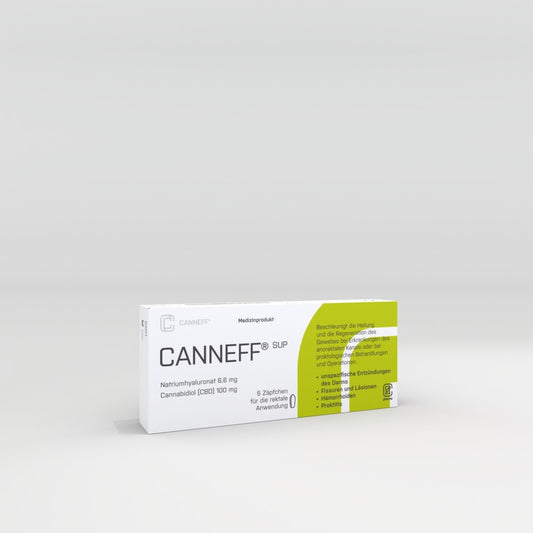
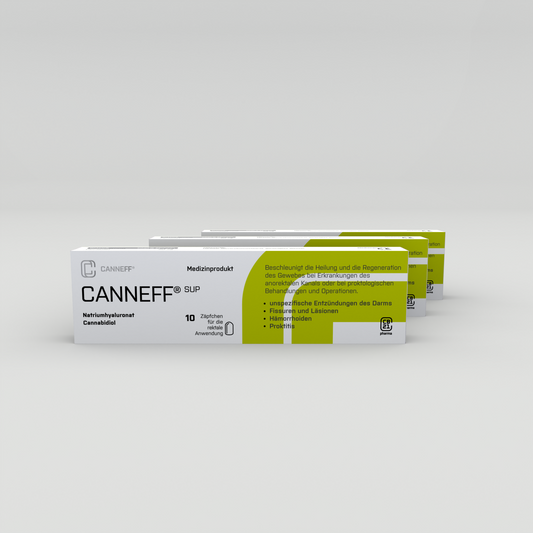
For Hemorrhoids Depending on the severity of the disease, pain-relieving, anti-inflammatory, or surgical treatment methods are applied. Innovative medical products such as CANNEFF SUP suppositories with CBD and hyaluronic acid can accelerate healing and tissue regeneration in hemorrhoids as well as relieve pain.
Treat anal fissures with blood in stool
For Anal fissures focuses on pain-relieving and anti-inflammatory treatment methods that can accelerate the healing of mucosal injuries. Innovative medical products such as CANNEFF SUP suppositories with CBD and hyaluronic acid can accelerate healing and tissue regeneration in anorectal canal diseases as well as relieve pain.
Treat stomach ulcers with blood in stool
For stomach ulcers, treatment includes antibiotics against Helicobacter pylori and proton pump inhibitors to reduce stomach acid.
Treat esophageal varices with blood in stool
For esophageal varices, therapy with blood pressure-lowering medications is used to reduce portal vein pressure.
Treat chronic inflammatory bowel diseases with blood in stool
For chronic inflammatory bowel diseases, therapy with anti-inflammatory drugs such as glucocorticoids is indicated.
Treat diverticulitis with blood in stool
For diverticulitis, antibiotic and anti-inflammatory treatment is recommended, while in severe cases, surgical removal of the affected bowel segment should be considered.
Treating colon polyps and tumors with blood in stool
Colon polyps and malignant diseases are further indications for drug therapy. Another treatment option may be surgical removal of the affected tissue, which can be supplemented by chemotherapy or radiation therapy if necessary. Early detection and comprehensive treatment of these conditions are crucial to ensure the health and well-being of patients.
Which doctor is responsible for blood in stool?
A variety of specialists can be consulted for blood in the stool, depending on the underlying cause and possible accompanying symptoms. Usually, the family doctor is the first point of contact for examination and advice. Depending on the suspected diagnosis or the need for further investigations, other specialists may also be involved. The choice of the appropriate doctor depends on individual symptoms, medical history, and the family doctor's recommendations. Your family doctor will refer you to the responsible specialist. Read more here about the doctor visit for blood in stool.
Proctologists for blood in stool
Proctologists specialize in diseases of the rectum and can assist with problems such as Hemorrhoids or Anal fissures help.
Coloproctologists for blood in stool
Coloproctologists have expertise in diseases of the colon and rectum and can be consulted in more complex cases of blood in the stool.
Gastroenterologists for blood in stool
Gastroenterologists specialize in diseases of the gastrointestinal tract and can assist in diagnosing and treating bowel diseases such as ulcerative colitis or Crohn's disease.
Dermatologists for blood in stool
Dermatologists are skin doctors who can be consulted for certain skin conditions like anal eczema, also called perianal dermatitis, in connection with blood in the stool.
Surgeons for blood in stool
In cases where surgery is required to treat the underlying cause of blood in the stool, such as colon cancer, consulting a surgeon may be indicated.
Gynecologists for blood in stool
In cases where bleeding from the genital area is the cause of blood in the stool, contact is made with gynecologists.
Urologists for blood in the stool
Urologists are responsible when blood in the stool is associated with symptoms such as blood in the urine or urinary tract diseases.
Frequently asked questions about blood in the stool
The following questions are often asked when blood in the stool is detected.
When is blood in the stool dangerous?
It does not matter how much or how often blood is seen in the stool. It is always a serious warning sign and can indicate diseases such as stomach ulcers or even cancer. Always have blood in the stool medically evaluated and do not ignore it, even if there are no other symptoms.
What can cause blood in the stool?
There are various causes of bright or dark blood in the stool: Hemorrhoids, Anal fissures, gastrointestinal ulcers, chronic inflammatory bowel diseases, or serious conditions such as colon cancer. Read more about the causes of blood in the stool here.
How quickly should you see a doctor for blood in the stool?
If you notice blood in your stool, do not hesitate to see a doctor. This symptom can indicate serious health problems and should not be ignored or treated on your own. Early medical examination is important to clarify the causes and discuss appropriate treatment options.
Is blood in the stool an emergency?
Although blood in the stool is not usually an immediate medical emergency, it is a serious symptom that should always be evaluated by a doctor. Warning signs of an emergency include repeated black stools, which may indicate bleeding in the upper digestive tract, as well as repeated bloody diarrhea. In these cases, immediate medical attention is required.
Can stress cause blood in the stool?
Stress can indirectly lead to blood in the stool by promoting the formation of ulcers in the gastrointestinal tract, which can bleed. Additionally, stress can negatively affect digestion, leading to harder stools and constipation. These conditions increase the risk of bleeding at the anus due to Anal fissures. Therefore, it is important to identify and minimize stress factors to promote digestive health and reduce the risk of bleeding.
Can blood in the stool also be harmless?
The causes of blood in the stool are varied and include both harmless conditions such as Hemorrhoids or small tears in the rectum (Anal fissures) as well as serious diseases such as colon cancer. Although bleeding for these reasons is often unproblematic, it is important not to take it lightly. Even if there are no other symptoms, the occurrence of blood in the stool should always be examined by a doctor. This symptom can also be a sign of serious diseases such as colon cancer or gastrointestinal ulcers. Early diagnosis is crucial for treatment and can be life-saving in many cases. Read more here about Irritable bowel syndrome and blood in the stool.
Prevention - preventing blood in the stool
If blood is noticed in the stool, it is crucial to seek medical help immediately. The exact cause can only be determined by a doctor, and appropriate treatment can therefore only be initiated by a doctor. Additionally, it is possible to take measures yourself to support therapy and prevent further bleeding.
Supporting medical treatment for blood in the stool
In the case of a diagnosed acute stomach ulcer, it is advisable to avoid potential irritants to the stomach lining. Potential triggers include coffee, nicotine, alcohol, spicy seasonings, and stress. It is recommended to discuss with the treating physician which additional supportive measures can be taken.
Prevention of bleeding in the gastrointestinal tract
Nutrition for blood in the stool
A plant-based diet rich in fruits and vegetables such as apples and carrots can reduce the risk of stomach and intestinal cancer. It is recommended to reduce the consumption of red meat and processed sausages. Fiber is another important factor in preventing bleeding in the gastrointestinal tract. It is recommended to regularly include fiber-rich foods such as whole grains in the diet to promote digestion. A low-fat diet should be preferred, as high-fat foods can lead to excess stomach acid, which in turn can promote heartburn and ulcers. Avoiding alcohol and nicotine is also important, as these substances stimulate stomach acid production and should therefore be avoided.
Mental health with blood in the stool
Stress is a well-known risk factor for a variety of health problems. It is advisable to learn stress management techniques and look for ways to reduce everyday stress.
The combination of these measures not only supports therapy but also actively prevents further diseases.