

What is an anal fistula and how does it develop?
Anal fistulas are unusual tracts that form between the anal canal and the skin around the anus. These fistulas often develop as a result of an infection of the proctodeal glands in the anal canal with bacteria. However, chronic inflammatory bowel diseases such as Crohn's disease and ulcerative colitis can also promote their formation.
The proctodeal glands can become infected and eventually develop into a long tract that opens onto the skin around the anus. The fistula can take various paths to the skin surface and have different courses. For classification, anal fistulas are divided into five types based on their course in relation to the sphincter muscle:
- Intersphincteric anal fistulas (Type I): These are common and run between the internal and external sphincter muscles.
- Transsphincteric anal fistulas (Type II): These fistulas completely penetrate both sphincter muscles.
- Suprasphincteric anal fistulas (Type III): These are rare and run between the sphincter muscle and the pelvic floor muscles.
- Extrasphincteric anal fistulas (Type IV): These are extremely rare and do not involve the sphincter muscle; their origin lies outside the anal canal.
- Submucosal (subanodermal) anal fistulas (Type V): These run directly under the mucous membrane and do not affect the sphincter muscle.
Is an anal fistula dangerous?
An anal fistula is generally not a life-threatening condition but can be bothersome depending on the severity of the symptoms of the anal fistula. Some reports suggest that in rare cases, a carcinoma can develop in a fistula after many years, but there is no conclusive evidence of a direct link between untreated fistulas and cancer development.
How common is an anal fistula and who is most affected?
Anal fistulas occur relatively frequently, with an estimated 20 out of 100,000 people affected each year. Men are more commonly affected than women due to a higher number of proctodeal glands in the anal canal. Although the age group between 30 and 50 years is most at risk, anal fistulas can occur at any age.
What are the consequences of untreated fistulas?
Untreated anal fistulas usually do not heal on their own and can lead to repeated inflammations and anal abscesses. They can affect the rectum and lead to fecal incontinence in up to one-third of cases because the sphincter muscle at the anus can be damaged. Even after surgical treatment, there is a risk of fecal incontinence, especially if the sphincter muscle was not functioning properly beforehand. Although rare, long-lasting fistulas can develop into fistula cancer or fistula carcinoma. For this reason, timely diagnosis and appropriate treatment, usually through surgery, are important to avoid these complications and improve the patient's quality of life. Read more here about anal fistula treatment suppositories.
What causes anal fistulas?
Anal fistulas often develop as a result of an anal abscess, which is caused by a purulent inflammation due to bacteria. Anal fistulas and anal abscesses are essentially the same condition. The difference is that the anal abscess is an acute form accompanied by a encapsulated pus collection, while the anal fistula is the chronic form where the purulent fluid drains through a skin opening.
Risk factors include:
- Excessive consumption of heavily spiced foods, which can irritate the sensitive anorectal region.
- Lack of physical activity and prolonged sitting, which can lead to reduced blood circulation and increased pressure in the anorectal area.
- Prolonged sitting on the toilet during bowel movements, which can increase pressure on the anal canal.
- Smoking and alcoholism, which weaken the immune system and can influence inflammatory responses in the body.
- Lipid metabolism disorders, which can lead to fat tissue deposits in the body and increase the risk of inflammation.
- Stress, which can impair immune function and increase inflammation in the body.
- Overweight (obesity), which can increase pressure in the anorectal area and lead to impaired blood circulation.
- Diabetes, which can impair wound healing and increase the risk of infections.
- Skin conditions that make the skin around the anus more sensitive and can increase the risk of inflammation.
- An increased daily salt intake, which can lead to dehydration and affect gut health.
These risk factors can individually or in combination increase the risk of developing an anal fistula. By avoiding or controlling these factors, you can help reduce or prevent the occurrence of anal fistulas. Read more about the causes of anal fistulas in the blog post Anal Fistula Causes.
How do anal fistulas manifest?
Anal fistulas can cause a variety of symptoms, such as pain, discharge, bleeding, afterburning or itching, and signs of inflammation like fever, redness, warmth, and swelling of the anal area. These symptoms of anal fistulas can significantly impact daily life and should not be ignored. It is strongly recommended to see a doctor if an anal fistula is suspected, as it usually does not resolve on its own.
What does a fistula on the butt feel like?
Anal fistulas can cause a range of very unpleasant symptoms. Those affected may experience pain, especially when sitting and during bowel movements. Secretions containing pus can continuously leak from the fistula. This discharge can cause odor problems and soiling of underwear. Other possible symptoms include bleeding, afterburning, itching, and signs of inflammation such as fever as well as redness, warmth, and swelling of the anal area. In severe cases, there may even be uncontrolled passage of gas or stool. Find more detailed information here about the symptoms of anal fistulas.
What does a fistula near the anus look like?
Often, a red, swollen spot is visible in the anal region, accompanied by one or more openings from which discharge flows.
Can a fistula be felt?
An anal fistula can be perceived by those affected as a persistently painful pimple that appears in the anal region. This pimple may repeatedly swell and discharge pus. However, not all anal fistulas are easily palpable. Some anal fistulas may lie deeper in the tissue. Diagnosis and treatment should therefore be carried out by a doctor who can apply the appropriate diagnostic procedures to make an accurate assessment.
When and how is an anal fistula diagnosed?
The diagnosis of an anal fistula begins with a thorough medical history interview, the anamnesis. The doctor will ask you about your symptoms, such as pain, discharge in the anal region, bleeding, or other complaints. The timing of the symptoms of the anal fistula, their intensity, and whether they are continuous or improve intermittently are also important details. Additionally, the doctor will inquire about known illnesses, your lifestyle such as diet, exercise, smoking, and alcohol consumption, as well as previous surgeries or diseases in the anal area.
Based on your answers, the doctor can make initial conclusions about whether it might be an anal fistula. This preliminary assessment forms the basis for further diagnostic steps. Read more about medical diagnosis and examinations in the blog post on Anal Fistula Doctor.
When should you see a doctor?
If you experience symptoms of anal fistulas such as pain, discharge, bleeding, or other issues in the anal area, you should consult a doctor. Anal fistulas usually do not heal on their own and can lead to problems if left untreated. The sooner you see a doctor, the better. Learn more about the doctor visit for anal fistulas here.
Which doctor should you see?
Anal fistulas are often first presented to a general practitioner. They can, if necessary, refer the patient to a proctologist or a specialized colorectal center. A proctologist is a specialist for the rectum and is responsible for complaints in the anal area. In some cases, the involvement of a surgeon is also required, especially if surgical treatment is necessary. Find further information about visiting the doctor, diagnosis, and necessary examinations in the blog post Anal Fistula Doctor.
What examinations and tests are available?
There are several examinations and tests that can be performed if an anal fistula is suspected to make an accurate diagnosis and assess the course of the fistula.
Initially, a proctological examination is usually performed, during which the anal region is visually inspected and the anal canal is palpated to detect any changes such as fistula openings, anal abscesses, or swellings. This provides initial indications of the presence of an anal fistula.
If the findings are unclear, an ultrasound examination (endosonography) can be performed. An ultrasound device is inserted into the rectum to examine the fistula and its course in the area of the sphincter muscles more closely.
If there is suspicion of an underlying chronic inflammatory bowel disease, a colonoscopy can be performed. This examination allows direct assessment of the condition of the bowel and detection of inflammatory processes or other diseases that may be the cause of fistula formation. Read more about the causes of anal fistulas in the blog post Anal Fistula Cause.
To assess the exact course of the fistula tract and its relationship to the sphincter muscle, probing under anesthesia can be performed. A thin probe is inserted into the fistula opening to explore the tract. This examination is often already an integral part of the treatment and can be done during surgery.
In complicated fistulas or in patients with Crohn's disease, magnetic resonance imaging (MRI) can be helpful to visualize the exact anatomy of the fistula and its relationship to surrounding structures such as muscles and organs. MRI provides detailed images and can assist in planning possible surgical treatment.
What treatment options are available for anal fistulas?
The treatment of anal fistulas usually involves surgical interventions, as these problems rarely heal on their own. The choice of the appropriate procedure depends on the type and course of the fistula, the patient’s overall health, as well as possible risk factors and comorbidities.
There are various surgical approaches to treating anal fistulas, which vary depending on the complexity and location of the fistula. Common procedures include:
Fistulotomy is typically used for superficial fistulas. The fistula tract is cut open with a scalpel to relieve pressure and remove the inflamed tissue. This procedure has a high success rate, especially for superficial fistulas.
For complex or deep fistulas that may have multiple branches or connections, a fistulectomy may be necessary. This involves removing the entire fistula tract to ensure complete removal and prevent recurrence.
In some cases, especially if the fistula is still actively inflamed, a temporary thread drainage may be used. A thread is placed in the fistula tract to keep it open and allow pus to drain. This procedure is often used as a preparatory measure before fistulotomy.
Certain surgical techniques aim to preserve the sphincter muscle, especially for fistulas that pass through the sphincter. These sphincter-preserving procedures can help maintain stool continence but may require specialized expertise and are technically more demanding.
Which procedure is best suited is usually decided during the operation after the fistula tract has been examined. The main focus is on optimal preservation of the sphincter muscle to maintain stool continence.
When does a fistula need to be operated on?
An anal fistula is usually treated surgically to reduce the risk of further anal abscesses and other complications. The exact timing of the surgery is determined by your treating physician based on the severity of the symptoms of the anal fistula, the extent of the fistula, and other individual factors.
How long does the hospital stay last after fistula surgery?
The length of hospital stay after fistula surgery can vary depending on the extent of the procedure. In general, wound healing and rehabilitation take about 4 to 8 weeks. The period of incapacity to work is usually about 2 to 4 weeks, depending on the type of professional activity and the healing process.
What are the risks and side effects of the treatment?
Although surgical treatment is generally safe and effective, like any medical intervention, it carries certain risks. Possible complications can include infections, bleeding, wound healing disorders, and damage to surrounding tissues. In particular, surgery can damage the surrounding tissue and the sphincter muscle, which can lead to problems with stool continence. Careful aftercare and regular check-ups can detect these complications early and initiate appropriate measures.
What alternatives to surgery are there for anal fistulas?
Alternatives to surgery for anal fistulas are limited, as complete healing without surgical intervention is rarely possible. Nevertheless, there are options that can alleviate the symptoms of anal fistulas and support the healing process.
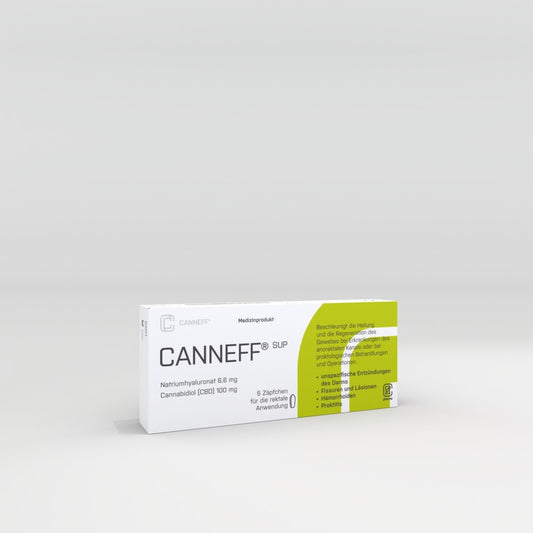
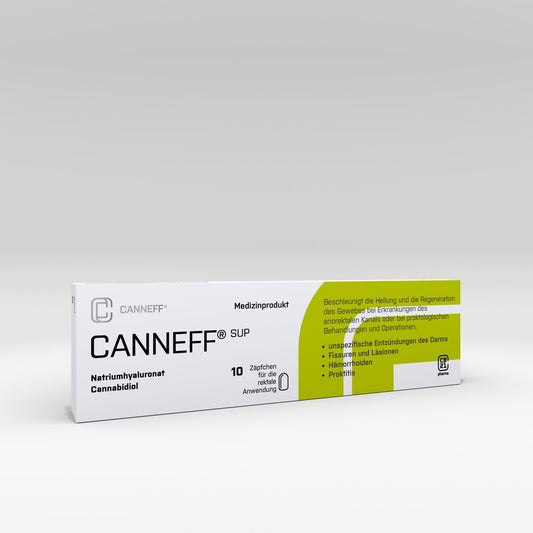
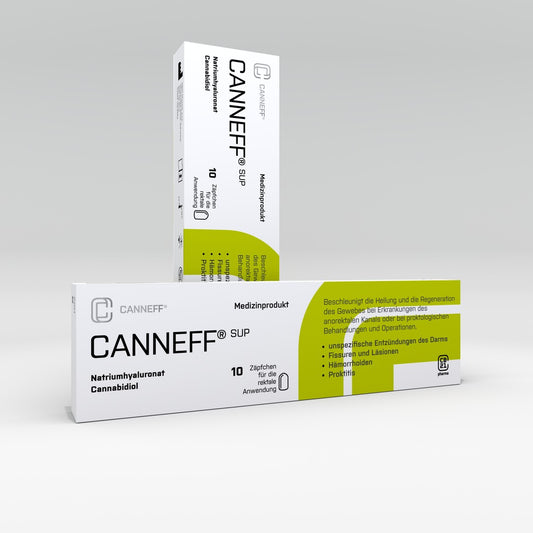
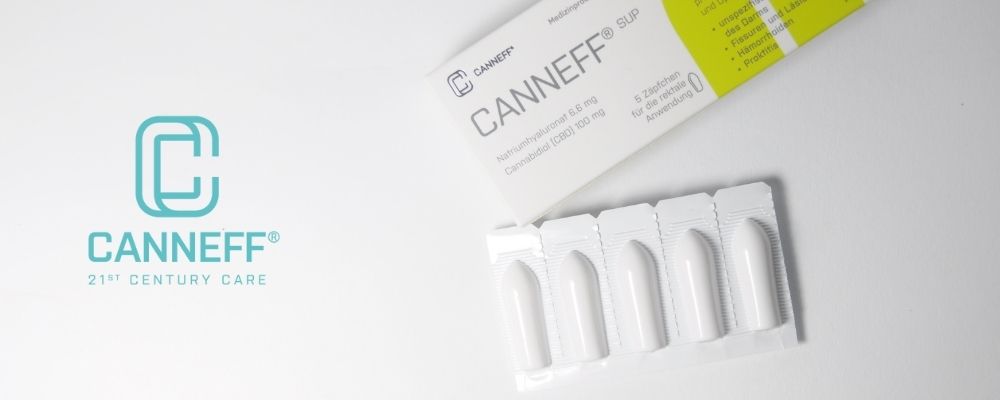
One such option is the CANNEFF® SUP suppositories, intended for rectal use. These suppositories contain a unique combination of cannabidiol (CBD) and hyaluronic acid. CBD is known for its anti-inflammatory and pain-relieving properties, while hyaluronic acid supports mucosal healing and promotes the formation of new tissue. Using these suppositories can help alleviate the symptoms of anal fistulas and accelerate the healing process. Find more information on the topic Anal Fistula Treatment Suppositories here.
Especially after colorectal surgeries, CANNEFF® SUP suppositories can be used to promote the healing process and minimize discomfort. These suppositories can help support the slow wound healing and recovery process after such surgeries and enable patients to recover more quickly.
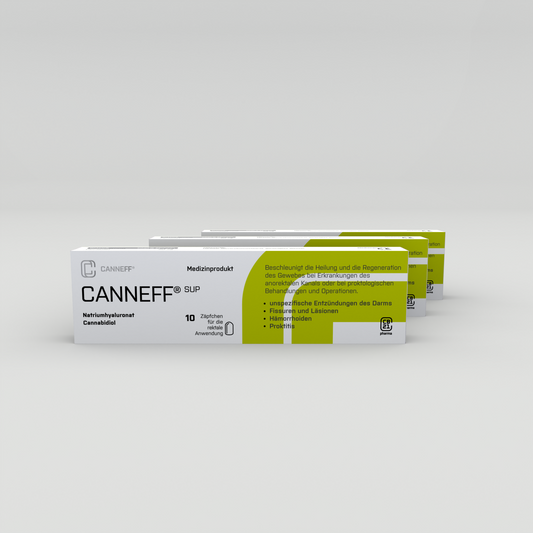
For patients who have undergone surgical removal of anal fistulas or anal abscesses, the CANNEFF® SUP Anal Fistula Package offers an option. This package contains the suppositories at a reduced price to support recovery and provide patients with easier access to this supportive therapy.
Find further information on medicinal plants and home remedies in the respective blog post on alternative therapy options for anal fistulas, or on herbal treatment of fistulas.
How can anal fistulas be prevented?
The main cause of anal fistulas is often inflammation of the proctodeal glands, which cannot be directly prevented. However, some lifestyle factors can influence the risk of developing an anal fistula. A healthy lifestyle with sufficient exercise, a balanced diet rich in fruits, vegetables, and whole grains, as well as avoiding smoking and excessive alcohol consumption, can help reduce the risk. Regular exercise and taking breaks from sitting can also be helpful. Read more about the causes of anal fistulas in the blog post Anal Fistula Cause or find further information on the topic Preventing Anal Fistulas.
Which products are suitable for the care of the anal area?
For the care of the anal area, pH-neutral cleansing gels that gently clean the skin are recommended. When you are on the go, you can also moisten toilet paper with water and use it to clean the anus. However, be careful not to rub too hard or wash the skin excessively, as frequent cleaning can damage the skin's natural acid mantle.
For the special care and treatment of anal fistulas and anal abscesses, CANNEFF® SUP suppositories are recommended. These rectally applied suppositories contain a unique combination of CBD and hyaluronic acid, which can contribute to faster healing and tissue regeneration. Alternatively, soothing ointments can also be used to relieve discomfort. Find more information on the topic of anal fistula treatment suppositories here.
What happens if a fistula bursts?
If an anal fistula bursts, it can lead to various complications. Initially, the sudden release of pus and other secretions from the fistula opening can cause pain, redness, and swelling in the affected area. A burst fistula can also cause renewed inflammation or promote the formation of an anal abscess. In some cases, the bursting of the fistula itself can worsen the condition by forming new fistula tracts or spreading the infection to surrounding tissue. If you have a burst fistula, you should see a doctor who can thoroughly examine the burst fistula and initiate appropriate treatment measures. Find further information about visiting a doctor, diagnosis, and necessary examinations in the blog post Anal Fistula Doctor.
How much does the treatment of anal fistulas cost?
Most anal fistulas are symptomatic and require treatment, which is usually covered by health insurance. This includes diagnostics, surgery, and follow-up care. Read more here about the treatment of anal fistulas.
Do health insurance companies cover the costs?
In general, health insurance covers the costs for the treatment of anal fistulas, including diagnostics, surgery, and follow-up care. However, it is important to note that the exact services and conditions may vary depending on the insurance provider and country.