

What are anal fissures?
An anal fissure (Fissura ani) is a painful lesion that occurs either in the mucosa of the anal canal or as a tear in the skin around the anus. This condition can be caused by various factors. An anal tear and an anal fissure are among the most commonly diagnosed conditions in the rectal area. An anal fissure is a painful tear that affects either the skin or the mucosa of the anus.
There are two main types of anal fissures: acute and chronic.
The acute form usually occurs suddenly and is often associated with severe pain, especially during bowel movements. It often heals spontaneously within a few weeks if the underlying cause of the anal fissure is effectively treated. Typical triggers for acute anal fissures are constipation, excessive straining during bowel movements, diarrhea, or traumatic events in the anal area.
In contrast, the chronic form causes persistent symptoms over a longer period of more than 6 to 8 weeks. Chronic anal fissures can be deeper and wider than acute fissures and often show a reduced tendency to heal. They can lead to recurring pain, bleeding with anal fissures, and discomfort during bowel movements. The underlying causes of chronic anal fissures can be diverse. For example, persistent constipation, ongoing irritation from diarrhea, sustained pressure in the anal area, and other underlying conditions such as Crohn's disease or ulcerative colitis can be the cause. Read more here about the anal fissure surgery, but also find information here about the causes of an anal fissure.
What factors promote the development of anal fissures?
A clear cause for the development of anal fissures is not known, but there are various factors that can contribute to their development. These include:
- Frequent straining during bowel movements due to constipation or diarrhea can damage the delicate mucous membrane in the anal canal and lead to anal fissures.
- Mechanical stress from anal intercourse can cause injuries and tears in the anal region, increasing the risk of anal fissures.
- Existing hemorrhoids can irritate and injure the mucous membrane in the anal canal, which can promote the occurrence of anal fissures.
- Psychological stress can lead to increased muscle tension in the anal area, which in turn can promote the formation of anal fissures.
- Insufficient blood flow in the anal area can delay the healing of small injuries and increase the risk of anal fissures.
Primary anal fissures often arise due to increased tension in the anal sphincter caused by fissures. Hard stool, straining, and a low-fiber diet are considered risk factors for the formation of tears in the anal canal. In contrast, a secondary anal fissure occurs as a result of another condition. Possible causes of an anal fissure include infections or inflammatory and immunological diseases (e.g., Crohn's disease). An anal fissure can also develop after an anal fissure surgery (postoperative) or after childbirth. Find comprehensive information on the causes of an anal fissure in the blog post Anal Fissure Cause.
To what extent do chronic diseases contribute to the development of anal fissures?
In addition to the factors mentioned, various chronic diseases can also increase the risk of anal fissures. Diseases such as Crohn's disease and ulcerative colitis can be associated with inflammation in the anal area, which can lead to anal fissures. Certain infectious diseases like syphilis, tuberculosis, or leishmaniasis can damage the mucous membrane in the anal area and promote the occurrence of anal fissures. Viral diseases such as HIV/AIDS, herpes simplex virus (HSV), or cytomegalovirus can weaken the immune system and increase susceptibility to anal fissures. Leukemia, cow's milk allergy, or Behçet's disease can also raise the risk of anal fissures. Some medications like ergotamine, nicorandil, isotretinoin, or chemotherapy drugs can damage the mucous membrane in the anal area and promote the occurrence of anal fissures. A narrowing of the anal canal can make bowel movements difficult and lead to increased pressure and friction, which in turn raises the risk of anal fissures. Finally, surgeries in the rectal area, as well as an anal fissure operation, can affect the surrounding tissue and promote the occurrence of anal fissures. Read more about the causes of an anal fissure in the blog post Anal Fissure Cause.
How are anal fissures diagnosed?
The diagnosis of an anal fissure is based on a careful assessment of symptoms as well as a thorough physical examination by medical professionals. The main features indicating an anal fissure are severe and often sharp pain in the anal area, especially during and after bowel movements. This pain can range from mild discomfort to an intense burning sensation, known as anal burning, and in some cases can lead to an extremely painful anal spasm.
Characteristic signs of an anal fissure also include bleeding during or after bowel movements as well as blood on the stool or toilet paper. Additionally, there may be accompanying anal burning or itching in the anal area. The symptoms of an anal fissure often strongly affect the quality of life of those affected and can significantly impact daily life. Read more here about itching with anal fissures.
What symptoms should you look for to recognize an anal fissure?
To identify an anal fissure, you should watch for the following symptoms:
- Severe pain during bowel movements, often described as burning or stabbing, which can also persist after the bowel movement. Some sufferers compare this pain to the feeling of sitting on a razor blade. Read more here about anal burning.
- Bleeding during or after bowel movements, typically in the form of bright blood on the stool or toilet paper. This bright bleeding indicates that the blood is fresh. Read more in the blog post about bleeding with anal fissures.
- Accompanying symptoms such as oozing, itching, and pain in the anal area, especially with chronic anal fissures. Read more here about itching with anal fissures.
Read more here about the symptoms of anal fissures and how they can differ between acute and chronic fissures.
What steps are necessary for a correct diagnosis of an anal fissure?
The diagnosis of an anal fissure is usually made through a thorough medical history and physical examination by a doctor. During the medical history, the patient's symptoms are recorded and possible risk factors identified. During the physical examination, the anal area is checked for signs of an anal fissure. Read more about the diagnosis and examinations of anal fissures in the blog post Anal Fissure Doctor.
In some cases, additional examinations may be necessary to confirm the diagnosis or rule out other possible causes of the symptoms. This often includes an endoscopic examination of the rectum (proctoscopy), where the anal canal is examined more closely. This examination allows assessment of the extent of the fissure and exclusion of other diseases.
How is the treatment and healing of anal fissures carried out?
The treatment of anal fissures depends on the type and severity of the fissure. In acute cases, therapy is usually conservative, while chronic fissures may require surgical intervention.
For acute anal fissures, pain relief and promoting healing are the primary goals. This is achieved through measures such as stool regulation with a high-fiber diet and stool softeners. Additionally, anti-inflammatory suppositories or ointments and pain-relieving medications may be used. Read more about the treatment of anal fissures with suppositories here. In some cases, botulinum toxin injections (Botox) to relax the anal sphincter may also be considered. Read more about the treatment of anal fissures here.
Chronic anal fissures that do not heal despite conservative treatment may require surgical intervention. There are two main procedures available: fissurectomy, which involves removing the scarred tissue, or lateral sphincterotomy, where the internal sphincter muscle is incised or cut. The choice of procedure depends on various factors, including the severity of the fissure and the patient's individual risk profile.
Postoperative care after an anal fissure surgery includes administering painkillers and promoting wound healing through regular sitz baths or the application of special ointments. The recovery time varies depending on the type of procedure and the individual patient's response but usually takes several weeks. Find more information here on how to accelerate the healing of anal fissures.
Find here all information about the herbal treatment of anal fissures, as well as alternative therapy approaches for anal fissures.
Under what circumstances can anal fissures heal on their own?
Acute anal fissures can often heal on their own with appropriate treatment and by avoiding risk factors such as constipation or excessive straining. Chronic fissures, however, usually require targeted medical intervention, as they often do not improve spontaneously without proper treatment.
Early intervention and consistent therapy are crucial to avoid complications and increase your chances of a full recovery. Avoid self-medication or delays in seeking medical help, as this can worsen your condition. Read more here about the diagnosis and examinations of anal fissures in the blog post Anal Fissure Doctor.
What measures can accelerate the healing process of anal fissures?
The use of pain-relieving medications can help reduce discomfort and support the healing process. These medications can be administered in the form of oral tablets or rectal suppositories. Read more here about the treatment of anal fissures with suppositories. Certain muscle-relaxing medications can help reduce the increased tension in the anal canal. By relaxing the sphincter muscle, healing is promoted and symptoms are alleviated.
Home remedies such as warm sitz baths are also a proven method to relieve symptoms of anal fissures. They help relax the sphincter muscle and improve blood circulation in the affected area, which can contribute to healing. Regularly taking warm sitz baths can speed up the healing process and relieve the symptoms of anal fissures. A fiber-rich diet and adequate fluid intake are crucial for promoting soft stools and preventing constipation. A healthy diet supports the healing process and reduces the risk of further anal fissures.
In some cases, Botox injections can be an effective treatment method to reduce the tone of the anal sphincter. By reducing the muscle tension of the sphincter, the healing of the anal fissure is supported and the discomfort is alleviated.
In severe or chronic cases, surgical treatment of the anal fissure or anal tear may be necessary. The fissure is removed to promote healing and prevent further complications. Surgical procedures are generally only considered when conservative treatment methods do not provide sufficient relief and healing.
Read more here about accelerating the healing of anal fissures and what else you can do during treatment to support the healing time of anal tears. Here you will also find all information about the herbal treatment of anal fissures, as well as alternative therapy approaches for anal fissures.
Which topical treatments are recommended for anal fissures?
For the treatment of anal fissures, various locally applied treatment options are available that can help relieve symptoms and support the healing process. A popular option is anti-inflammatory and pain-relieving ointments or suppositories. These products contain active ingredients such as cortisone or lidocaine, which can reduce inflammation and relieve pain. They are applied directly to the affected area or inserted rectally to achieve a local effect. By reducing inflammation and pain, the healing process is promoted and the discomfort or symptoms of anal fissures are alleviated.
Another option is special creams to relax the sphincter muscles. These creams contain active ingredients such as calcium antagonists or nitrates, which can help reduce the tone of the anal sphincter and prevent anal cramps. By relaxing the sphincter muscles, blood flow to the mucous membrane is improved and healing is promoted. These creams are applied regularly to the affected area to achieve a long-term effect.
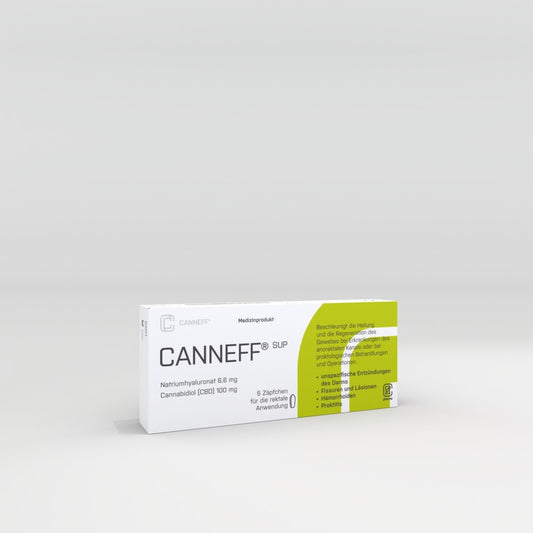
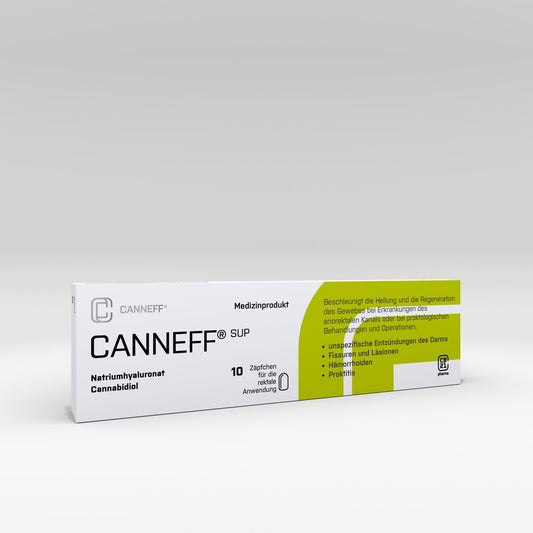
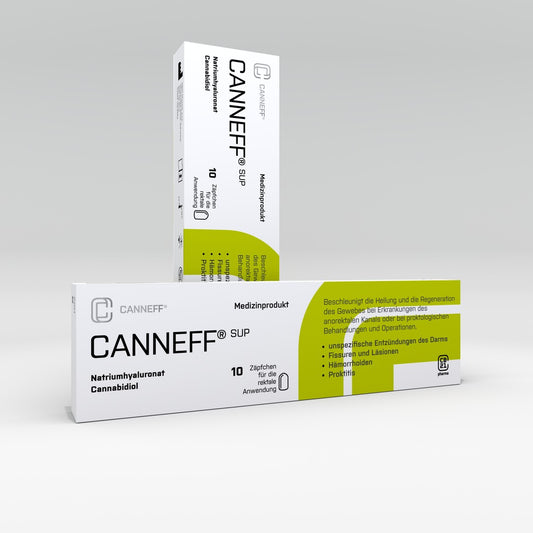
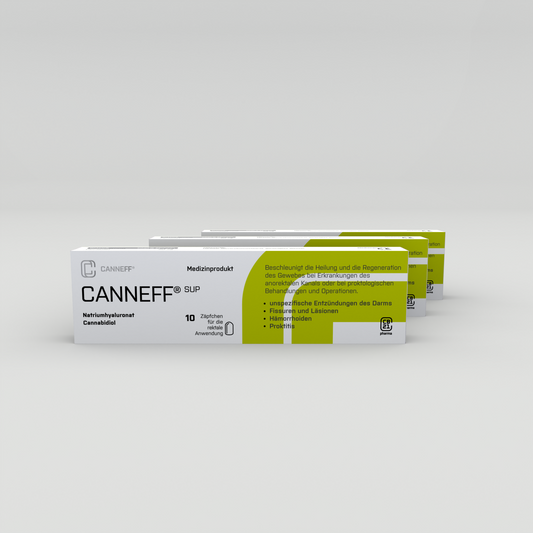
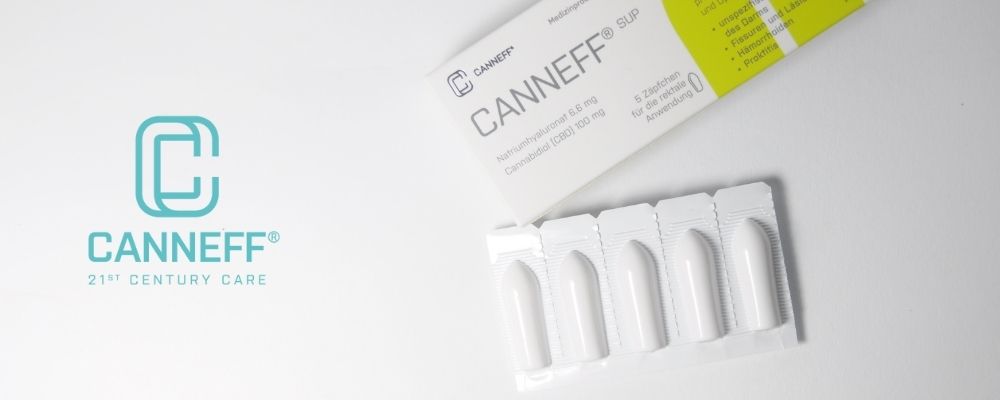
Additionally, CANNEFF® SUP suppositories can be used. These rectally applied suppositories contain a unique combination of cannabidiol (CBD) and hyaluronic acid. CBD has anti-inflammatory and pain-relieving properties, while hyaluronic acid supports the healing of the mucous membrane and promotes the formation of new tissue. CANNEFF® SUP suppositories can effectively relieve symptoms of anal fissures and accelerate the healing process. They are especially effective for small and deep fissures and lesions in the anal and rectal area as well as after colorectal surgeries such as an anal fissure operation. Find more about experiences with anal fissure surgery, or information on the use and dosage of suppositories in the blog post on treatment of anal fissures with suppositories.
The choice of appropriate topical treatment depends on the severity of the anal fissure, the individual needs of the patient, and the recommendation of the treating physician. Read more about the diagnosis and examinations of anal fissures in the blog post Anal Fissure Doctor or about the treatment of anal fissures.
How can home remedies help alleviate anal fissure symptoms?
Home remedies can be an effective complement to medical treatment of anal fissures and help relieve symptoms.
Many people with anal fissures find warm sitz baths extremely soothing and relieving. They can relax the sphincter muscle and reduce pain by improving blood circulation in the anal area. A warm sitz bath can also help prevent constipation by softening the stool and making bowel emptying easier. This can help avoid further tissue tears and support the healing process. A typical sitz bath lasts about 10 to 15 minutes and can be done several times a day. Read more in the blog post about home remedies for treating anal fissures.
A healthy and balanced diet is important for the prevention and treatment of anal fissures. A fiber-rich diet that includes plenty of whole grains, fresh fruits and vegetables, as well as legumes, can help regulate digestion and promote soft stools. Fiber binds water in the intestines, making stools bulkier and softer, which facilitates bowel movements and reduces the risk of constipation and related anal fissures. It is also important to drink enough fluids to better process the fiber and support metabolism. Good hydration can help ease bowel movements and reduce the risk of anal fissures. Find all the details in the blog post about the role of nutrition in preventing anal fissures.
These home remedies, combined with appropriate medical treatment of anal fissures, can help relieve the symptoms of an anal fissure, support the healing process, and reduce the risk of further tears in the anal canal. However, it is important to consult your doctor before using home remedies or other treatment methods, especially if medical measures have already been taken or other health issues are present.
How can anal fissures be prevented and the healing process supported?
To prevent anal fissures and support the healing process, it is important to seek medical help promptly. Adequate medical care can accelerate the healing process and improve the prognosis. Untreated anal fissures can lead to complications such as infections, anal fistulas, or anal abscesses. Find all information here on accelerating the healing of anal fissures.
Self-initiated measures also play an important role in the prevention of anal fissures and support of the healing process of anal fissures. Thorough cleaning of the anal area after bowel movements can reduce the risk of infection and support the healing process. Irritants such as harsh soaps, perfumed products, and excessive rubbing should be avoided as they can irritate the anal area. Read more about preventing anal fissures in the blog post Preventing Anal Fissures.
A fiber-rich diet helps promote bowel health and prevent constipation, which in turn reduces the risk of anal fissures. Adequate fluid intake is also important to promote soft stools and avoid constipation. Find all the details in the blog post about the role of nutrition in preventing anal fissures.
What role does physical activity play in the prevention and healing of anal fissures?
Physical activity plays an important role in the prevention and healing of anal fissures, as it can improve bowel function and increase blood flow in the anal area. Regular exercise activates the bowels and supports digestion, which can prevent constipation, a risk factor for anal fissures. Additionally, physical activity can increase overall blood circulation in the body, promoting the healing of anal fissures by delivering more nutrients and oxygen to the affected tissue. Read more about preventing anal fissures in the blog post Preventing Anal Fissures.
A regular exercise routine that includes endurance training, strength training, and flexibility exercises can help improve bowel health and reduce the risk of anal fissures. However, it is important to consult a doctor before starting any exercise program, especially if anal fissures are already present or there is increased sensitivity in the anal area.
What self-care measures can help heal and prevent future anal fissures?
Various measures can be taken to support the healing of anal fissures and prevent future cases:
- Healthy and balanced diet.
- Proper anal hygiene through gentle cleaning after bowel movements and avoiding irritating products.
- Avoid excessive straining during bowel movements and heavy lifting.
- Regular physical activity to improve bowel function and promote blood circulation in the anal area.
- Avoidance of irritating substances such as alcohol-containing products or spicy seasonings that can irritate the anal area.
- Early medical treatment and regular medical examinations to detect and treat anal fissures early.
Read more about preventing anal fissures in the blog post Preventing Anal Fissures. Find more information here on how you can speed up the healing of anal fissures.
Who should you contact for anal fissures and how are the costs covered?
If you have complaints in the anal region, it is advisable to consult a qualified medical professional. This can be your general practitioner, especially if you already have established medical care.
Which medical professionals specialize in the treatment of anal fissures?
Alternatively, you can directly consult a proctologist who specializes in diseases of the rectum, including anal fissures. These specialists have the necessary expertise and experience to properly diagnose and treat anal fissures. Read more about the diagnosis and examinations of anal fissures in the blog post Anal Fissure Doctor.
How is the cost coverage for the treatment of anal fissures regulated?
The costs for treatment of anal fissures can vary depending on the type of treatment. In most cases, treatment of an anal fissure is considered medically necessary, especially if it causes significant impairment to the patient's health and quality of life. In such cases, health insurance usually covers the costs of the treatment.