

What is an anal abscess?
An anal abscess is a painful collection of pus that forms near the anus or rectum. An anal abscess occurs when the glands located at the border between the skin and the anal mucosa become inflamed and infected. This infection can spread to the surrounding area, leading to a pus accumulation. An anorectal abscess is thus a encapsulated pus collection resulting from a purulent inflammation in the anal area. An anal abscess usually causes an acute painful swelling at the anus. The abscess can occur both superficially and deeper within the tissue layers of the anal region. The abscess can also spread from the glands to the surrounding anal area. If left untreated, an anal abscess can lead to serious complications, such as the development of an anal fistula, where a connection, called a fistula tract, forms between the inflammation inside the anal canal and the skin surface. Anal abscesses generally affect men more often than women, and in almost half of the cases, an anal fistula develops from the anal abscess. To prevent an anal fistula, timely diagnosis and treatment of anal abscesses is essential.
How can you recognize an anal abscess?
The typical symptoms of an anal abscess are swelling, redness, and tenderness in the anal area. Anal burning may also occur. Due to the pain and swelling in the anus, bowel movement disturbances such as constipation often arise. The diagnosis of an anal abscess is based on a careful assessment of symptoms and a thorough physical examination by medical professionals. If symptoms of an anal abscess or early signs appear, a general practitioner or proctologist should be consulted, who will first assess the complaints, medical history, and perform a physical examination of the patient. Anal abscesses are usually treated surgically. By relieving the abscess and allowing pus to drain, symptoms typically improve very quickly. The anal abscess operation is often performed under general or local anesthesia on an outpatient basis. Read more here about the symptoms of an anal abscess and the treatment of anal abscesses.
Is an Anal Abscess Dangerous?
Yes, an anal abscess can potentially be dangerous if treatment is not started promptly. Although an anal abscess initially represents a local infection, there is a risk that the inflammation may worsen and cause serious complications such as an anal fistula. Therefore, an anal abscess should be considered a medical emergency. Early diagnosis and subsequent treatment of anal abscesses, usually through an anal abscess operation to drain and remove the abscess, are necessary to avoid severe complications. Here are some risks and possible dangers if an anal abscess remains untreated.
Spread of the Infection
If an anal abscess is not treated, the infection can spread to the surrounding anal tissue. In severe cases, there is a risk that the infection enters the bloodstream and causes a systemic infection (sepsis), which can be life-threatening.
Intensification of pain and discomfort
Anal abscesses are usually extremely painful, especially when sitting or during bowel movements. Without treatment, the anal abscess can grow or spread further, and the pain can become increasingly intense over time.
Formation of an anal fistula
A common complication of an untreated anal abscess is the development of an anal fistula. This occurs when the abscess does not fully heal and an unnatural fistula tract forms between the anal canal and the skin. Anal fistulas usually require surgical intervention, the anal fistula surgery. Read more here about the treatment of anal fistulas.
Chronic infection and recurring abscess
Without treatment, the abscess can become chronic, meaning it recurs. This leads to persistent inflammation and possible damage and further diseases of the surrounding tissue in the anal canal.
Fever and general feeling of illness
In addition to the local symptoms of anal abscesses in the anal region, general systemic symptoms such as fever, chills, and a general feeling of illness can occur if the infection spreads further. In such cases, see a doctor immediately so that a diagnosis can be made and treatment started.
How are anal abscesses medically differentiated more precisely?
In medicine, anal abscesses are classified into four different types based on their location in the anal region. This distinction of the abscess's location is important because the treatment and risk of complications depend on the exact location of the anal abscess.
Subanodermal anal abscess
A submucosal abscess is located immediately beneath the mucosa of the anal canal. It is the most superficial form of an anal abscess and occurs directly in the area of the external anus. Because it lies close to the skin surface, visible swelling or redness around the anus is often present. Diagnosis is usually straightforward, and the abscess can often be treated with a small, usually outpatient incision. A submucosal abscess typically causes severe pain, especially during bowel movements.
Intersphincteric anal abscess
The intersphincteric abscess is located between the internal and external sphincter muscles. The sphincter muscles are important for controlling bowel movements, and an abscess in this area can be particularly painful and may impair stool continence. This abscess is deeper than the submucosal abscess and can be further irritated by pressure and friction of the sphincter muscle during bowel movements or sitting. Treatment often requires careful surgical operation and drainage to preserve the sphincter muscles as much as possible.
Ischioanal abscess
This abscess lies in the fatty tissue surrounding the anal canal, outside the sphincter muscles. The ischioanal fat tissue is relatively loose and provides space for a larger spread of infection, often making the abscess larger and deeper. Ischioanal abscesses can cause massive swelling and severe pain around the anus, especially when sitting or during bowel movements. Due to its deeper location, this abscess is also harder to diagnose and often requires a thorough examination, sometimes even imaging techniques like ultrasound or MRI. Drainage of the abscess is performed through a deep surgical procedure, an anal abscess surgery.
Supralevator abscess
The supralevator abscess is located above the pelvic floor muscles (levator ani), making it the deepest and potentially most dangerous form of an anal abscess. These abscesses can originate from infections in the abdominal or pelvic cavity and can spread beyond the anal canal. Due to its location, the symptoms of a supralevator anal abscess may be less specific, and more general, systemic signs of a severe infection, such as fever or chills, may occur. Treatment of a supralevator abscess is more complex and requires a deeper surgical procedure, often combined with antibiotics. Supralevator abscesses carry a higher risk of serious complications, such as the spread of infection within the abdominal cavity.
What distinguishes a perianal abscess from an anal abscess?
The main difference between a perianal abscess and an anal abscess lies in the location and depth of the underlying inflammation. A perianal abscess is more superficial and located directly in the soft tissues around the anus, while an anal abscess can often be deeper within the anal canal system or rectum. Thus, anal abscess is a more general term than perianal abscess. An anal abscess describes the entire disease picture regardless of the abscess's location. Deeper anal abscesses often require more complex treatment. Both types of abscesses cause severe pain at the anus and should be medically examined and treated early to avoid serious complications such as fistula rupture and the resulting chronic abscess formation leading to anal fistulas. Read more about treatment of anal abscesses here.
What causes an anal abscess?
In adults, abscesses in the anal area originate from a bacterial infection of the anal glands. Anal abscesses also frequently occur in patients with inflammatory bowel diseases such as Crohn's disease. The formation of anal abscesses or an inflammation of the anus can have many different causes. However, the most common reason for anal and perianal abscesses is inflammation of the proctodeal glands, also called scent glands, in the anal canal. These glands are located at the transition between the internal and external sphincter muscles. The ducts of these glands pass through the internal sphincter muscle and open at the base of pocket-like depressions called anal crypts into the anal canal. An anal abscess forms when the ducts of the proctodeal glands become blocked, allowing bacteria to multiply there. Consequently, an acute infection of these glands is called an anal abscess, whereas a chronic infection in the anal area, known as an anal fistula, usually differs clearly in symptoms and presentation from an anal abscess.
How do anal abscesses and anal fistulas differ?
An anal abscess or perianal abscess refers to a purulent inflammation in the tissue around the anus. Anal abscesses and anal fistulas are a disease entity, with the anal abscess representing the acute stage of the disease, while the anal fistula represents the chronic form of the disease. An anal fistula, as the chronic phase of the disease, often occurs as a complication of an untreated or incompletely treated anal abscess. In an anal fistula, a small, unnatural tunnel-like tract (fistula tract) forms between the anal canal and the skin around the anus. This fistula tract can repeatedly discharge pus and secretions, causing pain and irritation in the anal region. Anal fistulas usually do not heal on their own and in most cases require surgical intervention, the anal fistula operation, to remove or close the fistula tract. Read more here about the treatment of anal fistulas.
What factors promote the development of anal abscesses?
The development of anal abscesses is promoted by various factors related to both health problems and everyday lifestyle habits. A clear understanding of the causes of anal abscesses can help you gain better insight into both treatment and prevention of abscesses. Here, we take a closer look at the causes and risk factors of anal abscesses.
Infections of the proctodeal glands or anal fissures
One of the most common causes of anal abscesses is infection of the anal glands. These glands, located in the anal canal, can become inflamed due to bacterial invasion. If the proctodeal glands become blocked or germs enter small skin tears, known as microtears of the mucosa or deeper anal fissures, and appropriate treatment is not started in time, an anal abscess can develop as a result.
Chronic inflammatory bowel diseases (IBD) such as Crohn's disease or ulcerative colitis
People with diseases such as Crohn's disease or ulcerative colitis are particularly susceptible to anal abscesses. These conditions cause chronic inflammation in the intestines and can cause ulcers that spread to surrounding tissue and trigger abscesses.
Weakened immune system
A weakened immune system, for example due to diabetes, HIV, cancer, or the use of immunosuppressive medications, reduces the body's ability to effectively fight infections. This increases the risk that bacteria will cause an infection in the anal area and lead to an abscess.
Constipation or persistent diarrhea
Constipation or persistent diarrhea can cause mechanical irritation and microtears in the anal area. These small injuries facilitate the entry of bacteria and increase the risk of infection and abscess formation.
Poor anal hygiene
Insufficient anal hygiene can promote the accumulation of bacteria in the anal area, increasing the likelihood of infection. On the other hand, excessive or aggressive cleaning of the anal area can also irritate the skin and make the anus more susceptible to infections.
Overweight and lack of exercise
Overweight and prolonged sitting can impair blood circulation in the pelvic area. Poor circulation means that the tissue receives less oxygen and nutrients, weakening the defense against infections. People with sedentary jobs or long periods of sitting without movement also have a higher risk, as pressure on the tissue in the anal area can promote inflammation.
How is an anal abscess treated?
To prevent the development of an anal fistula and to preserve the long-term functionality of the sphincter muscle, an acute anal abscess must be treated. For smaller inflammations, an antibiotic ointment is used. For larger anal abscesses, an anal abscess surgery is performed. Using sterile needles, the purulent content of the anal abscess is drained. The goal of treating an anal abscess is rapid relief with the associated drainage of pus, which usually quickly alleviates the symptoms of the anal abscess. Read more here about the treatment of anal abscesses.
When does surgery occur for an anal abscess?
Surgical intervention is usually only necessary for larger anal abscesses or if chronic progression to an anal fistula has already occurred. Typically, this involves surgery under general or local anesthesia, during which the abscess is opened and cleaned to prevent recurrence. A key aspect of the surgical removal of the abscess is to proceed carefully with the sphincter muscle to avoid fecal incontinence as a result of the operation. The severity and duration of the surgery primarily depend on the location and size of the abscess. Wound healing and proper care after the operation are also crucial to prevent recurring abscesses and related complications. Read more here about the anal abscess surgery.
What happens if an anal abscess is left untreated?
If an anal abscess is not treated, the pus collection continues to grow. Eventually, the pressure can become so great that the pus capsule of the anal abscess bursts. If this happens, a complication called an anal fistula develops. An anal fistula is a tubular, narrow passage between the abscess, i.e., the site of inflammation, and the anal canal or the outer skin of the anus. Pus, secretions, and blood then pass directly through this fistula and appear as contamination in the affected person's underwear. To prevent the development of an anal fistula and the chronic progression of an anal abscess, it is important that you see a doctor early if you notice any symptoms of an anal abscess, so that the treatment of anal abscesses can be started promptly. Read more here about the herbal treatment of abscesses or about alternative therapy options for anal abscesses.
What can be done to prevent an abscess from recurring?
The patient should regularly rinse the external wound as long as it remains open. Additionally, it will be examined by touch during follow-up visits to prevent premature adhesion. The wound is covered with pads or compresses. Generally, postoperative pain after anal abscess surgery is minimal. Depending on individual sensitivity, mild painkillers can relieve discomfort after the anal abscess operation. If stool is hard, patients can take a mild laxative to avoid jeopardizing wound healing after surgery due to hard stools (constipation). Suppositories with anti-inflammatory agents can also support tissue healing in the anal canal after colorectal surgery, such as that performed for anal abscesses, and can alleviate the symptoms of an anal abscess as well as discomfort following anal abscess surgery. Read more here about the treatment of anal abscesses with suppositories.
How can wound healing be accelerated in anal abscesses?
Postoperative care after an anal abscess surgery is crucial for successful healing of the anal inflammation and to avoid complications. In the first days following the surgical treatment of the anal abscess, the wound at the anus should be regularly cleaned and protected with a sterile dressing. Sitz baths with antiseptic additives or suppositories with specific active ingredients can help prevent inflammation and support the healing of the anal tissue. Read more here about the treatment of anal abscesses with suppositories. Painkillers or antibiotics prescribed by the doctor should be taken as directed. To promote the healing process after an anal abscess operation, it is important to maintain a high-fiber diet combined with adequate fluid intake to keep stools soft and thus reduce pressure on the wound in the anal canal as much as possible. Regular follow-up appointments with the doctor ensure that the wound heals properly and that no anal fistula or recurring abscess develops.

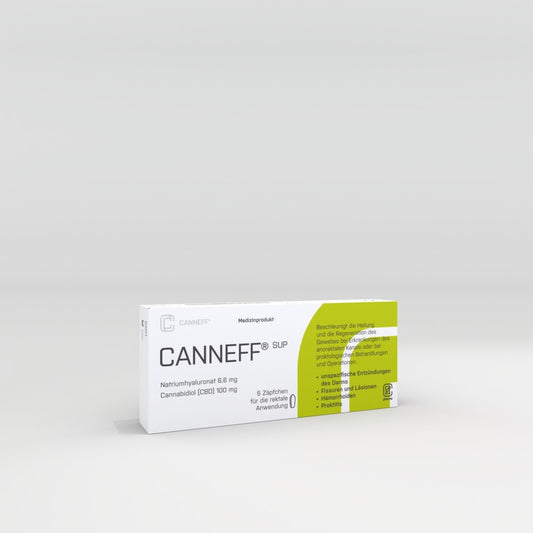
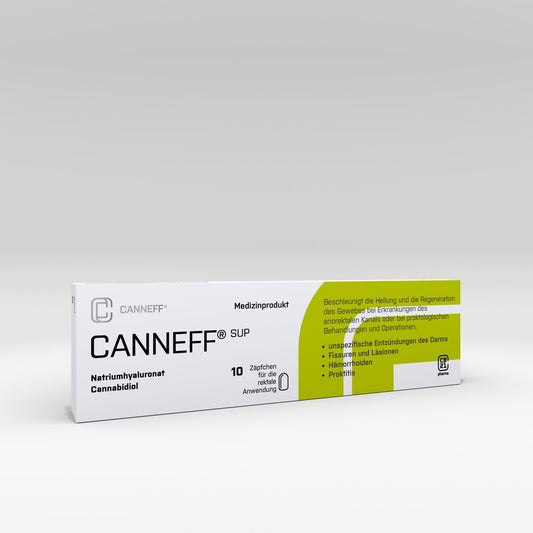
Various measures can help speed up the healing process. A healthy and balanced diet rich in vitamins and sufficient zinc can support the immune system and wound healing in the anal region. After the anal abscess surgery to open and drain the abscess, regular cleaning and care of the wound are crucial to avoid complications. CANNEFF® SUP suppositories can also help alleviate symptoms caused by nonspecific intestinal inflammations and improve well-being. Especially for patients after colorectal surgeries, such as anal abscess operations, CANNEFF® SUP can support the recovery process and minimize symptoms. Read more here about the treatment of anal abscesses or the treatment of anal abscesses with suppositories.
How can anal abscesses be prevented?
Several everyday factors and preventive measures play a crucial role in preventing anal abscesses. Here we provide a detailed overview of what you should consider to prevent anal abscesses and inflammation in the anal area.
Careful anal hygiene
Careful anal hygiene is fundamental to prevent bacteria from entering tiny skin cracks or injured mucous membranes in the anal canal. Aggressive or excessive cleaning methods should be avoided, as they can irritate the sensitive skin in the anal area and make it more susceptible to infections. Instead, it is recommended to gently clean the area and use lukewarm water for cleansing after bowel movements.
Regular bowel movements
Furthermore, a high-fiber diet combined with adequate fluid intake is essential. Sufficient fluids combined with fiber (whole grains, fruits, and vegetables) ensure soft and regular bowel movements. This helps minimize pressure on the anal area and prevents irritation, small tears, and constipation, which increase the risk of abscess formation. Laxatives can also be temporarily helpful in consultation with a doctor to prevent hard stools that further strain the tissue in the anal canal.
Exercise to support bowel function and blood circulation
Regular exercise is also very important as it supports bowel function and improves blood circulation in the pelvic area. This enhances oxygen and nutrient supply to the tissue in the anal region and strengthens the body's defense against infections. Especially people with predominantly sedentary jobs should make sure to take regular breaks with movement to relieve pressure on the anal area.
Avoid overweight and prolonged sitting
Additionally, it is advisable to maintain a healthy body weight. Overweight and prolonged sitting increase pressure on the anal tissue and can promote the development of abscesses. People with pre-existing conditions such as inflammatory bowel diseases (e.g., Crohn's disease) or a weakened immune system should be especially cautious, as these significantly increase the risk of anal abscesses. Affected individuals should consider regular check-ups with their general practitioner or proctologist to detect and treat potential problems early.
Which doctor should I see for an anal abscess?
For anal abscesses, the appropriate medical contact is the general practitioner or a specialist in proctology, the medical expert for diseases of the rectum. If you experience symptoms in the anal region, it is advisable to consult a qualified medical professional promptly to prevent a chronic anal abscess and the formation of an anal fistula. Your general practitioner can also be the first point of contact, especially if you already have established medical care. If you suffer from symptoms of an anal abscess, please consult a doctor immediately.
How is the diagnosis of an anal abscess made by the doctor?
Often, the diagnosis of an anal abscess is sufficient based on the medical history and an inspection of the affected area as well as a palpation examination. In addition to other imaging procedures, laboratory diagnostics can also be performed.
Endosonography
If there is uncertainty about the diagnosis of the anal abscess, an endosonography can be performed. This is an ultrasound examination where a small probe is gently inserted into the anus.
Computed tomography or magnetic resonance imaging
Only in certain cases is a computed tomography or magnetic resonance imaging (MRI) examination useful for a more precise investigation. An endoscopic examination (inspection) using a proctoscopy (inspection of the anal canal) or a rectoscopy (inspection of the rectum) can provide additional insights but is not always possible due to physical symptoms.
How is the cost coverage for the treatment of anal abscesses regulated?
The coverage of costs for the treatment of anal abscesses depends on the type of health insurance. The treatment of anal abscesses, especially if it is a medical emergency, is usually covered by statutory health insurance. This includes both diagnosis and surgical treatment if drainage or surgery is necessary. It is advisable to clarify with your health insurance before starting treatment for the anal abscess which services are covered and what co-payments may apply in the case of hospitalization and medication. Read more here about the anal abscess operation.