

What exactly is vaginal dryness?
Under normal conditions, the vaginal mucosa and cervix produce a milky secretion that keeps the vagina moist. Vaginal fluid is meant to protect against pathogens and also acts as a natural lubricant during sexual intercourse. The production of this secretion is mainly controlled by the sex hormone estrogen. A lack of estrogen can lead to insufficient production of vaginal fluid. In addition, other factors can impair secretion production and thus lead to vaginal dryness. The most common complaints among those affected include burning or itching of the vagina as well as pain during sexual intercourse. Without the protective effect of vaginal fluid, there is also an increased risk of vaginitis, vaginal infections, or even fissures and lesions in the intimate area.
What symptoms are characteristic of vaginal dryness?
A dry vagina is mainly noticeable through itching, burning, or an uncomfortable feeling of pressure. Especially when irritated, for example during sexual intercourse, bleeding can also occur. In addition, the vagina and urinary tract become more susceptible to inflammation and infections. This often leads to increased or discolored discharge. Some diseases can cause symptoms similar to vaginal dryness, such as chlamydia infections or vaginal yeast infections. It is important to pay attention to additional symptoms that could indicate a more serious condition, such as irregular periods, lower abdominal pain, or a noticeable odor of vaginal fluid. With organic causes, pain often occurs only in certain areas or positions, while with psychological causes or reactions to contraceptives or care products, it can be more variable.
Why does vaginal dryness occur?
The development of vaginal dryness is often multifactorial. A common trigger is estrogen deficiency, which occurs especially during menopause. During this phase, estrogen production decreases, leading to changes in the vaginal mucosa. It becomes thinner, less elastic, and produces less moisture. Similar hormonal changes can also occur during pregnancy, breastfeeding, or when taking hormonal contraceptives. Additionally, certain conditions such as diabetes, multiple sclerosis, or surgical procedures in the pelvic area can promote vaginal dryness. Psychological factors such as stress, depression, or relationship problems can also influence vaginal moisture. Lifestyle can also play a role, especially excessive alcohol and tobacco consumption as well as excessive intimate hygiene can negatively affect the vaginal flora and lead to dryness.
What role do hormonal changes play in vaginal dryness?
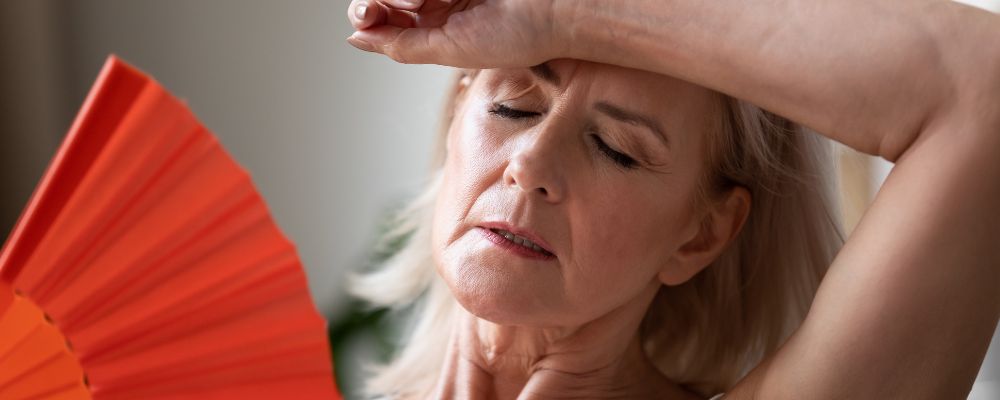
Hormonal changes, especially a drop in estrogen levels, are one of the main causes of vaginal dryness. Estrogen is crucial for regulating vaginal moisture. A lack of estrogen causes the vaginal mucosa to produce less secretion and become thinner. This can lead to dryness, itching, and pain during intercourse.
To what extent can psychological factors trigger vaginal dryness?
Psychological stress such as stress, depression, or relationship problems can negatively impact estrogen levels and thus indirectly cause or worsen vaginal dryness. A disrupted hormonal balance due to stress or psychological burdens can affect vaginal moisture and lead to dryness. Furthermore, a lack of sexual arousal due to psychological causes can result in insufficient blood flow to the vaginal mucosa, which can also promote dryness.
How do certain diseases and medications affect vaginal moisture?
Certain conditions such as diabetes, high blood pressure, or multiple sclerosis can be associated with vaginal dryness, either due to direct effects on the vaginal mucosa or as a result of treatment for these conditions. Surgical procedures in the pelvic area can also affect vaginal moisture. Additionally, certain medications, especially cancer drugs or hormone preparations, can cause dryness. Chemotherapy or radiation therapy for cancer can damage the vaginal mucosa and impair moisture production.
Can personal lifestyle influence the development of vaginal dryness?
Excessive alcohol and tobacco consumption can impair blood flow to the vaginal mucosa and lead to dryness. Likewise, excessive intimate hygiene, especially the use of aggressive washing lotions or perfumed products, can disrupt the natural balance of the vaginal flora and promote dryness. A balanced diet and adequate fluid intake, on the other hand, can help maintain vaginal moisture.
By which diagnostic methods is vaginal dryness detected?
To detect vaginal dryness, the doctor can use various diagnostic methods. This initially includes a detailed medical interview in which the patient describes her symptoms and possible causes of the dryness. The doctor may ask questions about hormone status, medical history, current medications, and lifestyle factors to identify possible triggers of the dryness.
Additionally, a physical examination can be conducted, during which the doctor examines the vagina and cervix for signs of dryness, inflammation, or changes. Swabs may also be taken to rule out infections or other pathological changes.
In some cases, a hormone analysis can also be performed to determine the patient's hormone status and detect a possible estrogen deficiency, which is often associated with vaginal dryness.
Are there simple self-tests to identify signs of vaginal dryness?
There are self-tests that women can use to identify early signs of vaginal dryness themselves. These tests can be done online or are available as self-tests from drugstores or pharmacies. They often involve pH tests or tests that measure the presence of vaginal moisture. These tests can provide initial indications of possible dryness but do not replace diagnosis and advice from a doctor.
How can vaginal dryness be effectively treated?
The treatment of vaginal dryness depends on the cause and severity of the symptoms. Especially in cases of estrogen deficiency, which often occurs during the menopause, local estrogen preparations in various forms such as suppositories, gels, or vaginal creams can be prescribed. These preparations help increase estrogen levels in the vagina and stimulate the production of vaginal secretions, which relieves dryness and promotes tissue health.
The decision for a specific treatment should be made in consultation with a doctor who considers the individual needs and possibilities of the patient. Together, they can weigh the pros and cons of the different options and develop a tailored therapy.
What options are available to treat vaginal dryness without hormones?
For women who do not want or cannot use hormonal preparations, there are various non-hormonal treatment options:
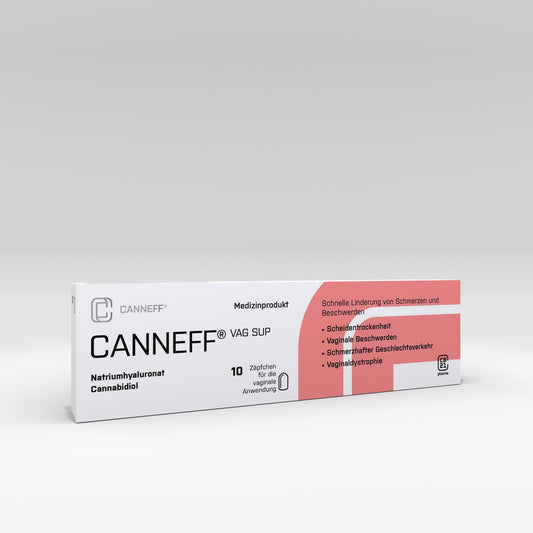
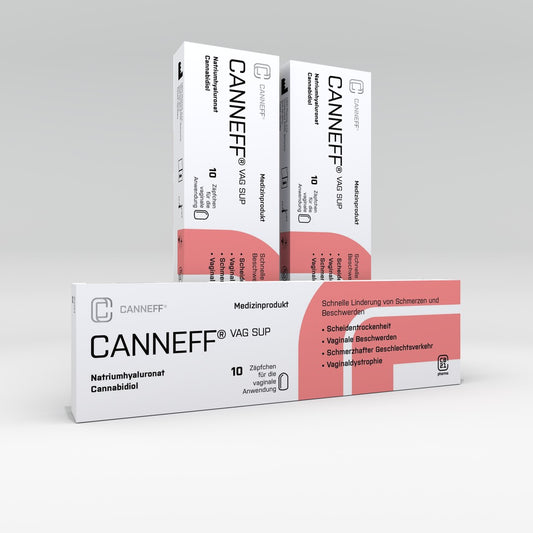
Hyaluronic acid suppositories can provide short-term relief by restoring moisture and lubrication in the vagina. Hyaluronic acid is a natural substance that helps keep the skin smooth and moist. Our CANNEFF® VAG SUP vaginal suppositories with CBD and hyaluronic acid offer quick relief from pain and discomfort caused by vaginal dryness.
A healthy lifestyle with a balanced diet, adequate fluid intake, and avoiding excessive alcohol and tobacco use can help alleviate the symptoms of vaginal dryness. In addition to medical treatments, there are alternative options to relieve the symptoms of vaginal dryness. These include pelvic floor exercises, massages with herbal oils, and the use of natural alternatives to synthetic vaginal creams.
Can home remedies provide relief, and if so, which ones?
Some home remedies can provide relief for vaginal dryness:
- Olive oil can be used as a natural moisturizer. It can be applied to the affected areas to hydrate the mucous membranes and relieve symptoms such as pain and itching.
- Coconut oil has anti-inflammatory and antimicrobial properties and can help soothe the mucous membranes and prevent infections. It can be applied locally to the affected areas or added to a warm bath.
- Aloe vera has anti-inflammatory and moisturizing properties and can help soothe and hydrate the mucous membranes. Fresh aloe vera gel can be applied to the affected areas or added to a warm bath.
- Red clover and black cohosh are herbal remedies traditionally used to relieve menopausal symptoms and can also help with vaginal dryness. They contain phytoestrogens, which increase estrogen levels in the body and can stimulate the production of vaginal secretions.
It is important that women talk to their doctor about using home remedies, especially if they are already taking other medications or have certain health conditions. Some home remedies can interact with medications or cause unwanted side effects.
What specifically helps against vaginal dryness during intercourse?
Vaginal dryness can cause significant pain and discomfort during intercourse, which can affect the sexual experience. However, there are a number of measures that can help relieve symptoms and improve sexual pleasure.
The use of lubricants is a common and effective method to reduce friction during intercourse and thus minimize pain. There are different types of lubricants, including water-based, silicone-based, and oil-based varieties. Women should choose a lubricant that feels comfortable for them and does not cause irritation.
Extended foreplay can also be helpful to sufficiently arouse the woman and make the vagina adequately moist to avoid pain during intercourse. Foreplay can take many forms, including kissing, caressing, massaging, and oral sex.
During intercourse, women should be careful to proceed gently and avoid positions that could cause strong friction or pain. It can be helpful to go slowly and carefully and to pay attention to the woman's needs and sensations.
Open communication with the partner is also important. Women should openly discuss their concerns and needs and work together with their partner to make intercourse more comfortable. An open conversation with the partner and mutual understanding can help increase sexual pleasure and strengthen the relationship.
Women who suffer from vaginal dryness during intercourse should talk to their doctor about their symptoms. Together, they can look for solutions to improve sexual pleasure and relieve pain. There are various treatment options and strategies to manage vaginal dryness, and every woman should choose the one that suits her best and provides the most relief.
What can a hormone-based treatment look like?
Hormone-based treatment of vaginal dryness can take various forms depending on the cause and severity of the symptoms. In the case of estrogen deficiency, which often occurs during menopause, local estrogen preparations can be prescribed. These can be applied in the form of suppositories, gels, or vaginal creams and help to increase the estrogen level in the vagina and stimulate the production of vaginal secretions.
Treatment with local estrogen preparations has the advantage that they act specifically where needed and therefore have fewer side effects than systemic hormone therapies. However, it should be noted that local estrogen preparations require a prescription and may not be suitable for all women. Therefore, discuss the risks and benefits of the treatment with your doctor and jointly determine an individually tailored treatment.
In some cases, systemic hormone therapy can also be considered, especially if vaginal dryness is accompanied by other menopausal symptoms such as hot flashes, sleep disturbances, or mood swings. Systemic hormone therapies include taking estrogen and sometimes progestogens in the form of tablets, patches, or gels. However, these hormone therapies carry a higher risk of side effects and should therefore only be carried out under medical supervision.

How can vaginal dryness be prevented?
To prevent vaginal dryness, there are various preventive measures that women can take. Certain habits and behaviors can increase the risk of vaginal dryness. These include tobacco and alcohol consumption as well as frequent bathing in chlorinated water. Excessive hygiene measures in the intimate area and the overuse of menstrual products like tampons can also lead to problems. Avoiding these risk factors can reduce the risk of vaginal dryness. If problems with vaginal dryness already exist, using pads instead of tampons can be helpful. Tampons absorb the natural moisture of the vagina and can often worsen the discomfort. Alternatively, the use of a menstrual cup can be considered. For intimate care, pH-neutral wash gels that are specifically tailored to the pH value of the vagina should be used. Conventional soaps and shower gels can disturb and imbalance the sensitive vaginal flora. Excessive intimate hygiene should be avoided, and cleaning should be limited to the external intimate area.
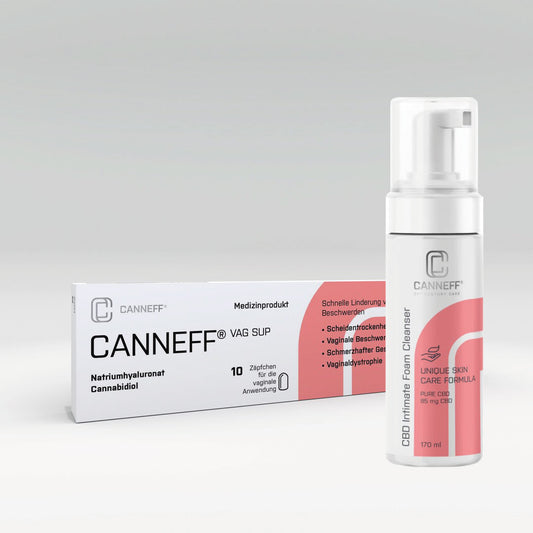
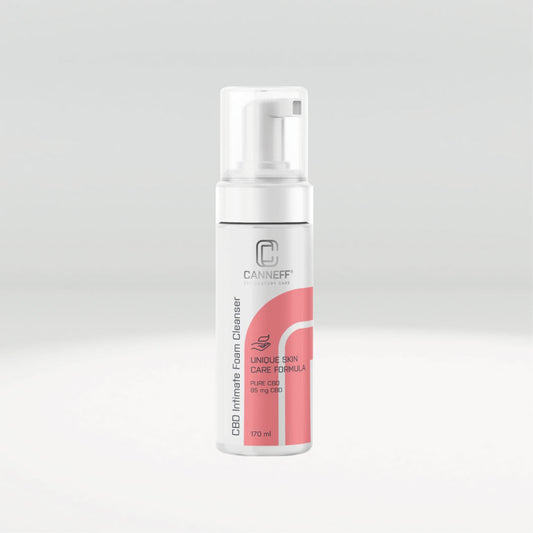
Discover the innovative CANNEFF CBD Intimate Care Set, specially developed for comprehensive care of your intimate area. The set includes CANNEFF® VAG SUP vaginal suppositories (10 pieces) and the CANNEFF® CBD intimate care foam. The CANNEFF® VAG SUP vaginal suppositories provide quick relief from pain and discomfort. They contain a special emulsion matrix of hyaluronic acid and cannabidiol (CBD), which enables maximum effectiveness of the two active ingredients. The CANNEFF® CBD intimate care foam is perfect for daily care of the intimate area. The unique formula with CBD, hyaluronic acid, and water-soluble almond oil ensures optimal hydration and softening even of very sensitive skin. With the CANNEFF CBD Intimate Care Set, you can optimally care for your intimate area and feel completely comfortable.

What role does nutrition play in preventing vaginal dryness?
Nutrition also plays a role in preventing vaginal dryness. Excessive consumption of indulgences such as alcohol and nicotine can have a long-term negative effect on the vaginal flora. It is also advisable to choose cotton underwear, as synthetic fibers can irritate the mucous membranes and trigger allergic reactions. Tight pants can also worsen the symptoms of a dry vagina.
In which life stages is vaginal dryness particularly relevant?
Vaginal dryness is particularly relevant during menopause because estrogen deficiency, which often occurs during this life phase, can lead to a decrease in the elasticity of tissues in the intimate area. Estrogen normally ensures blood flow and moisture of the skin in the vagina. When estrogen levels drop, the production of natural vaginal secretions can decrease, leading to dryness and discomfort. Especially in postmenopause, which begins one year after the last menstrual period, atrophy can develop, causing tissue shrinkage and vaginal dryness.
Why is vaginal dryness a common problem during menopause?
Vaginal dryness during menopause is a common problem due to estrogen deficiency. During menopause, the production of estrogen, a hormone responsible for the moisture and elasticity of vaginal tissues, decreases. This hormone deficiency leads to reduced blood flow and moisture in the vagina, which in turn can cause dryness, itching, burning, and pain during intercourse.
How do pregnancy and breastfeeding affect vaginal moisture?
During pregnancy, estrogen levels can be elevated, which may temporarily increase vaginal moisture. However, after childbirth and during breastfeeding, estrogen deficiency can occur, leading to vaginal dryness. The hormone prolactin, responsible for milk production during breastfeeding, can also influence estrogen levels and contribute to vaginal dryness.
Under what circumstances should one see a doctor for vaginal dryness?
It is advisable to see a doctor if vaginal dryness causes severe discomfort or persists over a long period. A gynecologist can determine the causes of dryness through a thorough physical examination and, if necessary, further tests, and initiate appropriate treatment. Medical advice can be especially helpful if other health issues are present or if the dryness is accompanied by psychological stress.
What is the connection between estrogen levels and vaginal dryness, and how can it be influenced?
Estrogen levels play a crucial role in vaginal health and the production of vaginal secretions. A balanced estrogen level promotes blood circulation, stimulates the production of glycogen and moisture in the vagina, and supports the growth of healthy vaginal tissue. Estrogen is a female sex hormone also responsible for regulating the menstrual cycle and developing female sexual characteristics such as breasts and hips.
Estrogen plays an important role in mucus production in the vaginal wall. It helps keep the mucous membrane moist and supple and reduces pain and irritation. When estrogen levels in the body drop, for example during menopause or due to certain medications, this can lead to a decrease in mucus production and cause symptoms such as vaginal dryness, pain during intercourse, and itching.
The influence on estrogen levels can be achieved in various ways. Women in menopause can benefit from hormone replacement therapy. Estrogen is administered in the form of pills, patches, creams, or vaginal rings to balance estrogen levels and relieve the symptoms of vaginal dryness. Local estrogen preparations, such as vaginal creams, suppositories, or rings, can be inserted directly into the vagina. They act locally without affecting the entire body and can specifically treat the symptoms of vaginal dryness. Alternatively, there are non-hormonal treatment options. These include moisturizing lubricants, regular use of vaginal moisturizing creams, and lifestyle changes such as a balanced diet and adequate fluid intake.