

What is anal eczema?
Anal eczema is a rash of the skin in the anal area. This rash on the buttocks can manifest as anal burning, oozing at the anus, but especially as severe anal itching. The condition is also called perianal dermatitis and is one of the most common diseases in the area of the rectum and anus. Anal eczema is a skin change in the anogenital region that occurs at all ages and in both sexes. Characteristic of anal eczema is inflammation of the skin around the anus, which can spread into the lower part of the anal canal and thus also increases the risk of proctological secondary diseases if anal eczema remains untreated. Anal eczema occurs acutely or chronically and is characterized by quite distinct symptoms. The symptoms of anal eczema are not only extremely unpleasant for most patients but also tabooed, as our society is only increasingly beginning to talk about complaints in the anogenital area. Unfortunately, this taboo often leads to medical examination and professional diagnosis only being sought after the eczema on the buttocks has persisted for a long time.
What are the symptoms of anal eczema?
Anal eczema causes severe and intense anal itching or anal burning. These symptoms of anal eczema are often accompanied by redness and oozing of the skin around the anus. Blistering and corresponding skin irritations or skin changes in the anal folds also occur. In addition to the skin changes around the anus, the redness often spreads to the thighs or even the labia or scrotum. The usually very distressing main symptom of anal eczema is itching at the anus or anal burning. Scratching the anus, however, leads to further irritation of the skin around the anus and additionally impairs the healing of the anal eczema. The course of anal eczema strongly depends on the cause and the treatment approach chosen by the attending physician.
In addition to the mentioned symptoms of anal eczema, superficial skin damage, called erosions, often occurs. Cracks (rhagades) as well as thickening and coarsening of the skin structure, known as lichenification, can also occur. If there is a skin inflammation due to infection, pustules, blisters, abscesses, or whitish, thread-like coatings may form in the anal area.
Another common symptom is soiled underwear due to discharge from the anus, such as mucus, secretions, or fecal residues. Bloody toilet paper is also a typical sign of anal eczema. These blood traces are usually caused by intense anal itching and scratched skin areas.
What does anal eczema look like?
Anal eczema, often a painful, burning, and itchy rash around the anus, manifests as redness, cracks, thickening, or damage to the epidermis. If the rash becomes infected with fungi or bacteria, whitish coatings and threads, blisters, and pustules may also appear on the affected skin.
What forms of anal eczema are distinguished?
Medically, three different forms of anal eczema are generally distinguished, depending on the trigger.
Irritative-toxic anal eczema
Irritative-toxic anal eczema is the most common form of anal eczema and accounts for about half of all cases. It is caused by external factors that irritate and damage the sensitive skin in the anal area. Once the natural skin barrier is compromised, inflammation and infections can easily take hold.
Common causes include mechanical irritation from coarse toilet paper, tight or chafing underwear or clothing, as well as excessive, overly intense anal hygiene. Certain intimate care products, such as specific soaps, panty liners, or wet wipes, can also contribute to skin damage in the anogenital area. Additionally, factors like increased sweating or discharge of intestinal secretions due to proctological diseases promote the development of anal eczema. Possible causes of irritative-toxic anal eczema include hemorrhoids, genital warts, and also anal fistulas.
Contact Allergic Anal Eczema
Contact allergic anal eczema is caused by an allergic reaction in the anal area to ingredients commonly found in care and hygiene products. Typical triggers of a rash in the buttock fold are fragrances and preservatives found in intimate sprays, panty liners, or special ointments against hemorrhoids.
Even seemingly harmless ingredients like lidocaine, a pain reliever in many creams, or herbal additives like chamomile can cause allergic reactions. People with sensitive skin should use fragrance-free, hypoallergenic products for intimate care and consult a doctor if symptoms persist to identify and avoid allergic triggers.
Atopic Anal Eczema
Atopic eczema, which is usually associated with neurodermatitis, can also occur in the anal area. Here, the skin reacts particularly sensitively to various environmental factors. Care products and toilet paper with chemical additives as well as certain foods can worsen atopic anal eczema. Characteristic of atopic anal eczema are flare-ups of symptoms. Diagnosis can be difficult if only the anal area is affected. However, if eczema is found in typical areas such as the elbows or knees, the diagnosis is often quicker and clearer.
A targeted treatment of anal eczema depends heavily on the cause. However, for all forms, it is important to avoid irritating and allergenic substances. A medical or dermatological examination helps to determine the exact cause and tailor the therapy individually. Read more in the blog post Anal Eczema Doctor.
How does anal eczema differ from hemorrhoids?
Although hemorrhoidal disease can trigger anal eczema, these proctological diseases differ on several levels.
Both anal conditions can cause anal itching and anal burning, with a particularly intense itch in the anus being an indication of anal eczema. For the correct treatment of anal eczema, it is advisable to seek medical expertise and advice promptly. Read more here in the blog post Anal Eczema Doctor.
Anal eczema affects the skin around the anus, while hemorrhoids serve as vascular cushions sealing the end of the rectum at the anus. When these vascular cushions enlarge or become inflamed, this causes the condition known as hemorrhoids, and these blood vessels can also protrude from the anus due to strong straining. Due to chronic irritation and the leakage of intestinal secretions, the development of anal eczema is a possible consequence.
Anal eczema appears externally around the rosette of the anus, while hemorrhoids are generally located inside the anus. Larger hemorrhoids or later stages of hemorrhoidal disease can also protrude outside the anus (prolapse).
While anal eczema usually does not cause pain in the anus, the anal itching here is much more intense. In the case of hemorrhoids, pain in the anus usually only occurs in the later stages of hemorrhoidal disease.
In cases of blood at the anus or even blood in the stool, it should be noted that bleeding at the anus can occur with anal eczema, especially due to increased scratching during intense anal itching. With hemorrhoids, bleeding can occur during or shortly after bowel movements. This damage to the blood vessel walls of the hemorrhoids can be caused by hard stool or straining during bowel movements. Blood in the stool or blood from hemorrhoids usually appears as bright red to red traces of blood on toilet paper or directly as blood in the stool. If there is blood in the stool, one should not self-diagnose but have the symptoms in the anal region examined and clarified by a doctor promptly.
What are the causes of anal eczema?
The development of anal eczema is usually preceded by impairment of the natural skin barrier in the anal region. This impairment can occur in different ways. Generally, three main causes and thus three forms of anal eczema are distinguished in medicine.
The most common cause of anal eczema is direct damage to the skin barrier caused by chemical or mechanical irritation or overuse. Chemical irritations are often caused by leaking intestinal secretions, which can occur spontaneously in cases of hemorrhoidal disease or anal fistulas at the anus. Anal eczema can also result from insufficient or age-related impaired hygiene of the anus. Increased moisture and/or stool accumulation can promote eczema formation and thus cause anal eczema. Intensive cleaning with toilet paper or heavy strain on the anal region through certain sports like cycling are possible causes of mechanical over-irritation of the anus. If symptoms persist for a long time, medical expertise should definitely be sought, as in rare cases tumors in the rectal area or anus can also be associated with anal eczema. In rare cases, anal eczema can be a sign of a serious disease such as skin cancer or anal cancer. Read more about this in the blog post on anal eczema cancer.
In the course of atopic dermatitis, also better known as neurodermatitis, anal eczema can occur intermittently along with involvement of other body areas or on its own. So-called atopic anal eczema can also be triggered by factors such as spicy foods in its development.
The final cause of anal eczema is contact allergies. This occurs when there is an allergy or allergic reaction to ingredients in lotions, moist toilet paper, or other intimate hygiene products such as panty liners or even medical creams and ointments.
What is chronic anal eczema?
Chronic anal eczema is often the result of hemorrhoidal disease. Due to the hemorrhoids, intestinal secretions continuously flow from the anal canal, keeping the skin around the anus moist. This causes the skin in the anal area to be constantly irritated and can lead to inflammation. Other triggers of chronic anal eczema include anal fistulas and anal fissures, skin tags, as well as individual anatomical peculiarities. A predisposition of the skin due to underlying conditions like neurodermatitis can significantly increase the risk of both acute and chronic anal eczema.
How is anal eczema diagnosed?
Essential steps for diagnosing anal eczema include taking the medical history, a full-body examination, and a detailed inspection of the anal area. The doctor will also inquire about the duration and occurrence of the specific symptoms of anal eczema. Other conditions, such as neurodermatitis, may also be considered. or psoriasis are taken into account during the diagnostic process.
Often, these initial examinations by the doctor already provide information on whether anal eczema is actually present and which form of anal eczema it is. If the findings are unclear or there is suspicion of an underlying proctological disease, such as hemorrhoids or anal fistulas, further perianal examinations may be conducted.
If there is suspicion of an allergy or an infection with fungi or bacteria, an allergy test or corresponding swab will be performed to identify the triggering allergen or the exact source of the infection.
If you experience the described symptoms of anal eczema, you should generally seek medical advice. A quick diagnosis and therapy significantly help ensure that those affected do not suffer from the symptoms of anal eczema and, above all, avoid secondary damage, such as permanent changes to the skin around the anus. The prognosis for anal eczema is better the sooner the cause is identified and appropriate treatment is started. Read more about diagnosis and examinations in the blog post Anal Eczema Doctor.
Which doctor to see for anal eczema?
If you have anal eczema, you should first see a general practitioner. They can make an initial diagnosis and, if necessary, provide you with a suitable ointment or care recommendations. If the symptoms of anal eczema persist or the eczema is severe, the general practitioner will refer you to a specialist. In such cases, two types of specialists are particularly suitable. Dermatologists specialize in skin diseases and can examine the eczema more closely. They can rule out allergic reactions, prescribe special creams or medications, and recommend treatment methods for the care and regeneration of the skin in the intimate area.
Specialists in proctology focus on diseases of the rectum, anus, and lower digestive tract. In chronic or severe cases of anal eczema, which may be caused by hemorrhoids, anal fissures, or other anal conditions, a proctologist is often the more appropriate contact than a dermatologist. In many cases, the dermatologist or proctologist will work with you to find a suitable treatment to relieve the symptoms of anal eczema, diagnose the cause of the anal eczema, and initiate appropriate treatment of the eczema. Read more in the blog post Anal Eczema Doctor.
What examinations does the doctor perform for anal eczema?
For anal eczema, the doctor will first conduct a visual inspection of the affected area around the anus after taking your medical history to better assess the extent of skin changes in the anal region. They will look for redness, swelling, rashes, or cracks and inquire about your symptoms of anal eczema such as anal itching or anal burning, as well as their progression. A medical history will also be taken to identify possible causes such as allergies, existing skin conditions, irritants, or relevant preceding or resulting diseases. In some cases, the doctor may take a swab from the affected skin area to rule out bacterial or fungal infections.
If there is suspicion of underlying conditions such as hemorrhoids, anal fistulas, or anal fissures, a more detailed rectal examination can be performed to visually inspect the condition of the anus and rectum. In addition to initial rectal palpation exams, endoscopic examinations such as proctoscopy or rectoscopy, and sigmoidoscopy are used. Read more in the blog post Anal Eczema Doctor.
How is the treatment of anal eczema carried out?
The treatment of anal eczema depends on its causes and whether the condition is acute or already chronic. Fundamentally, the goal of treating anal eczema is, of course, to quickly relieve the symptoms of anal eczema. The treatment of anal eczema is therefore individualized according to the underlying cause. Treatment generally involves disinfecting sitz baths, zinc preparations in the form of ointments, creams, or suppositories. Low-dose cortisone ointments may be used for a short period.
While most anal eczema cases disappear after a short time with ointments, suppositories, and creams, therapy can be prolonged in rare cases. Relieving symptoms such as severe anal burning or anal itching is a top priority for individual well-being. Mild symptoms can sometimes be managed with home remedies, but for more severe symptoms of anal eczema, special zinc ointments, sitz baths, creams, or suppositories with anti-inflammatory agents are usually used. Read more here about the treatment of anal eczema with home remedies.
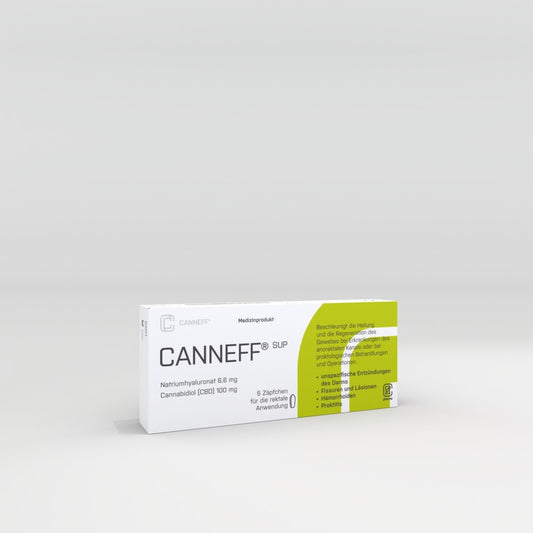
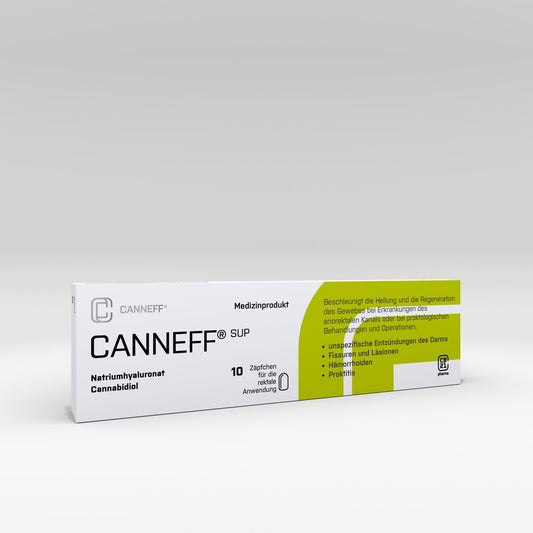
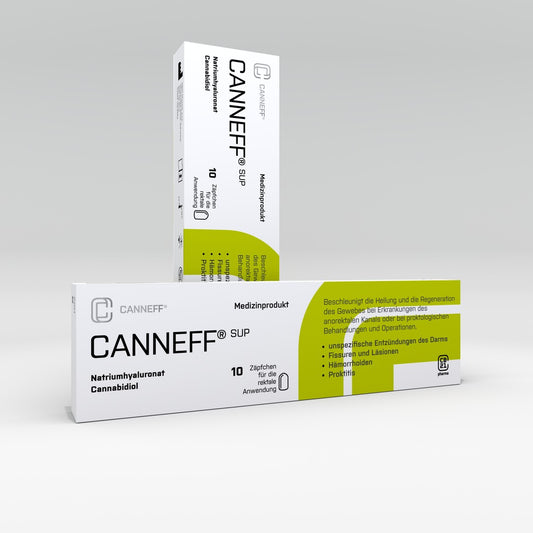
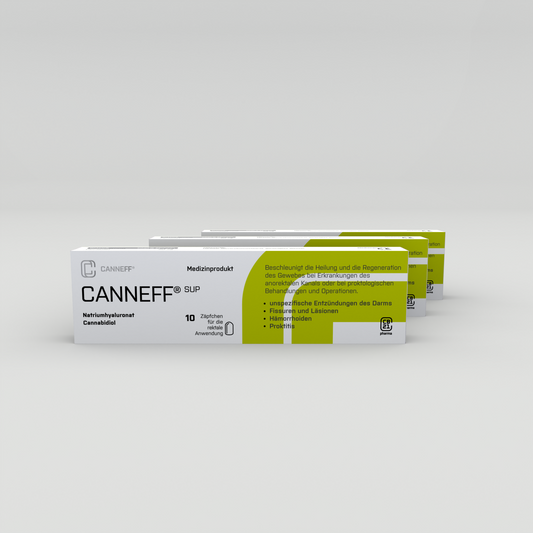
If hemorrhoids are the cause, they can be treated, for example, with suppositories like CANNEFF® SUP suppositories or ointments and creams. CANNEFF® SUP suppositories can effectively relieve anal itching and pain caused by hemorrhoids.
In cases of anal eczema caused by contact allergies, it is especially important to identify the allergenic ingredient and consequently avoid it completely. In fungal infections, antifungals are usually also used in the form of ointments. Just as important as the medicinal relief of symptoms are appropriate measures to prevent recurring anal eczema.
In summary, the treatment of anal eczema depends heavily on the causes and symptoms. It is therefore important to seek medical advice when anal eczema occurs to obtain an accurate diagnosis and the best treatment for your individual complaints. In addition to treating anal eczema, gentle and thorough hygiene of the anal area is an essential factor in the healing process. You can also find comprehensive information here on alternative therapy approaches for anal eczema, as well as on the herbal treatment of eczema in the anal area.
Which ointment is used to treat anal eczema?
Various ointments can be used to treat anal eczema, depending on the cause of the eczema and the severity of the symptoms of anal eczema. Doctors often prescribe zinc ointments, which have anti-inflammatory effects, soothe the skin, and protect against moisture. In cases of severe inflammation and anal itching, corticosteroid ointments are sometimes used. These can quickly and reliably relieve certain symptoms but should only be used for short periods to avoid side effects.
If the eczema is caused by a fungal infection, antifungal ointments help, while antibiotic ointments are used for bacterial infections. Moisturizing, re-fatting, but alcohol-free ointments should be applied regularly but thinly to the affected area. It is advisable to gently clean the skin with water and pat dry beforehand. Ointments can also soothe the skin and promote healing. However, a doctor should always be consulted before use to ensure a thorough diagnosis and consequently find the appropriate treatment. Read more here about the treatment of anal eczema.
Which suppositories are used to treat anal eczema?
CANNEFF® SUP suppositories for rectal use, containing CBD and hyaluronic acid, can relieve various symptoms and complaints in the anal region. The suppositories promote and support the healing process for hemorrhoids, anal fistulas, anal fissures, and other fissures and lesions in the intimate area. CANNEFF® SUP suppositories can also effectively relieve anal itching and pain associated with hemorrhoids. After colorectal surgeries, CANNEFF® SUP can help accelerate the healing process of the tissue in the anal canal and accordingly minimize discomfort at the anus. Read more here about the treatment of anal eczema with suppositories.
Are the costs for treating anal eczema covered by health insurance?
Yes, as a rule, the costs for treating an anal eczema are covered by statutory health insurance. This includes visits to the general practitioner, dermatologist, or proctologist, as well as necessary diagnostic measures and prescription medications such as ointments or creams. Further treatments, for example in cases of complications like infections or anal fistulas, are generally covered by the health insurance. Co-payments for certain medications are, of course, not excluded. Non-prescription care products or special medical products to relieve symptoms usually have to be paid for by the patient. It is advisable to check with your own health insurance provider if in doubt to get precise information about cost coverage for the diagnosis and treatment of anal eczema.
Which home remedies can I use to relieve the symptoms of eczema on the buttocks?
Various home remedies can help relieve the symptoms of an eczema on the buttocks. Sitz baths with anti-inflammatory additives like chamomile have soothing properties and can alleviate anal itching as well as irritation in the anal area. Zinc ointments can also act as a barrier and protect the affected skin. It is important to keep the skin dry, for example by gently patting it dry or wearing loose cotton underwear, to minimize friction and moisture in the anal area. Cold compresses can also reduce anal itching, anal burning, and swelling. Read more here about the treatment of anal eczema with home remedies. While home remedies can to some extent relieve the symptoms of anal eczema, they do not replace a doctor's visit with a thorough diagnosis of the anal eczema to initiate treatment appropriate to the cause of the eczema. Here you will also find comprehensive information on alternative therapy approaches for anal eczema, as well as on the herbal treatment of eczema in the anal area.
Is anal eczema dangerous?
From a medical perspective, anal eczema is generally not considered acutely dangerous. Initially, anal eczema is mainly very bothersome for those affected in everyday life and can cause significant distress due to the sometimes severe symptoms. Additionally, some patients also find anal eczema psychologically burdensome.
If anal eczema remains untreated, the existing rash in the anal area can worsen due to lack of therapy or become infected with bacteria and fungi. Such an infection requires timely diagnosis and treatment. In the worst case, especially in patients with weakened immune systems, it can spread further and cause serious health damage. In the case of bacteria and fungi, it is also important to consider the risk of transmission to people in your personal environment. Find more information here about the contagion risk of anal eczema. Additionally, some rare causes of anal eczema, especially tumors, may go undetected and therefore untreated. For this reason, we strongly recommend seeking medical and specialist evaluation and treatment if you have symptoms of anal eczema.
What diseases can untreated anal eczema cause?
Untreated anal eczema can cause a range of complications and secondary diseases that can affect both the skin around the anus and the deeper tissue structures in the anal area. Below, we will discuss the most common complications associated with anal eczema in more detail.
Chronic skin inflammations
Without treatment, anal eczema can lead to chronic inflammation of the skin in the anal area. Due to persistent anal itching and irritation, the skin thickens (lichenification), which further intensifies the discomfort. The skin can become cracked and scaly, making the healing process more difficult.
Secondary infections
A damaged skin barrier is susceptible to infections. Bacteria such as Staphylococcus aureus, or fungi, can penetrate the skin and cause painful infections. A bacterial infection can lead to a condition called impetigo, characterized by oozing, crusty skin lesions. Fungal infections often manifest as intense anal itching, anal burning, or redness in the affected area. Depending on the cause of anal eczema, it can spread rapidly in the intimate area without treatment and may also lead to vaginal infections or bladder infections.
Anal fissures
Repeated scratching or rubbing of the inflamed skin around the anus can cause small tears in the sensitive skin in the anal area. When so-called anal fissures occur, they are extremely painful, especially during bowel movements, and can also cause blood in the stool, anal itching, or anal burning. Without targeted treatment of anal fissures, the condition can worsen, and the fissures in the anal mucosa may enlarge or deepen, significantly impairing the patient's quality of life. Consequently, tears or cracks in the anal mucosa can also lead to anal abscesses or even anal fistulas.
Anal abscess and fistulas
In more severe cases, chronic inflammation can affect deeper tissue and lead to a bacterial infection. This infection can develop into an anal abscess, a pus-filled cavity in the tissue that causes severe pain. If the abscess expands further, an anal fistula may form – an abnormal channel connecting the skin with the rectum or anus. These complications usually require surgical treatment.
Worsening of existing hemorrhoids
In people with hemorrhoids, untreated anal eczema can cause additional irritation that worsens the condition of the hemorrhoids. The inflamed skin and surrounding tissue are further irritated by pressure and friction, leading to increased symptoms such as bleeding, pain, and swelling.
Thus, untreated anal eczema can have significant health consequences. To avoid complications with eczema on the buttocks, early treatment by a doctor is crucial to soothe the skin in the anal fold and prevent infections or deeper tissue damage in the anal area.
How can I prevent anal eczema?
For effective prevention of anal eczema, careful hygiene in the anal area and avoiding irritants are essential. Gentle and regular cleaning of the anal area is crucial to prevent skin irritation on the buttocks. Use lukewarm water and mild, fragrance-free intimate care products to clean the anal area. Harsh soaps or excessive washing can dry out the skin around the anus and damage the natural skin barrier of the intimate zone. Gentle drying is also important. Pat the area around the anus dry carefully to avoid excessive friction.
Use skincare products that are free of fragrances, alcohol, or preservatives to avoid skin reactions. For sensitive skin or increased moisture exposure, zinc-containing creams or ointments can provide some protection to the skin barrier. Proper care of the anal area after bowel movements is also a crucial factor in prevention.
Additionally, irritating foods such as spicy or heavily seasoned dishes should be avoided, as they can also cause skin irritation around the anus. Loose cotton clothing and underwear made from natural materials generally ensure better air circulation in the intimate area and prevent moisture and friction from damaging the skin on the buttocks. Read more about the causes of anal eczema here.
A healthy lifestyle is a key pillar in preventing eczema on the buttocks. Regular exercise greatly benefits bowel function and immune defense. Sports that put continuous pressure on the buttocks or pelvic floor, such as cycling, can increase the risk of anal eczema due to mechanical irritation. Be sure to thoroughly clean the affected skin areas after exercise and wear breathable clothing. Sweat and moisture in the buttock fold or intimate area create a thriving environment for fungi and bacteria. A fiber-rich diet and adequate fluid intake promote normal digestion and prevent constipation or diarrhea, which could irritate the anal skin. If you suffer from hemorrhoids, early treatment is advisable as they increase the risk of anal eczema. Find further information on measures for preventing anal eczema here.
Stress should also be avoided with anal eczema, as it can worsen skin conditions. Anal eczema can cause not only physical discomfort but also affect mental health by significantly impacting well-being, self-confidence, and quality of life. Read more about this in the blog post on Anal Eczema and Mental Health. Regular medical check-ups and early treatment at the first signs of anal eczema help prevent complications. Find more information about diagnosis and examinations in the blog post Anal Eczema Doctor.