

What is vaginitis?
Vaginitis, also known as inflammation of the vagina, often results from a disruption of the natural balance of the vaginal flora. Medically, this inflammatory condition of the vagina is called colpitis. Bacteria, fungi, or other pathogens can be the cause, which is then referred to as infectious vaginitis. During the menopause or hormonal changes, atrophic colpitis can also occur, while irritants from foreign bodies can trigger traumatic colpitis. The positive aspects of a colpitis condition usually become apparent quickly once symptoms appear.
What are the typical symptoms?
Typical symptoms of vaginitis include:
- Discharge from the vagina that smells unusual, is discolored, or has an unusual consistency.
- Itching or burning in the vagina and external genital area.
- Pain or discomfort during urination or sexual intercourse.
- Redness, swelling, or irritation of the external genitalia.
Other possible symptoms depending on the type of vaginitis include:
- Thin, fishy-smelling discharge with bacterial vaginosis.
- Thick, crumbly discharge and itching with yeast infections.
- Greenish, often foamy discharge with infections caused by trichomonads.
- Blisters, burning during urination, and bleeding can also occur.
Despite an infection, some women may show no symptoms.

What are the main factors that disrupt the balance of the vaginal flora?
The balance of the vaginal flora, consisting of various bacterial species and other microorganisms, is crucial for vaginal health. A disruption of this balance can lead to vaginitis. The main factors causing an imbalance are:
Antibiotic Therapy
Antibiotics not only fight harmful bacteria but can also kill the beneficial bacteria in the vagina. This can allow the growth of pathogenic organisms like yeast or harmful bacteria to spread unchecked.
Hormonal Changes
Fluctuations in hormone levels, such as those occurring during the menstrual cycle, pregnancy, menopause, or with hormonal contraceptives, affect the vaginal environment. A low estrogen level can alter the acidic environment of the vagina and promote the growth of unwanted microorganisms.
Use of spermicidal preparations or other vaginal products
Some vaginal products such as spermicidal preparations, intimate wash lotions, or fragrances can disrupt the natural balance of the vaginal flora and irritate the mucous membranes, which can lead to inflammation.
Sexual intercourse
Contact with various microorganisms during sexual intercourse can disturb the balance of the vaginal flora, especially with frequent partner changes or if partners are infected.
In addition to these main factors, there are a variety of risk factors that can disrupt the vaginal environment and increase the risk of vaginal infection:
- Excessive hygiene with alkaline soaps or wash lotions can impair the acidic environment of the vagina and promote the growth of harmful microorganisms.
- Estrogen deficiency, which often occurs during menopause, can lead to thin and dry vaginal tissue, increasing the risk of inflammation.
- Vaginal douching can disrupt the balance of the vaginal flora and impair the natural defense mechanisms of the vagina.
- Chemicals in certain products such as cleaning agents, deodorants, or tampons can irritate the sensitive vaginal environment and increase the risk of inflammation.
- Heavy menstrual bleeding can temporarily alter the acidic environment of the vagina and promote the growth of pathogenic organisms.
- A high number of sexual partners increases the risk of exposure to various microorganisms and can raise the likelihood of infections.
- Mechanical influences such as the use of tampons, vaginal diaphragms, intrauterine devices, or foreign bodies in the vagina can affect the vaginal environment and increase the risk of inflammation.
- Diseases such as diabetes mellitus or obesity can weaken the immune system and increase susceptibility to infections.
- The use of certain medications such as corticosteroids or cancer drugs can affect the balance of the vaginal flora and thus increase the risk of inflammation.
Which pathogens most commonly cause vaginal infections?
Vaginal infections can be caused by a variety of pathogens. The most common pathogens are Candida albicans, Gardnerella vaginalis, and Trichomonas vaginalis. In addition to these common pathogens, vaginal infections can also be caused by a variety of other microorganisms, including various bacteria such as chlamydia, staphylococci, streptococci, Escherichia coli, enterobacteria, mycoplasmas, and gonococci. Parasites like Trichomonas vaginalis can also lead to inflammation. Furthermore, viruses such as herpesviruses and, more rarely, worm infections can cause vaginal inflammation.
The exact pathogen is identified through microbiological tests such as swabs or cultures.
How can vaginal infections spread?
Vaginal infections can spread in various ways. Sexually transmitted diseases like trichomoniasis, chlamydia, or gonorrhea can be transmitted through unprotected sexual intercourse and lead to vaginal inflammation. Sharing personal items such as towels, underwear, or sex toys can also transmit bacteria, fungi, or other pathogens that can cause vaginal infections.

Which specific forms of vaginitis occur most frequently?
Candida albicans
This yeast fungus is one of the most common causes of vaginal yeast infections, especially in women with weakened immune systems or hormonal changes, for example during pregnancy or when taking antibiotics. Candida albicans can cause symptoms such as intense itching, white thick discharge, and pain during urination.
Gardnerella vaginalis
This is a bacterium closely associated with bacterial vaginosis, one of the most common causes of vaginal infections. Bacterial vaginosis results from an imbalance of the normal bacteria in the vagina, allowing Gardnerella vaginalis and other harmful bacteria to overgrow. This can cause symptoms such as unpleasant odor, thin gray discharge, and itching.
Trichomonas vaginalis
This single-celled parasite is the cause of trichomoniasis, a sexually transmitted infection. Trichomoniasis causes inflammation of the vagina and urinary tract and can lead to symptoms such as heavy, frothy discharge, itching, burning during urination, and pain during intercourse.
How do vaginal infections develop?
Vaginal infections usually occur due to a disruption of the normal balance of the vaginal flora. This disruption can be caused by various factors, such as the use of antibiotics, hormonal changes in the body, the use of vaginal products, or improper hygiene practices.
What specific causes are there for vaginal infections in prepubertal girls?
Vaginal infections are not uncommon in prepubertal girls and can have various causes. Anatomical peculiarities, the insertion of foreign objects into the vagina, infections from the mother during birth, and in some tragic cases, sexual abuse can lead to inflammation. A particular factor that makes prepubertal girls susceptible is the neutral vaginal environment with a pH of 7. Unlike an acidic environment, which normally protects against infections, a neutral environment offers less effective protection. This allows pathogens to multiply more easily and cause inflammation. Typically, bacterial vaginal infections arise from smear infections, for example from bacteria from the anal area such as Escherichia coli. Urinary tract infections or the presence of foreign bodies in the vagina can also trigger inflammation. The symptoms of vaginal infection in prepubertal girls can include redness, swelling, itching, burning, discharge, or pain during urination.
What causes vaginal infections in postmenopausal women?
In postmenopausal women, a drop in estrogen levels can occur, causing thinner and drier mucous membranes in the vagina. This increases the risk of vaginitis, especially Candida vaginitis and bacterial vaginosis. Estrogen deficiency affects the vaginal flora by inhibiting the growth of lactobacilli and promoting the growth of bacteria from other parts of the body. This raises the risk of vaginal infection. Additionally, estrogen deficiency causes the tissue layer in the vagina to become thinner and less well supplied with blood. Medically, this estrogen-deficiency-related vaginal inflammation is called atrophic colpitis or senile colpitis.
How do sexual activities and personal hygiene contribute to the development of vaginal infections?
Sexual activities increase the risk by disrupting the balance of the vaginal flora and potentially introducing pathogenic organisms. Using condoms during intercourse can reduce this risk and protect against sexually transmitted infections.
Improper personal hygiene practices can also disrupt the balance of the vaginal flora and increase the risk of inflammation. Excessive intimate hygiene, such as using perfumed soaps or douches, can permanently damage the sensitive intimate area. You should avoid vaginal douches and intimate deodorants and clean the intimate area only with lukewarm water and your hands, without using rough washcloths that can injure the delicate skin.
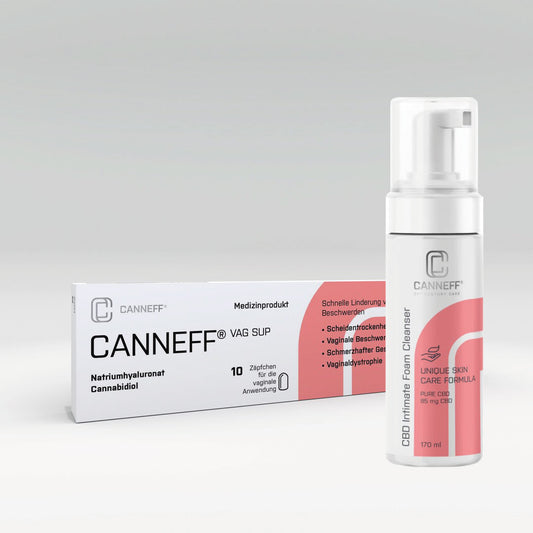
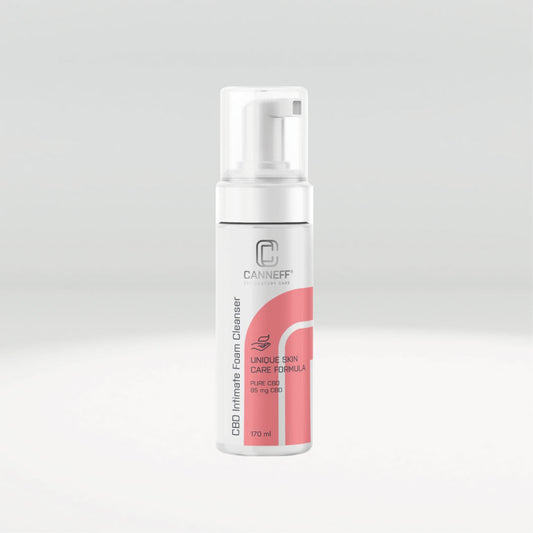
Using pH-neutral and fragrance-free intimate care products is important. The vagina cleans itself internally, so special care products like the CANNEFF Intimate Care Set are perfectly suitable. However, unpleasant odors or vaginal discharge should be examined by a doctor to rule out possible infections early.
Proper toilet and menstrual hygiene is also crucial to minimize the risk of vaginitis. It is important to clean from front to back to prevent intestinal germs from entering the vagina. During menstruation, sanitary pads, tampons, and panty liners should be changed regularly, as they provide an ideal breeding ground for bacteria and germs.
Wearing cotton underwear and avoiding synthetic materials like tight jeans are also important measures to allow ventilation and prevent the growth of harmful fungi and bacteria.
It is also advisable to quickly remove wet swimwear after swimming, as the moist and warm environment can promote the growth of harmful germs. Women who suffer from chronic vaginal infections should ideally avoid swimming pools.
Other potential causes of vaginitis include mechanical irritants such as tampons or foreign objects in the vagina, as well as excessive intimate hygiene with alkaline soaps or vaginal douches. Having many or frequently changing sexual partners can also increase the risk of vaginitis.
What additional factors can increase the risk of vaginitis?
Additional factors that can increase the risk of vaginitis include a weakened immune system, diabetes mellitus, pregnancy, stress, smoking, and the use of certain medications such as corticosteroids or immunosuppressants.
How is vaginitis diagnosed?
Vaginitis is usually diagnosed through a combination of medical history, physical examination, and laboratory tests. The doctor will ask you about your symptoms, perform a physical exam, and take samples for lab tests.
What signs indicate vaginal inflammation?
Signs of vaginal inflammation can include:
- Changes in vaginal discharge, such as unusual odor, color, or consistency.
- Itching or burning in the genital area.
- Pain during urination or sexual intercourse.
- Redness, swelling, or irritation of the external genitalia.
Which diagnostic procedures are used to identify vaginal inflammation?
The following diagnostic procedures can be used to identify vaginal inflammation:
- Examination of the discharge under a microscope to detect signs of yeasts, bacteria, or parasites.
- pH test of vaginal discharge, as an abnormal pH level can indicate vaginal inflammation.
- Cultures of vaginal discharge to precisely identify the pathogen.

How is the pathogen determined in a vaginal inflammation?
To determine the pathogen of a vaginal inflammation, a swab is usually taken from the vagina. These samples are then examined under a microscope, and the pH value of the vaginal environment is measured. If necessary, the swabs can also be sent to a microbiological laboratory. The identification of the pathogen is usually done through microbiological tests such as the culture of vaginal discharge. This allows the specific pathogen to be identified, whether it is a yeast like Candida albicans, certain types of bacteria like Gardnerella vaginalis, or a parasite like Trichomonas vaginalis. The choice of the right treatment method often depends on the identification of the pathogen.
What treatment approaches are there for vaginal inflammations and how can they be prevented?
Depending on the identified pathogen, there are different treatment approaches for vaginal inflammations. The treatment of colpitis can be both systemic and local.
How are vaginal inflammations treated and which medications are used?
For bacterial infections, antibiotics such as metronidazole or clindamycin are usually used, while fungal infections are treated with antifungals like clotrimazole or miconazole. Antibiotics such as metronidazole are also used for infections with trichomonads.
In addition, estrogen-containing creams, ovules, and suppositories can be used for younger girls or older women whose vaginal inflammation is caused by estrogen deficiency. A newer treatment option is laser therapy for vulvo-vaginal problems due to hormone deficiency. This treatment is especially suitable for women who do not want or are not allowed to use hormone therapy.
The choice of medication depends on the type of pathogen and the severity of the infection. It is important that treatment is carried out under medical supervision to ensure the correct medication is used in the appropriate dosage.
What are quick and effective measures for vaginitis?
Quick and effective measures for vaginitis can include:
- Follow the prescribed treatment.
- Avoid irritating substances such as perfumed soaps or shower gels.
- Wear cotton underwear and avoid tight clothing.
- Avoid sexual activity during treatment.
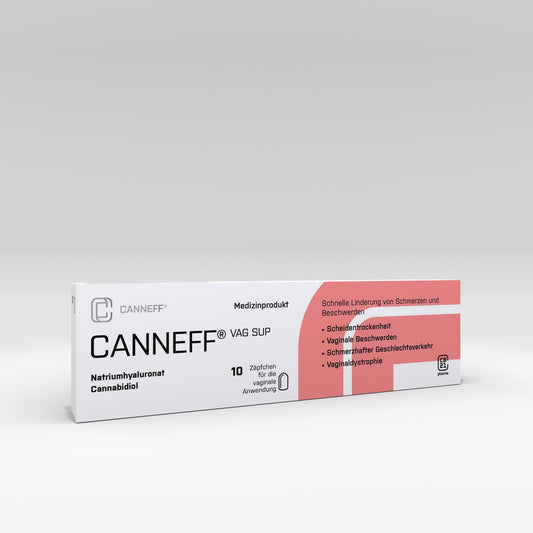
Special products like CANNEFF VAG SUP CBD Suppositories can provide relief from symptoms such as pain, burning, and itching caused by vaginal dryness as well as pain during intercourse. These suppositories use a patented emulsion matrix that enhances the release of hyaluronic acid. The hyaluronic acid is already in a water-soluble form that resembles the natural state in the body, allowing optimal absorption by the mucous membrane. This matrix increases the release of hyaluronic acid fivefold compared to conventional suppositories. Additionally, the suppositories contain medical cannabidiol (CBD), which has anti-inflammatory, antispasmodic, anxiolytic, antioxidant, and pain-relieving effects.
Which topical medications and creams are recommended for vaginitis?
For vaginitis, various topical medications and creams are available to relieve symptoms and fight the infection. Antifungals like clotrimazole or miconazole creams are especially effective against yeast infections, while antibiotic creams can be used for bacterial infections.
In addition, antiseptics can be used for local therapy, effective against bacteria, viruses, fungi, and protozoa. These are available in various forms such as vaginal suppositories, creams, tablets, or injections and can be used depending on the type of infection and individual preference.
How can home remedies help relieve symptoms of vaginitis?
Home remedies can help alleviate symptoms of vaginitis in various ways:
- Sitz baths with warm water and soothing additives like chamomile can help relieve itching and irritation.
- Using yogurt with live cultures can help promote the growth of beneficial bacteria and restore the balance of the vaginal flora. This can be taken orally or applied topically.
- Coconut oil can be used as a natural lubricant to relieve dryness and irritation. It also has antimicrobial properties that can help fight infections.
How can you prevent a vaginal infection and minimize the risk of illness?
To prevent a vaginal infection and minimize the risk of illness, various measures can be taken. An important protective factor is the use of condoms during sexual intercourse, especially with new partners, to reduce the risk of sexually transmitted infections. Careful cleaning of the intimate area is also important, making sure not to overdo it to avoid disturbing the natural vaginal flora. It is advisable to avoid excessive use of soaps, intimate sprays, or vaginal douches, as these can impair the natural protective mechanisms of the vagina.
Furthermore, wearing breathable cotton underwear and avoiding tight clothing can help reduce moisture in the genital area and prevent an ideal environment for the growth of microorganisms. Good personal hygiene, including promptly changing wet swimsuits or sportswear after swimming or exercising, is also important.
Since antibiotics can disrupt the balance of the vaginal microbiota, you should discuss measures with your doctor to reduce the risk of vaginitis.
Are there special treatment recommendations for pregnant women with a vaginal infection?
For pregnant women with a vaginal infection, special treatment recommendations may apply, depending on the severity of the infection and the stage of pregnancy. Usually, medications considered safe during pregnancy are chosen. It is strongly recommended to seek medical help early to avoid complications. A vaginal infection during pregnancy carries various risks. Possible consequences include premature labor, premature rupture of membranes, or even preterm birth. Additionally, there is a risk that the mother may infect the baby with the pathogen during delivery. Certain pathogens such as herpes viruses, gonococci, or the bacterium Chlamydia trachomatis can cause infections in the baby, such as conjunctivitis. In some cases, the option of a cesarean section must be considered to minimize the risk of transmitting the pathogen to the baby.
Is self-healing possible with vaginal infections?
In mild cases of vaginal infections, especially if caused by temporary factors like hormonal changes, self-healing is possible. However, it is advisable to see a doctor to determine the exact cause of the inflammation and receive appropriate treatment.
Under what circumstances should you definitely see a doctor?
It is advisable to see a gynecologist if you notice symptoms such as unusual discharge, itching, pain, or bleeding in the vaginal area, or if your symptoms worsen. Medical help is especially important if the symptoms are severe, last longer than a few days, show signs of a serious infection (such as fever or severe lower abdominal pain), self-treatment does not help, or if you suffer from recurrent vaginal infections.
What measures does the doctor take to treat a vaginal infection?
When treating a vaginal infection, the doctor takes various measures. First, depending on the type of pathogen, they prescribe appropriate medications such as antifungals, antibiotics, or other drugs. Additionally, they provide hygiene recommendations to improve vaginal hygiene and support the natural balance of the vaginal flora. The doctor also advises on avoiding irritants or risk factors that can lead to recurring infections to prevent future inflammations. Furthermore, they carefully monitor the symptoms and adjust the treatment if necessary to ensure a successful outcome. To restore the natural pH balance in the vagina, suppositories, tablets, and capsules containing lactic acid bacteria may also be prescribed to help strengthen the healthy vaginal flora and reduce the risk of the infection recurring.