

What is premenstrual syndrome (PMS)?
Premenstrual syndrome (PMS) manifests in women of childbearing age in the days before menstruation through a variety of physical and psychological complaints. These symptoms occur in about half of the cases. Typical physical complaints include breast tenderness and water retention, while psychological symptoms may present as irritability or depressive moods. It should be noted that PMS differs from menstrual cramps, as the symptoms subside with the onset of menstruation. Treatment of PMS can include a variety of measures aimed at relieving symptoms. Treatment options include lifestyle improvements, the use of herbal preparations, medication therapies, and psychotherapeutic support. The choice of appropriate treatment depends on the individual situation of the affected woman and the severity of the symptoms.
Prevalence - How common is PMS?
About 20 to 30 percent of all women of childbearing age find the symptoms of premenstrual syndrome (PMS) distressing. In an estimated 2 to 8 percent, the symptoms are so severe that they significantly impair social and professional life. These numbers are alarmingly high considering the poor knowledge base regarding the causes and treatment of PMS.

Symptoms - What are the signs of PMS?
The symptoms of premenstrual syndrome (PMS) vary greatly in type and severity. Some women experience mild symptoms for only a few days, while others suffer from severe symptoms throughout the entire second half of the cycle and eagerly await the start of their period. The diverse symptoms of premenstrual syndrome can generally be divided into two main categories: physical symptoms and psychological symptoms.
What physical PMS symptoms are there?
The symptoms of premenstrual syndrome (PMS) manifest in a variety of physical complaints that can significantly affect the daily lives of affected women:
Cravings or loss of appetite in PMS
Cravings or loss of appetite are typical symptoms of premenstrual syndrome (PMS) that many women experience in the phase before their menstruation. These fluctuations in appetite can vary greatly and are often influenced by hormonal changes during the menstrual cycle.
Skin changes in PMS
The menstrual cycle is primarily caused by changes in the levels of the hormones estrogen and progesterone. These hormones have a significant impact on skin health and can affect its appearance in various ways. Typical skin changes associated with PMS include acne and blemishes, oiliness or dryness, as well as sensitivity and redness.
Weight gain due to water retention in the body in PMS
Weight gain due to water retention in the body is a common symptom of premenstrual syndrome (PMS) experienced by many women in the days before their menstruation. This temporary weight gain is mainly due to fluid retention caused by hormonal fluctuations during the menstrual cycle. The hormones progesterone and estrogen play a crucial role in regulating the body's water and salt balance. Before menstruation, changes in the levels of these hormones can cause the body to retain more fluid than usual, resulting in swelling, especially in the hands, feet, and abdominal area. This can lead to a feeling of fullness and increased body weight, although it is not an actual increase in body fat.
General fatigue and exhaustion in PMS
General fatigue and exhaustion are common symptoms of premenstrual syndrome (PMS) experienced by many women in the days before their menstruation. These symptoms manifest as a feeling of physical weakness, reduced energy, and decreased mental clarity, which can impair daily functioning.
Lower abdominal cramps in PMS
Lower abdominal cramps are a central and often very painful symptom of premenstrual syndrome (PMS). These cramps, also known as dysmenorrhea, occur when the uterus contracts to shed the uterine lining during menstruation. Hormonal fluctuations, especially prostaglandin, which is involved in regulating these muscle contractions, can lead to stronger and more painful contractions. The intensity of lower abdominal cramps can range from mild, uncomfortable pulling to severe, cramp-like pain that in some cases is so intense it disrupts normal daily activities and work ability. The pain described by patients is often characterized as wave-like or stabbing and can radiate to the lower back and thighs.
Gastrointestinal problems in PMS
Gastrointestinal complaints are another common symptom of premenstrual syndrome (PMS), with their occurrence influenced by hormonal fluctuations during the menstrual cycle. The hormonal changes associated with PMS can cause a range of digestive issues, including bloating, constipation, and diarrhea.
Headaches and back pain in PMS
Headaches and back pain are common and debilitating symptoms of premenstrual syndrome (PMS), with intensity that can vary individually. These pains may start as mild discomfort but can develop into severe issues that significantly impact daily life and work ability. The headaches occurring with PMS can be experienced as tension headaches or migraine-like pains. The latter are often accompanied by nausea, light, and sound sensitivity. These headaches are often the result of hormonal fluctuations, especially of estrogen and progesterone, that occur before menstruation.
Nausea and circulatory problems in PMS
Some women experience nausea and circulatory problems, which can be accompanied by dizziness and general malaise.
These symptoms are not only associated with physical discomfort but can also affect emotional and psychological well-being. The intensity and occurrence of these complaints can also vary from cycle to cycle.
Breast pain and tenderness in PMS
Pain and tenderness in the breasts are common symptoms of premenstrual syndrome (PMS) experienced by many women during their menstrual cycle. These complaints are also referred to as mastodynia in medical literature and are typically caused by the hormonal fluctuations that occur before menstruation. In particular, the rise and subsequent fall of hormones such as estrogen and progesterone can cause breast tissue to become more sensitive and swollen.
The list of physical symptoms that can occur with PMS is incomplete and is continuously expanded as PMS research progresses; some additional symptoms are listed here:
Conscious awareness of heartbeats (palpitations), breast fullness and pain, cramps, heaviness or pressure in the lower abdomen, dizziness including lightheadedness, tendency to bruise, fainting, hot flashes, insomnia including difficulty falling asleep and staying asleep at night, tingling and stabbing sensations in the hands and feet, and swelling of hands and feet.
What psychological PMS symptoms are there?
Mood swings from hyperactivity to depression in PMS
Daily mood swings ranging from hyperactivity to depression are characteristic and often distressing symptoms of premenstrual syndrome (PMS). These emotional changes can be influenced by hormonal fluctuations during the menstrual cycle, particularly the rise and fall of estrogen and progesterone. Some women experience a phase of increased energy and hyperactivity before their period. This can manifest as increased talkativeness, heightened motivation, and a general feeling of euphoria. However, these states are often short-lived and can abruptly switch to opposite emotions, including deep depressive moods. Furthermore, women may feel down, hopeless, or overly critical of themselves. These feelings of sadness and emptiness are not only an emotional burden but can also impact social and professional life.
Lack of Drive in PMS
Lack of drive is a common accompanying symptom of the female menstrual cycle. It manifests as a general lack of motivation, energy, and interest in activities that normally bring joy or engagement. Hormonal fluctuations, especially changes in the levels of the hormones estrogen and progesterone, play a significant role in the development of this symptom. During the menstrual cycle, these hormones affect not only the physical condition but also mood and energy levels. For example, a drop in estrogen levels can directly influence serotonin production, leading to feelings of fatigue and lack of drive.
Anxiety and Aggressiveness in PMS
Anxiety and aggression are two psychological symptoms often associated with premenstrual syndrome (PMS). These emotional reactions can be intensified by hormonal fluctuations during the menstrual cycle and have a significant impact on daily life. It is observed that many women experience increased feelings of anxiety in the days before their period. These can manifest as nervousness, worries, panic attacks, or a general feeling of restlessness. The rise and fall of hormones, especially progesterone, can affect the central nervous system and increase sensitivity to anxiety. Along with anxiety, aggression can also occur. Women report increased irritability, short tempers, and even outbursts of anger and unmotivated crying. These emotional outbursts are often a direct consequence of feelings of overwhelm or frustration caused by other PMS symptoms such as sleep disturbances or physical complaints.
Do I have PMS or am I pregnant?
Some symptoms of premenstrual syndrome (PMS), such as mood swings, lower abdominal pain, nausea, and cravings, can easily be confused with early signs of pregnancy. These overlaps can cause confusion, especially in the days before the expected start of menstruation.
However, specific symptoms can be identified that are more indicative of pregnancy than PMS. These include especially morning sickness, a consistently slightly elevated body temperature, and pronounced exhaustion that goes beyond the usual level of tiredness that can occur with premenstrual syndrome. These symptoms typically manifest in a clear and persistent form during pregnancy.
The uncertainty between PMS and a possible pregnancy usually resolves when the expected menstrual bleeding does not occur. The absence of a period is generally the clearest sign of pregnancy, especially for women with a regular menstrual cycle. To be sure, a pregnancy test can be taken, which is capable of detecting even small amounts of the pregnancy hormone hCG in the urine.
What is Premenstrual Dysphoric Disorder (PMDD)?
About 3–5% of women suffer from a particularly severe form of premenstrual syndrome called premenstrual dysphoric disorder (PMDD). The psychological symptoms that occur with PMDD are intense enough to make it difficult for those affected to manage their daily lives. These include irritability, anger, aggression, anxiety, and depression. These symptoms have significant impacts on the social, family, and professional lives of those affected. These conditions go far beyond the typical complaints of PMS and require targeted treatment. PMDD can severely impair daily functioning and often requires a combination of medical and psychological therapeutic approaches.

Causes - What causes premenstrual syndrome?
The causes of PMS are not fully understood, yet premenstrual syndrome (PMS) is a common experience for many women. However, there are some theories pointing to various possible triggers.
Hormonal fluctuations in PMS
One theory relates to the hormones in our body, especially estrogen and progesterone. Changes in the levels of these hormones could lead to symptoms, as could an overproduction of other hormones like aldosterone and ADH, which may promote water retention.
Genetics and PMS
There is also evidence that our genes might play a role. If premenstrual syndrome occurs frequently in your family, you may be genetically predisposed to develop symptoms as well.
Neurotransmitters and PMS
Another interesting aspect is the serotonin level, an important neurotransmitter in the brain that regulates our mood. Low serotonin levels can cause PMS in some women. Medications that increase serotonin levels sometimes help alleviate PMS symptoms. The GABA system also seems to play a role, particularly the interaction with the progesterone metabolite allopregnanolone.
Nutrition and PMS
Finally, a nutrient deficiency, especially of magnesium and calcium, can also play a role. These minerals are crucial for many bodily functions, and a deficiency can cause a variety of symptoms, including those associated with premenstrual syndrome.
Further research is urgently needed to better understand these connections and to offer more effective treatments. Until then, premenstrual syndrome remains a mystery that science has yet to solve.
What role do hormones play in PMS?
Hormonal fluctuations are one of the main causes of premenstrual syndrome (PMS). This primarily includes an imbalance of the sex hormones progesterone and estrogen. But prolactin, which is produced in the pituitary gland during the second half of the cycle, also contributes to symptoms such as painful tension and swelling of the breast tissue.
Thyroid hormones also play an important role, as they can strongly affect a woman's physical and mental well-being.
The hormonal fluctuations that occur during the menstrual cycle are not only responsible for direct physical changes but also influence the balance of electrolytes and fluids in the body. These shifts can contribute to premenstrual symptoms (PMS) in some women. It is particularly believed that metabolites produced during the breakdown of the hormone progesterone (allopregnanolone) may play a role in triggering PMS symptoms, as allopregnanolone positively modulates GABAA receptors.
Furthermore, it is believed that women with PMS may have a higher sensitivity to interactions between progesterone and certain neurotransmitters like serotonin. Serotonin, an important messenger in the brain, is known for its role in regulating mood and emotional well-being. Therefore, imbalances in this neurotransmitter can lead to typical emotional symptoms of PMS such as mood swings and irritability.
The complex interactions between hormones, electrolytes, and neurotransmitters illustrate the multifaceted causes of PMS and explain why the symptoms can be so diverse and individually variable. Understanding these connections is crucial for developing effective treatment strategies that not only alleviate symptoms but also improve the quality of life for affected women.
What other causes of PMS are there?
Serotonin levels and PMS
Another important factor is the serotonin level in the brain. Fluctuations, especially the rapid drop after ovulation, can lead to irritability and depressive moods.
Chronic stress and PMS
Chronic stress can also lead to hormonal imbalances, while psychological stress can be caused by both excessively high and low levels of sex hormones.
Dietary habits and PMS
Dietary habits also influence the symptoms of premenstrual syndrome. A diet high in salt can promote water retention, while the consumption of stimulants like coffee and tea can increase irritability and hypersensitivity. Therefore, it is recommended to limit these in the second half of the cycle.
Alcohol consumption and PMS
Alcohol can worsen psychological symptoms such as anxiety or aggression, so women are advised to avoid it during the second half of their cycle.
Smoking and PMS
Smoking not only directly affects the hormonal balance but also depletes the body of important vitamins and minerals, which worsens blood circulation and can intensify symptoms like headaches.
In summary, a variety of factors, including hormonal, nutritional, and psychological, can influence the intensity and occurrence of PMS symptoms. A comprehensive consideration of these aspects is therefore crucial for understanding and treating premenstrual syndrome.
Diagnosis - How is PMS diagnosed?
Women who regularly suffer from premenstrual symptoms are advised to consult a gynecologist. This is especially important if the symptoms significantly affect daily life or social relationships. The treating doctor will first assess whether the reported symptoms indicate premenstrual syndrome (PMS) or another cause.
During the detailed medical history, other possible conditions that can cause similar symptoms, such as depression or thyroid disorders, are ruled out. For an accurate diagnosis, detailed information about the type, duration, and timing of symptoms is essential. Keeping a diary for two to three months can be very helpful in this context. It is crucial for the affected woman to record the exact times when symptoms occur and the factors that influence their intensity. Documenting symptoms in a symptom diary allows the treating physician to recognize connections between symptoms and the menstrual cycle. This is crucial for diagnosing PMS. Modern technologies like cycle-tracking apps can facilitate keeping such diaries and should be continued during treatment to evaluate its success.
Following the medical history, a gynecological examination is conducted, and in certain cases, an ultrasound may also be indicated. A blood test can provide insight into whether there are hormonal irregularities. Although most women with PMS have hormone levels within the normal range, PMS cannot be ruled out if hormone levels are normal.
Therapy - How is PMS and PMDS treated?
Due to the complex causes of premenstrual syndrome (PMS), treatment primarily aims to alleviate individual symptoms. Since PMS is influenced by a combination of various factors, a holistic therapeutic approach is often the most effective.
General measures for PMS
A balanced diet and regular physical activity are fundamental measures that can help reduce premenstrual symptoms. In particular, avoiding coffee and nicotine during the second half of the cycle can have positive effects on hormone balance and overall well-being. Relaxation techniques also play an important role in treating PMS. Yoga and autogenic training promote mental and physical relaxation, which can help reduce stress and alleviate the psychological symptoms of PMS. Hot baths and massages are further effective methods for relieving muscle tension and easing general complaints such as back and headache pain.
Medications for PMS
Treatment options often include antidepressants, especially selective serotonin reuptake inhibitors (SSRIs), which can help stabilize mood and reduce anxiety. Additionally, hormonal treatments such as oral contraceptives or hormone therapy can be used to regulate hormonal fluctuations. Effective treatment requires an accurate diagnosis by a specialist, as PMDS needs specific medical and psychological care to sustainably improve the quality of life for those affected.
Hormonal contraceptives for PMS
Hormonal contraceptives offer an effective way for women who do not wish to conceive to control symptoms. Available options include the birth control pill, hormone patch, and depot injection. However, these methods can also cause side effects such as headaches or nausea and carry a slightly increased risk of thrombosis.
Nonsteroidal anti-inflammatory drugs (NSAIDs) for PMS
Nonsteroidal anti-inflammatory drugs (NSAIDs), such as ibuprofen or diclofenac, are common treatment options for relieving pain, for example, headaches, abdominal pain, and back pain. Taking these medications effectively reduces pain and swelling caused by inflammatory processes.
Diuretics for PMS
Diuretics, also known as water pills, can provide relief for women suffering from water retention in the breasts, arms, or legs. These medications promote the elimination of fluid from the body, leading to a reduction in swelling and the associated discomfort.
Antidepressants for PMS
For severe psychological symptoms such as depression, selective serotonin reuptake inhibitors (SSRIs) can be an effective treatment option. SSRIs regulate serotonin levels in the brain, which can stabilize mood and reduce anxiety. However, this treatment should always be carried out under medical supervision to maximize effectiveness and monitor potential side effects.
Homeopathy, medicinal plants, and supplements for PMS
Many people rely on complementary therapies for treating premenstrual syndrome (PMS), even though scientific evidence for some of these methods is still lacking. Nevertheless, many affected individuals report noticeable relief of their symptoms through such alternative approaches. Homeopathy offers various remedies that can be specifically tailored to the different symptoms of PMS.
Calcium carbonicum for PMS
Calcium carbonicum is often used to treat water retention, especially when accompanied by swollen breasts.
Pulsatilla for PMS
Pulsatilla is another homeopathic remedy recommended for emotional PMS symptoms such as sadness and frequent crying.
Natrium muriaticum for PMS
Natrium muriaticum can be helpful for irritability, emotional sensitivity, and tendency to cry.
Cyclamen for PMS
Cyclamen is often used for painful swollen breasts and migraine-like headaches.
Cannabis sativa for PMS
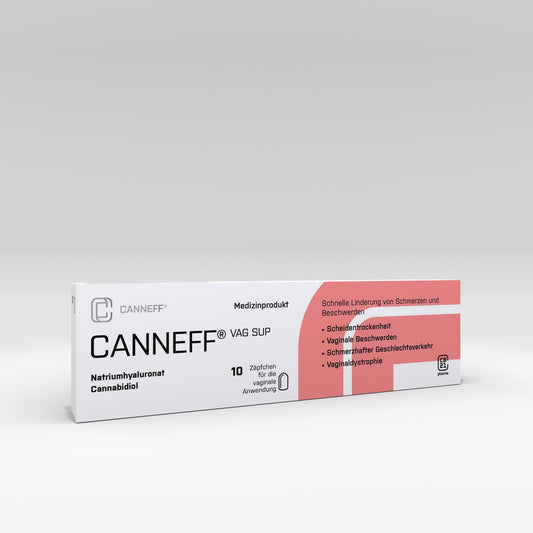
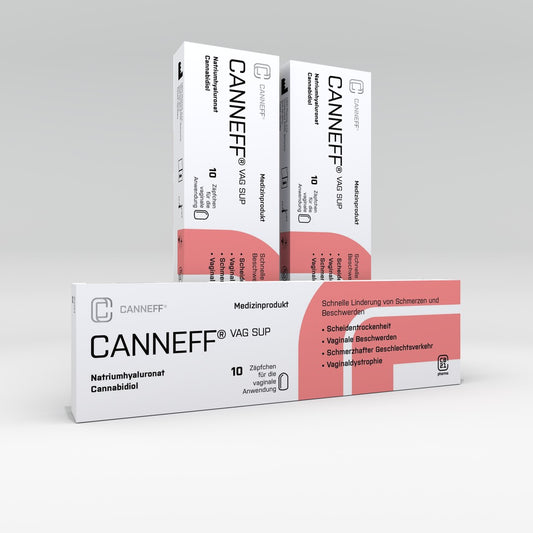
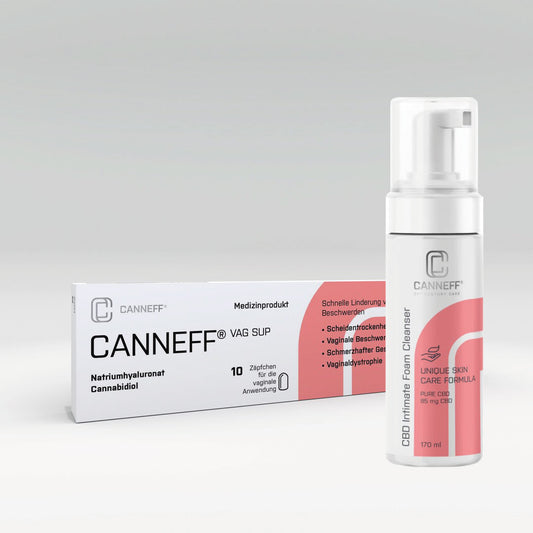
Hemp products have been used for women's complaints for thousands of years. The relaxing effect is particularly emphasized. Innovative medical products such as CANNEFF vaginal suppositories with CBD and hyaluronic acid are also helpful in relieving certain PMS symptoms.
Chasteberry for PMS
Chasteberry is used for all complaints of premenstrual syndrome (PMS). These include breast tension pain, lower abdominal pain, headaches, bloating, and menstrual cycle disorders.
St. John's Wort for PMS
Many women's moods are influenced by their cycle, especially before their period. For some women, this regularly leads to mood deterioration. St. John's wort can help relieve depression and improve mood in these cases.
We point out that the list of ingredients helpful for PMS is much longer and also includes, for example: evening primrose oil, extracts of yam root, calcium and high doses of vitamin B6, magnesium, isoflavones, fish oil capsules, or vitamin E.

Course - How does premenstrual syndrome progress?
Predicting the course of premenstrual syndrome (PMS) is challenging due to the varying intensity of symptoms from cycle to cycle.
Premenstrual syndrome (PMS) typically manifests in the second phase of the menstrual cycle, that is, after ovulation. The duration of symptoms can vary from a few days to two weeks and can be a significant burden for some women throughout the entire second half of the cycle. It should be noted that these complaints usually disappear with the start of menstrual bleeding and are thus clearly distinguishable from menstrual pain. Although there is no uniform treatment method that is equally effective for all women, various therapeutic measures show a relieving effect for many affected individuals. These treatments allow many women to better cope with the days before menstruation and continue their daily activities with fewer restrictions.
It should be noted here that not every woman experiences premenstrual symptoms and that these symptoms do not have to occur in every cycle for affected women. Premenstrual complaints represent a significant burden for women of childbearing age, especially between 30 and 40 years old. During menopause, there can be an increase in premenstrual complaints. A positive message for those suffering from PMS is that this problem usually disappears with the onset of menopause. After menopause, when menstrual bleeding completely stops, premenstrual syndrome usually also disappears. During menopause, there is a permanent change in the hormonal balance, which ultimately leads to the subsiding of PMS symptoms. This phase often marks the end of premenstrual complaints. Until then, individually tailored treatment approaches can help significantly improve quality of life.
Prevention - How can PMS be prevented?
It is not possible to prevent premenstrual syndrome (PMS). However, there are ways to alleviate the distress caused by PMS each month. In this context, doctors recommend a healthy lifestyle with sufficient sleep, regular exercise, and relaxation techniques. Another way to counteract the monthly symptoms is a healthy diet. This should contain little salt, chocolate, alcohol, and caffeine, but more whole grains, fruits, vegetables, protein-rich foods, and omega-3 fatty acids. The symptoms that occur are treated as best as possible from a medical perspective, but this does not represent a lasting cure for the condition.