

What are the most common causes of blood in the stool?
The most common causes of blood in the stool can be varied and range from harmless to serious diseases of the gastrointestinal tract. Bloody deposits or discolorations of the stool often occur due to hemorrhoids, anal fissures, or intestinal polyps. These common complaints usually lead to fresh, bright red blood, which is mostly visible on the stool or toilet paper.
With black blood in the stool, also known as tarry stool, the cause often lies in the upper digestive tract, such as with stomach ulcers or inflammatory changes caused by chronic acid reflux. These bleedings darken the stool because the blood is altered by contact with stomach acid.
Blood in the stool can also be caused by chronic inflammatory diseases such as Crohn's disease or ulcerative colitis. In these cases, mucus often appears alongside blood, as well as diarrhea. Intestinal polyps, which are usually benign, can also cause bleeding, especially if they reach a certain size or become injured. In some cases, malignant changes develop from such polyps, which is why early treatment is important.
Infections caused by viruses, bacteria, or parasites, as well as side effects of certain medications like blood thinners, can also trigger bloody stools. Less common but equally serious are malignant tumors in the intestines or anus, which can lead to bloody symptoms.
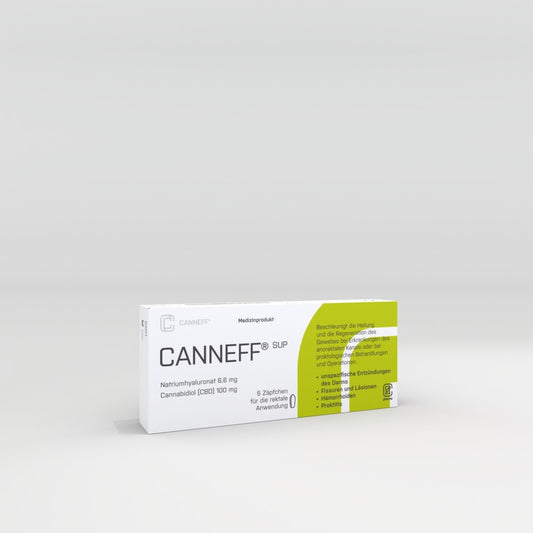
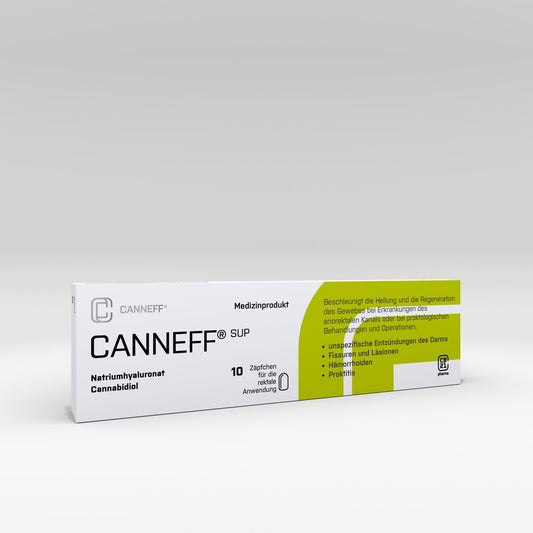
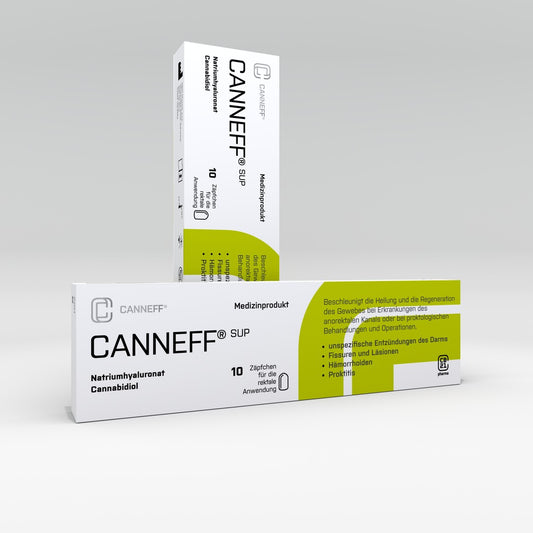
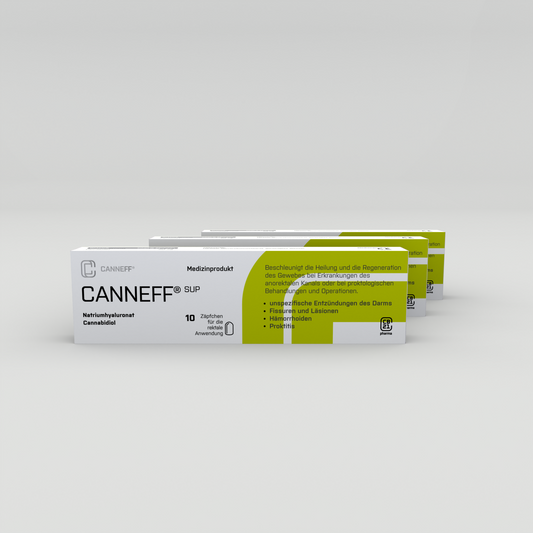
Each of these causes requires a thorough examination to initiate appropriate treatment. Products like CANNEFF® SUP suppositories can support treatment of hemorrhoids, fissures, or inflammation in the anal canal, as they promote healing and relieve symptoms such as pain or itching.
What diseases can cause blood in stool?
Blood in stool can be caused by various diseases that occur in both the upper and lower digestive tract. The most common causes in the anal area include hemorrhoids and anal fissures, which leave fresh, bright red blood on stool or toilet paper. Anal thromboses and anal fistulas can also cause bloody symptoms, often accompanied by swelling or pain.
In the colon area, bleeding often occurs due to colon polyps, inflamed diverticula, or chronic inflammatory diseases like Crohn's disease and ulcerative colitis. These diseases are often characterized by mucous or bloody stools and are accompanied by other symptoms such as abdominal pain.
Bleeding from the upper digestive tract, such as with stomach ulcers, usually leads to dark or black stool (tar stool). Such bleeding often occurs due to stomach acid contact and can be a sign of more serious diseases like stomach or duodenal cancer.
|
Disease |
Color of the blood |
|
Hemorrhoids |
Bright red (mostly on stool or toilet paper) |
|
Anal fissures |
Bright red (often on toilet paper, after hard stool) |
|
Anal thrombosis |
Bright red (occasionally, accompanied by swelling) |
|
Anal abscess |
Bright red (sometimes with pus formation) |
|
Anal fistula |
Bright red (possibly mixed with mucus/pus) |
|
Anal eczema |
Bright red (with inflamed or injured skin) |
|
Anal itching |
Bright red (due to scratching or irritated skin) |
|
Anal burning |
Bright red (occasionally due to mucous membrane irritation) |
|
Skin tags |
No bleeding (rarely bright red due to injury) |
|
Cryptitis |
Bright red (often mucous due to inflammation) |
|
Proctitis |
Bright red to dark red (often with mucous admixtures) |
|
Prostatitis |
Bright red (rare, with accompanying rectal inflammation) |
|
Blood in stool from stomach ulcer |
Black (melena, due to contact with stomach acid) |
|
Crohn's disease |
Dark red to black (often with mucus) |
|
Ulcerative colitis |
Dark red to bright red (episodic, often mucous) |
|
Colon polyps |
Dark red (with injury or irritation) |
|
Diverticulitis |
Dark red (with inflamed or torn diverticula) |
|
Colon cancer |
Dark red to black (depending on the bleeding source) |
How does bright red blood in the stool differ from black blood (melena)?
Bright red blood in the stool usually comes from the lower digestive tract, such as the rectum or anus, and indicates hemorrhoids, anal fissures, or similar conditions. Black blood (melena) points to a bleeding source in the upper digestive tract, such as the stomach or duodenum, as the blood is oxidized and darkened by stomach acid.
What does occult blood in the stool mean, and how is it detected?
Occult blood in the stool is not visible to the naked eye and often indicates minor bleeding in the digestive tract. It is detected through special tests such as the immunological fecal occult blood test (iFOBT) or the Hämoccult test, which can detect even minimal traces of blood.
What role do hemorrhoids play in blood in the stool?
Hemorrhoids are one of the most common causes of blood in the stool. They arise from enlarged vascular cushions in the anal canal, which can be easily injured, especially during hard bowel movements or strong straining. Typically, bleeding manifests as bright red blood on toilet paper or as streaks on the stool.
The article Hemorrhoids explains that this condition occurs in various stages. In Hemorrhoid Stages, it becomes clear that bleeding is especially common in Hemorrhoids Grade I and Hemorrhoids Grade II, as the hemorrhoids in these stages are often irritated by friction or pressure. The articles Hemorrhoids Grade I Treatment and Hemorrhoids Grade II Treatment provide insights on how symptoms like bleeding can be effectively treated.
In advanced cases, described in Hemorrhoids Grade III and Hemorrhoids Grade IV, bleeding occurs more intensely and can be accompanied by mucus discharge and pain. The article Hemorrhoid Treatment offers approaches to relieve the symptoms.
Blood in stool caused by hemorrhoids is often harmless but should be taken seriously, as explained in the blog “Hemorrhoids or Anal Fissures?” because similar symptoms can also indicate other conditions like anal fissures or polyps. The articles provide a comprehensive overview of prevention and treatment of this common cause of bleeding. Read more here about bleeding hemorrhoids.
How can you tell if blood in the stool is dangerous?
Blood in stool can have both harmless and serious causes. The color and amount of blood, as well as accompanying symptoms, are crucial. Bright red blood often points to harmless causes like hemorrhoids or anal fissures, which are described in more detail in the articles Hemorrhoids and Anal Fissures. In these cases, the blood usually appears on the toilet paper or as streaks on the stool.
Dark red or black-colored blood, as explained in Hemorrhoid Stages and Hemorrhoid Grade III Treatment, can indicate bleeding in the upper digestive tract, such as from stomach ulcers or tumors. Black, tarry stool (melena) results from blood mixing with stomach acid and should be medically evaluated immediately.
Warning signs indicating a more serious cause include:
- Persistent or severe bleeding, as mentioned in Hemorrhoids Grade IV.
- Accompanying symptoms such as abdominal pain, diarrhea, or weight loss, which may be associated with chronic inflammatory bowel diseases or colon cancer.
- Mucous or purulent admixtures in stool, as described in Anal Fissure Symptoms and Proctitis.
The article Hemorrhoid Treatment Surgery emphasizes that recurring or severe bleeding that does not respond to conservative measures requires thorough medical evaluation. Even smaller but persistent bleeding should not be ignored, as explained in Hemorrhoids or Anal Fissures, since it may indicate underlying problems.
The rule is: In case of uncertainty, severe symptoms, or dark blood in stool, a doctor should always be consulted.
When should you see a doctor for blood in stool?
Blood in stool should always be medically evaluated, as the causes can range from harmless issues like hemorrhoids to more serious conditions such as colon cancer. The timing for a doctor's visit depends on the type of blood, frequency, and accompanying symptoms. Read more here about the doctor's visit for blood in stool.
Bright red blood, as often occurs with hemorrhoids or anal fissures, can be caused by irritation or small injuries in the anal area. These cases, which are discussed in the articles hemorrhoids and anal fissure symptoms, are often harmless. However, if the bleeding occurs regularly, worsens, or is accompanied by symptoms such as itching, burning sensation, or pain, a doctor should be consulted.
Dark red or black blood in stool, as described in hemorrhoid stages and hemorrhoid grade IV, indicates possible bleeding in the upper digestive tract. This may involve serious conditions such as stomach ulcers, polyps, or tumors. Such symptoms are a clear reason for an immediate doctor's visit.
Accompanying symptoms such as abdominal pain, unexplained weight loss, persistent diarrhea, or weakness, which are also described in proctitis and hemorrhoid treatment surgery, are warning signs. They may indicate chronic inflammatory bowel diseases or malignant changes and require prompt action.
A doctor's visit is especially important if:
- Blood in stool occurs repeatedly or lasts for a long time.
- Dark, almost black blood (tar stool) is present.
- The bleeding is accompanied by symptoms such as fever, nausea, or vomiting.
- There is heavy, visible bleeding.
As described in Hemorrhoids Grade III Treatment, an early visit to the doctor can help identify the cause and initiate appropriate treatment measures, such as therapeutic suppositories, in a timely manner.
What diagnostic procedures are available for blood in the stool?
Blood in the stool can be examined using various diagnostic methods to determine the cause and severity of the bleeding. These methods range from simple tests to more complex imaging procedures and endoscopies.
The first step is usually a conversation with the doctor, during which symptoms, dietary habits, and previous illnesses are recorded, as described in Hemorrhoids or Anal Fissures. It is also clarified whether the blood is bright red or dark, as this provides clues about the source of the bleeding.
Further diagnostic procedures include the following:
Rectal examination: As mentioned in Hemorrhoids and Anal Fissure Symptoms, the anal canal is examined to identify obvious causes such as hemorrhoids, fissures, or anal fistulas.
Stool tests: Immunological tests such as the iFOBT (immunological fecal occult blood test) can detect invisible (occult) blood. This method is often used for early detection of colon cancer, as discussed in Hemorrhoid Stages.
Colonoscopy: This procedure is the gold standard for diagnosing blood in stool. The colon is examined with an endoscope to identify polyps, tumors, or inflammatory bowel diseases like Crohn’s disease or ulcerative colitis. Polyps, as described in Hemorrhoids Grade IV, can be removed directly during the procedure.
Gastroscopy: If bleeding in the upper digestive tract is suspected, such as with black tarry stool, a gastroscopy is performed to detect possible stomach ulcers or varices in the esophagus.
Imaging procedures: Ultrasound, CT, or MRI can be used if deeper bleeding sources or accompanying diseases are suspected.
Biopsy: In some cases, a tissue sample is taken during endoscopy to rule out malignant changes.
Depending on the cause of the bleeding, such as with hemorrhoids, polyps, or inflammatory bowel diseases, targeted treatment approaches can be initiated. Articles like Hemorrhoids Treatment Surgery or Anal Fissure Treatment show how important an accurate diagnosis is to choose the right therapy. Read more here about the doctor visit for blood in stool.
Can foods or medications cause red or black coloring of the stool?
Yes, certain foods and medications can color the stool red or black without indicating bleeding in the digestive tract. These colorations are caused by the dyes contained in the foods or medications and are usually harmless.
|
Color of stool |
Possible cause |
Examples |
|
Red |
Foods |
Beetroot, tomato juice, cranberries, red currants |
|
Medications |
Rifampicin, phenolphthalein-containing laxatives |
|
|
Beverages |
Red grape juice, red wine |
|
|
Black |
Foods |
Blueberries, blood sausage, licorice, dark chocolate |
|
Medications |
Iron preparations, activated charcoal, bismuth preparations |
|
|
Supplements |
Multivitamins with iron or other minerals |
If stool discoloration is due to food or medication, it usually disappears after stopping the substances.
Note: If the discoloration persists for a long time or is accompanied by other symptoms such as abdominal pain, weakness, or weight loss, a doctor should be consulted to rule out serious causes such as bleeding in the gastrointestinal tract.
How can CANNEFF SUP rectal suppositories help with bloody symptoms in the anal canal?
CANNEFF® SUP rectal suppositories combine cannabidiol (CBD) and hyaluronic acid to promote healing and tissue regeneration in the anal canal. This combination aims to reduce inflammation, maintain mucous membrane moisture, and thus support the healing process.
CBD has antioxidant properties that help neutralize reactive oxygen species and maintain redox homeostasis. This can modulate inflammatory processes and provide cell-protective effects. Hyaluronic acid contributes to moisture retention of the mucous membrane, promoting healing and relieving pain in injuries or inflammations in the rectal area.
By rectal application, the suppositories act directly in the affected area, enabling effective relief of symptoms such as pain, itching, and discomfort. They also support the healing of fissures, lesions, and other anal canal conditions.
The patented emulsion matrix technology of CANNEFF® SUP suppositories ensures complete release of hyaluronic acid in aqueous solution, resulting in up to five times better active ingredient release compared to conventional rectal suppositories.
Overall, CANNEFF® SUP suppositories offer innovative and effective support in treating bloody symptoms in the anal canal by promoting the body’s natural healing processes while providing relief.

Which symptoms indicate a serious cause of blood in the stool?
Symptoms that may indicate a serious cause of blood in the stool include:
Changes in stool color: Black, tarry stool (melena) indicates bleeding in the upper digestive tract, such as stomach ulcers or tumors. Dark red blood may indicate heavier bleeding in the colon.
Accompanying complaints: Symptoms such as abdominal pain, diarrhea, fever, or nausea may indicate inflammatory diseases like Crohn’s disease, ulcerative colitis, or severe infections.
Weight loss: Unexplained, unintentional weight loss, as described in cases of colon cancer, is a warning sign that should be urgently evaluated by a doctor.
Persistent or heavy bleeding: Regular or heavily visible bleeding, as can occur with advanced hemorrhoids (grade III or IV) or anal fistulas, requires medical attention.
Mucus or pus in the stool: These symptoms often indicate inflammatory processes or infections in the intestine.
Weakness or fatigue: Persistent blood loss can lead to anemia, which manifests as fatigue, paleness, or weakness.
Blood mixed with stool: This may indicate bleeding in the middle or upper intestinal tract, such as with polyps or tumors.
If these symptoms occur, a doctor should be consulted urgently, as they may indicate serious conditions such as colon cancer, chronic inflammatory bowel diseases, or stomach ulcers. Early diagnosis and treatment can be crucial to avoid complications.
What are the typical symptoms of an anal fissure or hemorrhoidal disease?
|
Symptom |
Anal fissure |
Hemorrhoidal disease |
|
Pain during bowel movements |
Very severe, stabbing pain, often like a "glass cut" sensation |
Rare but possible with larger, irritated hemorrhoids |
|
Blood in the stool |
Bright red blood, mostly streaked on the stool or toilet paper |
Bright red blood, often dripping or streaked on the stool |
|
Itching |
Rare |
Common, especially with irritated or prolapsed hemorrhoids |
|
Burning or oozing |
Occasionally after bowel movements |
Common, especially with inflamed or enlarged hemorrhoids |
|
Feeling of a foreign body |
Rare |
Common in advanced stages (grade III or IV) when hemorrhoids prolapse |
|
Swelling in the anal area |
Rare |
Common with enlarged hemorrhoids |
|
Chronic symptoms |
Possible with untreated or recurring fissures |
Common in advanced hemorrhoidal disease |
|
Associated with constipation |
Often caused by hard stool and straining |
Often caused by pressure and friction during hard bowel movements |
How can blood in the stool be prevented through a healthy lifestyle?
Blood in the stool can often be avoided through a healthy lifestyle, as many causes such as hemorrhoids, anal fissures, or constipation are closely related to diet and lifestyle. Here are some preventive measures:
High-fiber diet: A diet rich in fruits, vegetables, whole grains, and legumes promotes healthy digestion and prevents constipation. This reduces the pressure during bowel movements that can cause hemorrhoids or fissures.
Adequate fluid intake: Drinking plenty of water helps soften the stool, which minimizes the risk of injuries in the anal area.
Regular exercise: Physical activity promotes bowel movement and prevents constipation. Even a daily walk can have a positive effect.
Optimizing toilet habits: Do not hold back the urge to defecate and avoid excessive straining. A relaxed posture, for example by using a footstool, facilitates bowel emptying.
Avoiding irritants: Spicy foods, alcohol, and excessive coffee consumption can irritate the intestinal mucosa and promote inflammatory processes.
Stress management: Chronic stress can worsen digestive problems and bowel diseases. Relaxation techniques such as yoga, meditation, or breathing exercises can help.
Healthy anal hygiene: Gentle cleansing with warm water or pH-neutral wipes after bowel movements prevents irritation. Avoid harsh soaps or excessive rubbing.
Weight control: Overweight increases pressure on the pelvic floor, which can raise the risk of hemorrhoids. A balanced diet and regular exercise help maintain a healthy weight.
Regular check-ups: Especially from the age of 50, regular colonoscopies are important for the early detection of bowel diseases such as polyps or cancer.
These measures can significantly reduce the risk of many causes of blood in the stool and contribute to overall better bowel health.
What role does cannabidiol (CBD) play in the treatment of anal canal problems?
The combination of cannabidiol (CBD) and hyaluronic acid plays a central role in treating problems in the anal canal, such as hemorrhoids, anal fissures, or proctitis. These two active ingredients complement each other in their effects and provide effective relief and healing.
CBD and hyaluronic acid act anti-inflammatory by jointly reducing inflammation-promoting processes. CBD supports the body's endocannabinoid system, which plays a key role in pain regulation and inflammation control, while hyaluronic acid hydrates the mucous membrane and promotes tissue regeneration.
The combination of these active ingredients relieves pain and promotes tissue repair. CBD reduces irritation and soothes inflamed nerve endings, while hyaluronic acid retains moisture in the tissue, thereby accelerating healing. This is especially effective for injuries such as anal fissures or inflammatory conditions like proctitis.
Additionally, the antioxidant effect of CBD supports the protection of cells from oxidative stress, while hyaluronic acid improves the elasticity and functionality of the tissue through its moisture-binding properties. This synergy provides comprehensive treatment of anal canal complaints.
The innovative emulsion matrix used in CANNEFF® SUP suppositories maximizes the absorption of CBD and hyaluronic acid through the mucous membrane. This advanced technology ensures effective release of the active ingredients and rapid symptom relief.
This combination offers a holistic solution for treating anal canal problems by relieving pain, accelerating healing, and sustainably protecting and regenerating the mucous membrane.
What is the difference between CANNEFF SUP and conventional suppositories?
CANNEFF® SUP suppositories differ from conventional suppositories through their patented emulsion matrix, which enables complete delivery and optimal absorption of hyaluronic acid. This results in up to five times higher active ingredient release compared to conventional suppositories. Additionally, they contain medical cannabidiol (CBD), which has anti-inflammatory and pain-relieving properties. This combination effectively promotes healing and regeneration of the tissue in the anal canal.