

What experiences have patients had with hemorrhoid surgery?
Experiences with hemorrhoid surgery vary but strongly depend on the surgical method, individual pain sensitivity, and aftercare. Many patients report severe pain in the first days after surgery, especially during bowel movements. Others describe that modern methods like stapler hemorrhoidectomy (Longo method) cause fewer complaints. After the healing phase, most affected individuals report a significant improvement in their quality of life. Find further information here about the symptoms of hemorrhoids, such as itching, burning, swelling, pain, or even bleeding.
How painful is hemorrhoid surgery?
The pain intensity depends on the chosen surgical method for the hemorrhoid surgery. While minimally invasive procedures like the HAL-RAR technique cause less pain, the classic Milligan-Morgan hemorrhoidectomy can involve a longer and more painful healing process. The following table provides an overview of pain intensity according to the most common methods:
|
Surgical method |
Pain intensity |
Duration of pain |
|
Rubber band ligation |
Mild |
2–3 days |
|
Sclerotherapy (coagulation) |
Very mild |
1–2 days |
|
HAL-RAR method |
Moderate |
3–5 days |
|
Stapler hemorrhoidectomy (Longo) |
Moderate to severe |
5–7 days |
|
Milligan-Morgan hemorrhoidectomy |
Severe |
1–3 weeks |
How long does healing take after hemorrhoid surgery?
The healing time varies depending on the surgical method of the hemorrhoid surgery and individual factors. Generally, patients need between two and six weeks to fully recover. Mild methods like rubber band ligation often require only a few days, while a complete hemorrhoidectomy involves a significantly longer healing phase.
-
Week 1: Pain and swelling, initial wound healing
-
Week 2-3: Pain decreases, bowel movements normalize
-
Week 4-6: Complete healing, rarely still slight discomfort
What complications can occur after hemorrhoid surgery?
Although most hemorrhoid surgeries proceed without complications, problems can occur in some cases:
|
Possible complication |
Frequency |
Symptoms |
|
Postoperative bleeding |
Common in the first 48 hours |
Bright red blood in stool |
|
Wound infections |
Rare |
Pain, fever, pus discharge |
|
Anal stenosis (scar narrowing) |
Rare, mostly after radical surgery |
Difficulty with bowel movements |
|
Sphincter weakness |
Very rare |
Uncontrolled stool loss |
|
Anal thromboses |
Rare |
Anal thromboses are painful swollen lumps on the anus |
What surgical methods are there and which is the best?
There are various surgical procedures for removing hemorrhoids, which are used depending on the severity of the hemorrhoids. The choice of the best method depends on individual factors. Read more here about the hemorrhoid surgery.
|
Method |
Suitable for |
Advantages |
Disadvantages |
|
Rubber band ligation |
Grade 2 |
Fast, outpatient, hardly any pain |
Hemorrhoids can regrow |
|
Sclerotherapy |
Grade 1-2 |
Painless, outpatient |
Multiple sessions needed |
|
HAL-RAR method |
Grade 2-3 |
Little pain, fast healing |
More expensive, not available everywhere |
|
Stapler method (Longo) |
Grade 3-4 |
Less pain than open surgery |
Risk of recurrence |
|
Hemorrhoidectomy (Milligan-Morgan) |
Grade 4 |
Permanent solution |
Long healing, pain |
When is hemorrhoid surgery really necessary?
A Hemorrhoid Surgery is recommended if:
-
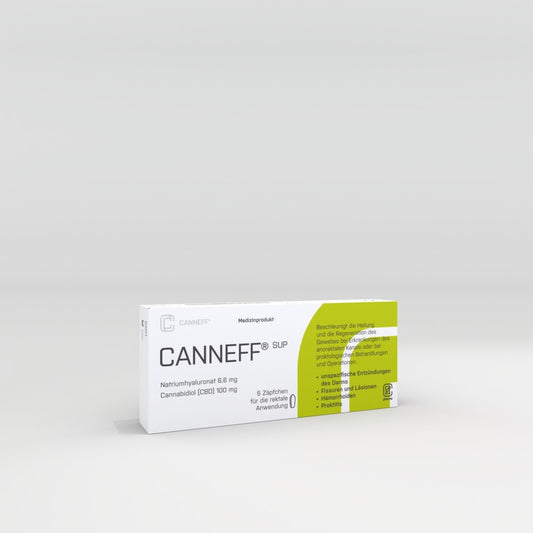
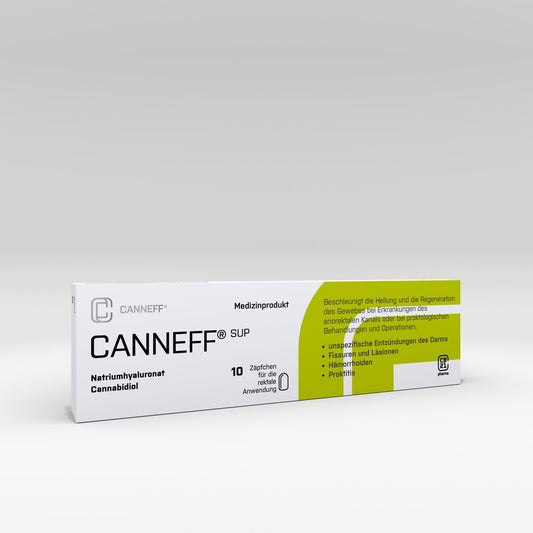
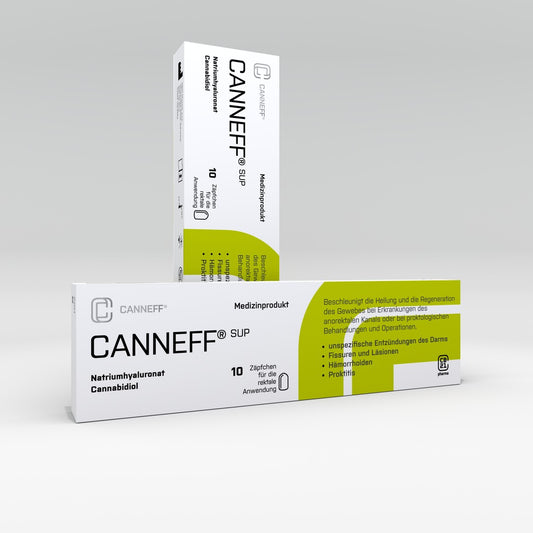
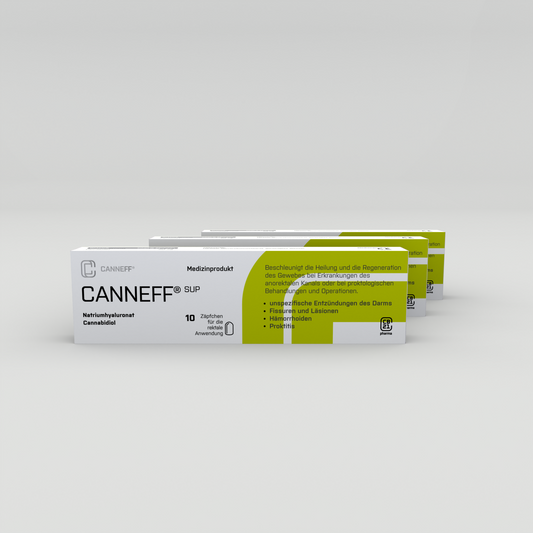
Conservative Hemorrhoid Treatments (Ointments, sitz baths, CANNEFF® SUP Suppositories) do not bring improvement.
-
Hemorrhoids Grade 3 or Hemorrhoids Grade 4 are present and do not retract. Read more here about the stages of hemorrhoidal disease.
-
Severe pain, bleeding, or fecal incontinence exist.
-
Frequent recurrences after rubber band ligation or sclerotherapy occur.
How high is the risk of recurrence after surgery?
The risk of recurrence depends heavily on the method and the patient’s lifestyle. Studies show the following recurrence rates:
|
Surgical method |
Recurrence rate after 5 years |
|
Rubber band ligation |
30–50 % |
|
Sclerotherapy |
20–40 % |
|
Stapler method (Longo) |
10–20 % |
|
HAL-RAR method |
5–15 % |
|
Hemorrhoidectomy |
5–10 % |
Patients who change their diet and lifestyle (high-fiber diet, sufficient exercise) have a significantly lower risk of recurring hemorrhoids. Further information about the role of nutrition can be found in the blog post on preventing hemorrhoids through nutrition. You can also find comprehensive information in the blog post on preventive measures for hemorrhoids.
Read more about various therapy approaches in the blog post on hemorrhoid treatment. The blog post about the doctor’s visit for hemorrhoids provides comprehensive information on diagnosis and examinations.
How does hemorrhoid surgery affect daily life?
In the first few days after hemorrhoid surgery, patients should avoid physical exertion. Office work is usually possible again after 1–2 weeks, while heavier physical activities should be paused for up to 6 weeks. Stool softeners and a high-fiber diet are essential to support the healing process.
What aftercare is important following hemorrhoid surgery?
Careful aftercare following hemorrhoid surgery is crucial for quick healing and avoiding complications. This includes:
-
Daily cleaning with lukewarm water
-
Avoiding straining during bowel movements
-
Taking stool softeners to protect the wound
-
CANNEFF® SUP suppositoriesto promote healing and reduce inflammation
-
Regular check-ups at the doctor
Also read more about the duration of the recovery process and the sick leave after hemorrhoid surgery.
Are there alternatives to hemorrhoid surgery?
Yes, there are conservative alternatives that can help in early stages and thus prevent the need for hemorrhoid surgery:
|
Alternative treatment |
Effectiveness |
|
High-fiber diet |
High prevention against recurrences |
|
CANNEFF® SUP suppositories |
Use of CANNEFF® SUP suppositories promotes healing and relieves pain |
|
Sitz baths (e.g., chamomile, oak bark) |
Soothing, but no cure |
|
Ointments and creams |
Symptomatic relief |
|
Rubber band ligation or sclerotherapy |
Can prevent surgery, but not always effective |
A hemorrhoid surgery can significantly improve pain and quality of life but requires good aftercare. Conservative measures such as a high-fiber diet, certain ointments, or even CANNEFF® SUP suppositories can help delay or avoid surgery. For severe hemorrhoids, choosing the right surgical method is crucial to minimize recurrences. Find further information here about the hemorrhoid surgery or about the causes of hemorrhoidal disease.