

Why do marisks cause itching?
Marisks can cause itching because they make cleaning the anal area more difficult, creating a moist-warm environment that promotes skin irritation. Remaining stool residues in the skin folds can irritate the sensitive skin and promote inflammation, leading to intense itching. Additionally, those affected often tend to over-cleanse, which further strains the skin through strong wiping or aggressive cleansers and intensifies the itching.
Another cause of itching is the possible inflammation of marisks, which sensitizes the delicate skin in the anal area. Mechanical friction from tight clothing or prolonged sitting can also irritate the skin and trigger itching.
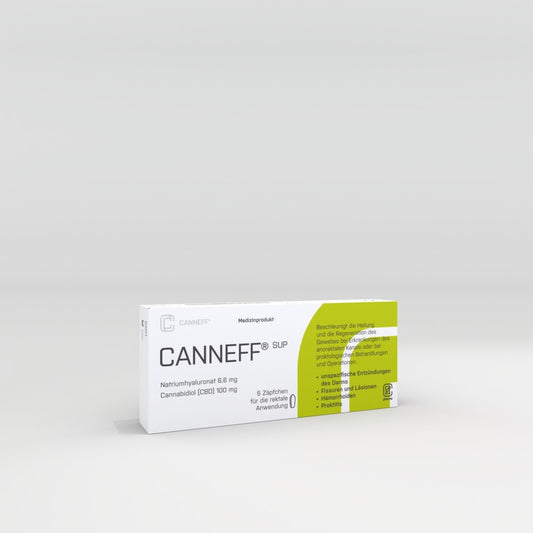
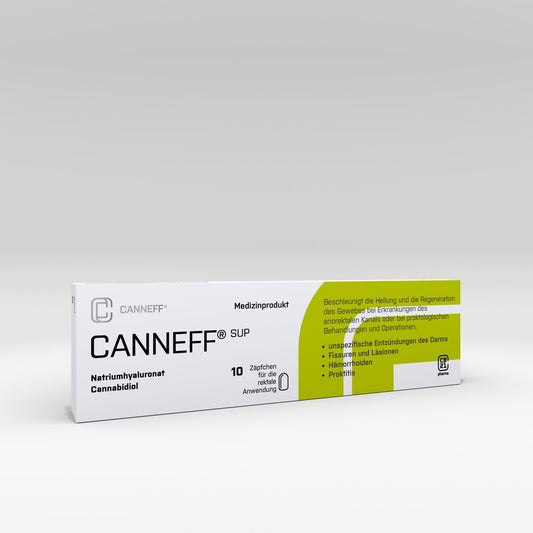
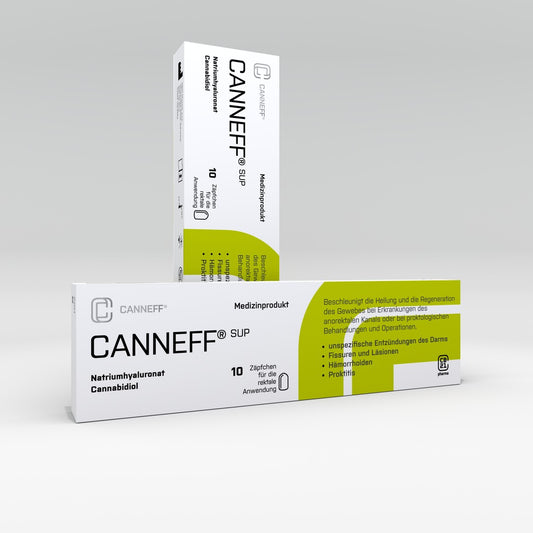
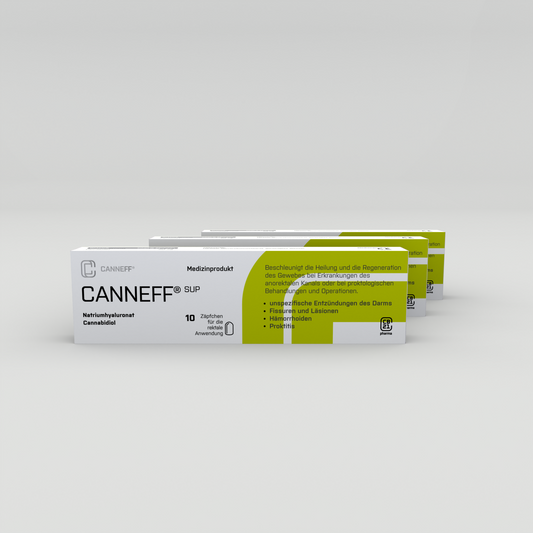
To relieve itching, gentle cleansing methods, sitz baths, and anti-inflammatory creams or suppositories such as CANNEFF® SUP can be used. These promote skin regeneration and reduce inflammation and irritation.
What external factors intensify itching with marisks?
Itching with marisks can be intensified by various external influences, especially by irritants that stress the sensitive skin in the anal area. Here are the most common factors:
Mechanical friction
Tight clothing: Especially synthetic fabrics or tight underwear can chafe the skin and cause irritation.
Prolonged sitting: Pressure on the anal area can irritate the skin folds and increase itching.
Hygiene-related irritations
Excessive cleansing: Strong wiping or the use of aggressive cleansers strains the skin and intensifies itching.
Insufficient hygiene: Remaining stool residues in the skin folds create a moist-warm environment that promotes itching and skin irritation.
Moisture
Sweat: Increased sweating in the anal area, especially due to physical activity or high temperatures, can irritate the skin.
Residual moisture: Skin that is not carefully dried after cleansing can promote itching.
Diet and bowel habits
Hard stool: Strong pressing mechanically stresses the skin and can worsen existing irritations.
Spicy or irritating foods: Spices, coffee, or alcohol can irritate the mucous membranes and indirectly promote itching.
Measures for relief
Gentle cleansing: Use mild, pH-neutral cleansing water and avoid aggressive wiping.
Keep dry: Gently pat the skin dry after cleaning.
Sitz baths: Chamomile or oak bark baths soothe the skin and relieve irritation.
Medical products: CANNEFF® SUP rectal suppositories or soothing ointments can relieve inflammation and promote skin regeneration. Read more here about the treatment of marisks with suppositories.
In case of persistent or severe itching, medical evaluation should be done to exclude possible inflammation or other causes of marisks.
How does itching caused by marisks differ from general anal itching?
The itching caused by marisks differs in several aspects from general anal itching, especially regarding cause, location, and accompanying symptoms of marisks. Here is an overview.
|
Feature |
Itching caused by marisks |
General anal itching |
|
Cause |
Mechanical irritation, moisture, or residues in the skin folds. Read more here about the causes of marisks. |
Often caused by skin diseases (e.g., eczema, fungal infections) or external factors |
|
Location |
Directly in or around the skin folds of the marisks at the anal margin |
General anal area, not limited to skin folds |
|
Additional symptoms |
Common accompanying symptoms such as moisture, oozing, or small injuries |
May be accompanied by redness, scaling, or skin thickening |
|
Mechanical triggers |
Exacerbated by tight clothing, prolonged sitting, or vigorous wiping |
Mechanical stimuli not necessarily required |
|
Hygiene sensitivity |
Difficult cleaning due to skin folds promotes itching |
Often independent of hygiene problems |
|
Course |
Often intermittent, especially after irritation |
Can be permanent or chronic |
|
Therapy response |
Soothing measures such as sitz baths or targeted products (e.g., CANNEFF® SUP) often help quickly |
Depending on the underlying cause, e.g., antifungals for fungal infections |
Characteristic differences
Itching caused by marisken usually occurs in connection with mechanical irritation, residues, or moisture. The skin tags make cleaning more difficult, which can lead to additional accumulation of bacteria or sweat. It often occurs episodically, for example after prolonged sitting, physical activity, or insufficient anal hygiene.
General anal itching often has other causes such as allergic reactions (e.g., to soaps), systemic diseases (e.g., diabetes), fungal infections, or eczema. It is often evenly distributed in the anal area and less dependent on mechanical factors.
While itching caused by marisken is specifically related to the skin folds and mechanical stress, general anal itching often has external or systemic causes. Read more here about the causes of marisken. A targeted diagnosis is important to initiate the correct treatment. For marisken, anti-inflammatory products like CANNEFF® SUP rectal suppositories and gentle hygiene can help, while general anal itching usually requires cause-specific therapy.
Which hygienic problems cause itching with marisken?
Marisken, the skin tags at the anal margin, can make anal hygiene difficult, leading to a range of problems that cause itching. These issues often arise due to the unique anatomy of the marisken and external factors.
Common hygienic problems in detail
Accumulation of stool residues: Skin tags form skin folds where stool residues can remain. Remaining stool particles promote skin irritation and encourage bacterial growth, triggering itching.
Moisture and sweating: Moist-warm conditions in the area of the skin tags create an ideal environment for the growth of microorganisms. This can lead to skin irritation and perianal eczema, which itches severely.
Excessive or aggressive cleaning: Frequent wiping with rough toilet paper or the use of harsh cleaning agents irritates the sensitive skin. Mechanical stress worsens the symptoms of skin tags and leads to microtears that further promote itching.
Lack of drying after cleaning: If the anal area remains moist after cleaning, this promotes irritation and the growth of fungi or bacteria. Moisture intensifies the sensation of itching, especially with mechanical stress such as prolonged sitting.
Insufficient hygiene: If the anal area is not cleaned regularly, sweat, stool residues, and skin oils can accumulate in the folds of the skin tags. This leads to irritation, inflammation, and consequently persistent itching.
Connection between hygiene problems and itching
|
Hygiene problem |
Impact on skin tags |
Consequence for the skin |
|
Remaining stool residues |
Promote bacterial growth and skin irritation |
Itching, eczema |
|
Moist-warm environment |
Provides ideal conditions for fungi and bacteria |
Oozing, itching |
|
Harsh cleaning agents |
Irritation of sensitive skin by chemical substances |
Redness, burning, itching |
|
Strong wiping or rubbing |
Mechanical damage to the skin |
Microtears, inflammation, intense itching |
Prevention and care
Gentle cleaning: Use lukewarm water or pH-neutral cleansers and avoid vigorous wiping.
Thorough drying: Gently pat the area dry after cleaning to avoid moisture.
Sitz baths: Regular sitz baths with chamomile or oak bark can relieve irritation and inhibit bacterial growth. Read more here about alternative therapy options for skin tags, or about the herbal treatment of skin tags.
Care products: Soothing ointments or products like CANNEFF® SUP rectal suppositories promote skin regeneration and reduce itching.
Hygienic issues such as remaining stool residues, moisture, or excessive cleaning can strongly promote itching in Marisken. Gentle anal hygiene combined with anti-inflammatory and moisturizing care products is key to relieving itching and preventing further irritation.
Can itching caused by Marisken be a sign of inflammation?
Yes, itching caused by Marisken can be a sign of inflammation, especially if accompanied by other symptoms of Marisken such as redness, swelling of the Mariske, oozing, or pain. Inflammations often arise from mechanical irritation, moisture, or infections that irritate the tissue around the Marisken.
Typical signs of inflammation-related itching in Marisken
Intense itching: Constant or intense itching in the area of the Marisken suggests irritation or inflammation.
Redness and swelling: Visible changes in the skin such as redness or enlargement of the Marisken can indicate an inflammatory reaction. Read more here about swollen Marisken.
Oozing or secretion: Inflamed Marisken can secrete fluid that further intensifies the itching.
Burning: A burning sensation often occurs as a accompanying symptom with inflamed Marisken. Read more here about anal burning.
Sensitivity: The affected skin becomes more sensitive, especially to touch or cleaning.
When should a doctor be consulted?
Itching alone is often harmless but should be medically evaluated if:
-
Itching persists longer or becomes more intense.
-
Other symptoms of skin tags such as pain, oozing, or bleeding occur.
-
Symptoms do not improve despite thorough hygiene and care.
Treatment for inflammation-related itching
Sitz baths: Lukewarm water with chamomile or oak bark has a soothing and anti-inflammatory effect.
Gentle cleaning: Mild cleansers and soft toilet paper help avoid further irritation.
Anti-inflammatory products: Ointments or CANNEFF® SUP rectal suppositories With hyaluronic acid and CBD, they can support skin regeneration and reduce itching.
Which care products help against itching from skin tags?
Choosing the right care products is crucial to relieve itching from skin tags, soothe the skin, and prevent further irritation. Here are the most effective care products and their uses:
Mild cleansing products
Properties: pH-neutral, soap-free, fragrance-free.
Effect: Gently cleanse sensitive skin and remove irritants like stool residues.
Recommendation: Use clear water or special cleansing oils for the intimate area. Avoid harsh soaps as they can dry out the skin and worsen itching.
Wet wipes without irritants
Properties: Alcohol-free, fragrance-free, hypoallergenic.
Effect: Convenient for gentle cleansing on the go.
Recommendation: Wet wipes with soothing ingredients like aloe vera or chamomile.
Anti-inflammatory ointments
Properties: Contain active ingredients like zinc oxide, panthenol, or chamomile.
Effect: Soothe the skin, relieve irritation, and promote healing.
Products: Zinc ointment or creams containing panthenol.
Apply thinly to avoid further stressing the skin.
Sitz baths with natural additives
Additives: Chamomile, oak bark, or Tannolact (tannins).
Effect: Anti-inflammatory, soothing, and itch-relieving.
Recommendation: 10-15 minutes sitz bath daily with lukewarm water.
Read more here about alternative therapy options for skin tags, or about the herbal treatment of skin tags.
CANNEFF® SUP rectal suppositories
Properties: Contain CBD (cannabidiol) and hyaluronic acid.
Effect: Relieve itching and inflammation. Support healing and moisture in the anal region. Optimize the skin environment and promote regeneration.
Application: Use one suppository daily before bedtime.
Soothing creams with natural ingredients
Additives: Aloe vera, witch hazel, or calendula.
Effect: Reduce redness, soothe the skin, and relieve itching.
Products: Special creams for the anal area.
Read more here about the treatment of skin tags with suppositories.
Care Instructions for Use
Gentle cleaning: Gently clean and pat dry the anal area after each bowel movement.
Avoidance of Irritants: Do not use strongly scented or alcohol-containing products.
Regular Care: Use sitz baths and anti-inflammatory products daily to effectively combat itching.
With proper care, you can sustainably relieve itching caused by skin tags and strengthen the skin barrier.
What role does nutrition play in reducing itching?
Nutrition plays a crucial role in preventing and relieving itching in the anal area, especially with skin tags. A tailored diet helps regulate stool consistency, minimize mechanical irritation, and reduce inflammation.
High-Fiber Diet
Benefit: Fiber promotes soft stool consistency, prevents constipation, and reduces pressure on the anal region.
Foods:
-
Whole Grains: Oatmeal, whole grain bread, quinoa.
-
Vegetables: Carrots, broccoli, spinach.
-
Fruits: Apples, pears, berries (with skin).
-
Legumes: Lentils, beans, chickpeas.
Effect: Prevents hard stool from irritating the sensitive anal skin and triggering itching.
Adequate Fluid Intake
Recommendation: Daily 1.5–2 liters of water or unsweetened tea.
Effect: Supports digestion, promotes soft stools, and reduces mechanical stress that can worsen itching.
Avoidance of Irritating Foods
To Avoid:
-
Spicy spices (chili, pepper).
-
Citrus fruits and juices (e.g., oranges, lemons).
-
Alcohol and caffeinated beverages.
Reason: These foods can irritate the sensitive skin in the anal area and worsen inflammation and itching.
Foods with anti-inflammatory properties
Benefit: Reduce systemic inflammation and support healing.
Recommended Foods:
-
Omega-3 Fatty Acids: Salmon, walnuts, chia seeds.
-
Turmeric: Contains curcumin with anti-inflammatory effects.
-
Ginger: Acts as an antioxidant and anti-inflammatory.
-
Green Leafy Vegetables: Provide important vitamins and minerals.
Read more here about alternative therapy options for skin tags, or about the herbal treatment of skin tags.
Avoiding Constipation and Diarrhea
Constipation Prevention: A fiber-rich diet combined with adequate fluid intake helps keep stools soft and regular.
Avoidance of diarrhea: Reduce highly fatty, processed, or sugar-rich foods that can impair digestion.
Diet plan to reduce itching
|
Meal |
Example |
|
Breakfast |
Oatmeal with berries, chia seeds, and almonds, served with unsweetened herbal tea. |
|
Snack |
An apple or a handful of nuts. |
|
Lunch |
Quinoa salad with spinach, lentils, bell peppers, and olive oil. |
|
Afternoon snack |
Natural yogurt with flaxseeds and honey. |
|
Dinner |
Grilled salmon with steamed broccoli and sweet potatoes. |
|
Fluid intake |
Water and herbal tea (e.g., chamomile, fennel) throughout the day. |
A balanced, fiber-rich diet with anti-inflammatory foods and adequate fluid intake can significantly reduce itching from marisken. At the same time, the anal area is protected, and the risk of further complaints is minimized.
When should itching caused by marisken be medically treated?
Itching caused by marisken is harmless in many cases and can be relieved by adapted anal hygiene, diet, or care products. However, there are situations where medical evaluation is necessary to rule out possible complications and initiate targeted treatment.
Situations requiring medical treatment
Persistent itching: When itching persists for several days or weeks despite home remedies such as sitz baths or care creams. Persistent itching may indicate an underlying inflammation or infection.
Additional symptoms: Accompanying pain, redness, swelling or oozing. Bleeding from the anus that occurs more than occasionally or worsens. Read more here about bleeding as a symptom of marisken. Occurrence of purulent discharge that may indicate an infection such as an anal abscess.
Limitations in daily life: When the itching is so intense that it severely affects quality of life, e.g., through sleep problems or persistent discomfort while sitting.
No improvement after self-treatment: No relief despite the use of anti-inflammatory ointments, sitz baths, or over-the-counter suppositories like CANNEFF® SUP.
Suspected other conditions: If the itching may be due to other proctological conditions such as hemorrhoids, anal fissures, anal fistulas, or skin infections. Anal vein thromboses, especially recurrent anal thromboses, should be examined by a specialist.
Recurring problems: If itching recurs repeatedly and causes severe discomfort in intervals, a permanent solution such as a proctological treatment of marisks may be necessary.
When immediate medical help is necessary
In case of severe pain or fever, which could indicate an acute infection. If sudden heavy bleeding or large amounts of pus occur.
Itching caused by marisks should be medically treated if it is persistent, accompanied by additional symptoms, or significantly reduces quality of life. Timely proctological examination helps to avoid complications as well as a marisk surgery and to initiate targeted treatment measures promptly. Find all information about marisk treatment here.
Can tight clothing or mechanical irritation worsen the itching?
Yes, tight clothing and mechanical irritation can significantly worsen the itching caused by marisks. This is because the sensitive skin in the anal area is further irritated by constant contact, pressure, or friction.
How tight clothing affects itching
Friction: Tight clothing, especially made from synthetic materials, can continuously rub and irritate the skin, intensifying existing itching.
Moist-warm environment: Tight clothing often leads to poor air circulation and excessive sweating. This moist-warm environment promotes the growth of bacteria or fungi, which causes skin irritation and itching.
How mechanical irritation works
Prolonged sitting: Pressure on the anal area from prolonged sitting increases stress on the skin folds and can intensify itching.
Aggressive anal hygiene: Vigorous wiping with rough toilet paper or using cleaning agents with irritating ingredients strain the sensitive skin and worsen itching.
Physical activities: Movements like friction from walking or cycling can further stress the skin and worsen existing symptoms of marisks.
Recommendations for relief
Breathable clothing: Wear loose cotton clothing to avoid friction and moisture buildup.
Gentle cleaning: Use soft toilet paper or wash the area with lukewarm water to minimize mechanical irritation.
Care products: Soothing and anti-inflammatory ointments, such as those contained in CANNEFF® SUP suppositories, can promote regeneration and reduce irritation.
Tight clothing and mechanical irritation are common triggers that worsen itching with marisks. To minimize discomfort, affected individuals should avoid mechanical stress and wear breathable clothing as well as gently care for the anal area.
How can itching caused by marisks be prevented in the long term?
Long-term prevention of itching caused by marisks requires a combination of careful hygiene, proper nutrition, and avoiding irritants. Here are the key approaches:
Gentle anal hygiene
Cleaning: Use lukewarm water for gentle cleaning after bowel movements. Avoid harsh soaps or alcohol-based wipes that can irritate the skin.
Soft toilet paper: Use soft, unscented toilet paper whenever possible to minimize mechanical friction.
Drying: Gently pat the area dry instead of rubbing to prevent skin irritation.
Clothing and daily life
Breathable fabrics: Wear loose cotton clothing to reduce friction and moisture buildup.
Avoid tight clothing: Avoid tight clothing that could irritate the anal area.
Reduce sitting time: Avoid prolonged sitting or stand up regularly to minimize pressure on the anal area.
Nutrition
Eat fiber-rich foods: A fiber-rich diet (e.g., whole grains, fruits, vegetables) ensures soft stools and reduces mechanical stress in the anal area.
Drink enough fluids: Daily fluid intake (at least 1.5–2 liters of water) helps prevent constipation, which could increase pressure during bowel movements.
Avoid irritants: Strongly spiced foods, alcohol, or caffeine can worsen symptoms in some people and should be reduced.
Care products and treatments
Anti-inflammatory products: Regular use of creams or suppositories, such as CANNEFF® SUP suppositories, can soothe the skin and prevent irritation. These products promote moisture in the mucous membrane and have anti-inflammatory effects. Read more here about treatment of marisks with suppositories.
Sitz baths: Sitz baths with chamomile or oak bark have a soothing effect and help strengthen the skin barrier.
Avoid mechanical irritation
Gentle handling: Aggressive wiping or strong straining during bowel movements should be avoided.
Prevent constipation: Fiber and exercise help prevent hard stools and excessive straining.
Long-term prevention of itching caused by marisks requires comprehensive care of the anal area, a healthy lifestyle, and avoiding irritants. These measures can minimize discomfort and improve quality of life. Find all information about treatment of marisks here. You can also find further information on alternative therapy options for marisks or on the herbal treatment of marisks.