

When should you see a doctor for skin tags?
You should see a doctor about skin tags if they cause discomfort or change. A doctor's visit is advisable if:
- Recurring inflammations occur, leading to swelling, redness, or pain.
- Itching or burning persists and does not subside despite care measures.
-
Bleeding occur, especially if it is unclear whether they come from skin tags or other anal diseases.
- Hygiene problems occur because large skin tags make cleaning difficult and promote infections.
- Cosmetic or psychological burden are present and affect well-being.
- Sudden changes change in size, shape, or color, as this may indicate other diseases.
- Skin tags after a Anal thrombosis persists and is hard or bothersome.
A specialist can determine whether medical treatment of skin tags or removal is advisable. Read more here about the symptoms of skin tags.
Which doctor treats skin tags?
Skin tags are usually treated by proctologists, as they specialize in diseases of the rectum and anal area. Depending on symptoms, a dermatologist (skin doctor) or a general practitioner may also be the first point of contact.
Doctors who treat skin tags
Proctologist: Specialist in rectal diseases, diagnoses skin tags and can remove them if needed.
Dermatologist: Can examine skin changes and determine whether it is a skin tag or another skin condition.
General practitioner or family doctor: First point of contact for assessment and referral to a specialist.
Surgeon or colorectal specialist: Perform operative removal if necessary.
If skin tags cause symptoms or change, a visit to the proctologist is recommended. Read more here about the general treatment of skin tags. Here you will find further information on the herbal treatment of skin tags, or on alternative treatment approaches for skin tags.
How does the doctor recognize whether it is skin tags or hemorrhoids?
A doctor can distinguish skin tags and hemorrhoids based on a clinical examination and, if necessary, additional diagnostic methods. The most important steps are:
Medical history (patient interview)
-
Symptoms such as itching, pain, or bleeding are asked about.
-
Duration and development of the skin change.
-
Accompanying symptoms such as constipation, diarrhea, or previous anal vein thromboses or even recurrent anal vein thromboses.
Physical examination
Inspection of the anal area: Skin tags are soft, painless skin flaps at the anal margin. Hemorrhoids appear as swollen, often blood-filled vascular cushions that can protrude from the anus in advanced stages.
Palpation examination (rectal palpation): Hemorrhoids inside the anal canal can be felt. Skin tags are palpable as soft, flexible folds of skin without fluid accumulation.
Proctoscopy (endoscopic examination of the rectum) – if necessary
A small tube with light is inserted to make internal hemorrhoids visible. Marisks are located outside the anal margin and are not relevant with this method.
Differential diagnosis
If there is uncertainty, other conditions such as anal fissures, anal fistulas, or perianal thromboses can be ruled out. In unclear or suspicious changes, a skin biopsy may be necessary.
What examinations are performed for marisks?
To reliably diagnose marisks and exclude other proctological diseases, the doctor uses various examination methods.
Visual inspection of the anal area (inspection): The doctor examines the anus externally and assesses the shape, size, and condition of the skin folds. Marisks are soft, painless skin tags that are often mistaken for hemorrhoids or other changes.
Palpation of the anal canal (digital rectal examination): With a gloved finger, the doctor palpates the rectum for hardenings, swelling, or nodular changes to rule out hemorrhoids, fistulas, anal abscesses, or other abnormalities.
Endoscopic examination of the rectum (proctoscopy or rectoscopy): If there are internal complaints or unclear symptoms, a brief endoscopic examination of the rectum with an illuminated tube (proctoscope) can be performed. This examination shows internal hemorrhoids or inflammations that could be responsible for the complaints.
Ultrasound or tissue sample (in case of uncertainties): If the skin change is not clearly identifiable as a marisk or if noticeable symptoms occur, the doctor may order an ultrasound examination or a tissue sample (biopsy) to rule out malignant changes.
Differential diagnosis for recurring symptoms: In patients with chronic symptoms or recurring skin changes, additional examinations such as a colonoscopy may be performed, especially if there is blood in the stool or unclear pain.
How is a marisk diagnosis performed by a proctologist?
The diagnosis is made in several steps:
Medical history: The doctor asks about marisk symptoms, bowel habits, and previous illnesses.
Visual inspection: Marisks are usually visible as soft skin tags on the anus.
Palpation: The proctologist checks for hardenings or other abnormalities with a gloved finger.
Proctoscopy (if necessary): A short rectoscopy can detect internal hemorrhoids or inflammations.
Further diagnostics: If there are uncertainties, a biopsy or ultrasound examination can be performed.
The examination is painless and quickly clarifies the cause of the skin change. Read more here about the causes of marisks.
Are there medications for marisks that a doctor can prescribe?
There are no medications that completely remove marisks, but doctors can prescribe certain preparations to relieve marisk symptoms:
- Anti-inflammatory ointments (e.g., with cortisone, witch hazel, or zinc) to reduce irritation and swelling.
- Pain-relieving or anesthetic creams (e.g., with Lidocaine) for short-term relief of itching or pain.
- Stool softeners (e.g., Macrogol) to ease bowel movements and prevent mechanical irritation.
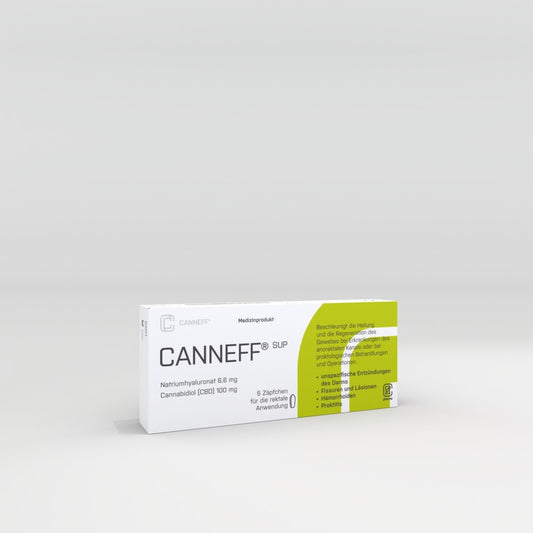
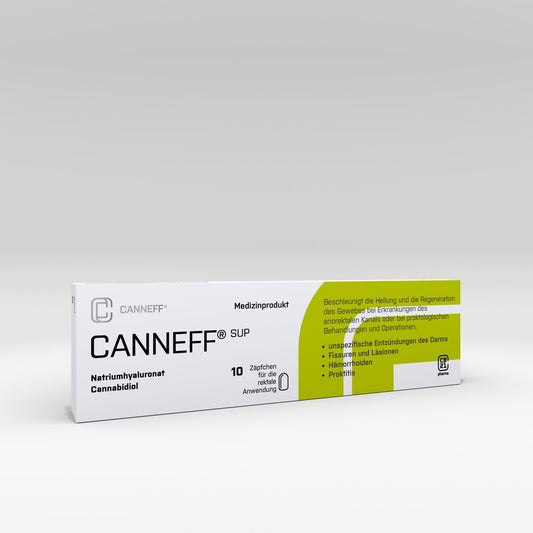
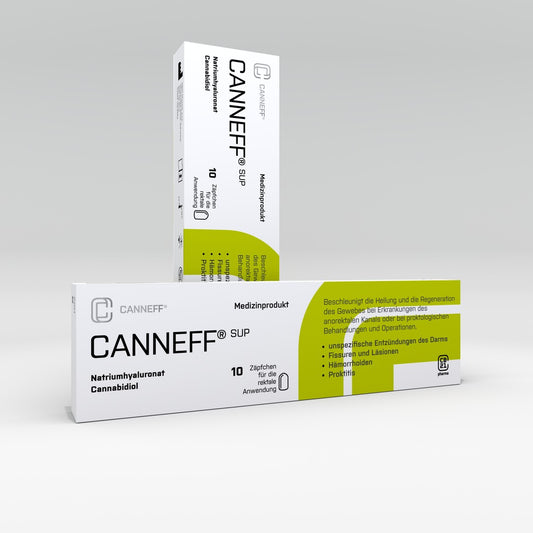
- CANNEFF® SUP Rectal suppositories with CBD and hyaluronic acid to promote skin regeneration and soothe irritated mucous membranes.
If marisks cause severe discomfort, surgical removal may be advisable. Find all information about marisk surgery here. Also read more about the treatment of marisks with suppositories.
When does the doctor recommend marisk surgery?
A marisk surgery is recommended if:
- Frequent inflammations or irritations occur.
- Itching, pain, or Bleeding persists despite conservative treatment.
- Anal hygiene is made difficult which leads to infections or skin irritations.
- Cosmetic or psychological burden due to large or bothersome marisks.
- After an anal vein thrombosis excess skin tags remain that cause discomfort.
The procedure is usually performed on an outpatient basis and under local anesthesia. Read more here about marisk surgery experiences.
How much does marisk removal cost at the doctor?
The costs for the removal of marisks vary depending on medical necessity and the chosen treatment method. If the removal is medically necessary, for example due to marisk symptoms such as pain or inflammation, statutory health insurance usually covers the cost of the procedure. However, if it is purely a cosmetic procedure without medical indication, the costs must be borne by the patient. These amount to approximately 390 to 1,200 euros per marisk or segment, depending on the practice and extent of the procedure.
It is advisable to consult with the treating medical practice and your own health insurance before the procedure to clarify the exact costs and possibilities of cost coverage.
Does health insurance cover the treatment of skin tags?
The costs for removal of skin tags vary depending on the extent of the procedure and the chosen method. They usually amount to about 400 euros. If removal is done purely for aesthetic reasons, statutory health insurance usually does not cover the costs. However, in cases of medical necessity, such as recurring inflammations or significant hygiene problems, the costs are generally covered by the health insurance.
What risks are there with medical treatment of skin tags?
Medical treatment of skin tags is generally low-risk but can involve some complications. Possible risks include:
Wound healing disorders: Since the anal area is constantly stressed, healing can take longer or be delayed.
Infections: Despite sterile conditions, bacterial infections can occur, especially with insufficient hygiene after the procedure.
Pain & swelling: Mild to moderate discomfort is possible in the first days after treatment, which can be relieved with painkillers.
Bleeding & postoperative bleeding: Especially with surgical procedures, there can be postoperative bleeding, which in rare cases requires medical follow-up treatment.
Scar formation: In some cases, scar tissue can harden or lead to slight anal narrowing.
Recurrences: New skin tags can develop if risk factors such as excessive straining or chronic irritation persist.
Careful aftercare, e.g., with CANNEFF® SUP rectal suppositories for skin regeneration, can help minimize these risks. Read more here about the treatment of skin tags with suppositories, or about various measures on how to prevent skin tags.