

How can I prevent an anal vein thrombosis?
Anal thromboses cannot be completely prevented, but you can certainly minimize various risk factors in everyday life. To effectively prevent an anal vein thrombosis, it is important to examine and, if necessary, adjust different aspects of your lifestyle to reduce pressure on the veins in the anal area and promote healthy blood circulation in the anal region.
One of the key measures is a fiber-rich diet. Foods such as whole grains, fruits, and vegetables support healthy digestion, which helps prevent constipation or diarrhea as a cause of anal vein thrombosis. Constipation often leads to excessive straining during bowel movements, which increases pressure on the anal veins and thus promotes the development of perianal thromboses. In addition to fiber, adequate fluid intake plays a crucial role. Drinking enough fluids, ideally at least 2 liters of water per day, keeps stools softer and facilitates digestion.
Regular physical activity also helps prevent anal vein thrombosis. Sports such as running, swimming, or yoga promote blood circulation and support vein function. Prolonged sitting should be avoided or regularly interrupted with short breaks involving movement, as sitting for long periods restricts blood flow in the veins and increases pressure in the anal area. Sitting on cold surfaces can also quickly lead to the sudden onset of an anal vein thrombosis because the vessels of the delicate perianal venous plexus constrict further due to the cold, causing blood congestion and thrombosis at the anus.
Avoiding heavy lifting is another important point in preventing anal thromboses, as such intense strain can also increase pressure on the anal veins. If you frequently have to lift heavy loads professionally or privately, you should try to do so as gently as possible to avoid excessive intra-abdominal pressure and thus prevent micro-injuries in the anal canal or blood clots at the anus.
Additionally, excessive straining during bowel movements should be avoided. In particularly severe cases of constipation, taking mild laxatives in consultation with a doctor may be helpful. Stress management and avoiding overweight are also important factors, as psychological stress can impair digestion and excess weight increases pressure on the veins in the anal area, especially when sitting. Mechanical stress on the anus, such as through anal intercourse, also plays a role in the development of anal vein thrombosis.
By combining a healthy diet, sufficient exercise, fluid intake, and avoiding risk factors, the likelihood of developing an anal vein thrombosis can be significantly reduced.
What measures can I take to prevent an anal vein thrombosis?
Primary prophylaxis is generally not possible because the exact cause of an anal vein thrombosis can be very diverse. A frequent family history or the presence of several risk factors may indicate a possible development of an anal vein thrombosis, but a clear direct connection usually does not exist.
In most cases, only secondary prophylaxis, meaning prevention after a previously healed perianal thrombosis, is possible. To prevent a recurrence of an anal vein thrombosis, it is advisable to inform yourself about preventive measures and, if necessary, seek medical advice to minimize all risk factors as best as possible.

The following steps can minimize the risk of developing an anal vein thrombosis:
- Pay attention to a wholesome, fiber-rich diet and adequate fluid intake – both prevent constipation, hard stools, or diarrhea.
- Regular exercise and sports; avoid prolonged sitting; take regular breaks with appropriate movement even during office work to improve blood circulation.
- Avoid heavy straining or frequent lifting of heavy loads, as this increases intra-abdominal pressure (pressure in the abdominal cavity).
- Physiotherapists can support you with pelvic floor training and improve the muscles and blood circulation in this body region.
- If you experience discomfort in the anal or perianal area, a visit to the doctor for clarification and accurate diagnosis is always advisable. Perianal pain can also be caused by other proctological diseases such as hemorrhoids, anal fissures, or even anal abscess or anal fistulas.
- Avoid very cold seating surfaces in winter to prevent cold-induced disruption of natural blood flow in the perianal area.
- Also avoid wearing wet or damp underwear, for example in summer after swimming.
- Maintain a healthy BMI, as overweight, especially when sitting for long periods, increases pressure on the perianal venous plexus.
- Avoid mechanical stress on the anus or anal canal, such as through anal intercourse.
How can I adjust my diet to prevent anal vein thromboses?
A balanced diet plays a crucial role in preventing anal vein thromboses. To reduce the risk, it is important to include fiber-rich foods such as whole grains, fruits, and vegetables in your diet. These promote digestion and prevent constipation, which can put pressure on the veins in the anal area. Adequate fluid intake also supports digestion and prevents hard stools. Additionally, consumption of fatty, highly processed, spicy, or heavily seasoned foods and excessive alcohol should be avoided, as they can promote inflammatory processes. Regular exercise combined with a healthy, wholesome diet further helps minimize pressure on the veins in the anal area and reduces the risk of developing an anal vein thrombosis.
Can I completely prevent an anal vein thrombosis?
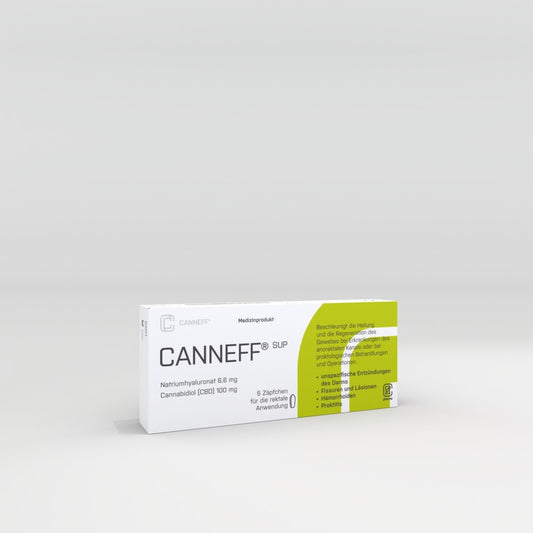
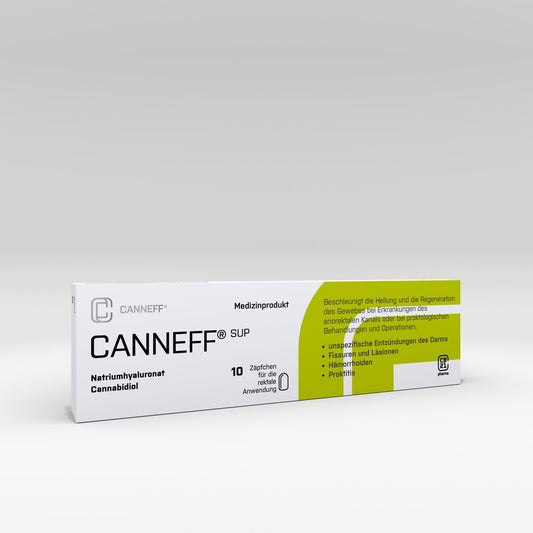
No, there is no way to directly prevent an anal vein thrombosis. However, you can certainly influence the risk through everyday habits as part of prevention. If anal vein thromboses recur frequently, or if the anal vein thrombosis does not go away, a visit to a doctor is strongly recommended. The treating physician can investigate the cause of your anal vein thrombosis, examine your individual disease progression and the stage of the bluish-purple lump or lumps at the anus more closely. The doctor can also assess whether conservative treatment of the anal vein thrombosis is appropriate in your case or if surgery for incision or excision of the thrombus at the anus is necessary. If the symptoms of anal vein thrombosis, such as pain from swelling at the anus, are very intense, the doctor may initially recommend or initiate conservative treatment of perianal vein thrombosis to help reduce swelling of the tissue at the anus with ointments or suppositories.
Often, the thrombosis is fully absorbed by the body within days or a few weeks, meaning anal vein thromboses often heal on their own. However, supportive treatment to accelerate the healing process with conservative measures such as suppositories or ointments can consistently relieve the severe pain at the anus and the symptoms of anal vein thrombosis in general and also speed up the healing of the lump at the anus. Even after healed perianal thromboses, a so-called sentinel tag, an excess skin fold at the anus, the so-called marisque, can remain. Read more here about the examination and diagnosis of an anal vein thrombosis by a doctor. Here you will find extensive information on the treatment of anal vein thrombosis. Further tips on the dosage and use of suppositories can also be found in the blog post about suppositories for treating anal vein thrombosis.
If the anal vein thrombosis does not go away, or does not heal despite conservative treatment, or if the anal thrombosis recurs repeatedly, further complications and proctological diseases may occur. As a last resort, especially in cases of recurrent anal vein thromboses, or with very large ulcers and intense pain and symptoms of anal vein thrombosis, surgical intervention to open or remove the anal vein thrombosis may be necessary. Surgery leaves an open wound at the anus, as does an uncontrolled rupture of the anal vein thrombosis. The open wound at the anus requires careful aftercare and wound care to prevent secondary diseases such as anal fissures, anal abscesses, or anal fistulas. This also allows the doctor to exclude any underlying proctological diseases, such as hemorrhoids, and initiate appropriate treatment if necessary.
How does stress affect gut health and the prevention of anal vein thrombosis?
Stress, gut health, and mental well-being play an important role in the course of anal vein thrombosis. Chronic stress negatively affects the entire body, including the digestive system. Under persistent stress, the body releases increased amounts of hormones such as cortisol, which influence gut motility (bowel movement). This can lead to digestive problems such as constipation or diarrhea – both are risk factors for the development of anal thromboses. Constipation often causes strong straining during bowel movements, increasing pressure on the veins in the anal area. Diarrhea, on the other hand, can irritate the anal area and promote inflammation, which also raises the risk of thrombosis.
Furthermore, stress can negatively impact the lifestyle of affected individuals by leading to unhealthy eating habits, lack of exercise, or poor or insufficient sleep quality. All these factors indirectly contribute to the development of anal vein thromboses, as a low-fiber diet and inactive lifestyle slow down the gut and hinder digestion. Therefore, a wholesome, fiber-rich diet and sufficient daily water or fluid intake play a central role in preventing an anal vein thrombosis.
Mental health is also a crucial factor. People suffering from anxiety disorders or depression tend to engage in unhealthy behaviors such as emotional eating or physical inactivity. These behaviors worsen gut health and increase the risk of digestive problems and thus anal thromboses. Additionally, the psychological burden of recurrent anal vein thromboses can intensify symptom perception and increase suffering, significantly impairing quality of life.
For preventing an anal vein thrombosis, good stress management and promoting mental health help reduce the risk of recurrent anal vein thromboses. Stress reduction methods such as yoga, meditation, or breathing exercises can positively influence the gut by regulating digestion and preventing constipation. A conscious approach to your diet and incorporating regular physical activity into daily life can also improve gut health and reduce the risk of digestive problems that could lead to anal thromboses.
Overall, there is a clear connection between mental and physical well-being, gut health, and the prevention of recurrent anal vein thromboses. A balanced lifestyle that strengthens physical and mental health can help prevent or better control recurrent anal vein thromboses.
What can be done during pregnancy to prevent an anal vein thrombosis?
During pregnancy, the risk of an anal vein thrombosis increases due to hormonal changes, weight gain, and the growing baby's increasing pressure on the pelvic veins. Nevertheless, there are several measures expectant mothers can take to best prevent an anal vein thrombosis during pregnancy.
First, a fiber-rich diet is essential. Whole grains, fresh fruits, and vegetables should be consumed regularly to promote regular digestion and avoid constipation, which occurs more frequently during pregnancy. Adequate fluid intake, ideally in the form of water or unsweetened tea, helps keep stools soft and reduces straining during bowel movements.
Regular, gentle exercise such as walking, swimming, or prenatal yoga supports blood circulation and helps relieve the veins in the pelvic and anal area. Avoiding prolonged sitting or standing is also important. If you must sit for extended periods, it helps to take regular breaks, stand up, or perform exercises to stimulate circulation.
Maintaining good posture is also beneficial. Make sure to sit upright and move regularly to minimize pressure on the abdomen and the veins in the anal area.
Finally, it is advisable to avoid strong straining during bowel movements. If constipation occurs during pregnancy, mild laxatives may provide relief after consulting with a doctor. These measures can significantly reduce the risks of an anal vein thrombosis during pregnancy. Read more here about the various risk factors and causes of anal vein thrombosis, or find comprehensive information here about the different therapy options within the treatment of anal vein thrombosis.