

What Causes an Anal Thrombosis?
There are many possible causes that can lead to a painful blood clot in the anus. In the skin around the perianal area, there are very fine veins; when the natural blood flow in one of these vessels is blocked, the vessel swells and a so-called venous blood clot forms, causing the anal thrombosis.
The exact causes of an anal venous thrombosis are not yet fully understood, but it is assumed to be a combination of several factors. An anal thrombosis basically arises from the formation of one or more blood clots in a vein of the external anal area. This clot can be triggered by various factors that lead to increased strain or irritation of the vessels. These factors include genetic predisposition as well as hormonal factors that can adversely affect blood flow and thus promote the formation of a blood clot in the anal area.
An anal thrombosis primarily develops due to increased intra-abdominal pressure, meaning elevated pressure in the abdominal and pelvic area. This can be caused by frequent coughing, excessive straining during bowel movements, diarrhea, but also by lifting heavy weights during strength training or generally prolonged sitting during office work, long car rides, and long-distance flights. Overweight also exerts constant pressure on the anal region when sitting and can cause the bluish, painful nodules on the anus.
Injuries to the vessel walls in the anus also play a role here. Tears in the vessel wall at the anus trigger a chain of blood clotting activities that can lead to the formation of a thrombus. Such small injuries can be caused by high abdominal pressure, primarily due to frequent strong straining during bowel movements, but also by pregnancy or childbirth. Lifting heavy objects or loads can also play a role, as can mechanical influences in the anal area, such as proctological surgery or anal intercourse.
Even sitting on cold surfaces leads to narrowing of the blood vessels and thus increases the risk of developing a perianal venous thrombosis. Here is an overview of the most common causes of an anal venous thrombosis:
Increased Pressure on the Anal Veins
Activities and conditions that exert strong pressure on the veins in the anal area can impede blood flow and increase the risk of a perianal thrombosis. These include strong straining during bowel movements, especially with constipation. Prolonged sitting, for example during office work or long flights, as well as certain sports like strength training, weightlifting, or cycling.
Physical Exertion
Intense physical exertion, especially in strength training, can significantly increase pressure on the anal veins and thus promote the risk of an anal venous thrombosis. Exercises involving heavy lifting often cause a high increase in intra-abdominal pressure. This increased pressure can compress the blood vessels in the anal area and impair venous return, leading to blood congestion. This congestion can in turn promote the formation of blood clots in the anus, which appear as painful, palpable, bluish lumps or nodules in the venous network around the anus.
Furthermore, intense training can also cause injuries in the anal region, either through sudden movements or lifting heavy loads, which further damage the vessels. Athletes who pay little attention to adequate recovery and stretching are also more prone to muscle tension in the pelvic floor, which can further impair blood flow in the anal region. These factors often make intense physical activity a cause or at least a potential risk factor for the development of an anal venous thrombosis, especially in those who regularly expose themselves to the described high strain during their training program.
Pregnancy and Childbirth
During pregnancy, pressure on the abdominal cavity and pelvic veins increases significantly. Childbirth itself can also be a strain due to pushing, which promotes the formation of an anal thrombosis. Various rectal complaints are very common during pregnancy and after delivery because several risk factors accumulate during pregnancy. Hormonal changes lead many women to constipation. The baby and amniotic fluid exert pressure on the intestines and pelvic floor. Pushing during childbirth causes a further increase in pressure in the anal veins. Delivery causes tears in the pelvic floor muscles. This results in a hematoma that settles at the lowest point. Therefore, significant swelling around the anus is often found in women after childbirth. These appear as anal thrombosis, combined with swelling due to water retention and a hematoma.
Trauma or Injury to the Anal Area
Traumatic injuries to the anal area, whether from surgical procedures or mechanical impacts such as anal intercourse, represent a significant risk factor for the development of an anal venous thrombosis. After surgical procedures, for example operations for hemorrhoids or other proctological diseases, injuries to the fine blood vessels in the anal area can occur. These injuries often lead to an inflammatory reaction and increase the likelihood of blood clot formation in the adjacent veins.
Additionally, anal intercourse can cause micro-injuries to the vessel walls in the anal canal. These anal fissures or micro-injuries in the anal canal can trigger a chain reaction that promotes blood clotting and thus favors the development of an anal thrombosis. Furthermore, repeated mechanical stress or trauma, whether from frequent heavy lifting or prolonged sitting on hard surfaces, can also damage the delicate vessels in the anal area and increase the risk of blood clots. In all these cases, both acute pressure on the anal veins and tissue damage to the vessels play a decisive role in the development of an anal venous thrombosis. Many of the causes mentioned can also cause hemorrhoids. Hemorrhoids can also occur together with anal venous thromboses. Perianal or anal pain in general can also indicate an anal fissure, anal fistulas, or anal abscesses.
What Risk Factors Can Promote the Development of Anal Venous Thromboses?
Besides the direct causes, there are various risk factors that increase the likelihood of developing an anal thrombosis. Generally, men are more often affected by anal venous thromboses than women. However, there are also some female-specific risk factors, such as hormone-related vessel dilation during pregnancy or childbirth. We will go into the most important risk factors in more detail here.
Constipation (Obstipation)
Chronic constipation often leads to strong straining during bowel movements, which increases pressure on the anal veins and promotes the risk of a blood clot in the anus.
Genetic Predisposition
Some people have a congenital weakness of connective tissue or a genetic predisposition for vascular diseases. This susceptibility can increase the risk of an anal venous thrombosis, especially if there is a known family history.
Prolonged Sitting
People who sit a lot professionally or privately, such as office workers or long-distance drivers, are at higher risk. Reduced blood flow due to sitting can promote the formation of an anal thrombosis. Sitting on cold surfaces is also unfavorable, as it causes narrowing of the blood vessels in the anal area and thus makes a perianal thrombosis more likely. Contact with damp cold during prolonged sitting, for example when surfing or sitting outside on the ground after outdoor sports in winter, can promote the occurrence of anal thromboses.
Lack of Exercise
Those who move little often suffer from impaired blood circulation, which generally promotes the development of thromboses, including anal venous thrombosis.
Overweight
An increased BMI leads to additional strain on the venous system, which in turn increases the risk of venous thromboses, including anal thrombosis.
Anal Thrombosis During Pregnancy and Childbirth
During pregnancy, pressure on the pelvic floor steadily increases, which can not only impair blood circulation in the abdominal and pelvic area but also promote the development of an anal venous thrombosis. The growing baby and the weight of the amniotic fluid exert increased pressure on the veins in the pelvis and anal region. This often leads to blood congestion because venous blood return is hindered.
In addition, hormonal changes during pregnancy, especially the increase in progesterone, make the vessels softer and more elastic, which simultaneously promotes the formation of blood clots. Many pregnant women also suffer from constipation due to slowed digestion, which often triggers strong straining during bowel movements. This straining exerts additional pressure on the anal veins, further increasing the likelihood of forming an anal venous thrombosis. During childbirth, intense pushing significantly increases pressure in the anal region, which can promote the formation of a blood clot. The risk remains elevated after delivery due to hormonal changes and physical strain, which can delay the recovery of the pelvic floor. These factors overall make pregnancy and childbirth significant risk factors for the development of an anal venous thrombosis.
Hormonal Changes
Besides pregnancy and taking the pill, there are other hormonal changes that can increase the risk of an anal venous thrombosis. These include the menopause and hormone-based therapies that can affect blood flow and vessel elasticity.
Decreasing Elasticity of Blood Vessels with Age
With increasing age, the elasticity of blood vessels decreases, which can also increase the risk of an anal venous thrombosis. Older people are also more often affected by constipation and other digestive problems, which in turn increase the risk of elevated abdominal pressure.
Consumption of Alcohol and Nicotine
The consumption of alcohol and nicotine can increase the risk of an anal venous thrombosis because both substances negatively affect the vessels. Alcohol acts as a vasodilator, which weakens the veins in the anal area and, through reduced blood flow, promotes the formation of blood clots. Additionally, alcohol often leads to dehydration and constipation, which requires strong straining during bowel movements and increases pressure on the anal veins. Nicotine, on the other hand, narrows blood vessels and damages vessel walls in the long term, further increasing the risk of thrombosis. Both substances also impair healing processes in the body, which can further increase the risk of thrombosis.
Low-Fiber Dietary Habits
A low-fiber diet can lead to constipation, which in turn increases the risk of an anal thrombosis. Spicy or heavily seasoned foods can also irritate the anal area. Additionally, lack of fluids due to insufficient drinking seems to promote the development of anal thromboses.
Psychosocial Factors and Stress
Stress can indirectly contribute to the development of an anal venous thrombosis by negatively affecting several bodily mechanisms. Chronic stress often leads to digestive problems such as constipation or diarrhea, increasing pressure on the anal veins. At the same time, many people under stress adopt unhealthy habits like smoking, alcohol consumption, or poor diet, which increase the risk of constipation and vascular damage. Lack of exercise due to a sedentary lifestyle and muscle tension in the abdominal and pelvic area also increase pressure on the anal veins. Moreover, chronic stress weakens the immune system, leading to inflammation and increased susceptibility to blood clots. All these factors can raise the risk of an anal venous thrombosis.
Mechanical Overload of the Anal Canal
Mechanical stress on the anal canal or anus, such as from hard stools or anal intercourse, is another risk factor that plays a role in the development of an anal thrombosis.
In summary, anal venous thromboses often arise from a combination of pressure on the anal veins, physical exertion, or injuries in the anal area. The mentioned risk factors increase the likelihood that a blood clot will form in the sensitive veins of the anal area. Knowing these risk factors allows targeted measures to minimize the risk and prevent the development of an anal thrombosis. Find concrete tips here on what to consider to prevent anal venous thromboses. Especially if an anal venous thrombosis keeps recurring, or if the anal venous thrombosis does not go away, preventive measures play a central role in treatment and aftercare to effectively prevent repeated or recurrent anal venous thrombosis. Find various measures here for your daily routine around the prevention of anal venous thromboses.
If you suffer from symptoms of anal venous thrombosis, a medical evaluation is strongly recommended to identify the specific cause in your case and subsequently initiate appropriate supportive conservative treatment of anal venous thrombosis.
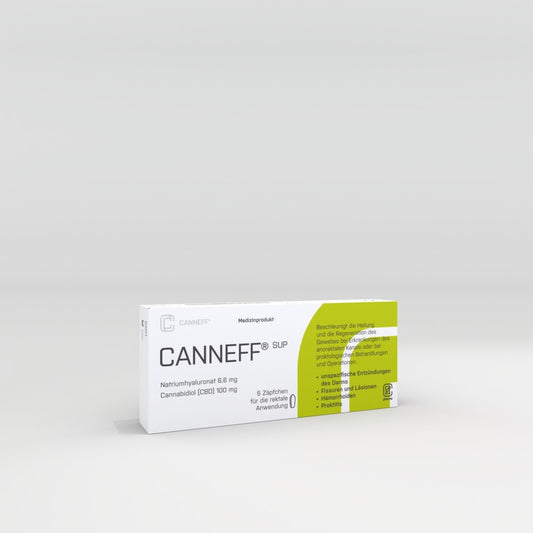
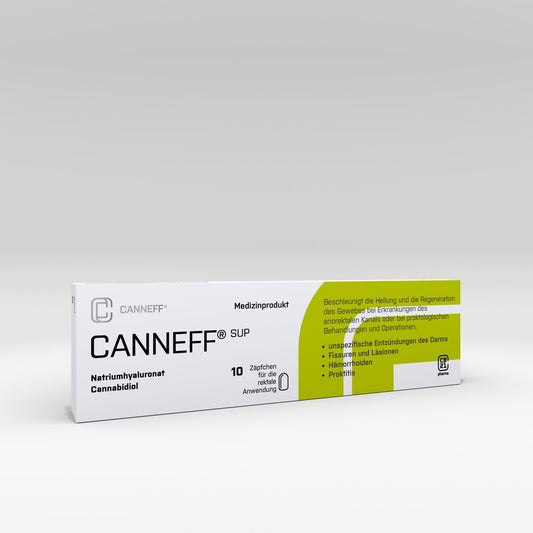
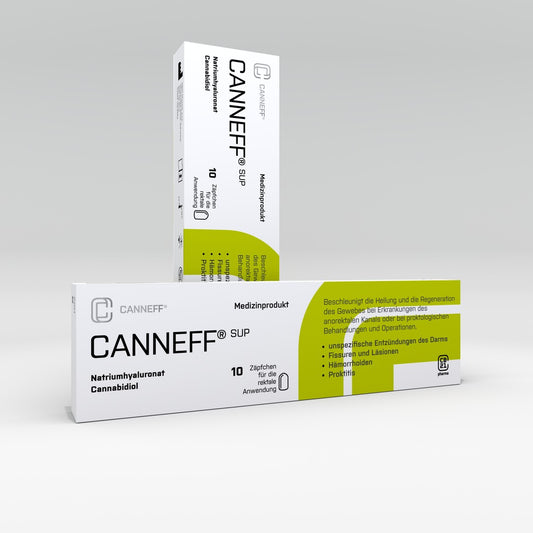
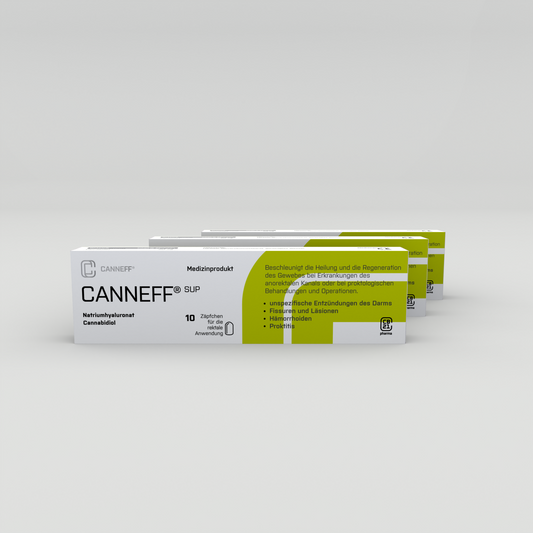
Often, anal venous thromboses heal on their own, but if there is very severe pain and very large lumps or ulcers on the anus, surgery may be necessary. This is also the case if an anal venous thrombosis does not go away despite conservative treatment, or if it is a repeatedly recurring anal venous thrombosis. Read more here about CANNEFF® SUP suppositories and the treatment of anal venous thromboses with suppositories.
Even self-healed anal venous thromboses can result in so-called sentinel folds or marisks, which, if sufficiently large and significantly impair anal hygiene, may also require treatment. Find all information here about diagnosis, examinations, and the doctor’s visit for anal venous thrombosis.