

What is a recurring anal vein thrombosis?
A recurring anal vein thrombosis is a painful swelling in the area of the anus caused by a blood clot (thrombus) in the external veins of the anal canal that occurs repeatedly. The affected veins are located outside the sphincter muscle and belong to the so-called perianal venous plexus. A thrombus can block the vein, leading to pain, swelling, and possibly bluish-purple discoloration of the lump at the anus. When the anal vein thrombosis recurs, the typical, suddenly very painful symptoms of anal vein thrombosis also reappear. These include pain at the anus, swelling with bluish-purple to reddish discolored nodules, as well as anal itching or anal burning, and a general feeling of tension, stretching, or a foreign body sensation in the anus.
Why does an anal vein thrombosis keep coming back?
An anal vein thrombosis can recur after healing. In medicine, this is called a recurrence. Recurring or repeated anal vein thromboses can be due to several factors. Besides a genetic predisposition to weak vein walls, chronic strain on the pelvic floor plays a central role. Lifting heavy loads, prolonged sitting, or straining during bowel movements can stress the veins in the anal area. Dietary habits and lifestyle also play a role in identifying causes. A low-fiber diet, lack of fluids, and little physical activity can lead to constipation and thus increased pressure in the anal area, which in turn raises the risk of perianal thromboses. Constipation as well as chronic diarrhea increase pressure in the anal area, promoting the development of anal vein thromboses. Pregnancy is also considered a possible trigger for recurring anal thromboses, as the weight of the growing baby puts pressure on the pelvic veins. Read more here about the various causes of anal vein thrombosis. Generally, to prevent anal vein thrombosis, a balanced diet, healthy weight, and sufficient exercise should be maintained. Find more tips here for your daily life to help prevent a renewed anal vein thrombosis.
What to do if an anal vein thrombosis keeps coming back?
If anal vein thromboses repeatedly develop, or if there are persistent or very severe pains, bleeding due to sudden rupture of the thrombus, you should definitely see a doctor. The doctor can perform further examinations and assess whether additional measures for treatment of anal vein thrombosis are necessary and recommend an individual treatment and prevention strategy. Read more here about the diagnosis and examinations of anal vein thromboses by a doctor.
What treatment is available for recurring anal vein thrombosis?
Even with recurring anal vein thromboses, treatment primarily depends on the severity of symptoms and the individual course of the anal vein thrombosis. There are both conservative treatment options and surgical approaches via incision or excision. If a perianal thrombosis keeps recurring and conservative treatment is ineffective, the venous perianal blood clot and affected tissue are surgically removed by excision. Read more here about the general treatment of anal vein thromboses, as well as about surgery for very large or painful ulcers at the anus. A proven approach in conservative treatment to reduce swelling and support the healing process after colorectal surgery is the treatment of anal vein thrombosis with suppositories.
Conservative treatment for recurring perianal vein thrombosis
For conservative treatment of recurring anal vein thromboses, painkillers, suppositories, or locally anesthetic ointments are often used to relieve pain. The treatment of perianal thromboses usually involves decongestant measures such as suppositories, ointments, or sitz baths. These often lead to rapid relief of the painful symptoms of anal vein thrombosis. Sitz baths with anti-inflammatory additives (e.g., chamomile) can also promote blood circulation and relieve pain at the anus. Certain creams and ointments containing heparin or cortisone can help dissolve the blood clot faster and reduce inflammation and swelling at the anus. Adequate fluid intake and a wholesome diet rich in fiber are essential pillars of conservative treatment to regulate bowel movements and minimize pressure in the anal area. Read more here about the general treatment of anal vein thromboses or find general tips on the use and dosage of suppositories for treating anal thrombosis.
Surgery for recurring anal vein thrombosis
In cases of severe or frequently recurring perianal vein thromboses, surgical intervention may be indicated. The blood clot is usually completely removed by excision in a short outpatient procedure. This procedure is typically performed under local anesthesia and can accelerate healing of the ulcer at the anus and reduce the risk of new thromboses. The wound is not sutured and remains open. Therefore, postoperative wound care at the anus plays an important role. Certain suppositories for treating anal vein thrombosis are also suitable to support the healing process after colorectal surgeries, such as excision of an anal thrombosis.
Can home remedies help with recurring anal vein thromboses?
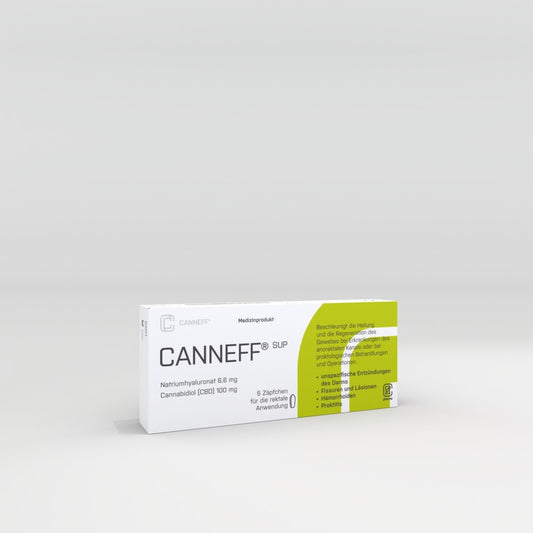
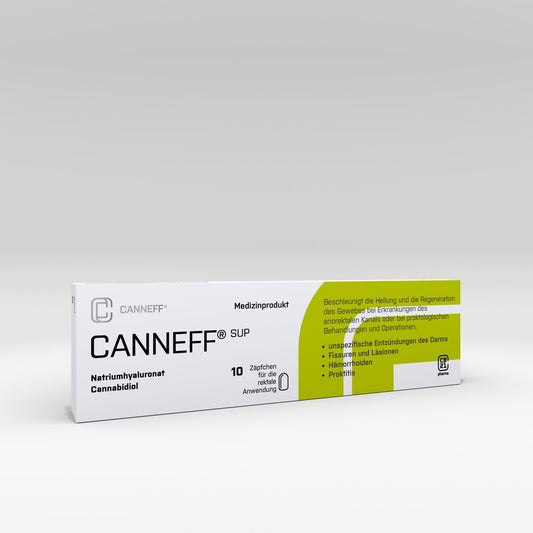
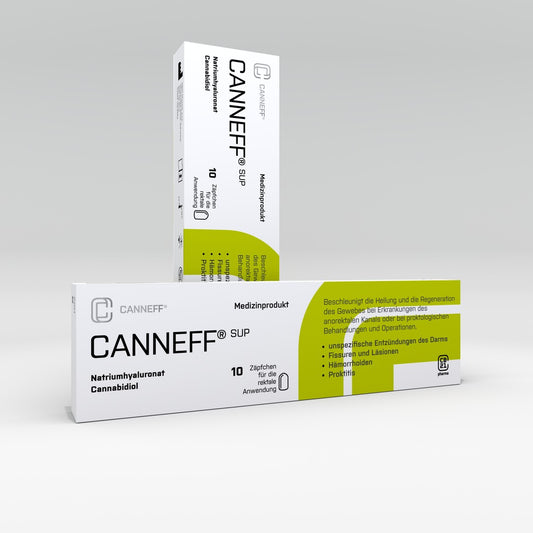
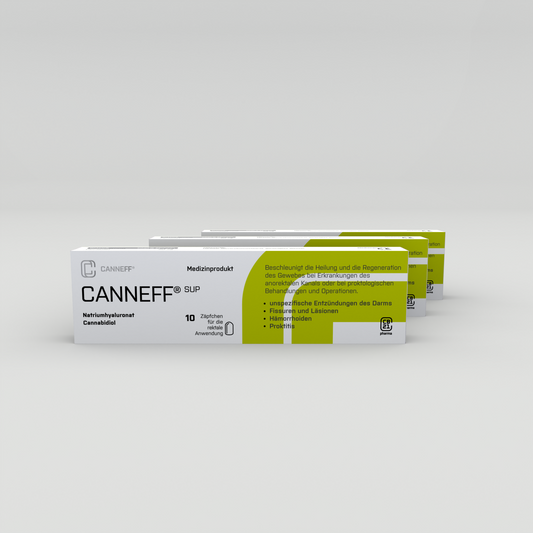
Those affected can initially treat recurring anal vein thromboses themselves with decongestant measures such as sitz baths or suppositories. Although perianal vein thrombosis is painful, it is generally considered harmless. Usually, a conservative therapy approach with suppositories or ointments is chosen to promote healing of the anal thrombosis and reduce swelling of the nodule and surrounding tissue in the anal area. Remember that home remedies and naturopathy do not replace medical examination, diagnosis, and treatment. Read more here about the general treatment of perianal vein thromboses or tips on the use and dosage of suppositories for treating anal thromboses. Learn about the multifaceted benefits of CANNEFF® SUP suppositories to support the healing process of ulcers at the anus.
Those exposed to physical strain in their profession should take breaks and lie down regularly. People who engage in strenuous sports such as weightlifting should avoid these activities during an acute anal vein thrombosis to minimize pressure in the abdominal and anal area caused by lifting heavy loads. Generally, strict bed rest is not necessary for an anal vein thrombosis. Moderate exercise is advisable, also to prevent recurrence of perianal thrombosis. Avoid prolonged sitting; instead, take breaks and lie down for a few minutes. This relaxes the pelvic floor and anal area and relieves pressure on the thrombosed vein. Many affected individuals also find it soothing to cool the swollen area at the anus accordingly.
What complications can occur with recurring anal vein thromboses?
Recurring anal vein thromboses can cause various complications, especially if not treated promptly. These complications range from chronic complaints such as persistent pain and swelling in the anal area, to scarring, anal fissures, and secondary infections like an anal abscess. Recurring anal vein thromboses, i.e., perianal thromboses that keep coming back, can also increase the development of complaints related to hemorrhoids. If the anal vein thrombosis does not resolve, it is called a chronic anal thrombosis. This occurs when the blood clot in the anal venous plexus does not dissolve on its own. In this case, the anal vein thrombosis can cause permanent complaints at the anus. If you suspect a perianal thrombosis, discuss the symptoms of anal vein thrombosis with your doctor. Read more here about diagnosis and examinations of perianal vein thrombosis by a doctor.
Here is a brief overview of possible complications when an anal vein thrombosis recurs or when the anal vein thrombosis does not resolve, which also increases the risk of certain proctological secondary diseases.
Chronic complaints at the anus
Frequent anal vein thromboses can lead to persistent pain, swelling, and a constant feeling of discomfort in the anal area. Read more here about the symptoms of anal vein thromboses.
Formation of skin tags (Marisken)
From healed anal thromboses or repeated perianal thromboses, excess skin can form in the anal area. Recurring anal thromboses impair the elasticity of the tissue in the anal region. Skin tags (Marisken) are usually harmless but can, if larger, make cleaning the anal area difficult and cause symptoms like anal itching. Larger skin tags may require surgical removal.
Anal fissures
Repeated anal thromboses can irritate the sensitive skin around the anus and cause tears in the anal or anal mucosa. Anal fissures are very painful, can cause anal burning, and if wound healing disorders occur, can become chronic anal fissures. Read more here about anal fissures and how to speed up healing of anal fissures.
Anal abscesses and anal fistulas
Due to irritation or open wounds after surgery, or if the anal thrombosis ruptures uncontrollably, secondary infections in the anal area can develop. Such irritation, wounds, or injuries at the anus can lead to infections, resulting in anal abscesses or anal fistulas.
Hemorrhoids
Repeated swelling of the perianal blood vessels can also increase the risk of developing hemorrhoids. Complaints related to hemorrhoids can cause further symptoms such as anal itching, bleeding, and pain at the anus.
Chronic anal vein thrombosis
If the anal vein thrombosis does not resolve, a chronic form of anal vein thrombosis can develop in some cases. In chronic anal vein thrombosis, the blood clot is not completely dissolved and can cause permanent complaints in the anal region.
Therefore, early and correct treatment of anal vein thrombosis and prevention of various risk factors are the basis to minimize the likelihood of such complications or proctological secondary diseases.
Can recurring anal thromboses promote hemorrhoidal disease?
Yes, recurring anal thromboses can promote hemorrhoidal disease, but anal vein thrombosis and hemorrhoids are two different proctological conditions. An anal thrombosis is a painful swelling caused by a blood clot in the veins at the outer anus, while hemorrhoids are basically the vascular cushions or blood vessels in the anal canal. Recurring anal thromboses can cause chronic damage and weakening of the vascular structure in the anal region, increasing the risk of developing hemorrhoidal disease. Frequent pressure and irritation of the vessels can lead to dilation and relaxation of the veins, facilitating the development of hemorrhoids. However, it is important to clarify the exact causes individually, as the development of hemorrhoids can be influenced by many factors such as genetic predisposition, chronic constipation, sedentary activities, and overweight. Enlarged hemorrhoidal cushions also slow venous blood flow and can promote the development of perianal thromboses. Therefore, in cases of recurring perianal thromboses, enlarged hemorrhoids as a cause of thrombosis should always be ruled out by an experienced proctologist. Read more here about diagnosis and examinations of anal vein thrombosis by a doctor.
Does recurring anal vein thrombosis increase the risk of skin tags (Marisken) as a secondary condition?
Yes, recurring anal vein thromboses can also increase the risk of developing skin tags (Marisken). An anal vein thrombosis occurs when a blood clot forms in a vein in the anal area. Even after the thrombosis heals, excess skin can sometimes form at the anus, called a sentinel fold or skin tag (Mariske). These skin flaps are usually harmless depending on size but can, if larger, make cleaning the anal area difficult and cause anal itching or irritation in the anal area.
With recurring thromboses, the risk increases that a skin tag forms after healing of the anal thrombosis because the affected anal area is repeatedly exposed to mechanical and inflammatory processes. The skin’s elasticity can decrease after multiple perianal vein thromboses, leading to the formation of skin tags. Although skin tags generally do not cause serious health problems, they can be aesthetically disturbing or cause hygiene issues in the anal area. In some cases, removal of the skin tags by surgery may be considered if they cause symptoms.
How can I prevent recurring anal vein thrombosis?
To reduce the risk of a recurring anal vein thrombosis, several effective preventive measures exist. Nutrition plays a central role in preventing recurrence. A fiber-rich diet, abundant in fruits, vegetables, and whole grains, helps keep stools soft and prevents constipation. Adequate fluid intake is also important as it supports digestion and regulates the bowel.
Besides nutrition, regular exercise is a crucial factor. Physical activity promotes blood circulation and helps lower the risk of perianal thromboses.
Avoiding prolonged sitting can also help reduce strain on the veins in the anal area. During bowel movements, avoid excessive straining to minimize pressure on the anal veins. A footstool can help adopt a natural, more squatting and thus gentle position that facilitates bowel movements and reduces straining and pressure in the anal area.
Furthermore, managing stress plays an important role. Stress can negatively affect the gut and promote both constipation and diarrhea, both of which increase the risk of anal vein thrombosis. Stress management techniques such as yoga, meditation, or breathing exercises can help lower stress levels and thus reduce the risk of recurring anal thromboses. Read more here about the prevention of perianal vein thromboses.
How exactly does stress affect gut health and the course of recurring anal vein thrombosis?
Stress, gut health, and mental state play an important role in the course of recurring anal vein thromboses. Chronic stress negatively affects the entire body, including the digestive system. Under persistent stress, the body releases increased levels of hormones like cortisol, which negatively impact gut motility (bowel movement). This can lead to digestive problems such as constipation or diarrhea—both risk factors for the development and cause of anal vein thromboses. When constipation occurs, excessive straining during bowel movements often happens, increasing pressure on the perianal veins or causing anal fissures, painful tears in the mucosa of the anal canal or skin. Diarrhea can irritate the anal area and promote inflammation, also increasing the risk of perianal thromboses and other proctological diseases.
Moreover, stress often negatively influences general lifestyle. Stress can lead to unhealthy eating habits, lack of exercise, or poor sleep quality. All these factors indirectly contribute to the development of anal vein thromboses, as a low-fiber diet and sedentary lifestyle slow down the gut and impair digestion. Mental health is also a crucial factor. People suffering from anxiety disorders or depression tend to adopt unhealthy behaviors, which worsen gut health and increase the risk of digestive problems and thus anal vein thromboses. Additionally, the psychological burden of recurring anal vein thrombosis can intensify symptom perception and increase suffering, significantly impacting the quality of life of those affected.
Good stress management and promoting mental health can therefore help reduce the risk of a new anal vein thrombosis. Stress reduction methods like yoga, meditation, or breathing exercises can positively influence gut function by regulating digestion and preventing constipation. Conscious attention to nutrition and incorporating regular exercise also contribute to improving gut health and reducing the risk of digestive problems that could lead to anal thromboses.
Overall, there is a clear connection between mental and physical well-being, gut health, and thus the prevention of recurring anal vein thromboses. A balanced lifestyle that strengthens physical and mental health can help better control the condition in the long term.
Read more here about the general treatment of anal vein thromboses, from conservative therapy with ointments, suppositories, and sitz baths to surgery for an anal vein thrombosis.
Regardless of conservative or surgical treatment of anal thrombosis, find more information about CANNEFF® SUP suppositories to support the reduction of swelling of the anal thrombosis and to aid the healing process of the open wound at the anus after surgery for anal vein thrombosis. Find all information here about the treatment of anal vein thromboses with suppositories.