

What does an anal vein thrombosis feel like? Experience reports from those affected
Many affected individuals describe the first signs of an anal vein thrombosis as a sudden, sharp pain at the edge of the anus, which feels like a hard lump under the skin. This lump can vary in size from a pea to a plum and causes an uncomfortable feeling of tension. Some report a pulsating sensation when sitting or walking, while others speak of a constant pressure that intensifies with movement. Here you will find typical statements that match the indications.
|
Experience report |
Description |
|
Sudden pain |
"Suddenly, I felt a sharp pain while sitting and then noticed a small, hard swelling." |
|
Feeling of pressure |
"It feels like something is constantly pressing against the skin, especially during bowel movements or prolonged sitting." |
|
Itching & burning |
"After a few days, the pain lessened, but then it itched badly." Read more here about anal itching and anal burning. |
|
Pain intensity |
"At first, I couldn't even sit normally; it was like a bruise, only much worse." |
This article is based on medical knowledge, typical patient reports, and proven treatment approaches. The experience descriptions included are not direct quotes from affected individuals but a summary of frequently reported symptoms and therapy experiences from medical sources, professional literature, and reputable patient forums. They serve to realistically depict the possible courses of an anal vein thrombosis. Read more here about the symptoms of an anal vein thrombosis.
For individual medical advice or specific patient reports, it is recommended to consult a doctor or a specialist source. Find all information about diagnosis and examinations in the blog post Anal Vein Thrombosis Doctor. In this blog post, you will learn whether an anal vein thrombosis is dangerous.
Which treatment has worked best against an anal vein thrombosis?
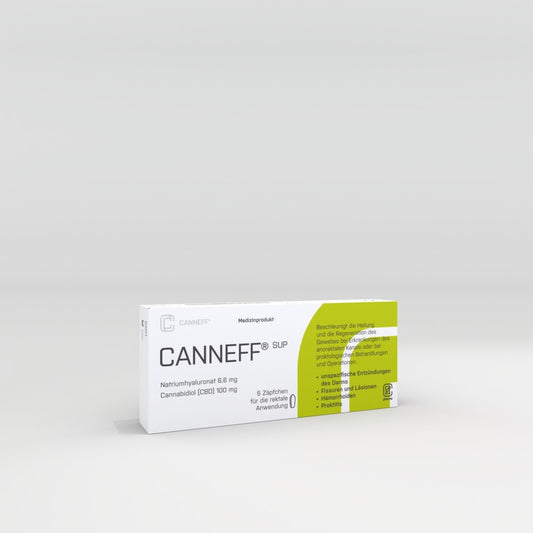
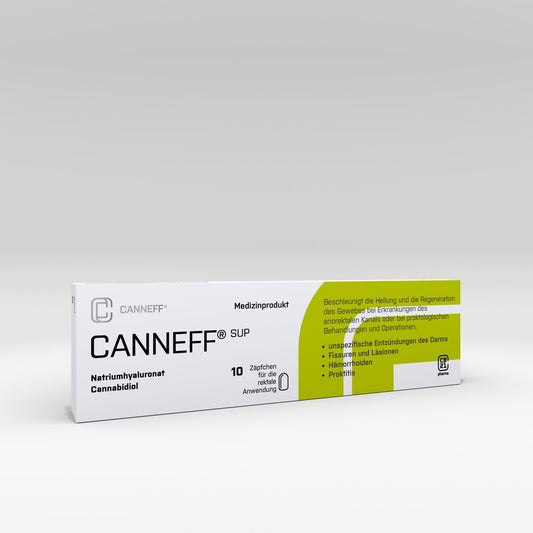
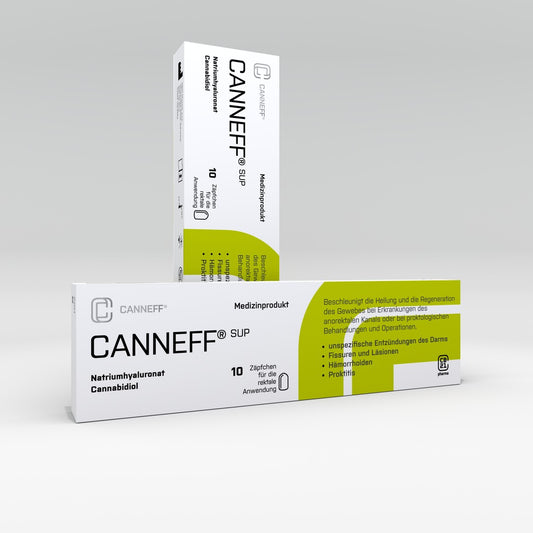
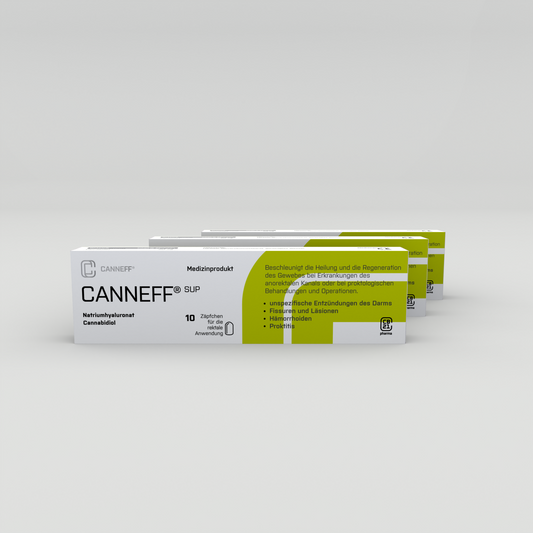
The most successful treatment of anal vein thrombosis combines pain relief, anti-inflammatory measures, and gentle care of the anal area. Many affected individuals recommend a combination of local ointments, sitz baths, and anti-inflammatory suppositories like CANNEFF® SUP, which specifically target swelling and support healing. Read more here about the treatment of anal vein thrombosis with suppositories. Here you will find typical statements that match the indications.
How long did the healing take? Experiences with different therapy methods
The healing duration varies depending on the size of the thrombosis, individual predisposition, and chosen treatment of anal thromboses. Small thromboses often disappear within one to two weeks, while larger ones can persist for up to six weeks. Read more here about the duration of treatment for anal vein thrombosis.
|
Healing phase |
Features |
|
1-3 days |
Severe pain, hard swelling |
|
4-7 days |
Pain decreases, swelling remains palpable |
|
2-3 weeks |
Thrombosis begins to regress, slight discoloration |
|
4-6 weeks |
Usually complete regression, possibly remaining skin fold (marisken) |
How do the symptoms of anal vein thrombosis differ from hemorrhoids?
Many affected individuals report that they initially thought the anal vein thrombosis was hemorrhoids until the pain became unusually severe. The key difference is that hemorrhoids usually itch or bleed slightly, while an anal vein thrombosis occurs suddenly and causes intense pain. Read more here about the symptoms of anal vein thrombosis.
|
Feature |
Anal vein thrombosis |
Hemorrhoids |
|
Pain |
Very strong, stabbing |
Usually mild to moderate, itching |
|
Color of the swelling |
Bluish-red |
Skin-colored or reddish |
|
Location |
Directly at the anal margin |
Internal, only visible externally in late stages |
|
Bleeding |
Rare, dark blood |
Frequent, bright red blood |
|
Regression |
After a few weeks |
Can persist or enlarge |
Has an anal vein thrombosis recurred? Experience reports about recurrences
Many affected individuals report that they experienced another thrombosis months or years after the first one. Recurrences of anal thrombosis occur especially often when risk factors such as constipation, straining during bowel movements, or prolonged sitting persist. Some people experience an anal vein thrombosis multiple times in their lives. Recurrences are particularly common if risk factors like constipation, straining during bowel movements, or prolonged sitting remain. The risk can be reduced through a suitable diet, exercise, and the use of anti-inflammatory preparations such as CANNEFF® SUP suppositories. If the anal vein thrombosis keeps recurring, a medical examination is definitely recommended. A doctor's visit is also important if the anal vein thrombosis does not go away.
Which ointments and home remedies have helped those affected?
The treatment of anal vein thrombosis aims to relieve pain, reduce inflammation, and promote the healing process. In most cases, conservative therapy is preferred, which relies on ointments, suppositories, sitz baths, and pain-relieving medications. CANNEFF® SUP suppositories can help as they contain anti-inflammatory ingredients and support the healing process. Read more here about home remedies and alternative therapy approaches for anal thromboses, as well as herbal treatment options for anal vein thromboses.
|
Treatment method |
Effect |
|
Sitz baths with chamomile or oak bark |
Anti-inflammatory, relieves tension |
|
CANNEFF SUP suppositories |
CANNEFF® SUP reduce swelling, promote healing |
|
Heparin ointment |
Supports blood breakdown |
|
Painkillers (Ibuprofen, Diclofenac) |
Relief of severe pain |
|
High-fiber diet |
Eases bowel movements and prevents straining |
Is an anal vein thrombosis as painful as claimed?
An anal vein thrombosis is a painful swelling at the edge of the anus caused by a blood clot in the superficial veins. It often occurs suddenly and can cause severe discomfort, but in most cases is harmless and heals on its own. Those affected often report a strong feeling of pressure and pain when sitting or walking. This article explains the symptoms of anal vein thrombosis, treatment of anal vein thrombosis, healing time, and the effectiveness of various therapy approaches in more detail.
How severe was the impairment in daily life due to an anal vein thrombosis?
The impairment depends on the intensity of the pain and the size of the thrombosis. In the first few days, sitting can be uncomfortable or even painful. For larger thromboses, it can help to use a seat cushion or move more frequently to reduce pressure.

Experience with surgery or incision – is the procedure worth it?
Surgery or an incision can be useful in certain cases, especially if the thrombosis is very large or causes extreme pain. An incision, where the clot is drained, can provide immediate relief, but a small wound remains that needs to heal over a few days.
|
Procedure |
When is it useful? |
|
Incision |
For very painful, large thromboses |
|
Complete Excision |
When thromboses frequently recur |
|
Conservative Treatment |
For smaller thromboses that can heal without intervention |
Many affected individuals choose conservative therapy because most anal vein thromboses heal on their own within a few weeks. Read more here about the treatment of anal vein thromboses.
What would I have done differently? Tips from experiences with anal vein thromboses
Experience shows that early treatment facilitates healing. Those who use anti-inflammatory measures like CANNEFF® SUP suppositories in time can relieve symptoms faster. Read more here about the treatment of anal vein thrombosis with suppositories. A fiber-rich diet is also crucial to avoid constipation and recurring thromboses. Learn here about the causes of anal vein thrombosis and all the measures on how to prevent anal thromboses.
An anal vein thrombosis can be very uncomfortable but is harmless in most cases. With a combination of anti-inflammatory ointments, sitz baths, and gentle measures to support healing, the symptoms can be well managed. Surgery is only necessary in severe cases. To prevent recurring thromboses, risk factors should be reduced and preventive measures taken. Find more information here about the general treatment of anal vein thromboses. Also read more about home remedies and alternative therapy approaches for anal thromboses, as well as plant-based treatment options.