

What is Premenstrual Syndrome (PMS) and what symptoms occur with PMS?
The premenstrual syndrome (PMS) is a fact. It describes a variety of physical and psychological complaints that women typically experience in the second half of their menstrual cycle – a few days to two weeks before the start of menstruation. These complaints usually disappear after menstruation begins. PMS can greatly affect your quality of life, as it temporarily disrupts your physical and mental well-being.
The symptoms of PMS vary greatly from woman to woman. Some experience only mild discomfort lasting a few days, while others suffer from severe symptoms that can significantly impact daily life. The symptoms can be divided into two main categories: physical symptoms and psychological symptoms.
What physical symptoms of PMS are there?
Lower abdominal pain and cramps:
Typical are lower abdominal pain and cramps. The pain in the lower abdomen is often described as pulling or pressure. The pain can also be felt in the back – back pain.
Weight gain due to water retention:
Water retention can lead to weight gain. Many women struggle with temporary weight gain caused by water retention in the body.
Breast pain (mastodynia):
Tension and pressure sensations in the breasts are typical symptoms often caused by hormonal changes.
Skin problems:
Impure skin and pimples can worsen due to hormonal fluctuations.
Digestive problems:
Some women report diarrhea, constipation, nausea, or a bloated belly before menstruation. Additionally, heartburn may occur.
Fatigue:
A strong feeling of exhaustion and lack of energy can occur. One becomes quickly tired and has little energy.
Headaches and migraines:
These often appear as tension headaches or migraines.
What psychological symptoms of PMS occur?
Irritability and outbursts of anger:
When it comes to irritability and outbursts of anger, problems can definitely arise. Many women report that they often have mood swings and are quickly irritable.
Anxiety and nervousness:
Anxiety and nervousness can also occur, for example in the form of increased stress or restlessness.
Depressive moods:
Depressive moods are also an issue. Some women feel sad or lack motivation and feel depressed.
Sleep disorders:
Sleep disorders are also included. Sleep disorders are also common, such as insomnia or difficulty falling asleep or staying asleep. Sleep disorders during perimenopause, a phase of the menopause, are described in more detail in this blog post.
What is the difference between PMS and PMDD?
PMS is more common and the symptoms are usually not as severe. With PMDD, Premenstrual Dysphoric Disorder, it is different. This is a severe form of PMS that can be very distressing and limiting.
What are the symptoms of Premenstrual Dysphoric Disorder (PMDD)?
The symptoms of PMDD are stronger than those of PMS and mainly affect mental well-being. The diagnosis is only made after observing the symptoms over at least two menstrual cycles because PMDD occurs regularly and more intensely. To diagnose PMDD, at least five symptoms must be present. One of them must come from one of the following categories:
Mood swings:
Sudden, unexplained sadness and crying.
Irritability and increased readiness for conflict:
Increased arguments or uncontrolled anger.
Depression and hopelessness:
A feeling of worthlessness and deep depressive moods.
Tension and anxiety:
A constant feeling of inner restlessness and tension.
Additionally, other symptoms must be present, such as:
Loss of energy and exhaustion:
A feeling of tiredness and low resilience.
Concentration problems:
Difficulty focusing on everyday tasks.
Changed appetite:
Strong cravings for certain foods or, conversely, loss of appetite.
Sleep problems:
Insomnia or the need to sleep much more than usual.
Physical complaints:
Tender breasts, headaches, lower abdominal pain.
How long do PMS and PMDS symptoms last?
PMS symptoms can appear from a few hours up to five days before the period and usually disappear with the start of menstruation. In some cases, especially in the years before menopause, symptoms may last longer or not fully subside after the period. PMDS symptoms are different. They also occur in the second half of the cycle but can persist throughout the entire cycle. This can significantly impact daily life.

What worsens PMS and PMDS symptoms?
PMS and PMDS symptoms can be worsened by various factors. Stress, hormonal fluctuations, an unbalanced diet, and too little sleep are the most common reasons symptoms get worse. In the time before menopause, known as perimenopause, many women experience increased discomfort.

How do I recognize PMS symptoms?
PMS manifests through a range of physical and psychological symptoms that regularly appear in the second half of the menstrual cycle, about 10 to 14 days before the period. Here are some tips on how to better recognize PMS symptoms:
Pay attention to the timing when PMS symptoms occur
PMS symptoms usually appear after ovulation and typically disappear shortly after the start of menstruation. If you regularly notice symptoms before your period, this could be a sign of PMS.
Should I keep a PMS symptom diary?
It can be helpful to keep a symptom diary over several cycles. This way, you can better understand if there is a regular connection between your symptoms and your cycle. Simply note which symptoms occur when, how they start, and how long they last.
Which typical physical PMS symptoms should I note?
The most common physical signs of PMS are:
- Lower abdominal pain and cramps (especially in the lower belly area)
- Water retention (swelling in hands, feet, or face)
- Weight gain (usually temporary due to water retention)
- Breast tightness or sensitivity
- Skin problems (acne or impure skin)
- Fatigue and exhaustion
- Headaches or migraines
- Gastrointestinal complaints (bloating, constipation, or diarrhea)
Which psychological PMS symptoms should I note?
PMS often also manifests in emotional and mental complaints. The most common psychological symptoms include:
- Mood swings (sudden crying or unexplained sadness)
- Irritability or outbursts of anger
- Depressive moods or feelings of hopelessness
- Concentration problems
- Inner restlessness or nervousness
- Sleep disturbances (difficulty falling or staying asleep)
How can I recognize PMS symptoms in everyday life?
See if and how much your symptoms affect your daily life. If your symptoms regularly impact your mood, work performance, or relationships, it could be PMS or, in more severe cases, premenstrual dysphoric disorder (PMDD).
How can I monitor the intensity of PMS symptoms?
With PMS, the symptoms are usually rather moderate, but with PMDD they can sometimes be more severe. If your symptoms are quite intense and regularly slow you down, it could be PMDD.
What treatment options are available for PMS and PMDS symptoms?
Treatment for PMS and PMDS varies depending on the severity of symptoms:
Lifestyle changes:
Regular exercise, a balanced diet, and sufficient sleep can help alleviate symptoms.
Medications:
In more severe cases, antidepressants or hormonal treatments may also be prescribed.
Alternative therapies:
Relaxation techniques, acupuncture, and herbal remedies like chasteberry can also help.
Vaginal suppositories:
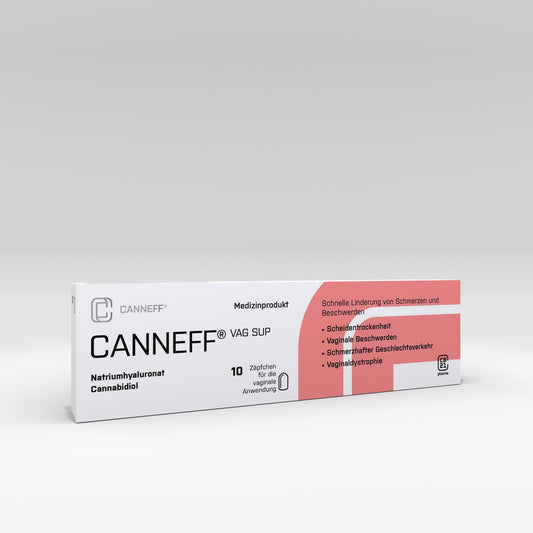
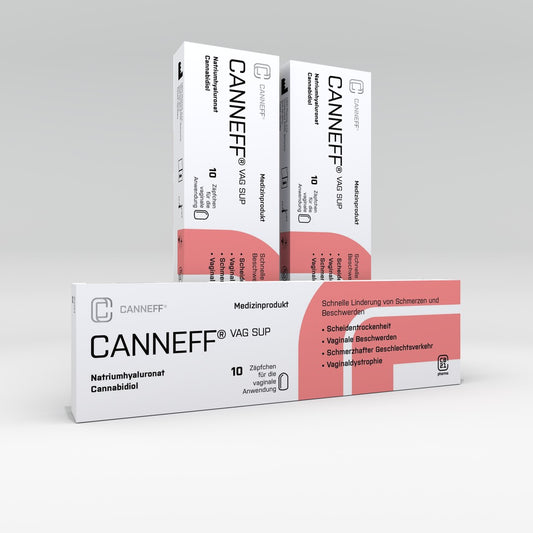
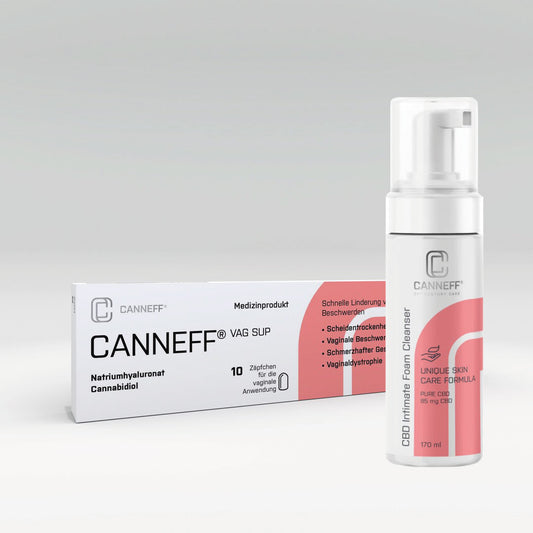
Products like CANNEFF VAG SUP with cannabidiol (CBD) and hyaluronic acid can help with pain and vaginal discomfort, mucosal injuries, pain during intercourse, and similar issues, especially with dryness or itching. At the same time, CANNEFF VAG SUP has shown in studies that the quality of life for women in menopause has significantly improved. Studies have shown that symptoms such as periodic sweating or hot flashes, depressive moods, insomnia, memory problems, concentration difficulties, nervousness, as well as bone and joint complaints can be improved. These symptoms partly overlap with those of PMS.
PMS and PMDD can significantly affect women’s lives. It is important to monitor the symptoms to find the right diagnosis and treatment. PMS is more common and involves mild to moderate symptoms. PMDD is a severe form that requires professional support. If necessary, medication can also help relieve symptoms and improve quality of life.

When do PMS symptoms end?
PMS symptoms usually stop shortly after menstruation begins. Here is a brief overview of the typical phases:
Start of menstruation
Most women notice that PMS symptoms ease within the first hours to a day after bleeding begins. This is because the hormone levels of estrogen and progesterone, which are responsible for many symptoms, drop during the period.
During the first days of the period
For some women, PMS symptoms even continue during the first days of the period. But don’t worry, these usually disappear completely one to two days after the bleeding starts.
Exception: Perimenopause and stress-related worsening
Before menopause, that is, in the years leading up to it (perimenopause), or when under severe stress, PMS symptoms can last longer and sometimes even continue during the period. If the symptoms persist after the period or are particularly severe, it may help to see a doctor to be checked for premenstrual dysphoric disorder (PMDD) or other causes.