

What is anal itching, and how is it related to the hormonal changes of menopause?
Anal itching, also known as pruritus ani or itching in the anal area, is an unpleasant symptom that can be caused by various triggers. It involves an intense tingling or burning sensation in the skin around the anus. During menopause, a phase of hormonal changes, these symptoms can become more pronounced. This is mainly due to the decreasing estrogen production, which leads to drying and thinning of the skin.
The skin in the intimate area, including the sensitive anal region, loses its natural elasticity and moisture retention due to hormone deficiency. This makes it more susceptible to irritation and minor injuries that can promote itching. Indirect factors, such as altered gut flora or the influence of hormone-related constipation and hemorrhoids, also play a role. In summary, the hormonal changes during menopause can increase the risk of anal itching and worsen existing symptoms. Read more about the symptoms of menopause here.
What causes can promote anal itching during menopause, and what role do dry skin and mucous membranes play?
Anal itching during menopause can be triggered or intensified by a variety of factors directly or indirectly related to the hormonal changes in this phase of life. The decline in estrogen affects the skin and mucous membranes throughout the intimate area, including the anal region. Read more here about the causes of anal itching.
Due to hormone deficiency, the skin loses moisture, elasticity, and protective function. This dryness makes the sensitive perianal skin more susceptible to irritation and microtears caused by mechanical friction, insufficient or excessive hygiene. At the same time, changes in the mucous membranes of the intestine can lead to constipation, increasing the risk of anal fissures or hemorrhoids – both common triggers of anal itching.
The condition lichen sclerosus occurs more frequently during the menopause and results in inflammation in the intimate area, often on the labia, penis, and anus, and can cause severe itching.
Additionally, the menopause can affect the gut flora, which in turn weakens the skin barrier. Other potential causes, such as increased stress levels, metabolic diseases (e.g., diabetes), or a tendency to infections from fungi or bacteria, also occur more frequently. These factors often work together, creating an environment where anal pruritus easily develops or existing symptoms worsen.
How can you recognize anal itching and what other symptoms may accompany it during menopause?
Anal itching, medically known as pruritus ani, manifests as an unpleasant itching or burning sensation in the anal area. During the menopause, hormonal changes, especially the decline in estrogen levels, can lead to dry skin and mucous membranes, increasing the risk of irritation and itching in the anal region. Additionally, factors such as hemorrhoids, anal fissures, or infections can promote the occurrence of anal itching.

CANNEFF® SUP rectal suppositories combine hyaluronic acid and cannabidiol (CBD) in a special emulsion matrix that ensures maximum effectiveness of the active ingredients. These suppositories support the healing and regeneration of tissue in the anal area and can thus help relieve complaints such as anal itching.
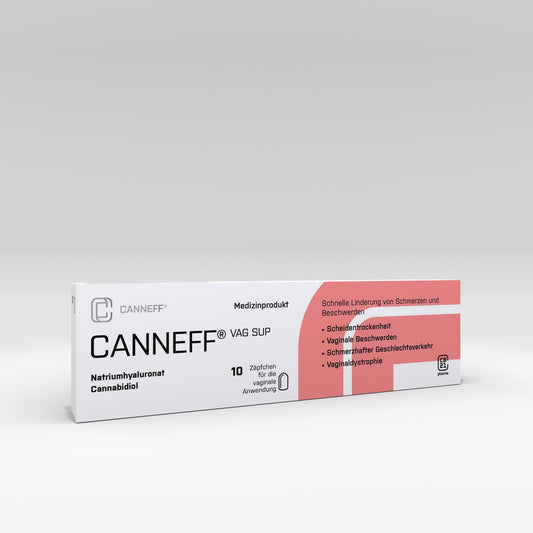
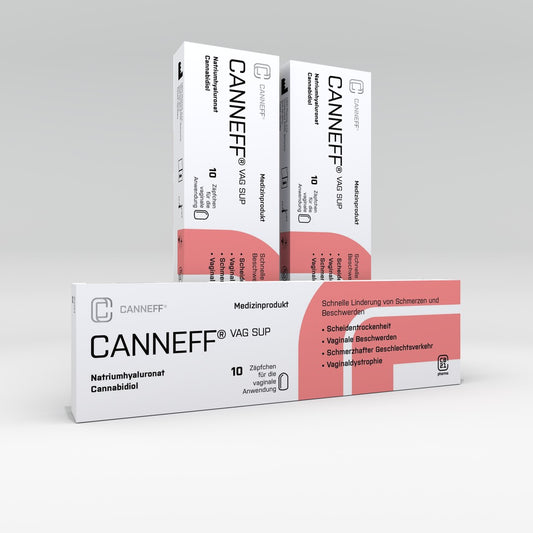
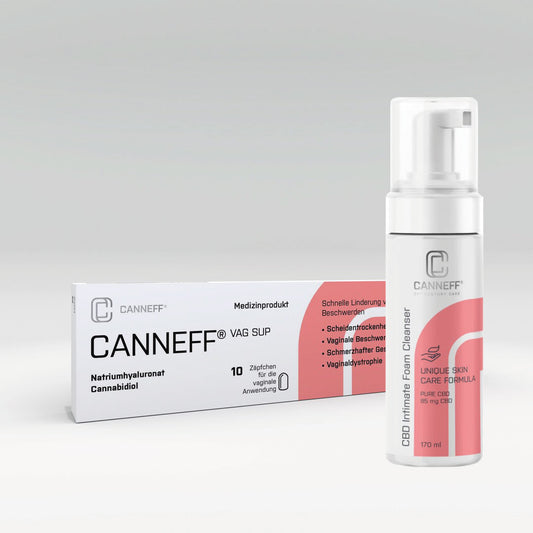
During menopause, in addition to anal itching, other symptoms such as vaginal dryness, burning, itching, and pain during intercourse may occur. CANNEFF® VAG SUP vaginal suppositories, which also contain hyaluronic acid and CBD, offer a hormone-free treatment option for these complaints. They promote moisture formation and support the healing of irritations and injuries in the vaginal area. Read more here about the symptoms of menopause.
The use of CANNEFF® suppositories can thus help relieve discomfort in the intimate area during menopause and improve the quality of life for affected women. Find more information here about treatment with suppositories during menopause.
What measures and care products help against anal itching during menopause?
Various measures and care products can specifically help against anal itching during menopause to relieve irritation and support the sensitive skin in the anal area:
Measures to relieve anal itching during menopause:
Gentle hygiene: Clean the anal area after bowel movements with lukewarm water and avoid soaps or perfumed products, as these can dry out the skin. Use soft cloths to gently dry or pat the skin dry.
Keeping the skin dry: Wear loose-fitting clothing made of breathable materials like cotton to avoid excessive sweating. In case of heavy sweating, anal pads can help reduce moisture.
Adjusting diet: A fiber-rich diet promotes soft stools that cause less mechanical irritation. Drink enough water to support digestion.
Stress reduction: Stress can worsen symptoms like itching. Pay attention to relaxation exercises or getting enough sleep.
Care products: CANNEFF® SUP suppositories - These suppositories contain hyaluronic acid and cannabidiol (CBD), which promote skin regeneration and moisture supply. They are ideal for soothing irritated anal skin and support the healing of microtears or irritations. The combination of active ingredients provides effective relief from symptoms such as itching and burning in the anal area.
Creams and ointments: Use products with soothing ingredients such as zinc, panthenol, or aloe vera, which protect the skin and relieve irritation.
Sitz baths with additives: Baths with skin-soothing herbal extracts like chamomile or oak bark can help with acute itching. Make sure to dry the skin thoroughly afterward.
Hormone-free moisturizing products: When hormonal changes during menopause promote dry mucous membranes, specific care products with hyaluronic acid can provide additional protection.
Read more here about the treatment of anal itching or about the treatment of anal itching with suppositories.
Can hormonal treatments or home remedies relieve anal itching?
Yes, both hormonal treatments and certain home remedies can help relieve anal itching, especially when caused by hormonal changes during menopause.
Treatments for itching during menopause
Local estrogen therapy: Hormone creams or suppositories with estrogen can help regenerate dry skin and mucous membranes. They are especially effective for complaints caused by estrogen deficiency during menopause. These products should always be used in consultation with a doctor.
Systemic hormone replacement therapy (HRT): In severe cases, systemic HRT can compensate for the general estrogen deficiency and thus indirectly improve skin and mucous membrane complaints. However, this requires careful consideration of benefits and risks by the treating physician.
Vaginal and rectal preparations: Products like CANNEFF® suppositories do not contain hormones but offer a hormone-free alternative. The combination of hyaluronic acid and cannabidiol (CBD) improves moisture supply and promotes healing of microtears and irritations in the anal area and vagina. This treatment can effectively help with itching and dryness without using hormones.
Read more here about the treatment of anal itching or about the treatment of anal itching with suppositories.
Home remedies for relieving anal itching during menopause
Sitz baths with soothing additives: Chamomile, oak bark, or witch hazel have anti-inflammatory properties that can relieve itching and irritation. It is important to dry the skin thoroughly but gently afterward.
Aloe vera and coconut oil: Aloe vera moisturizes and soothes irritated skin, while coconut oil has anti-inflammatory effects and strengthens the skin barrier. Both home remedies can be applied thinly.
Oatmeal compresses: A bag of oatmeal soaked in water can be used as a natural compress to reduce itching and soothe the skin.
Zinc paste: Zinc oxide has wound-healing and soothing properties and is well suited for treating minor irritations or inflammations in the anal area.
Cooling pads: Cold packs or damp cotton cloths can provide temporary relief from acute itching.
What role do nutrition and lifestyle play in preventing and relieving anal itching?
Nutrition and lifestyle play a crucial role in preventing and relieving anal itching, especially when hormonal changes during the menopause make the skin and mucous membranes more sensitive.
Nutrition
High-fiber diet: A diet rich in fruits, vegetables, whole grains, and legumes promotes healthy digestion and prevents constipation, which often leads to irritation and itching in the anal area. Examples include oats, flaxseeds, chia seeds, and leafy greens.
Adequate hydration: Daily water intake (about 1.5 to 2 liters) helps keep stools soft, which reduces mechanical stress on the anal area. Unsweetened teas or water with lemon are good alternatives.
Avoiding irritating foods: Spicy foods, alcohol, coffee, tomatoes, chocolate, or citrus fruits can irritate the skin and mucous membranes and should be reduced if prone to anal itching.
Promoting a healthy gut flora: Probiotics from yogurt, kefir, or fermented foods like sauerkraut can support the balance of gut flora and thus indirectly relieve symptoms such as anal itching.
Lifestyle
Regular exercise: Sports like yoga, walking, or swimming promote healthy digestion and prevent constipation. Exercise also improves blood circulation, which supports the regeneration of the sensitive anal skin.
Stress management: Chronic stress can weaken the immune system and worsen skin irritation. Relaxation techniques such as meditation, breathing exercises, or progressive muscle relaxation can help restore balance.
Skin-friendly clothing: Loose clothing made of breathable materials like cotton prevents excessive sweating, which can promote itching. Avoid tight, synthetic fabrics in the intimate area.
Hygiene measures: Gentle cleansing with lukewarm water and avoiding harsh soaps or wet wipes help protect sensitive skin. After washing, pat the area dry thoroughly but gently.
Specific recommendations during menopause
The declining estrogen levels can lead to dry skin, which can be supported by adequate intake of vitamin E, omega-3 fatty acids, and antioxidants (e.g., from nuts, seeds, avocados, and berries).
The use of products like CANNEFF® SUP suppositories with hyaluronic acid and CBD can provide effective relief in addition to diet. They promote the regeneration of dry, irritated skin in the anal area and support the restoration of moisture balance.
When should medical evaluation be sought for anal itching during menopause?
In case of anal itching during menopause, medical evaluation should be sought if:
Persistent or severe symptoms exist: The itching lasts longer than one to two weeks despite care and hygiene measures. The symptoms worsen or recur repeatedly.
Additional symptoms occur: Bleeding, oozing, or discharge from the anal area. Pain during bowel movements or intense burning. Swelling, redness, or skin changes such as small cracks (fissures), anal eczema, or hardening.
Suspicion of underlying diseases exists: Known or new hemorrhoids that could cause itching and irritation. Signs of infections such as fungal infections, bacterial inflammations, or parasites (e.g., pinworms). Suspicion of systemic diseases like diabetes mellitus, which can lead to dry skin and mucous membranes.
Unclear causes are present: If itching persists despite adjusted diet, good hygiene, and suitable care products, clarification is necessary to rule out serious causes such as anal fistulas, anal abscesses, or even anal carcinomas. Read more about the causes of anal itching.
Quality of life is severely impaired: Severe itching, especially at night, which significantly affects sleep and well-being, should not be ignored.
Read more about diagnosis and examinations in the blog post Doctor's Visit - Anal Itching.
What to expect during the doctor's visit?
A doctor's visit for anal itching includes:
Medical history: Questions about the onset, duration, and intensity of symptoms as well as possible accompanying diseases or current care habits.
Physical examination: Visual inspection and, if necessary, palpation of the anal region to assess skin changes, hemorrhoids, or other abnormalities.
Further diagnostics: If necessary, stool tests, swabs, or an endoscopic examination of the rectum (proctoscopy) to detect infections or structural changes.
Read more about diagnosis and examinations in the blog post Doctor's Visit - Anal Itching.