

Which symptoms indicate prostatitis?
Prostatitis (prostatitis) is an inflammation of the prostate gland that can be accompanied by a variety of symptoms. These symptoms vary depending on the type of inflammation and can range from acute complaints to chronic, less noticeable symptoms. Particularly noteworthy is chronic abacterial prostatitis, often known as "chronic pelvic pain syndrome."
Typical symptoms of prostatitis
Pain and pressure sensation: Affected individuals often report pain in the perineal area, lower abdomen, groin, or lower back. These symptoms can also radiate to the area of the anus or testicles.
Urination problems: Frequent urge to urinate, difficulty starting the urine flow, weak urine stream, or pain during urination (dysuria) are among the main symptoms.
Painful ejaculation: Men with prostatitis often complain of pain during ejaculation, which further affects quality of life and sexuality.
Fever and chills: These mainly occur in acute bacterial prostatitis.
Other symptoms: Blood in urine or ejaculate, general malaise, as well as loss of potency and libido can also occur.
Focus on chronic abacterial prostatitis
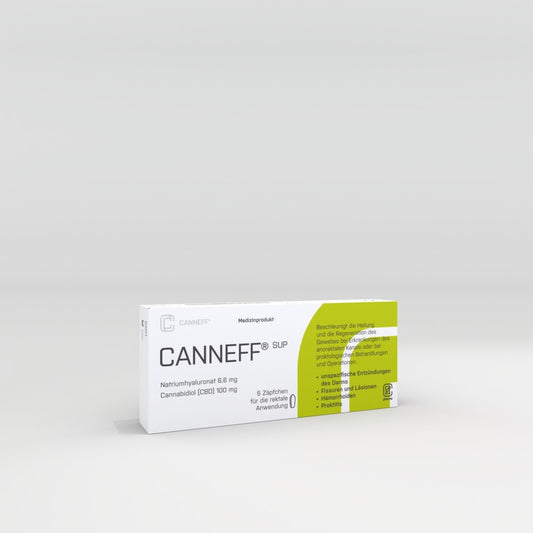
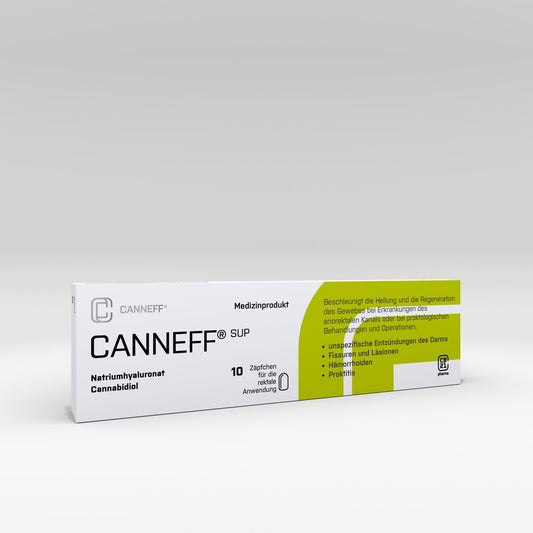
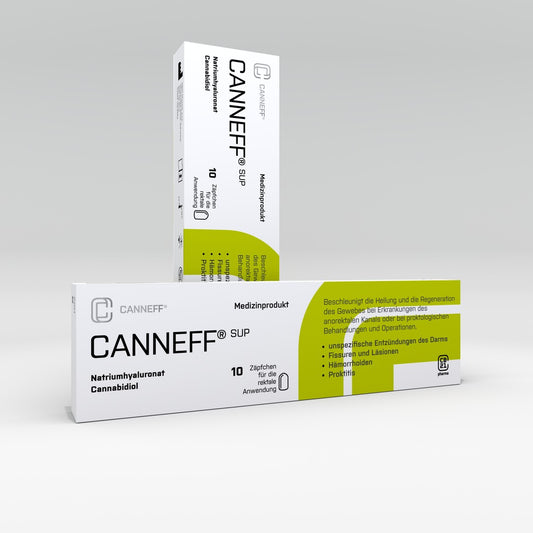
Chronic abacterial prostatitis is the most common form and often affects men without clear signs of infection. Typical symptoms include pelvic pain, a feeling of pressure in the lower abdomen, and urinary discomfort. Since no bacterial pathogens can be detected, treatment is often challenging. Here, CANNEFF® SUP suppositories can be used as a complementary therapy option.
Effect of CANNEFF SUP on chronic abacterial prostatitis
CANNEFF® suppositories contain CBD and hyaluronic acid, which have been shown to have anti-inflammatory and pain-relieving effects. A pilot study demonstrated that these suppositories can effectively relieve the symptoms of chronic abacterial prostatitis. They help to calm local inflammation, reduce pain, and support the healing process in the pelvic floor area.
Proctological conditions and possible connections
Similar symptoms to prostatitis can also occur in proctological conditions such as anal fissures, anal eczema, or anal burning. Thorough diagnostics are important to initiate the correct treatment. CANNEFF® products are also used for these conditions and can provide relief. The symptoms of prostate inflammation are diverse and should not be ignored. Especially with chronic complaints, CANNEFF® SUP offers a promising option to improve the quality of life for those affected. If symptoms persist, a doctor’s visit is essential to clarify the exact cause and to rule out other conditions such as hemorrhoids or proctitis. Read more here about the various causes of prostatitis or how to prevent prostatitis.
How do the symptoms differ between acute and chronic prostatitis?
The differences between acute and chronic prostatitis are clearly distinguishable by their symptoms. While acute prostatitis occurs suddenly and often causes severe discomfort, the chronic form usually develops gradually and subtly.
|
Symptoms |
Acute prostatitis |
Chronic prostatitis |
|
Start |
Sudden and severe |
Slow and insidious |
|
Pain |
Severe, especially in the perineum and anal area |
Diffuse, less intense, often in the lower abdomen |
|
Fever and chills |
Common |
Rare |
|
Urination difficulties |
Strong urge to urinate, pain during urination |
Frequent urge to urinate, weak urine stream |
|
Ejaculation pain |
Severe and acute |
Chronic, often associated with loss of libido |
|
Systemic symptoms |
Muscle and limb pain |
Rare |
Treatment options
Acute prostatitis usually requires rapid treatment with antibiotics to prevent complications such as a prostate abscess. In chronic prostatitis, especially the abacterial form, CANNEFF® SUP suppositories can help alleviate symptoms like perineal and lower abdominal pain due to their anti-inflammatory and pain-relieving properties. CANNEFF® SUP also shows positive effects in other proctological complaints such as hemorrhoids or anal burning. Read more here about the treatment of prostatitis or also about the treatment of prostatitis with suppositories.
What are the most common pains in prostatitis?
The pain in prostatitis varies depending on the type of disease but often occurs in similar body regions. The most common types and locations of pain are:
|
Type of pain |
Description |
|
Perineum and anal area |
Burning or stabbing pain between the anus and scrotum, typical for both forms. |
|
Lower abdomen and bladder |
Pressure sensation or pain in the lower abdomen, common in chronic conditions. |
|
Back and lower back pain |
Pulling pains that can radiate into the lower back. |
|
Ejaculation pain |
Pain during or after ejaculation, often chronically distressing. |
|
Painful urination |
Burning and pain during urination, especially in acute prostatitis. |
|
Testicular pain |
Pulling pains that can radiate into the groin. |
Symptom relief with CANNEFF SUP
In chronic abacterial prostatitis, CANNEFF® SUP suppositories can reduce pain in the perineum and lower abdomen thanks to their anti-inflammatory and muscle-relaxing effects. This property also makes them a helpful option for other proctological conditions such as anal eczema or post-anal burning.
Can prostatitis also be asymptomatic?
Yes, prostatitis can be asymptomatic. This form is called asymptomatic inflammatory prostatitis and often occurs incidentally during examinations performed for other reasons, such as fertility analysis or a PSA test for prostate cancer screening.
|
Property |
Description |
|
Absence of symptoms |
No complaints such as pain or problems with urination. |
|
Detection of inflammation |
Leukocytes or other signs of inflammation are found in prostate secretion or urine. |
|
Frequency of diagnosis |
Usually an incidental finding during routine examinations. |
What signs indicate a bacterial infection?
A bacterial infection of the prostate manifests with characteristic symptoms that vary between acute and chronic bacterial prostatitis. While the acute form often involves severe symptoms, the chronic form usually appears milder.
|
Characteristic |
Acute bacterial prostatitis |
Chronic bacterial prostatitis |
|
General symptoms |
Fever, chills, severe malaise |
Mild malaise, rarely fever |
|
Pain |
Intense in the perineum, pelvis, and lower back area |
Diffuse in the perineum and pelvic area, mild |
|
Urinary tract symptoms |
Burning during urination, frequent urge to urinate |
Recurring complaints, weak urine stream |
|
Urine flow |
Occasional acute urinary retention |
Mild difficulty fully emptying the bladder |
|
Signs of inflammation |
High PSA levels, leukocytosis in the blood |
Elevated PSA levels and leukocytes in the secretion |
A bacterial infection is often detected by an increase in inflammatory markers in the blood (CRP, leukocytes) and the presence of bacteria in the urine or prostate secretion. In severe cases, a prostate abscess may form, requiring targeted therapy.
Treatment and Supportive Measures
The therapy targets the bacteria, usually with antibiotics such as fluoroquinolones or cotrimoxazole over 4–6 weeks. In chronic bacterial prostatitis, alpha blockers and anti-inflammatory drugs can be used additionally to relieve symptoms.
CANNEFF® SUP for bacterial prostatitis?
Although CANNEFF® SUP suppositories were primarily developed for chronic abacterial prostatitis, they can also help with accompanying symptoms such as anal itching or local inflammation in the rectal area that may occur with a bacterial infection. The anti-inflammatory effect of CBD and hyaluronic acid can contribute to relief, but this does not replace antibiotic therapy. Read more here about the treatment of prostatitis with suppositories.
Why does prostatitis cause pain in the perineal and groin area?
The pain in the perineal and groin area in prostatitis arises from the close anatomical connection of the prostate with surrounding tissues, muscles, and nerves. The prostate is located in the pelvis, directly below the bladder and around the urethra. Inflammation or irritation in this area therefore affects adjacent structures.
|
Cause of pain |
Explanation |
|
Nerve irritation |
The prostate is surrounded by many nerves, including branches of the pudendal plexus, which supply the perineum and groin. Inflammation or swelling irritates these nerves and causes pain. |
|
Muscle tension |
Prostatitis can cause muscle hardening in the pelvic floor and surrounding muscles. These tensions increase pressure and thus pain in the perineal area. |
|
Inflammatory processes |
The release of pro-inflammatory substances (e.g., prostaglandins) in the prostate irritates the surrounding tissues, leading to pain radiating to the perineum and groin. |
|
Prostate fluid congestion |
Blocked prostate fluid due to swelling or narrowing can cause additional pressure and pain. |
Different pain patterns
Acute prostatitis: The pain occurs suddenly and intensely, often accompanied by feelings of pressure and fever.
Chronic prostatitis: Here the pain is more diffuse, dull, and can last longer. It is often worsened by movement or prolonged sitting.
How can I recognize chronic abacterial prostatitis (CPPS)?
Chronic abacterial prostatitis or chronic pelvic pain syndrome (CPPS) is the most common form of prostatitis. It is characterized by long-lasting pain in the pelvic area without detectable bacterial infection. The symptoms are often nonspecific and vary in intensity, making diagnosis difficult.
|
Symptom |
Description |
|
Pelvic pain |
Pain in the perineal area, groin, penis, or lower back lasting longer than three months. |
|
Painful urination |
Burning or stinging during urination, although no infection is present. |
|
Painful ejaculation |
Pain during or after ejaculation. |
|
Frequent urination |
Constant feeling of needing to empty the bladder, often with a weak urine stream. |
|
Sexual complaints |
Reduced libido, erectile dysfunction, or decreased ejaculate volume. |
|
Psychological stress |
Symptoms such as anxiety, stress, or depressive moods, which can be worsened by ongoing complaints. |
Diagnostic clues in CPPS
Exclusion of infection: No bacteria are found in urine or prostate secretions.
Persistence of symptoms: Symptoms persist for at least three months and often occur in flare-ups.
Reaction to stress: Symptoms can worsen due to psychological stress or physical exertion.
Supportive treatment of CPPS
CANNEFF® SUP Suppositories, which contain hyaluronic acid and CBD, can relieve the symptoms of CPPS. The combination of CBD and hyaluronic acid has anti-inflammatory and relaxing effects on the pelvic floor muscles and soothes irritated mucous membranes. Read more here about the treatment of prostatitis or about the treatment of prostatitis with suppositories.
What does blood in urine or semen mean in prostatitis?
Blood in urine (hematuria) or semen (hematospermia) is a possible symptom of prostatitis and can indicate various causes. It is especially common in acute and chronic prostatitis and should be medically evaluated. Read more here about the diverse causes of prostatitis.
|
Cause |
Explanation |
|
Inflammatory processes |
Inflammation can damage blood vessels in the prostate or adjacent structures. |
|
Increased blood flow |
The inflamed prostate often shows increased blood flow, which can cause small bleedings. |
|
Tissue injuries |
Damage to the mucous membrane caused by increased pressure, for example during urination or ejaculation. |
|
Side effects of treatments |
Prostate massages or invasive diagnostic procedures like a prostate biopsy can cause bleeding. |
What do the bleedings mean in prostatitis?
In acute prostatitis: Blood in urine or semen can indicate a pronounced inflammatory reaction, often accompanied by fever, chills, and pain.
In chronic prostatitis: Bleeding usually occurs sporadically and in small amounts. Hematospermia is more common here than hematuria.
When should you see a doctor?
Blood in urine or semen is not always dangerous but should be medically evaluated to rule out serious causes such as prostate cancer, bladder infection, or other proctological diseases. It is especially important if:
- Blood appears over several days.
- Other symptoms such as severe pain or fever are present.
- Bleeding persists after invasive procedures.
Read more here about the doctor’s visit for prostatitis.
Can erectile dysfunction be caused by prostatitis?
Yes, erectile dysfunction can occur with prostatitis, especially in chronic forms like chronic abacterial prostatitis (CPPS). They do not arise directly from the inflammation but are usually a result of pain, psychological stress, or impaired blood flow.
|
Cause |
Explanation |
|
Pain during ejaculation |
Pain during or after ejaculation can lead to avoidance of sexual intercourse. |
|
Psychological stress |
Chronic pain and uncertainty about the condition can cause stress and anxiety, which impair potency. |
|
Circulatory disorders |
Inflammation can negatively affect blood flow to the prostate and adjacent vessels. |
|
Hormonal influences |
In rare cases, inflammation can affect prostate function and thus hormone regulation. |
What types of erectile dysfunction occur?
Erectile dysfunction: The ability to maintain an erection may be impaired.
Reduced libido: Chronic symptoms often lead to a decrease in sexual desire.
Painful erections: Pain in the perineal or groin area can make sexual activity difficult.