

Can you remove skin tags yourself?
No, skin tags should not be removed by yourself. Although these skin flaps are harmless, improper removal can lead to infections, impaired wound healing, or scarring. There is also a risk that it is not a harmless skin tag but another proctological condition. Anyone bothered by skin tags should consult a proctologist to consider safe and professional removal. Read more here about the skin tag surgery.
Are home remedies effective against skin tags?
Home remedies cannot remove skin tags, but they can relieve skin tag symptoms. Sitz baths with chamomile or oak bark have anti-inflammatory effects and soothe irritated skin. Moisturizing ointments with witch hazel, aloe vera, or calendula can reduce itching and irritation caused by skin tags. A fiber-rich diet and adequate fluid intake help prevent constipation and reduce mechanical stress in the anal area. Home remedies support care but do not replace medical treatment if skin tags cause discomfort or become inflamed. Read more here about skin tag symptoms or the causes of skin tags.
What are the risks of removing skin tags yourself?
Self-removal of skin tags carries significant risks and is strongly discouraged. Since skin tags consist of sensitive skin tissue, improper removal can lead to severe bleeding, infections, and wound healing complications. There is also a risk of scarring or anal stenosis (narrowing of the anal canal), which can make bowel movements difficult. Without sterile conditions, bacteria can enter the wound and cause inflammation or anal abscesses. A misdiagnosis is also a risk—not every skin change around the anus is a skin tag; it could be a more serious condition such as an anal fistula or a tumor. Those who find skin tags bothersome or have skin tag symptoms should consider a proctological examination. An experienced doctor can decide whether medical or surgical treatment is necessary. Read more here about the surgical removal of skin tags.
Can skin tags be reduced with creams or ointments?
Skin tags cannot be completely reduced or removed by creams or ointments, as they consist of excess skin tissue. However, certain creams can help relieve skin tag symptoms such as itching from skin tags, irritation, or inflammation and keep the skin tissue supple. Find more general information here on the treatment of skin tags.
Effective Ingredients
Witch Hazel & Zinc: Have an astringent effect (contracting) and can reduce swelling in skin tags.
Panthenol & Aloe Vera: Promote skin regeneration and have a soothing effect.
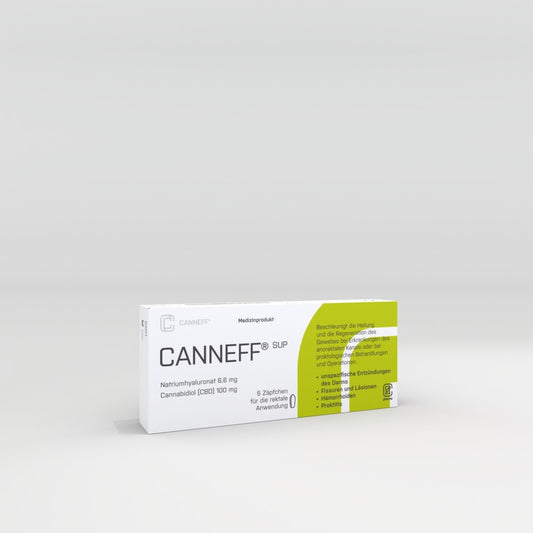
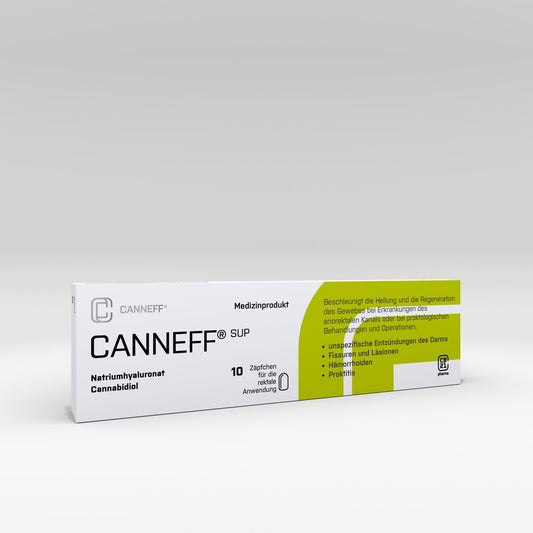
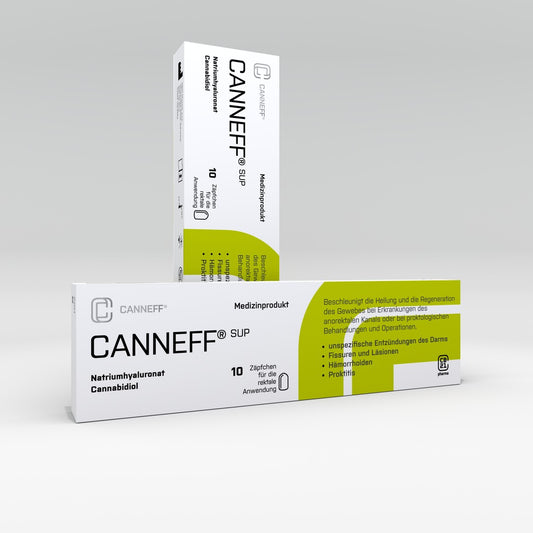
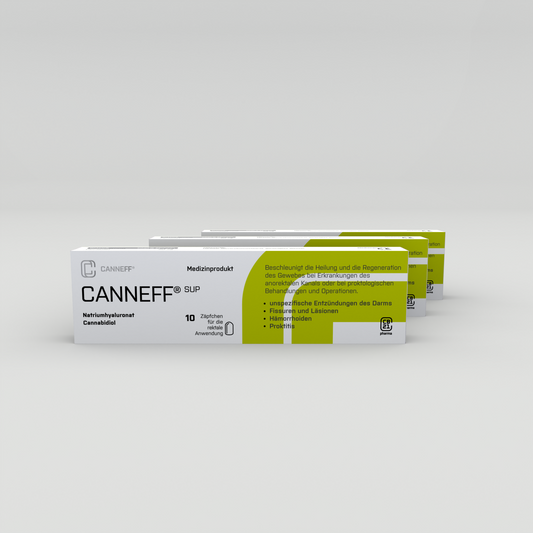
CBD & hyaluronic acid (e.g., in CANNEFF® SUP rectal suppositories): CANNEFF® SUP supports wound healing and strengthens the skin barrier. Find all details here on the use of suppositories for treating skin tags.
While creams can improve comfort and prevent inflammation, surgical removal remains the only way to permanently eliminate skin tags. Those unsure or experiencing skin tag symptoms should consider a proctological examination. Find more information here about alternative treatments for skin tags and all measures on how to prevent skin tags.
Which home remedies help against skin tags?
Home remedies for skin tags can relieve symptoms but do not remove the skin tags. They mainly help against itching from skin tags, irritation, and mild inflammation.
Proven home remedies for skin tags
Sitz baths with chamomile or oak bark: Have anti-inflammatory, soothing effects and promote blood circulation.
Witch hazel: Astringent and itch-relieving, can be applied as an ointment or soaked compress.
Aloe Vera: Moisturize, soothe irritated skin, and support regeneration.
Coconut oil or St. John's wort oil: Have a nourishing and anti-inflammatory effect.
Zinc ointment: Dry weeping areas and protect the skin.
Psyllium husks or flaxseeds: Support a soft stool consistency and prevent mechanical irritation.
Find further information here on herbal treatment for Marisken. Home remedies can relieve symptoms but cannot remove Marisken. If Marisken symptoms persist, a medical examination is advisable. CANNEFF® SUP rectal suppositories with CBD and hyaluronic acid additionally support skin regeneration and relieve irritation.
Is laser treatment of Marisken possible at home?
No, laser treatment of Marisken at home is not possible and not safe. Removal of Marisken requires medical expertise, sterile conditions, and appropriate equipment that is only used in medical practices or clinics. Reasons why laser treatment at home is not recommended:
Risk of infection: Improper application can lead to wound infections or inflammation.
Lack of precision: Without professional equipment, there is a risk of tissue damage or incomplete removal.
Pain & wound healing: Laser treatment can be painful and requires proper aftercare.
Risk of scarring & complications: Improper treatment can lead to scarring or anal canal narrowing.
Anyone wishing for a gentle removal of Marisken should consult a proctologist or dermatologist. Alternatively, herbal care products like CANNEFF® SUP rectal suppositories can help relieve symptoms and care for the skin.
Does it take a long time for Marisken to disappear on their own?
Marisken usually do not disappear on their own, as they are excess skin that remains after stretching or irritation in the anal area. Unlike swelling with Marisken or inflammation, the skin tissue does not go back automatically.
How long can it take?
Small, inconspicuous marisks can regress somewhat over time if the skin is elastic enough. However, this can take weeks to months.
Larger Marisks usually persist permanently, especially if the connective tissue is weakened or there are repeated irritations.
What can help?
- Nourishing creams & ointments (e.g., with witch hazel or zinc) can keep the skin more elastic and reduce irritation.
- CANNEFF® SUP rectal suppositories with CBD and hyaluronic acid can keep the skin supple and soothe the tissue.
- Gentle anal hygiene & fiber-rich diet help avoid further strain.
If the marisks cause discomfort or are perceived as bothersome, medical advice is recommended. Read more here about the symptoms of marisks.
What happens if you cut marisks?
Cutting marisks yourself is extremely risky and can lead to severe complications. Since this is sensitive tissue in the anal area, improper self-removal can have serious consequences.
Possible risks when cutting marisks:
Severe bleeding: Although marisks are not highly vascularized, deeper blood vessels can be damaged, leading to persistent bleeding.
Infections: The anal region is heavily colonized with bacteria, so open wounds can quickly become infected. This can lead to painful anal abscesses or even anal fistulas.
Pain & wound healing disorders: Since the skin in the anal area is constantly stressed, the wound may heal poorly and cause persistent discomfort.
Scarring & recurring marisks: Improper cuts can leave scars or create new skin folds that may be even more bothersome.
Possible anal canal narrowing: If the tissue is cut incorrectly, it can lead to narrowing of the anal canal, causing problems during bowel movements.
Safe alternatives to self-removal
No self-attempts with scissors or scalpels! Instead, the following options are advisable:
Medical removal: A specialist can treat marisks with Scalpel, Laser, or High-Frequency Surgery Remove safely under sterile conditions.
Care measures: CANNEFF® SUP rectal suppositories with CBD & hyaluronic acid help keep the skin supple and relieve irritation.
Gentle hygiene & sitz baths: Regular care with chamomile or oak bark can reduce symptoms.
If the skin tags are bothersome or cause skin tag symptoms, a proctologist should always be consulted. Self-cutting is dangerous and can cause more harm than good!
When should skin tags rather be removed by a doctor?
Skin tags are usually harmless but may require medical removal in certain cases. A doctor's visit is advisable if skin tags:
Are often inflamed: Recurring irritation, redness, or swelling with skin tags indicate chronic inflammation.
Cause itching or pain: Especially if skin tag symptoms persist despite care measures. Also read more about itching with skin tags.
Bleeding occurs: If skin tags bleed regularly or are confused with other conditions (e.g., hemorrhoids, anal fissures). Read more here about bleeding with skin tags.
Make anal hygiene difficult: Larger skin tags can make cleaning difficult and lead to skin irritation or infections.
Are cosmetically or psychologically disturbing: When skin folds affect well-being or self-confidence.
That have developed after an anal thrombosis: Larger, hard marisken can form after the resolution of a blood clot, a so-called anal vein thrombosis. There is also an increased risk of developing sentinel folds with recurrent anal thromboses.
Change or look unusual: If marisken suddenly grow, harden, or hurt, medical evaluation should be sought.
Read more here about the treatment of marisken, or details about the mariske surgery.
Which methods are available?
Surgical removal: By scalpel, laser, or high-frequency surgery under local anesthesia. Find all information about the mariske operation here.
Minimally invasive procedures: Depending on the size, a gentle method can be chosen.
Aftercare: CANNEFF® SUP rectal suppositories with CBD & hyaluronic acid support healing and reduce inflammation.
Laser therapy
Gentle method: The laser precisely removes excess skin tissue while sealing small blood vessels, minimizing bleeding.
Short healing time: The wound is usually smaller and heals faster than after a traditional surgery.
Little pain: The targeted energy application protects the surrounding tissue.
High-frequency surgery (radiofrequency ablation)
-
Tissue removal by high-frequency current, which simultaneously seals blood vessels.
-
Less scarring than with scalpel methods.
-
Little pain and quick recovery.
Cryotherapy (cold treatment)
-
Marisken are frozen with liquid nitrogen, causing them to shrink and fall off on their own after some time.
-
Especially suitable for small marisken.
-
Can be performed in specialized practices.
Electrosurgery (cauterization)
-
The mariske is removed with an electric instrument.
-
Heat seals small vessels, minimizing bleeding.
-
Performed under local anesthesia.