

When should you see a doctor for hemorrhoids?
Hemorrhoids are a common but often taboo problem. It is important to know when a doctor’s visit is necessary to effectively treat hemorrhoid symptoms and avoid possible complications. The decision to see a doctor depends on the severity and type of symptoms.
|
Symptom |
When a doctor visit is recommended |
Explanation |
|
Bleeding during bowel movements |
In case of chronic or severe blood loss. Read more here about blood in stool. |
Could indicate advanced hemorrhoids or other conditions such as anal fissures or polyps. |
|
Pain in the anal area |
With persistent or increasing pain, especially when sitting or during bowel movements |
Pain could be caused by an anal vein thrombosis or inflammation. |
|
Itching or oozing |
If symptoms cannot be relieved by hygiene or care products like CANNEFF® SUP |
May indicate skin irritation, anal eczema, or infection. |
|
Foreign body sensation |
If the feeling of "pressure" or "swelling" in the anal area persists |
May be caused by prolapsed hemorrhoids that require medical treatment. |
|
Visible hemorrhoidal lumps |
Visible or palpable lumps outside the anus |
Possibly grade III or IV, requiring medical or surgical intervention. |
|
Changes in bowel habits |
Sudden constipation, diarrhea, or mucus discharge |
Could indicate hemorrhoids, but also other intestinal diseases. |
Role of CANNEFF® SUP in rectal complaints
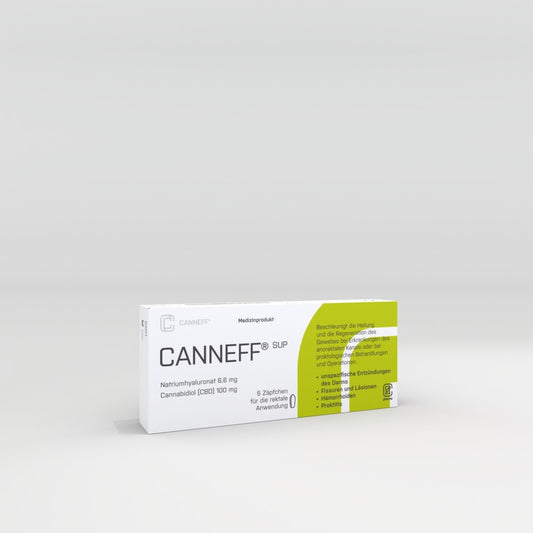
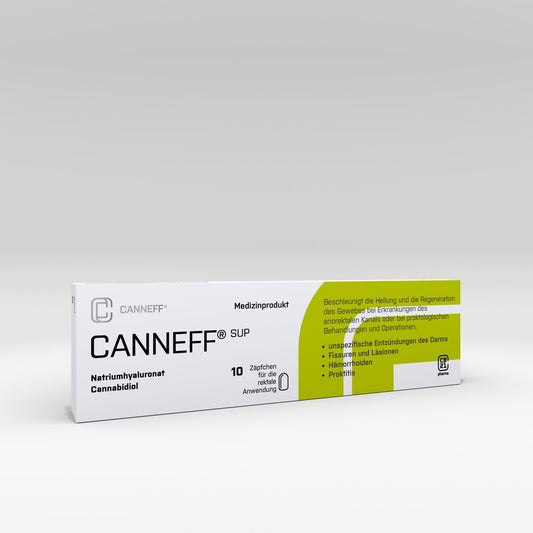
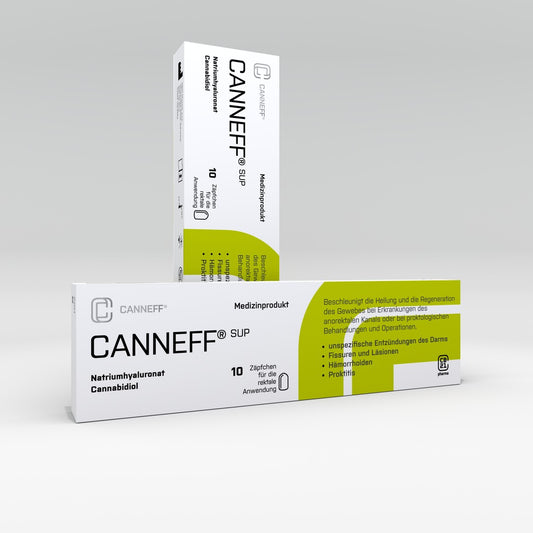
For mild to moderate symptoms, products like CANNEFF® SUP suppositories can provide initial relief. Through the combination of cannabidiol (CBD) and hyaluronic acid, they have anti-inflammatory effects, soothe the mucous membrane, and promote regeneration. However, if symptoms do not improve despite use, a doctor's visit is advisable. CANNEFF® SUP suppositories are used for proctological diseases, prostatitis, nonspecific inflammation of the rectum, symptoms of non-bacterial prostatitis, for the rapid healing of anal fissures, anal vein thrombosis, after surgical procedures, and to relieve mucous membrane complaints at the anus, e.g., anal itching. A good and accurate diagnosis is important despite the broad range of uses of CANNEFF® SUP suppositories to optimize therapy success.

Which doctors specialize in the treatment of hemorrhoids?
The treatment of hemorrhoids requires expertise, as it is a sensitive topic that can be linked to various health issues in the anal and intestinal area. Depending on the severity of the symptoms and possible accompanying diseases, there are different medical specialties involved in the diagnosis and therapy of hemorrhoids.
|
Specialty |
Role in the treatment of hemorrhoids |
|
Proctologists |
Specialists in rectal diseases; diagnose and treat hemorrhoids as well as other anal conditions. |
|
Gastroenterologists |
Experts in gastrointestinal diseases help with complaints related to the digestive tract. |
|
General practitioners |
First point of contact for a referral to specialists or for treatment of mild symptoms. |
|
Dermatologists |
Treatment of hemorrhoid-related skin irritations, eczema, or itching in the anal area. |
|
Surgeons |
Perform surgical procedures, e.g., hemorrhoidectomies in advanced stages (Grade III hemorrhoids and Grade IV hemorrhoids). |
When to see which doctor?
Mild symptoms: A general practitioner can recommend initial measures such as dietary changes, ointments, or suppositories like CANNEFF® SUP, which have anti-inflammatory effects and protect the mucous membrane.
Advanced symptoms: In case of bleeding, severe pain, or prolapsed hemorrhoids, a proctologist should be consulted. Proctologists also perform minimally invasive procedures such as rubber band ligation.
Accompanying gastrointestinal problems: If there is suspicion of chronic inflammatory bowel disease, constipation, or irritable bowel syndrome, a gastroenterologist is the right choice.
Skin changes: If eczema, itching, or skin irritation predominates, a dermatologist can provide supportive help.
Surgical necessity: In complicated or severe cases (e.g., Grade IV hemorrhoids), a surgeon is the right contact.
How to prepare for a doctor's visit for hemorrhoids?
Preparing for a doctor's visit due to hemorrhoids also includes hygiene to facilitate the examination and to feel more comfortable.
Hygiene of the anal area
Clean the anal area gently with lukewarm water. Avoid harsh soaps or scented wet wipes to prevent irritation. Dry the skin by gently patting without rubbing.
Document symptoms
Note when the symptoms began, their intensity, and possible triggers (e.g., constipation, diarrhea, prolonged sitting).
Questions and medical history
Prepare questions about diagnosis and treatment. Inform the doctor about your diet and hygiene routines as well as products used, e.g., CANNEFF® SUP rectal suppositories.
Clothing
Wear comfortable clothing that can be easily removed for the examination. These measures ensure a comfortable examination situation and support an accurate diagnosis.
What examinations does the doctor perform for hemorrhoids?
For hemorrhoids, the doctor performs various examinations to make an accurate diagnosis and determine the severity.
|
Examination method |
Description |
Purpose |
|
Medical history |
The doctor asks about symptoms, duration, possible triggers, and personal or family medical history. |
Initial assessment of symptoms and possible risk factors. |
|
Physical examination |
Visual inspection of the anal area to identify external changes such as swelling or skin irritation. |
Detection of external hemorrhoids or other anal diseases. |
|
Digital examination (palpation) |
Palpation of the anal canal with a finger to locate lumps, hardening, or pain. |
Assessment of internal hemorrhoids and other anomalies. |
|
Proctoscopy |
Insertion of a short tube (proctoscope) into the anal canal to examine the mucosa. |
Direct view of internal hemorrhoids, polyps, or other changes. |
|
Rectoscopy |
Examination of the rectum with a longer instrument (rectoscope). |
Diagnosis of diseases located higher up in the rectum. |
|
Colonoscopy (if needed) |
Examination of the entire colon with a flexible endoscope. |
Exclusion of serious bowel diseases such as tumors or IBD. |
Additional diagnostics
Blood test: To detect signs of inflammation or anemia in frequent bleeding.
Stool analysis: To rule out infections or other causes of rectal bleeding.
Which symptoms justify an immediate visit to the doctor?
In rare cases, hemorrhoids can lead to acute complications. Immediate medical attention is necessary if:
- Severe bleeding occurs that does not stop.
- Severe swelling or pain develops within a short time (possibly anal vein thrombosis).
- Fever or chills occur in combination with anal discomfort, as this could indicate an infection.
What treatment options can a doctor offer for hemorrhoids?
|
Treatment method |
Description |
|
Conservative therapy |
Use of ointments, suppositories, or sitz baths to relieve symptoms in early stages (Grade I hemorrhoid treatment and Grade II hemorrhoid treatment). |
|
Minimally invasive procedures |
Methods such as rubber band ligation or sclerotherapy to shrink hemorrhoids. |
|
Surgical interventions |
Hemorrhoidectomy or stapler method for advanced cases (Grade III and IV). Read more here about hemorrhoid surgery. |
|
Accompanying measures |
Dietary changes, fluid intake, and care products like CANNEFF® SUP rectal suppositories for support. |
More information on treatment: Visit our blog post about hemorrhoid treatment for detailed insights into various therapy options. Read more here about the stages of hemorrhoids or about bleeding hemorrhoids.
When is surgical intervention necessary for hemorrhoids?
|
Criterion |
Description |
Reference |
|
Grade III Hemorrhoids |
Hemorrhoids that permanently prolapse but can still be manually pushed back. |
|
|
Grade IV hemorrhoids |
Hemorrhoids that can no longer be pushed back and cause severe symptoms. |
|
|
Complications |
Bleeding, inflammation, or tissue changes that do not respond to conservative treatments. |
|
|
Chronic symptoms |
Persistent pain, oozing, or itching that significantly impair quality of life. |
|
|
Failure of minimally invasive therapies |
When methods like rubber band ligation or sclerotherapy do not provide sufficient relief. |
Surgical procedures are usually only recommended when other treatment options have been exhausted. Detailed information about treatment options can be found in our blog posts on Grade III hemorrhoids and Grade IV hemorrhoid treatment. Read more here about hemorrhoid surgery or the different stages of hemorrhoids.

What questions should you ask the doctor during an appointment?
At an appointment for hemorrhoid treatment, you should ask targeted questions to better understand your symptoms and find the right therapy. The most important questions include:
Diagnosis: “What could be the causes of my symptoms, and is it definitely hemorrhoids?”
Treatment options: “What treatment options are available for my case, and what are their advantages and disadvantages?”
Lifestyle changes: “What measures can I take to relieve my symptoms or prevent hemorrhoids?”
Course and prognosis: “How long does healing take, and what happens if the symptoms persist?”
Therapy success: “When should the symptoms subside after treatment, and what should be done if they do not?”
Good preparation for the appointment, including a list of your symptoms and previous measures, helps to make the doctor visit effective.
How to find a suitable specialist for hemorrhoids?
The best way to find a suitable specialist for hemorrhoids is through targeted research and recommendations. Proctologists are the first choice as they specialize in diseases of the rectum. Alternatively, gastroenterologists or surgeons with a proctological focus can also help.
Recommendations: Ask your general practitioner or acquaintances for recommendations.
Online platforms: Use specialized doctor review portals or appointment platforms.
Location and accessibility: Choose a practice or clinic near you to facilitate continuous treatment.
It is important that the specialist has experience in dealing with hemorrhoids and offers empathetic care.
What costs does the health insurance cover for the treatment of hemorrhoids in Austria?
In Austria, the costs for the treatment of hemorrhoids are generally covered by statutory health insurance, provided the treatment is medically necessary.
|
Service |
Cost coverage by health insurance |
|
Diagnostics (examination) |
The costs for medical examinations, such as anamnesis, proctoscopy, or rectoscopy, are covered. |
|
Conservative therapy |
Ointments, suppositories, or other prescription medications are subsidized if medically indicated. |
|
Minimally invasive procedures |
Measures like rubber band ligations or sclerotherapy are usually fully covered by the health insurance. |
|
Surgical treatments |
Procedures such as hemorrhoidectomy or the HAL method are covered in public hospitals. |
|
Follow-up and check-ups |
Medical follow-up appointments are usually free of charge. |
Additional costs and exceptions
Private doctors: Visits to elective doctors or specialists in private clinics usually have to be paid for yourself but can sometimes be reimbursed.
Supplementary insurance: These can cover additional services such as treatments by private providers or faster appointments.
Medications: Non-prescription products, such as certain ointments or suppositories, e.g., CANNEFF® SUP rectal suppositories, usually must be paid for by the patient.
Which alternative treatment methods do doctors recommend for hemorrhoids?
In addition to conventional approaches such as ointments, suppositories, and surgical procedures, alternative treatment methods can also be helpful in relieving hemorrhoids. Doctors often recommend these approaches as complementary measures to reduce symptoms and support the healing process.
|
Treatment method |
Description |
Area of application |
|
Sitz baths with natural additives |
Sitz baths with chamomile, oak bark, or witch hazel have anti-inflammatory and soothing effects. |
To relieve itching, swelling, and inflammation. |
|
Acupuncture |
Traditional method to promote blood circulation and relieve pain. |
For chronic complaints or to support conventional therapies. |
|
Herbal preparations |
Products with horse chestnut extract, witch hazel, or aloe vera strengthen vessels and soothe the skin. |
To reduce swelling and care for the sensitive anal area. |
|
Contain CBD and hyaluronic acid, promote regeneration, and have anti-inflammatory effects. |
Speeds up healing and tissue regeneration in anorectal canal diseases or during proctological treatments and surgeries. To relieve pain, itching, and discomfort caused by hemorrhoids. |
|
|
Dietary measures |
Use of psyllium husks or flaxseeds to promote regular digestion. |
To prevent constipation and the associated pressure on the hemorrhoids. Read more here about hemorrhoid prevention. |
|
Biofeedback therapy |
Technique for conscious relaxation of the pelvic floor. |
To avoid pressure in the anal canal, especially with chronic constipation. |