

What is meant by anal itching after a bowel movement?
Anal itching after a bowel movement refers to an intense, unpleasant itch that occurs directly after emptying the bowels in the anal region. Both the sensitive skin around the anus, known as the perianal skin, and the mucous membrane of the anal canal can be affected. This symptom is not uncommon and can cause significant distress for those affected. The itching can be worsened by rubbing or scratching, which often leads to further skin irritation or injuries.
The cause of the itching is usually irritation of the sensitive skin triggered by mechanical, chemical, or moist influences. Stool residues that remain on the skin despite cleaning can be irritating. Excessive or incorrect hygiene measures, such as using harsh soaps or scented wet wipes, damage the skin's natural protective barrier and promote itching. After a bowel movement, a moist environment often forms in the anal area, which intensifies the irritation and favors skin irritations.
Common causes of anal itching after bowel movements include conditions such as hemorrhoids, anal fissures, or anal eczema, as well as usually harmless skin tags. For example, hemorrhoids can secrete mucus or make complete cleaning difficult, which causes itching. An anal fissure may also cause a sharp pain, while anal eczema is accompanied by redness and scaling of the skin around the anus.
The itching occurs specifically after bowel movements because the sensitive skin is irritated by contact with stool. Stool contains digestive enzymes, acids, and bacteria that stress the skin and promote irritation. Inadequate cleaning, moisture, and increased sweating in the area also contribute to the discomfort.
Although anal itching after bowel movements is often harmless and can be relieved with improved hygiene measures, a doctor should be consulted if symptoms persist or are severe. Often there is no serious underlying condition, but a thorough examination helps identify the cause and allows targeted treatment.
Why does anal itching mainly occur after bowel movements?
Anal itching mainly occurs after bowel movements because the sensitive skin and mucous membranes in the anal area are particularly vulnerable to mechanical, chemical, and moisture-related irritants. During and immediately after defecation, several factors can trigger or worsen the itching.
Chemical irritants in stool
Stool contains digestive enzymes, bile, acids, and bacteria that can cause irritation upon skin contact. These substances attack the skin’s protective layer and promote itching. Especially with diarrhea or frequent bowel movements, the aggressive substances remain in contact with the skin longer.
Incomplete cleaning
Stool residues can remain on the skin despite cleaning and irritate the sensitive anal area. This is common with hemorrhoids, which make cleaning difficult, or with improper hygiene.
Moisture
Bowel movements often create a moist environment in the anal area, whether from sweating, mucus secretions, or the natural moisture of the intestines. This moisture can soften the skin, weaken its protective function, and become an ideal breeding ground for bacteria or fungi, which intensifies itching.
Mechanical stress
The act of defecation itself can cause microscopic tears or increased friction due to straining and stretching of the anal canal. These mechanical stresses make the skin more prone to itching.
Irritation from hygiene products
Moist toilet wipes, harsh soaps, or perfumed cleaning products used after bowel movements can further irritate the skin and trigger allergic reactions or eczema.
Diseases as amplifiers
Hemorrhoids, anal fissures, or anal eczema lead to a disrupted skin barrier and promote irritation from stool or moisture. Such conditions make the anal region particularly prone to itching.
Why especially after bowel movements?
After bowel movements, the skin around the anus is exposed to direct contact with irritating substances. At the same time, the cleaning process, especially with excessive wiping, mechanically stresses the sensitive skin. This combination of chemical and mechanical irritants along with moisture is the main reason why anal itching often occurs immediately after using the toilet.
The phenomenon is usually harmless, but persistent or severe itching can indicate underlying problems that should be medically examined.
What bodily processes trigger anal itching?
Anal itching is triggered by a variety of bodily processes affecting the sensitive skin and mucous membrane in the anal region. These processes lead to irritation, inflammation, or hypersensitivity, which intensify the itching. The main mechanisms are described below:
Chemical irritation of the skin
Stool contains irritating substances such as digestive enzymes (e.g., trypsin, lipases), bile salts, and bacteria. When these come into contact with the sensitive skin or mucous membrane of the anus, they can attack the skin's natural protective barrier and cause itching. This is especially pronounced with soft or liquid stool (e.g., diarrhea).
Moisture and skin maceration
Moisture from sweating, stool residues, or mucus secretions promotes the softening of the skin (maceration). Softened skin is more susceptible to mechanical stress, friction, and the penetration of bacteria or fungi, which can intensify itching.
Mechanical irritation
Mechanical contact during bowel movements or excessive wiping with toilet paper can cause microscopic injuries or irritation to the skin. These increase the skin's sensitivity and can trigger inflammatory reactions.
Inflammatory processes
Chronic or acute inflammations in the anal region, such as those occurring with haemorrhoids, anal fissures, or anal eczema, release inflammation-promoting substances (e.g., histamine). These substances irritate the nerve endings in the skin, which intensifies the itching.
Altered blood circulation
Impaired blood circulation in the anal region, for example due to haemorrhoids or venous congestion, can make the skin more sensitive. Poor circulation also impairs skin regeneration and promotes chronic complaints.
Infections
Infections caused by bacteria, fungi, or parasites can trigger or worsen itching. For example, fungal infections like Candida or worm infestations (e.g., pinworms) cause characteristic irritations in the anal region due to the skin’s inflammatory response.
Nerve irritation
The sensitive perianal skin is rich in nerve endings. In chronic itching, these nerves can become hypersensitive, creating a vicious cycle of itching and scratching. Repeated scratching can also further damage the skin barrier and permanently irritate the nerves.
Psychogenic factors
Psychological stress or anxiety can intensify the perception of itching. Stress hormones like cortisol affect the skin’s barrier function and enhance inflammatory processes, which further worsen the itching.
Reactions to allergenic substances
Allergic reactions to care products, toilet paper, or detergents can sensitize the skin. Such contact allergies often lead to redness, swelling, and increased itching.
Anal itching arises from a complex interaction of chemical, mechanical, and inflammatory processes. These processes attack the skin, increase its sensitivity, and promote itching. A better understanding of these mechanisms is crucial to initiate targeted treatments and sustainably relieve symptoms.
How are diet and anal itching after bowel movements related?
Diet significantly influences anal itching after bowel movements, as certain foods can irritate the stool and the sensitive anal area. Spicy foods, citrus fruits, coffee, alcohol, and heavily seasoned foods often contain substances that attack the mucous membranes. A low-fiber diet leads to hard stool, which causes mechanical irritation and small skin tears. Conversely, a high-fiber diet can soften the stool and reduce itching. Additionally, adequate fluid intake promotes healthy digestion, which reduces pressure on the anal region and prevents irritation.
Which skin diseases can cause anal itching?
Various skin diseases can trigger anal itching by irritating or inflaming the sensitive skin in the anal region. The most common include:
Eczema (contact or atopic eczema)
Irritative or allergic reactions caused by personal care products, fragrances, or moist toilet paper lead to redness, scaling, and itching. Read more about anal eczema here.
Psoriasis
This chronic inflammatory skin disease can also affect the perianal region, leading to scaling, redness, and severe itching.
Lichen sclerosus
An inflammatory, scarring skin disease that often affects the genital and anal region, causing itching, skin thickening, and sometimes pain.
Fungal infections (e.g., Candida)
Moisture and warmth in the anal region promote the growth of yeast fungi, causing redness, itching, and burning.
Hidradenitis suppurativa
Inflammation of the sweat glands in the anal area can lead to anal abscesses, scarring, and itching.
Perianal streptococcal dermatitis
Especially in children, this bacterial infection leads to redness, itching, and pain.
Dermatophytoses (Tinea)
Fungal infections caused by dermatophytes such as Trichophyton rubrum cause itching and scaly skin changes.
Allergic dermatitis
Reactions to chemicals, such as those in detergents or personal care products, can cause itching and rash.
These skin conditions require specific diagnosis and treatment to relieve itching and address the underlying cause.
What role does hygiene play in anal itching after bowel movements?
Hygiene plays a central role in the development and relief of anal itching after bowel movements. Improper cleaning of the anal region can cause problems both through insufficient and excessive hygiene:
Poor hygiene
Stool residues: Insufficient cleaning can leave irritating substances such as digestive enzymes and bacteria on the skin, triggering itching and inflammation.
Moisture: Unremoved residues can retain moisture and create an ideal environment for fungal or bacterial infections.
Excessive hygiene
Mechanical irritation: Excessive wiping with toilet paper or the use of wet toilet paper can irritate the sensitive skin and cause small cracks.
Chemical exposure: The use of soaps, perfumed cleaning products, or wet wipes containing alcohol and fragrances can damage the skin’s protective barrier, causing dryness and allergies.
Optimal hygiene measures
Gentle cleaning: After bowel movements, the area should be cleaned with lukewarm water and then gently patted dry. Soaps or aggressive cleaning agents should be avoided.
Avoid moisture: The skin should be kept completely dry after cleaning to prevent maceration (softening of the skin).
Natural materials: Cotton underwear can help the skin breathe and reduce moisture.
Balanced hygiene is crucial to avoid irritation and itching. Excessive cleaning and aggressive products are just as problematic as insufficient cleanliness.
How can infections contribute to anal itching?
Infections can contribute to anal itching through various mechanisms, as they irritate the sensitive skin and mucous membranes in the anal area and cause inflammation. Microorganisms such as bacteria, fungi, viruses, and parasites are often involved. Here are the main infections that can trigger anal itching:
Fungal infections (e.g., Candida)
Fungi thrive especially well in the moist and warm environment of the anal region. An infection with Candida albicans leads to redness, scaling, and intense itching.
Cause: Sweating, limited hygiene, or a weakened immune system, e.g., with diabetes or after antibiotic treatment.
Bacterial infections
Perianal streptococcal dermatitis: An infection caused by streptococci leads to intense redness, swelling, and itching, especially in children.
Skin inflammations: Bacteria can enter scratched or irritated skin and worsen symptoms.
Parasitic infestation
Pinworms (Enterobius vermicularis): These parasites lay their eggs in the skin folds around the anus, causing intense itching especially at night. Common in children but also in close contacts.
Viral infections
Genital warts (HPV): Human papillomaviruses can cause small warts in the anal region, triggering itching and discomfort.
Herpes simplex viruses: Herpes virus infections in the anal region often cause pain, itching, and blisters.
Secondary infections
Chronic scratching or moist skin due to sweating creates entry points for pathogens. This often leads to worsening itching through additional inflammation.
Infections attack the natural skin barrier and promote irritation, inflammation, and itching. Early diagnosis and targeted treatment, such as antifungals, antibiotics, or antiparasitics, are crucial to relieve symptoms and prevent complications.
Which warning signs indicate serious causes of anal itching?
Warning signs that may indicate serious causes of anal itching include:
Bleeding: Bright red or dark blood in the stool or on underwear.
Purulent discharge: Discharge indicating infections or fistulas.
Severe pain: Especially during or after bowel movements, often with fissures or anal abscesses.
Hardening or lumps: Palpable changes may indicate hemorrhoids or tumors.
Chronic itching: Itching lasting for weeks or intense itching without an identifiable cause.
Accompanying symptoms: Fever, unintended weight loss, or fecal incontinence.
Which self-help measures effectively relieve anal itching?
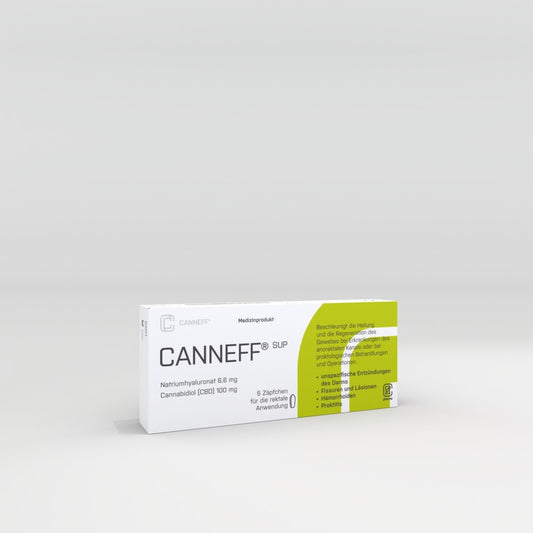
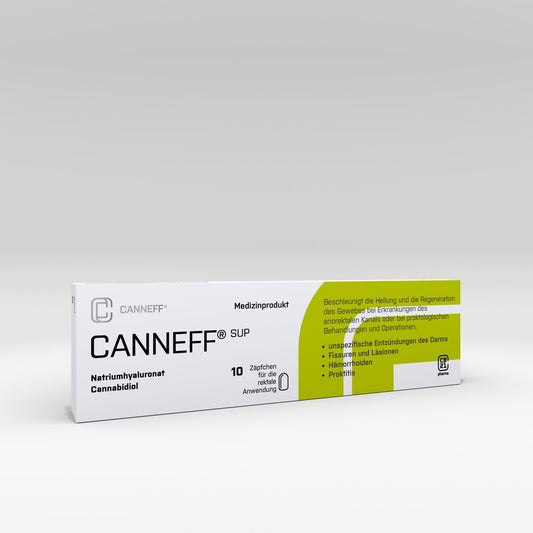
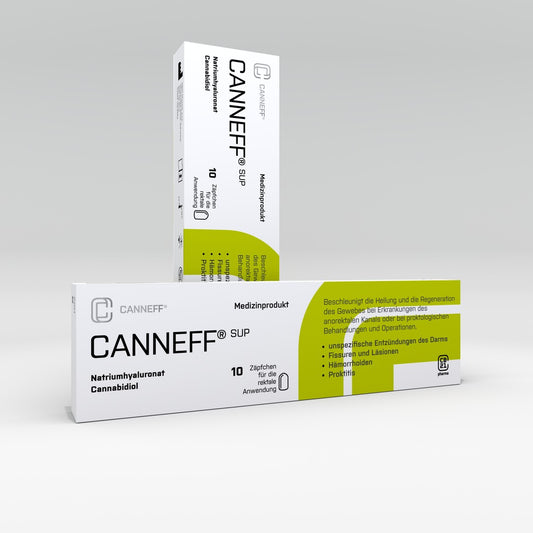
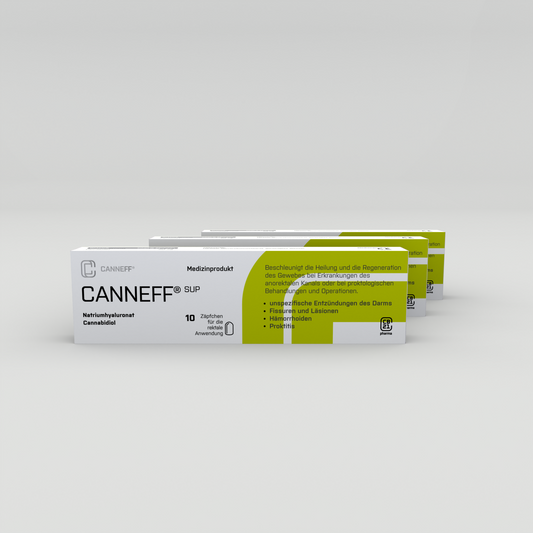
Self-help measures to relieve anal itching can help reduce symptoms and protect the sensitive skin in the anal area. Through a combination of gentle care, adjusted diet, and supportive products like CANNEFF SUP Suppositories can effectively relieve symptoms of anal itching, as they are specially designed for the care and regeneration of the sensitive anal area. It is important to soothe the skin, avoid irritants, and create a healthy environment for healing. Read more here about the treatment of anal itching with suppositories.
Effective Self-Help Measures for Anal Itching After Bowel Movements
Gentle Cleaning
After bowel movements, use lukewarm water and a soft cloth to gently clean the anal area. Avoid harsh soaps or scented wet wipes, as these can irritate the skin.
Ensure Dry Skin
Pat the skin dry gently after cleaning instead of rubbing. Make sure to keep the anal area dry to avoid moisture and maceration.
Use of CANNEFF SUP Suppositories
CANNEFF SUP Suppositories offer an innovative solution to relieve irritation and itching in the anal area. The suppositories contain cannabidiol (CBD), which has anti-inflammatory and soothing effects, as well as moisturizing ingredients to help regenerate the skin. They promote healing of irritated skin and protect against further irritation. Read more here about the treatment of anal itching with suppositories.
Loose, Breathable Clothing
Wear cotton underwear to allow the skin to breathe and reduce moisture. Change underwear regularly if sweating or moisture occurs.
Sitz Baths
Warm sitz baths with soothing additives like chamomile or oak bark can calm the skin and reduce inflammation. After the bath, dry the skin thoroughly but gently.
Avoidance of Irritants
Avoid sharp, acidic, or heavily spiced foods that can increase itching. Reduce alcohol and caffeine, as they can affect blood circulation and skin sensitivity.
Stool Regulation
A fiber-rich diet and adequate fluid intake help keep stool soft and prevent mechanical irritation during bowel movements. Exercise promotes digestion and prevents constipation.
Do not scratch
Resist the urge to scratch, as this further injures the skin and worsens the itching. CANNEFF SUP can help specifically relieve itching in such situations.
If symptoms persist or worsen despite self-care, a doctor visit is advisable to rule out possible serious causes.
When is a doctor visit for anal itching necessary?
A doctor visit for anal itching is necessary if symptoms go beyond usual, harmless complaints or do not improve despite self-care. The following situations require medical evaluation:
Persistent or intense itching
If itching lasts longer than a week without responding to self-care measures. In cases of severe itching that significantly affects daily life or sleep.
Accompanying symptoms
Bleeding: Bright red or dark blood in stool, on toilet paper, or underwear.
Discharge: Purulent or mucous discharge that may indicate an infection or fistula.
Pain: Severe pain during bowel movements or a persistent feeling of pressure.
Swelling or lumps: Palpable changes such as hemorrhoids, anal abscesses, or hardening.
Suspected specific causes
Worm infestation: Nighttime itching, especially in children, could be caused by pinworms.
Fungal infection: Redness, scaling, or oozing in the anal area.
Diseases: In case of suspected hemorrhoids, anal fissures, proctitis, or inflammatory bowel diseases.
Systemic signs
Fever: May indicate an infection such as an anal abscess.
Weight loss or exhaustion: Could indicate serious conditions such as anal carcinomas.
Unclear causes
If the itching remains unexplained despite proper hygiene and adjusted diet. In case of suspected allergic reactions or skin diseases such as psoriasis or lichen sclerosus.
Which diagnostic steps help clarify anal itching?
For the clarification of anal itching, doctors have various diagnostic steps available that help identify the cause of the symptoms. The first step is a detailed medical history, where questions about the symptoms, their duration and intensity, as well as hygiene routines, diet, and possible pre-existing conditions are asked. Accompanying symptoms such as bleeding, discharge, or pain are also addressed.
This is followed by a physical examination in which the anal region is carefully inspected. Doctors look for visible skin changes such as redness, scaling, swelling, or injuries. A rectal examination by palpating the anal canal helps to detect internal hemorrhoids, hardenings, or nodules.
If necessary, a proctoscopy is performed, in which the anal canal is examined more closely using a proctoscope. This allows the detection of internal hemorrhoids, fissures, polyps, or inflammations. Additionally, swabs or small skin samples can be taken to detect infections caused by bacteria, fungi, or viruses. Stool samples are especially examined if there is suspicion of parasites such as pinworms.
A blood test can provide additional clues, for example about inflammation, diabetes, or anemia, which may be the cause of the itching. Read more here about iron deficiency as a cause of anal itching. If the findings are unclear or there is suspicion of deeper problems such as inflammatory bowel diseases or tumors, a rectoscopy or colonoscopy can be performed to examine the rectum and colon. Read more here about anal itching in bowel cancer.
These diagnostic measures allow a comprehensive evaluation of anal itching so that targeted treatment of the underlying cause can be carried out. Read more here about the doctor's visit for anal itching.
What medical treatments are available for anal itching?
The medical treatment of anal itching depends on the cause of the symptoms and includes the following options:
Local treatments
Corticosteroid creams: To relieve inflammation and itching.
Antimycotics: For fungal infections, e.g. Candida albicans.
Antiparasitics: For worm infestations, such as pinworms.
Protective ointments: Zinc or petroleum jelly ointments protect the skin and promote healing.
Systemic treatments
Antibiotics: For bacterial infections or anal abscesses.
Antihistamines: For allergic reactions or severe itching.
Disease-specific therapies
-
Treatment of hemorrhoids (e.g., sclerotherapy, rubber band ligation).
-
Therapy for anal fissures with ointments or minimally invasive procedures.
-
Treatment of inflammatory bowel diseases or tumors.
General measures
Improving hygiene and using skin-friendly care products. Advice on diet and lifestyle to regulate bowel movements.
A targeted treatment tailored to the specific cause usually provides significant relief of symptoms.
What long-term strategies help prevent anal itching?
Long-term strategies to prevent anal itching include gentle hygiene (cleaning with water, no harsh products), keeping the anal area dry, a high-fiber diet, avoiding irritating foods, using fragrance-free care products, stress reduction, and regular exercise. These measures protect the skin and promote healthy digestion.