

How is anal eczema treated?
An anal eczema requires an individually tailored treatment that is adapted to the cause and severity of the symptoms. The therapy pursues two main goals: relieving the anal eczema symptoms and treating the underlying cause of the anal eczema.
Overview of Treatment Steps
Cause Elimination and Prevention: An anal eczema often results from moisture, irritation, or inflammation, for example due to hemorrhoids, anal fissures, or skin tags. Treatment therefore begins with identifying and eliminating these factors. For those affected by hemorrhoids or other anal conditions, targeted proctological therapy may be necessary. In case of an infection, such as cryptitis or proctitis, antimicrobial medications may be used.
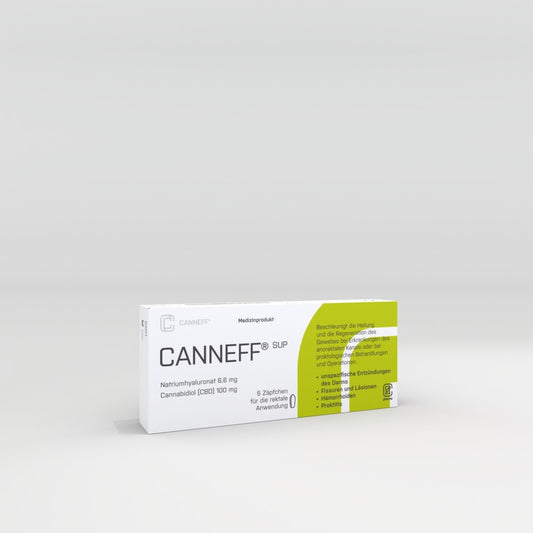
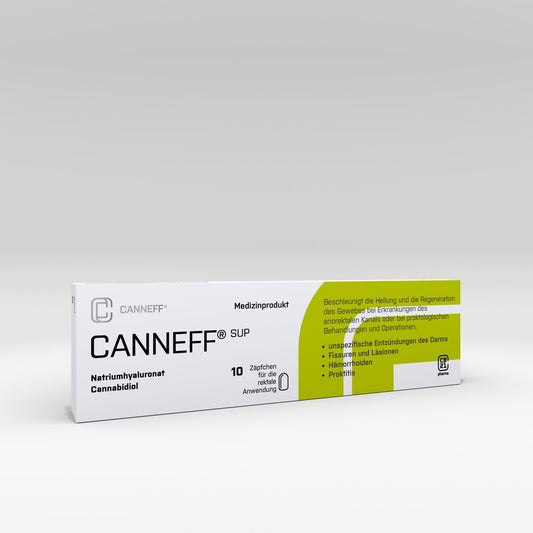
Symptomatic Treatment: For rapid relief of itching, burning, and pain, an anti-itch and anti-inflammatory ointment is often used. This usually contains low-dose corticosteroids or zinc oxide to soothe irritated skin and promote healing. Alternatively, rectal suppositories such as CANNEFF® SUP with cannabidiol (CBD) and hyaluronic acid can be used, which have anti-inflammatory effects and help regenerate the mucous membrane.
Skin Care and Hygiene: Gentle cleansing of the anal area with lukewarm water without irritating soaps is essential. Using unscented, soft toilet paper or dabbing with cotton pads minimizes further irritation. For care, a mild, moisturizing cream or petroleum jelly is suitable.
Supportive measures: Sitz baths with tannin-containing additives can support healing. They have a soothing and anti-inflammatory effect. Likewise, a fiber-rich diet with adequate fluid intake can regulate bowel movements, reducing pressure on the anal region.
Comparison of treatment methods
|
Therapy approach |
Benefit |
Examples |
|
Itch and inflammation relief |
Rapid symptom relief |
Cortisone ointments, suppositories like CANNEFF® SUP |
|
Skin care and protection |
Prevents further irritation |
Zinc ointment, hydrophilic creams |
|
Hygiene measures |
Reduces irritating factors |
Water cleansing, gentle drying |
|
Dietary changes |
Prevention of constipation and irritation |
Fiber, sufficient fluids |
Long-term care and relapse prevention: Chronic or frequently recurring eczema requires consistent care and avoidance of triggers, such as spicy foods or irritating care products.
With early treatment and appropriate care, anal eczema can heal quickly and significantly improve quality of life. Find further information here on alternative therapy approaches for anal eczema, or directly on herbal treatment of eczema in the anal area.
How to recognize anal eczema?
An anal eczema presents with typical symptoms in the anal region, which can vary depending on the cause and severity. It affects both the skin around the anus and occasionally the lower anal canal.
|
Symptom |
Feature |
|
Itching (pruritus ani) |
Distressing, often nighttime disturbing itching. |
|
Redness and swelling |
Clear redness of the anal skin, sometimes with thickening. |
|
Weeping spots |
Moist skin areas, often due to irritation or inflammation. |
|
Blister formation |
Small, sometimes fluid-filled blisters. |
|
Pain and burning |
Especially during bowel movements or when touched. |
|
Scaling or fissures |
Skin may appear dry and cracked. |
|
Skin thickening (lichenification) |
In chronic cases caused by repeated scratching. |
Which ointments help with anal eczema?
The choice of the right ointment for treating anal eczema depends on the cause and severity of the anal eczema symptoms. Ointments primarily serve to relieve itching, pain, and inflammation, as well as to regenerate damaged skin. The following categories of ointments are used:
Anti-inflammatory ointments
These ointments relieve acute inflammation and promote healing. They are especially used for severe itching or redness.
Cortisone-containing ointments: Help with acute, severely inflamed anal eczema. However, they are only used short-term to avoid side effects such as skin atrophy.
Active ingredients: hydrocortisone, prednicarbate.
CBD-based ointments or suppositories: Products like CANNEFF® SUP combines cannabidiol (CBD) with hyaluronic acid to reduce inflammation and promote regeneration. Read more here about the treatment of anal eczema with suppositories.
Skin-protecting and regenerating ointments
These ointments strengthen the skin barrier and protect the sensitive anal skin from further irritation. They are especially suitable for chronic or recurring anal eczema.
Zinc ointments: Form a protective layer on the skin, have mild anti-inflammatory effects, and promote healing. Ideal for weeping eczema.
Ointments containing hyaluronic acid: Support moisture retention and accelerate skin regeneration. The combination with CBD, as in CANNEFF® SUP, enhances this effect.
Fatty ointments: Pure fatty ointments, e.g., based on petroleum jelly, are suitable for caring for dry, irritated skin.
Antiseptic and antimicrobial ointments
If an infection involving bacteria or fungi is present, antiseptic or antifungal ointments may be necessary.
Ointments containing chlorhexidine or clioquinol: Act against bacteria and prevent infections.
Antifungal ointments: Effective against fungal infections that can worsen anal eczema. Often contain active ingredients like clotrimazole or nystatin.
Pain and itch-relieving ointments
Cooling or numbing ointments can be used for quick relief of itching and pain.
Menthol-containing ointments: Cool and relieve anal pruritus.
Local anesthetics: Short-term use for severe itching or pain (e.g., lidocaine-containing ointments).
Comparison of ointment types and other products
|
Ointment type |
Area of use |
Example active ingredients/products |
|
Anti-inflammatory |
Acute redness, itching, inflammation |
Hydrocortisone, CANNEFF® SUP rectal suppositories with CBD |
|
Skin protective |
Weeping eczema, chronic irritation |
Zinc ointment, petroleum jelly, hyaluronic acid |
|
Antiseptic/antifungal |
Bacterial or fungal infections |
Clioquinol, clotrimazole, chlorhexidine |
|
Pain and itch relief |
Severe itching, pain |
Lidocaine, menthol |
Application note
The ointment should be applied thinly after thorough, gentle cleaning of the anal area. Long-term use of cortisone-containing products should only be done in consultation with a doctor. Products like CANNEFF® SUP rectal suppositories offer a modern alternative as they avoid cortisone yet still have anti-inflammatory effects. Read more here about treating anal eczema with suppositories.
Is cortisone suitable for treating anal eczema?
Cortisone is a proven remedy for treating inflammatory skin conditions and can also be helpful for anal eczema, but only under certain conditions and with caution. It relieves inflammation, reduces itching, and promotes healing of the affected skin. However, there are important aspects to consider:
Benefits of cortisone for anal eczema
Fast relief: Cortisone-containing ointments act quickly by suppressing the skin's inflammatory response. This is especially helpful for acute and severely inflamed anal eczema.
Itch relief: Cortisone reduces the distressing itching often associated with anal eczema.
Reduces swelling: It helps soothe skin irritations and swelling in the anal area.
Areas of use
Cortisone is generally used for acute anal eczema or severely inflamed skin conditions. Examples include:
Irritant-induced inflammation Caused by mechanical stress, such as vigorous rubbing or excessive hygiene.
Allergic anal eczema (e.g., due to fragrances or cosmetics).
Limitations and risks
The use of cortisone should be limited to short periods for anal eczema. Prolonged or improper use can cause side effects, especially in the sensitive anal area:
Skin thinning (atrophy): Long-term use can thin the skin and weaken the natural protective barrier.
Rebound effect: After discontinuation, inflammation may recur or worsen.
Risk of infection: Cortisone locally suppresses the immune system, which can promote bacterial or fungal infections.
Modern alternatives to cortisone
Products like CANNEFF® SUP with cannabidiol (CBD) and hyaluronic acid offer a cortisone-free alternative. These suppositories relieve inflammation and promote skin regeneration without causing the side effects of cortisone. They are especially an option for chronic or recurring anal eczema. Read more here about the treatment of anal eczema with suppositories.
Comparison: Cortisone vs. cortisone-free alternatives
|
Property |
Cortisone-containing ointments |
Cortisone-free alternatives (e.g., CANNEFF SUP) |
|
Speed of action |
Very fast |
Fast, but gentle |
|
Long-term use |
Not suitable |
Suitable, especially for chronic eczema |
|
Side effects |
Skin thinning, risk of infection |
No known side effects |
|
Areas of application |
Acute, highly inflammatory eczema |
Chronic, recurring, or milder eczema |
Recommendation for use
Cortisone-containing ointments are effective in acute, severe cases but should only be used under medical supervision and for a short period (1–2 weeks). For long-term care or recurring eczema, non-cortisone alternatives like CBD suppositories or zinc ointments are better suited.

Which Home Remedies Can Help with Anal Eczema?
Home remedies can support the treatment of anal eczema by relieving symptoms such as itching and inflammation and promoting healing. They are especially useful for mild symptoms or as a complement to medical treatments. It is important to use home remedies carefully and hygienically to avoid further irritation of sensitive skin. Read more about treating anal eczema with home remedies here.
Effective Home Remedies for Anal Eczema
Sitz baths: Sitz baths soothe inflamed skin and help relieve itching and pain. Sitz baths with chamomile, oak bark, or black tea have antiseptic and anti-inflammatory effects. Use two to three times daily for 10–15 minutes in warm water. Afterwards, gently pat the anal area dry to avoid moisture.
Coconut Oil: Coconut oil has natural anti-inflammatory and antifungal properties. Apply thinly to the affected skin to relieve itching and protect the skin.
Olive Oil or Vaseline: These home remedies help keep the skin supple and promote the regeneration of the skin barrier. Apply thinly to irritated skin after cleansing.
Honey: Honey, especially Manuka honey, has antibacterial and anti-inflammatory properties. Apply a thin layer, leave on for 15 minutes, then rinse with lukewarm water.
Quark or Yogurt Compress: The cooling effect of quark or natural yogurt can soothe inflamed skin. Place quark or yogurt in a clean cloth, apply briefly to the affected area, then clean thoroughly.
Aloe Vera: Fresh aloe vera gel helps soothe and regenerate the skin. Applied directly from the plant or as a gel, it has a cooling and moisturizing effect.
Supportive measures
|
Measure |
Benefit |
|
Gentle cleansing with water |
Avoids irritation from soaps or wipes. |
|
Breathable clothing |
Reduces moisture and friction. |
|
High-fiber diet |
Promotes soft stools, reduces irritation. |
Precautions for Home Remedies
Home remedies for anal eczema are not suitable for severely inflamed or open areas, as they can further irritate the skin. If symptoms persist or worsen, a doctor should be consulted to rule out serious conditions such as hemorrhoids, anal fissures, or proctitis. Read more in the blog post about anal eczema doctor.
How long does it take to heal anal eczema?
The healing time of anal eczema varies depending on the cause, severity, and individual factors such as overall skin health and adherence to treatment. In most cases, symptoms can be significantly improved within a few days to weeks through targeted therapy.
Typical healing process
Acute anal eczema: With timely treatment (e.g., with anti-inflammatory ointments or rectal suppositories like CANNEFF® SUP) can often relieve itching and redness within 3–7 days. Complete skin regeneration usually takes 1–2 weeks.
Chronic or recurrent anal eczema: Chronic eczema that persists for a long time requires more intensive care and therapy. Healing can take up to 4–6 weeks, especially if underlying causes such as Hemorrhoids, Proctitis or allergic reactions also need to be treated.
Infectious anal eczema: If the eczema is complicated by bacterial or fungal infections, the healing time depends on the effectiveness of antifungal or antibiotic treatment. This usually lasts 10–14 days.
Factors influencing healing time
Treatment of the cause: Without eliminating triggering factors (e.g., hemorrhoids, excessive hygiene, or irritants), healing can be delayed.
Individual skin condition: A weakened skin barrier, as seen in neurodermatitis or frequent scratching, prolongs the regeneration time.
Consistent therapy: Regular use of care products, such as zinc-containing ointments or anti-inflammatory preparations, is crucial.
Lifestyle factors: A high-fiber diet and avoiding friction and moisture in the anal region promote healing.
Recommended measures to support healing
|
Measure |
Healing-promoting effect |
|
Gentle cleansing |
Prevents additional skin irritation. |
|
Sitz baths (e.g., with chamomile) |
Soothes inflamed skin and reduces itching. |
|
Suppositories with hyaluronic acid and CBD |
They promote regeneration and relieve inflammation. |
|
High-fiber diet |
Prevents hard stools and minimizes irritation. |
|
Breathable clothing |
Keeps the anal area dry and reduces friction. |
Long-term care
For chronic or recurring anal eczema, continuous care of the anal skin is important to strengthen the skin barrier and prevent recurrences. Preparations like CANNEFF® SUP can provide longer-term support here.
Which care products should be avoided with anal eczema?
The following care products should be avoided with anal eczema:
Fragranced and perfumed products (e.g., soaps, intimate sprays, wet wipes) – they can cause allergies and irritation.
Harsh soaps or cleansers – they disrupt the skin barrier.
Care products with preservatives or alcohol – these can dry out and irritate the skin.
Oily ointments without medical indication – they can trap moisture and worsen symptoms.
Instead, allergen-free, mild, and moisturizing products such as zinc ointments or preparations with hyaluronic acid are recommended.
How can atopic anal eczema be treated?
The treatment of atopic anal eczema (also known as neurodermatitis in the anal region) aims to relieve symptoms, strengthen the skin barrier, and control inflammatory flare-ups. Consistent care and avoiding triggers are essential.
Steps for therapy
Anti-inflammatory treatment
Cortisone-containing ointments: In acute flare-ups, low- to medium-potency corticosteroids help reduce inflammation and itching. Use should be limited to a few days.
Calcineurin inhibitors (e.g., tacrolimus, pimecrolimus): These cortisone-free preparations are specially designed for atopic eczema and can be used long-term as maintenance therapy.
Skin care and protection
Moisturizing products: Allergy-free creams or ointments with hyaluronic acid, like in CANNEFF® SUP, promote the regeneration of damaged skin and support moisture retention.
Barrier creams: Products with zinc oxide or petroleum jelly protect the skin from further irritation.
Gentle cleansing
Avoid soaps or aggressive cleansers: The anal area should only be cleaned with lukewarm water to avoid further stressing the sensitive skin.
Patting instead of rubbing: After cleansing, gently pat the skin dry to avoid mechanical irritation.
Avoidance of triggers
Diet: Certain foods such as heavily spiced or acidic dishes can trigger flare-ups and should be avoided.
Irritants: Avoid perfumed care products, wet wipes, or synthetic underwear.
Supportive measures
Sitz baths: Additives like chamomile or black tea have anti-inflammatory and soothing effects.
Antihistamines: In cases of severe itching, antihistamines can help, especially if allergic reactions are involved.
Long-term therapy
Skin care should continue even outside the acute phase to strengthen the skin barrier and prevent relapses. Products like CANNEFF® SUP, which contain CBD and hyaluronic acid, offer an effective way to sustainably support the skin without relying on cortisone. You can also find further information here on alternative therapy approaches for anal eczema, or directly on plant-based treatment of eczema in the anal area.
What is cumulative-toxic anal eczema and how is it treated?
A cumulative-toxic anal eczema develops due to continuous irritation of the anal skin by harmful substances or bodily secretions. The most common triggers include sweat, stool residues, or wound secretions that soften the skin barrier and promote inflammation.
Characteristics of a cumulative-toxic anal eczema
Causes: Frequent mechanical stress (e.g., from friction), stool smearing, sweating (hyperhidrosis), or irritants such as soaps and detergents.
Symptoms: Redness, burning, oozing, and occasionally blistering or skin thickening.
Treatment of cumulative-toxic anal eczema
Eliminate causes
Minimize moisture: Frequent sweating or stool smearing should be reduced. A fiber-rich diet and adequate fluid intake promote formed, soft stools and prevent irritation.
Avoid irritants: Aggressive soaps and detergents should be completely avoided.
Skin care and protection
Skin protection with barrier creams: Zinc-containing creams or ointments with petroleum jelly protect the skin from moisture and irritants.
Skin barrier regeneration: Products with hyaluronic acid, such as in CANNEFF® SUP, promote healing and strengthen the skin.
Anti-inflammatory treatment
In acute inflammation, short-term use of low-potency corticosteroids (e.g., hydrocortisone) can relieve symptoms.
Non-cortisone alternatives: CANNEFF® SUP, containing cannabidiol (CBD) and hyaluronic acid, offers anti-inflammatory and regenerative properties without side effects like skin thinning.
Optimizing anal hygiene
Gentle cleansing: Lukewarm water without soap; gently pat the skin dry after washing.
Dry anal area: Wearing breathable cotton underwear and avoiding synthetic fabrics.
Supportive measures
Sitz baths: Additives like oak bark or chamomile have soothing and anti-inflammatory effects.
Dietary adjustment: Fiber and plenty of water help minimize mechanical irritation from hard stool.
|
Treatment approach |
Measure |
|
Elimination of causes |
Avoidance of irritants and moisture |
|
Skin care and protection |
Zinc ointment, products with hyaluronic acid (e.g., CANNEFF® SUP) |
|
Anti-inflammatory treatment |
Corticosteroids (short-term), CBD preparations |
|
Anal hygiene |
Cleaning with water, avoiding harsh products |
|
Supportive measures |
Sitz baths, breathable clothing |
How to treat contact allergic anal eczema?
Contact allergic anal eczema arises from a delayed allergic reaction (type IV reaction) to irritating substances, such as ingredients in care products or moist toilet paper. Treatment requires both symptom relief and consistent avoidance of the triggering allergens.
Steps to treat contact allergic anal eczema
Identify and avoid the allergy source: The most important measure is to avoid triggering substances. Common allergens include fragrances, preservatives, local anesthetics, or chemical additives in care products. A patch test by a dermatologist can help identify specific allergens.
Anti-inflammatory therapy: For acute symptoms, low- to medium-potency corticosteroid ointments are often used to relieve the inflammatory reaction. Application is for a short period, e.g., 1–2 weeks. Alternatives include cortisone-free preparations such as zinc ointment or CANNEFF® SUP rectal suppositories, which have anti-inflammatory effects and simultaneously regenerate the mucous membrane.
Care of the affected skin: The skin barrier should be strengthened with nourishing, allergen-free products. Recommended are hydrophilic creams or pastes that provide moisture and prevent irritation. For chronic eczema, products containing hyaluronic acid, such as those found in CANNEFF® SUP, are suitable.
Gentle anal hygiene: Clean the anal area exclusively with lukewarm water to avoid irritating cleansing products. Then gently pat dry with a soft towel or cotton pads.
Supportive measures: Sitz baths with anti-inflammatory additives such as chamomile or oak bark can soothe the skin and promote healing. A fiber-rich diet helps regulate bowel movements and avoid mechanical irritation caused by hard stools.
Can nutrition support the treatment of anal eczema?
Yes, nutrition can support the treatment of anal eczema. A diet rich in fiber (e.g., whole grain products, fruits, vegetables) ensures soft stools, which helps avoid mechanical irritation and tears in the anal area. Adequate fluid intake (2–3 liters per day) supports this effect. Spicy seasonings, acidic foods (e.g., citrus fruits), and excessive coffee consumption should be avoided as they can increase itching and irritation. Here you can also find further information on alternative therapy approaches for anal eczema, or directly on the herbal treatment of eczema in the anal area.
What diseases can be behind an anal eczema?
An anal eczema can be a symptom of various underlying diseases. Here is an overview of possible causes of anal eczema:
|
Disease |
Feature |
|
Hemorrhoids |
Moisture or mucus secretion irritates the anal skin and causes eczema. |
|
Anal fissures |
Anal fissures are tears in the anal skin and lead to irritation and inflammation. |
|
Anal thrombosis |
Pressure and friction from swollen veins in the anal area, so-called anal vein thromboses, can trigger an anal eczema. |
|
Cryptitis/Proctitis |
Inflammations in the anal region cause irritation and itching. Read more here about proctitis and cryptitis. |
|
Anal fistulas or abscesses |
Secretions or pus irritate the surrounding skin and promote eczema. Read more here about anal fistulas or anal abscesses. |
|
Neurodermatitis |
Atopic skin reactions also affect the anal region. |
|
Psoriasis |
Skin changes can show eczema-like symptoms in the anal area. |
|
Infections |
Fungal infections (e.g., Candida), bacterial infections, or herpes viruses. |
|
Chronic inflammatory bowel diseases |
Frequent bowel movements and inflammations promote eczema development. |
What to do in case of severe itching in the anal area?
In case of severe itching in the anal area, one should:
Optimize hygiene: Clean the anal area only with lukewarm water, avoid soaps.
Relieve itching: Use zinc ointments, cooling creams, or products like CANNEFF® SUP.
Avoid irritants: Avoid moist toilet paper, perfumed products, and tight clothing.
Reduce triggers: Introduce a high-fiber diet to regulate bowel movements.
If the itching persists or worsens, a doctor should be consulted to rule out underlying conditions such as hemorrhoids or anal eczema. Read more in the blog post about Anal Eczema Doctor.
Can anal eczema bleed?
Yes, anal eczema can bleed, especially if the skin is damaged by scratching or irritation. Chronic eczema can also cause cracks or fissures that lead to slight bleeding. Such bleeding is usually minor but should be medically examined to rule out serious conditions like hemorrhoids or anal fissures.
Is anal eczema contagious?
A Anal eczema is in most cases not contagious, as it often arises from irritations, allergic reactions, or chronic skin conditions like atopic dermatitis. An exception is eczema caused by infectious agents caused by fungi, bacteria (e.g., streptococci), or viruses (e.g., herpes). These can potentially be contagious, especially with direct skin contact or inadequate hygiene. In case of doubt, a doctor should determine the cause to initiate appropriate treatment. Read more in the blog post about Anal Eczema Doctor.