

What is anal burning and why does it occur after bowel movements?
Anal burning after bowel movements describes an unpleasant, burning sensation in the anal area that can occur immediately after defecation. This symptom is usually due to irritation of the sensitive skin and mucous membrane around the anus. During bowel movements, digestive products such as bile salts, acids, and digestive enzymes come into contact with the skin, which can be particularly irritating with soft or liquid stool.
Mechanical stress such as frequent straining or intense wiping with toilet paper can further irritate the skin and cause small injuries. Pre-existing issues like hemorrhoids, anal fissures, or anal eczema increase the sensitivity of the anal region. Moisture left after bowel movements can also soften the skin and intensify the burning sensation. Aggressive hygiene products like perfumed soaps or wet toilet paper can also damage the natural skin barrier and worsen the symptoms.
In most cases, anal burning is harmless and can be relieved by improved hygiene, gentle care, and dietary adjustments. However, if symptoms persist or are severe, medical evaluation is advisable to rule out serious causes.
What common causes lead to anal burning?
Anal burning can be triggered by a variety of causes, often related to local irritations, diseases, or external influences. The most common causes include:
Hemorrhoids
Enlarged blood vessels in the anal area can cause itching around the anus, burning, and bleeding, especially after bowel movements. Read more here about hemorrhoids.
Anal fissures
Small tears in the sensitive anal mucosa often result from hard stools or straining. They cause a sharp burning sensation that is especially noticeable during or after bowel movements. Read more about anal fissures here.
Irritants in stool
Bile salts, digestive enzymes, and acids can irritate the sensitive skin of the anal area, especially with diarrhea or frequent bowel movements.
Eczema or dermatitis
Skin conditions such as allergic or atopic dermatitis can cause redness, itching, and burning in the anal area. Read more here about anal eczema.
Infections
Fungal infections (e.g., Candida) or bacterial infections can irritate the skin and cause a burning sensation.
Incorrect hygiene
Excessive wiping, use of harsh soaps, or scented wet toilet paper can damage the skin barrier and lead to irritation.
Moisture and sweating
A moist environment caused by sweating or insufficient drying after bowel movements promotes skin irritation and inflammation.
Dietary causes
Spicy, acidic, or heavily seasoned foods as well as alcohol and coffee can irritate the stool and cause burning.
Chronic inflammatory bowel diseases
Diseases like Crohn's disease or ulcerative colitis often involve diarrhea, inflammation, and anal discomfort.
Skin injuries or surgeries
Previous procedures or injuries in the anal area can make the skin more sensitive and cause burning.
Anal burning is often harmless and temporary but can indicate an underlying condition if it occurs repeatedly. In such cases, medical evaluation is recommended. Read more here about the various causes of anal burning.
When does anal burning indicate a serious condition?
This table provides an overview of warning signs, possible causes, and necessary measures to detect and treat serious diseases early.
|
Warning signs |
Possible cause |
Recommended action |
|
Bleeding |
Hemorrhoids, Anal fissures, inflammatory bowel diseases, tumors |
Immediate medical evaluation required |
|
Persistent burning |
Chronic diseases such as Crohn's disease or ulcerative colitis |
Consult a gastroenterology specialist |
|
Severe pain |
Anal fissures, abscesses, infections |
See a proctologist or general practitioner |
|
Purulent discharge |
Anal fistulas, abscesses, bacterial infections |
Prompt medical diagnosis and treatment |
|
Changes in bowel habits |
Inflammatory bowel diseases, colon cancer |
Endoscopic examinations (e.g., colonoscopy) |
|
Hardening or lumps |
Hemorrhoids, tumors, abscesses |
Proctological examination |
|
General symptoms |
Infections, systemic diseases, tumors |
Blood test and comprehensive diagnostics |
|
Symptoms in children |
Worm infestation (e.g., pinworms) |
Contact pediatrician |
How are diet and anal burning related?
Diet has a significant impact on the occurrence of anal burning, as certain foods and eating habits can stress the sensitive skin and mucous membranes in the anal area. Spicy foods like chili or pepper contain capsaicin, which continues to irritate the anal region even after digestion. Acidic foods, including citrus fruits, tomato products, or vinegar, can further irritate the mucous membranes. Likewise, alcohol and coffee increase blood flow and acid production, which can worsen the burning sensation after bowel movements.
An unbalanced diet low in fiber can promote constipation. Hard stools cause mechanical irritation of the anal area, while diarrhea – often caused by fatty or hard-to-digest foods – creates a moist environment that makes the skin more susceptible to irritation. In addition, insufficient fluid intake and a low-fiber diet can strain digestion and promote anal burning.
A balanced diet with fiber-rich foods such as whole grains, fruits, and vegetables, along with adequate fluid intake, can help regulate bowel movements and relieve the anal region. Avoiding spicy or acidic foods can reduce the risk of anal burning and alleviate existing symptoms.
Which skin and bowel diseases promote anal burning?
Anal burning can be triggered or worsened by various skin and bowel diseases, as they directly affect the sensitive anal region. The most common conditions include:
Skin diseases
Anal eczema: An inflammatory skin disease often caused by moisture, friction, or allergic reactions, leading to redness, itching, and burning. Read more about anal eczema here.
Psoriasis: This chronic skin condition can also affect the anal region, causing burning through scaling, cracks, and inflammation.
Lichen sclerosus: An inflammatory and scarring skin disease that can cause pain, burning, and itching in the genital and anal areas.
Fungal infections: Yeast fungi like Candida albicans thrive in the moist anal region, causing burning, redness, and itching.
Bowel diseases
Hemorrhoids: Enlarged vascular cushions in the anal canal that can lead to mucus discharge, irritating the skin and causing burning. Also read more about hemorrhoids here.
Anal fissures: Painful tears in the anal mucosa caused by hard stool or mechanical irritation, leaving a burning sensation. Read more about anal fissures here.
Chronic inflammatory bowel diseases (IBD): Diseases like Crohn's disease and ulcerative colitis can cause mucosal inflammations and fistulas, leading to burning and irritation.
Irritable bowel syndrome (IBS): Frequent diarrhea or constipation additionally strains the sensitive skin around the anus.
Infections and inflammations
Proctitis: An inflammation of the rectum, often caused by infections or chronic diseases, leading to burning and pain. Find more information about proctitis here.
Perianal abscesses: Encapsulated pus collections caused by inflammation or infections of the anal glands that can cause severe pain and burning. Read more here about anal abscesses.
These conditions usually require a medical diagnosis and targeted treatment. Early detection and therapy of the underlying cause can often sustainably relieve anal burning. Read more here about the causes of anal burning.
What role does hygiene play in the development of anal burning?
Hygiene plays a central role in the development and relief of anal burning. Both insufficient and excessive hygiene measures can irritate the sensitive skin in the anal area and promote burning.
Poor hygiene
Fecal residues: Insufficient cleaning after bowel movements can leave irritating substances such as digestive enzymes and bacteria on the skin, causing inflammation and burning.
Moisture: Unremoved residues and sweat create a moist environment that can promote skin irritation as well as fungal or bacterial infections.
Excessive hygiene
Mechanical irritation: Rubbing hard with toilet paper or using rough materials can chafe the skin and cause small injuries that trigger a burning sensation.
Chemical exposure: The use of perfumed or alcohol-based cleansers, wet wipes, or harsh soaps attacks the natural skin barrier and makes the skin more sensitive.
Excessive washing: Cleaning the anal area too often can dry out the skin and weaken its protective function, promoting irritation and burning.
Optimal hygiene measures to prevent anal burning
Gentle cleansing: After bowel movements, clean the anal area with lukewarm water and a soft cloth. Avoid soaps and wet wipes.
Thorough drying: Gently pat the skin dry to avoid moisture and maceration.
Natural materials: Wear cotton underwear that absorbs moisture better and allows the skin to breathe.
Balanced hygiene protects the sensitive skin, prevents irritation and infections, and can effectively minimize the occurrence of anal burning.
What treatment options effectively relieve anal burning?
This table provides an overview of effective approaches to treating post-defecation burning and the respective objectives of the measures.
|
Treatment approach |
Measures |
Goal |
|
Local treatment |
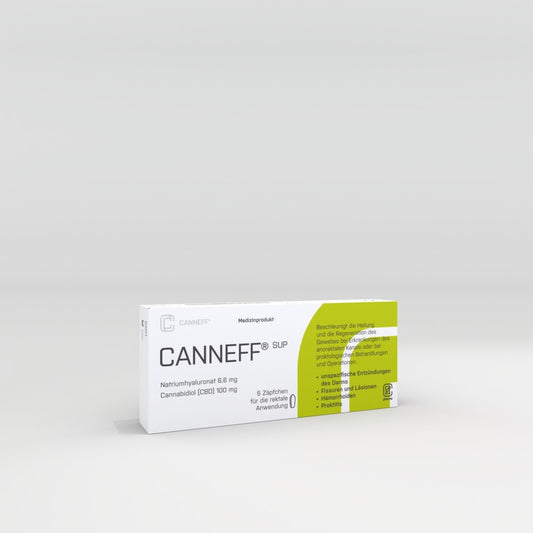
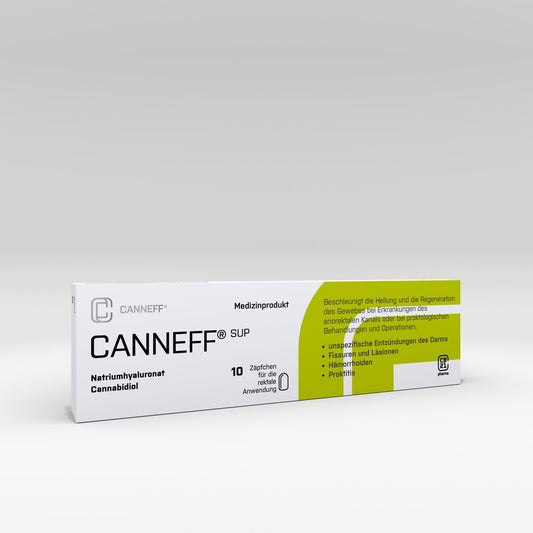
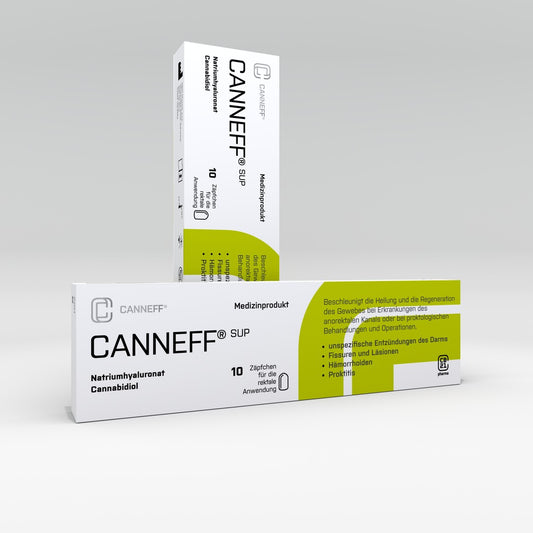
- Application of zinc, panthenol, or aloe vera creams - Use of CANNEFF SUP suppositories |
Protection of the skin, relief of irritation, promotion of healing |
|
Sitz baths |
- Add chamomile or oak bark extract |
Anti-inflammatory and soothing effect on the anal region |
|
Optimized hygiene |
- Clean with lukewarm water - Pat dry instead of rubbing - Avoid irritants |
Avoidance of additional skin irritations |
|
Diet and lifestyle |
- High-fiber diet - Drink plenty of water - Avoid irritating foods |
Regulation of bowel movements, reduction of mechanical and chemical irritations |
|
Medical treatment |
- Cortisone-containing ointments (short-term) - Treatment of hemorrhoids, anal fissures, infections |
Relief of inflammation, treatment of underlying causes |
|
Loose-fitting clothing |
- Cotton underwear - Avoidance of synthetic fabrics |
Reduction of moisture and friction |
|
Avoid scratching |
- Strengthening the skin barrier by avoiding scratch wounds |
Prevention of further skin irritation and infections |
|
Antifungals or antibiotics |
- Use in fungal or bacterial infections |
Treatment of specific infections |
|
Medical evaluation |
- Diagnosis in case of persistent burning, bleeding, or pain |
Identification of serious causes and initiation of targeted treatment measures |
Which home remedies help with post-defecation burning?
Home remedies can effectively relieve post-defecation burning, especially for mild symptoms or as supportive measures. Here are some proven home remedies:
Sitz baths
Additives: Chamomile, oak bark, or witch hazel.
Effect: Soothes the skin, has anti-inflammatory effects, and relieves itching and burning.
Application: Soak in warm water for 10–15 minutes, then gently pat dry.
Coconut oil
Properties: Moisturizing and antibacterial.
Application: Apply thinly to the affected area to relieve irritation and protect the skin.
Aloe Vera
Effect: Soothes irritated skin and promotes healing.
Application: Apply pure aloe vera gel directly to the affected skin area.
Cold compresses
Effect: Reduces swelling and relieves acute burning.
Application: Dip a clean cloth in cold water and apply for a few minutes.
Honey
Properties: Antibacterial and anti-inflammatory.
Application: Apply a small amount to irritated skin and wash off after a few minutes.
Oat flour paste
Effect: Soothes the skin and reduces itching.
Application: Mix oat flour with water to form a paste and gently apply to the affected area.
Potato juice
Effect: Cools the skin and soothes irritation.
Application: Apply fresh potato juice to a cloth and place it on the affected area.
High-fiber diet
Goal: Promotes regular and soft bowel movements, reducing mechanical irritation.
Foods: Whole grain products, fruits, vegetables, and sufficient water.
Gentle cleansing
Method: Cleanse with lukewarm water, avoid soaps or irritating products.
Tip: Pat dry instead of rubbing to avoid irritation.
Avoidance of irritants
Foods: Avoid spicy, acidic, and heavily seasoned foods.
Drinks: Reduce alcohol and caffeine.
Home remedies offer a natural and gentle way to relieve anal burning. However, if symptoms persist, a doctor should be consulted to rule out serious causes. Read more here about the treatment of anal burning.
When should anal burning be medically examined?
This overview helps to recognize warning signs and seek medical advice in time.
|
Criterion |
Description |
|
Persistent complaints |
Burning that lasts longer than a week and does not improve despite self-help measures. |
|
Bleeding |
Bright red or dark blood in stool, on toilet paper, or in underwear. |
|
Severe pain |
Especially during or after bowel movements, which cannot be relieved by home remedies. |
|
Purulent or mucous discharge |
Signs of infections, fistulas, or inflammatory processes in the anal area. |
|
Swelling or lumps |
Hardening or growths in the anal area, e.g., due to hemorrhoids, abscesses, or tumors. |
|
Accompanying symptoms |
Fever, weight loss, fatigue, or general malaise. |
|
Skin changes |
Redness, scaling, anal eczema, cracks, or persistent itching in the anal area. |
|
Changed bowel movements |
Diarrhea, constipation, or the feeling of incomplete evacuation after bowel movements. |
|
Suspected infection |
Symptoms such as nighttime itching (worm infestation) or fungal infections, often accompanied by redness and oozing. |
|
Recurring complaints |
Regular occurrence of anal burning without identifiable triggers. |
How can anal burning be prevented in the long term?
To prevent anal burning in the long term, a combination of preventive measures in hygiene, nutrition, and lifestyle is crucial. Gentle but thorough cleaning of the anal area after bowel movements is essential. Use lukewarm water and soft cloths to avoid irritation from vigorous rubbing or harsh cleaning agents. Avoid wet wipes and soaps with fragrances or alcohol, as these can damage the skin’s protective barrier.
A fiber-rich diet with whole grains, fruits, vegetables, and legumes helps keep stool soft and reduces mechanical irritation. At the same time, heavily spiced, hot, or acidic foods that can irritate the mucous membrane should be consumed in moderation. Adequate fluid intake supports digestion and helps ease bowel movements.
Regular exercise promotes bowel activity and prevents constipation, thereby reducing pressure on the anal area. It is also important to avoid stress-related digestive problems, as stress can impair bowel health and worsen symptoms.
Wearing breathable cotton underwear and avoiding tight clothing help minimize moisture and friction in the anal area. For skin irritations, soothing products like zinc ointments or special care products such as CANNEFF SUP suppositories can be used to regenerate and protect the skin. Read more here about the treatment of anal burning with suppositories, or about the innovative active ingredient combination of CANNEFF SUP, hyaluronic acid and CBD.
These long-term measures effectively prevent anal burning and promote skin health in the anal area.