

What symptoms occur with proctitis?
The symptoms of proctitis include a wide range of complaints. From rare asymptomatic courses (without noticeable symptoms) to severe painful inflammatory reactions or even tumor-like changes, there is a broad spectrum of proctitis symptoms. Symptoms of proctitis can vary greatly from case to case, depending on the underlying cause of proctitis and also the severity of the inflammation. Therefore, you should definitely see a doctor if symptoms are present to obtain an accurate diagnosis and subsequently initiate an appropriate treatment of proctitis. If the inflammation spreads in the rectum, the following symptoms are possible:
- Rectal bleeding: Bleeding from the rectum is a common sign of proctitis. The blood may be visible directly in the stool or on toilet paper.
- Pain or discomfort: Patients may experience discomfort in the area of the rectum or anus. This can occur with bowel movements or independently. Direct pressure, such as when sitting, may also cause pain at the anus.
- Urgency to defecate: A frequent need to empty the bowels is also considered a sign of proctitis. Affected individuals then visit the toilet more often.
- Changes in bowel movements: Proctitis can lead to changes in stool, such as diarrhea or constipation. Bloody diarrhea is also possible. Read more here about blood in the stool.
- Mucous discharge: A thick, bloody-mucous discharge from the anus can be a symptom accompanying proctitis.
- Fever: A significantly elevated body temperature (from 38 degrees Celsius) as a systemic effect of proctitis.5
- Fatigue: General malaise, tiredness, and exhaustion may occur.
- Weight loss: Unintentional weight loss can be another symptom. Inflammation of the intestines often impairs nutrient absorption.
- Anal itching, or severe anal itching
- Anal burning, or burning at the anus
- Reddened, swollen, protruding anus
How does proctitis progress?
At the beginning of proctitis, symptoms rarely occur. Affected individuals may at most notice that the anus is very sensitive or that pain occurs during bowel movements.
As the condition progresses, proctitis can cause pain and mucus discharge, which can often be bloody. In addition, a purulent, bloody, or watery discharge as well as anal itching may occur. Read more here about blood in the stool.
Which symptoms occur in each individual case strongly depends on the underlying cause of proctitis. For example, proctitis caused by gonorrhea (gonorrhea) shows hardly any symptoms. Furthermore, in the further course, fecal incontinence as well as anal fissures and anal fistulas may occur, which also cause severe pain at the anus.
Can proctitis spread?
If proctitis persists for a long time or is not treated or insufficiently treated, it is possible that it spreads to the entire intestine. This can promote the development of ulcers and chronic inflammatory bowel disease (Crohn's disease, ulcerative colitis). In about one-fifth of patients, however, the disease eventually spreads to the colon and thus becomes ulcerative colitis. Ulcerative colitis is a chronic inflammatory bowel disease characterized by continuous and systematic involvement of the colon mucosa.
What is nonspecific proctitis?
The symptoms complained of in proctitis are often quite nonspecific. Patients report pain, anal burning, a feeling of pressure, urgency to defecate, and also anal itching (pruritus ani) may be present. Mucous or purulent discharge and bleeding from the anus can also be observed.
Which doctor to see for proctitis?
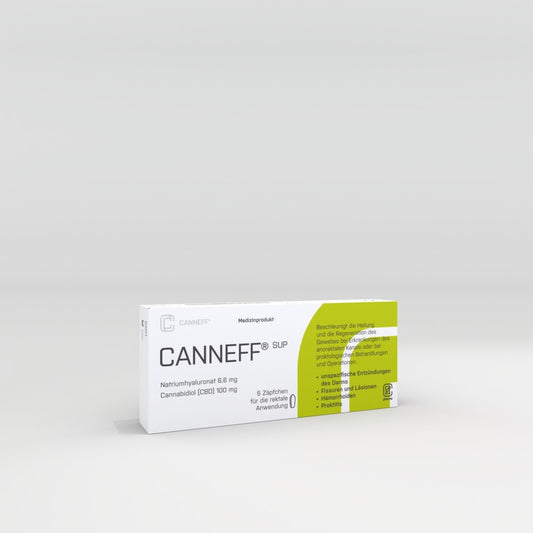
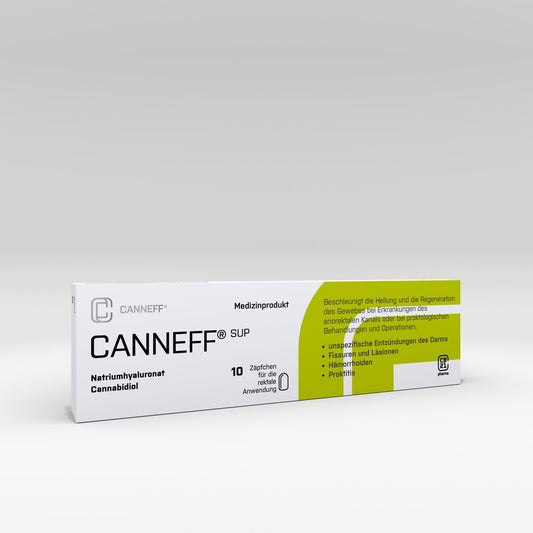
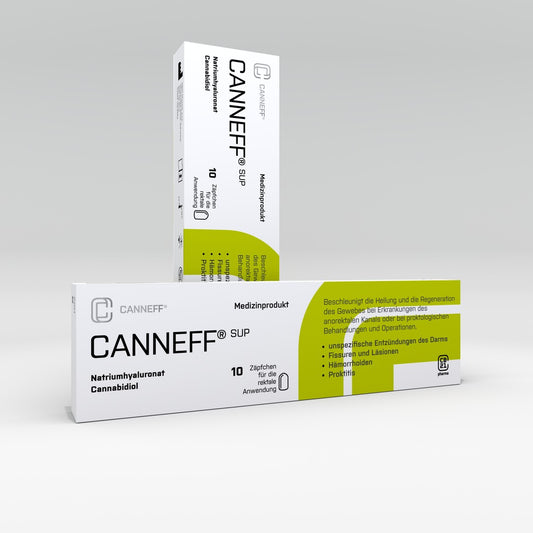
If you suffer from the typical symptoms of proctitis, you should make an appointment with a proctology specialist. Early diagnosis and treatment of proctitis significantly improve the chances of healing. If proctitis is diagnosed through a medical history interview and a subsequent rectoscopy, a specific therapy can be initiated. Depending on the cause of proctitis, for example, a bacterial infection is treated with antibiotics. If a chronic disease is the cause, long-term medical treatment of proctitis, sometimes also with anti-inflammatory agents such as corticosteroids, may be necessary. Read more here about the general treatment of proctitis and also about the treatment of proctitis with suppositories.
How is proctitis diagnosed?
With the medical history, the doctor can often already make a suspected diagnosis of proctitis based on symptoms and medical history. For diagnosis, the anus and rectum are then examined by finger. This allows the treating doctor to determine whether bleeding, mucus, edema, and other mucosal changes are present. This also indicates inflammation.
During a rectoscopy (rectoscopy or proctoscopy), the inside of the rectum is examined more closely using an endoscope. This allows determination of whether the mucosa is inflamed or shows other changes, such as ulcers or anal fistulas. In a rectoscopy (proctoscopy), a few-centimeter-long endoscope is carefully inserted through the anus after gentle palpation to inspect the mucosal sections of the rectum, the transition to the external skin, and the region of the hemorrhoidal cushions more closely and thus assess them. This examination is not painful when performed by an experienced and careful practitioner and lasts only 1–2 minutes. A prerequisite for good assessment is also preparation for this examination. This is done by emptying and cleaning the rectum at home beforehand. Enemas available at the pharmacy are used for this purpose, applied about an hour before the planned examination appointment to flush the rectum.
A doctor can also examine other parts of the intestine for Crohn's disease or ulcerative colitis using a colonoscopy (examination of the entire colon with an endoscope).
Blood tests for syphilis and stool tests for Clostridioides difficile are also often performed as part of the diagnosis. In addition, the doctor can take swabs and tissue samples from the rectum. In the laboratory, it can then be checked whether there is an infection with bacteria, fungi, viruses, or another cause of proctitis. Read more here about the diverse causes of proctitis, as well as the general treatment of proctitis and also about the treatment of proctitis with suppositories.