

Why do women get hemorrhoids more often than men?
Hemorrhoids are a widespread problem, but women are particularly affected. Studies show that hormonal influences, pregnancy, childbirth, and anatomical differences increase the risk of hemorrhoids in women. Additionally, women are more prone to constipation, which is considered the main trigger for the condition.
The most common causes of hemorrhoids and increased hemorrhoid susceptibility in women are:
|
Factor |
Impact on hemorrhoids |
|
Hormonal fluctuations |
Affect blood vessel walls and bowel activity |
|
Pregnancy |
Increased pressure on the pelvis and altered bowel activity |
|
Childbirth |
Pushing contractions strain the rectum and hemorrhoidal vessels |
|
Contraceptives (the pill) |
Can alter blood circulation and lead to constipation |
|
Nutrition |
Women often consume less fiber than men |
|
Stress & lifestyle |
Emotional stress can disrupt digestion |
These factors can cause women to develop hemorrhoids at a young age or worsen existing hemorrhoid symptoms over time. Learn more here about the stages of hemorrhoidal disease.
How do hormonal fluctuations influence the development of hemorrhoids?
Hormones like estrogen and progesterone have a direct impact on blood circulation and the firmness of connective tissue. During the menstrual cycle, there can be an interaction between hormones and bowel activity. In the second half of the cycle, an increased progesterone level often leads to slower digestion and thus constipation – a risk factor for hemorrhoids. Hormonal fluctuations also change the elasticity of blood vessel walls during pregnancy, after childbirth, and in the menopause, increasing the risk of enlarged hemorrhoids.
Can menopause increase the risk of hemorrhoids?
Yes, because during menopause, estrogen levels drop, which weakens connective tissue and worsens blood circulation in the pelvic area. This increases susceptibility to hemorrhoids. Additionally, hormonal changes often lead to digestive issues, especially constipation. To prevent hemorrhoids, women in menopause should pay special attention to a fiber-rich diet, regular exercise, and adequate fluid intake.
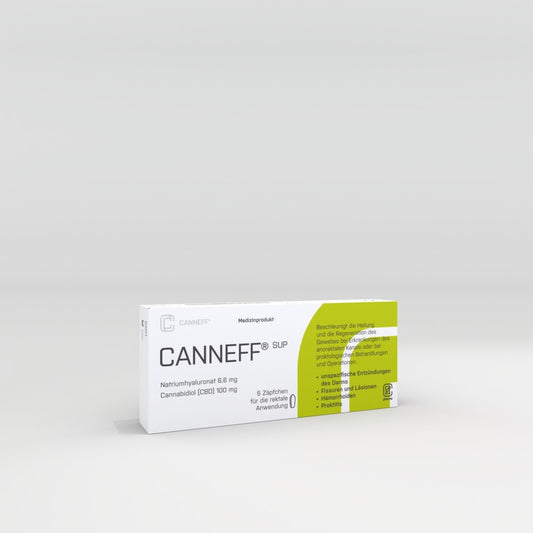
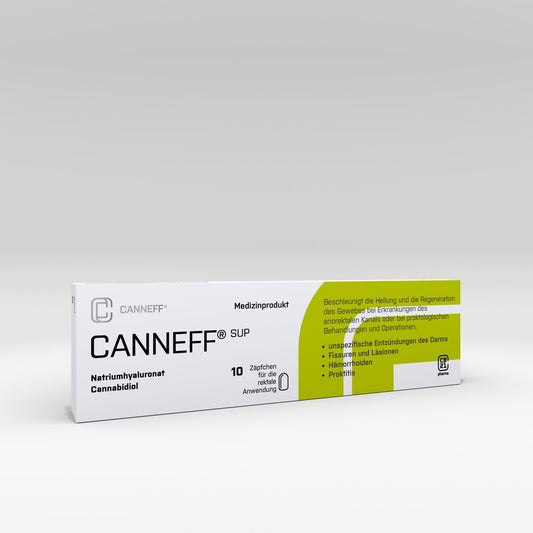
An early doctor visit and starting hemorrhoid treatment helps relieve symptoms and avoid complications. CANNEFF® SUP suppositories offer herbal support for pain relief and regeneration with the unique active ingredient combination of CBD and hyaluronic acid.
Why are hemorrhoids so common during pregnancy?
During pregnancy, blood volume in the body increases significantly, putting more strain on the vessels, including the hemorrhoidal cushions. The growing uterus presses on the rectum, making venous return more difficult. Additionally, hormonally induced slowed bowel activity often leads to constipation – one of the main triggers of hemorrhoids. Many pregnant women experience hemorrhoid symptoms especially in the third trimester or after birth. To prevent this, gentle exercise, a fiber-rich diet, and adequate fluid intake are essential. Read more in the blog post on preventing hemorrhoids during pregnancy.
How does childbirth affect the development of hemorrhoids?
Childbirth is a huge strain on the pelvic floor and the venous vessels in the anal area. Especially during pushing contractions, high pressure is generated that can worsen existing hemorrhoids or cause new ones. After childbirth, hemorrhoids often occur more frequently but can regress within a few weeks with proper care – such as cooling sitz baths and anti-inflammatory ointments.
Can contraceptives like the pill promote hemorrhoids?
Yes, especially hormonal contraceptives like the birth control pill or hormonal IUD can affect blood circulation. Estrogen and progestins can in some cases promote blood congestion in the pelvic area, which increases the risk of hemorrhoids. In addition, the pill can cause constipation as a side effect. Women who already suffer from hemorrhoids should discuss alternative contraceptive methods with their doctor.
What role does a low-fiber diet play in women?
Fiber is essential for healthy digestion. Too little intake can lead to hard stools and constipation – both main triggers for hemorrhoids. However, many women eat more calorie-conscious diets and often avoid high-fiber foods such as whole grain products, legumes, or nuts.
An adequate fiber intake can be ensured through the following foods:
|
High-fiber foods |
Fiber per 100 g |
|
Oat flakes |
10 g |
|
Flaxseeds |
27 g |
|
Lentils |
8 g |
|
Whole grain bread |
6 g |
|
Apples |
2,5 g |
In addition, at least 2 liters of water should be drunk daily to support bowel activity. Read more here about the central role of nutrition in preventing hemorrhoids.
Is wearing high heels a risk factor for hemorrhoids?
High heels do not directly promote hemorrhoids, but they can cause poor posture. The hollow back caused by wearing high heels can increase pressure in the pelvic area, which can negatively affect the hemorrhoidal veins. Women who regularly wear high heels should make sure to alternate regularly between flat and high shoes.
How does stress affect the development of hemorrhoids in women?
Stress can inhibit or overactivate bowel activity. Some women react with constipation, others with diarrhea – both can promote hemorrhoids. In addition, chronic stress leads to higher muscle tension in the pelvic area, which further impairs venous drainage. Relaxation techniques such as yoga, breathing exercises, or autogenic training can help relieve the body and prevent hemorrhoids. Read more in the blog post on hemorrhoids and psyche.
What measures can women specifically take to prevent hemorrhoids?
Women can significantly reduce their hemorrhoid risk through simple measures:
-
Fiber-rich diet
-
Adequate fluid intake (at least 2 liters daily)
-
Regular exercise and pelvic floor training.
-
Toilet hygiene without excessive straining
-
Alternating between sitting and standing activities
Early treatment is especially important to prevent the progression of hemorrhoid symptoms. Hemorrhoids are more common in women than in men due to hormonal, anatomical, and lifestyle factors. However, those who maintain a healthy diet, regular exercise, and gentle toilet habits can significantly reduce the risk. Read more in the blog post about all measures for preventing hemorrhoids. In addition to diet, regular exercise also plays a central role in prevention. Learn more about exercises to prevent hemorrhoids.