

What hemorrhoid symptoms specifically occur in women?
Women often experience the same symptoms of hemorrhoids as men, including itching, moisture, bleeding, swelling, and pain. However, there are gender-specific differences: during menstruation, increased blood flow in the pelvic area can intensify the discomfort. Additionally, women tend to have a higher risk of hemorrhoids due to hormonal fluctuations and generally softer connective tissue structure. Symptoms such as a pulling sensation in the lower back or increased pressure in the pelvic area are also typical and occur more frequently in women.
Are hemorrhoids more common during pregnancy?
Yes, women are particularly susceptible to hemorrhoids during pregnancy. This is due to increased blood flow in the pelvic area, weight gain, and the growing pressure of the uterus on the blood vessels of the rectum. Hormonal changes also affect vascular elasticity, making hemorrhoids more likely to enlarge. The risk rises significantly especially in the last trimester and during childbirth when strong pushing pressure occurs.
What role do hormones play in hemorrhoid symptoms in women?
Hormones affect the entire body—including the vascular system. During pregnancy, the hormone progesterone relaxes the vessel walls, increasing the risk of enlargement of hemorrhoids. Increased blood flow in the pelvic area during menstruation can also worsen hemorrhoid symptoms. Women in menopause may notice an increase in hemorrhoid problems as the declining estrogen level weakens connective tissue.
How do hemorrhoid symptoms differ between women and men?
The main difference lies in the influencing factors. While men mainly develop hemorrhoids due to strong straining during bowel movements or heavy lifting, women’s problems are often favored by hormonal fluctuations, pregnancy, and childbirth. Women also more frequently report accompanying symptoms such as back pain, a feeling of heaviness in the pelvis, or unpleasant pressure during menstruation. Find more information here about the causes of hemorrhoids.
Can menstruation worsen hemorrhoid symptoms?
Yes, many women experience intensified hemorrhoid symptoms during menstruation. This is due to increased blood flow in the pelvic area, which increases swelling of the vascular cushions. Additionally, menstrual-related digestive issues such as constipation or diarrhea can worsen the symptoms.
How does childbirth affect the risk of hemorrhoids?
Childbirth places significant strain on the pelvic floor and the vessels in the anal area. The strong pushing during labor greatly increases pressure on the hemorrhoidal vessels, causing existing hemorrhoids to enlarge or new ones to form. Many women notice an unpleasant feeling of pressure or swelling in the anal area after delivery. In most cases, these subside within a few weeks but can become chronic in some cases.
What treatment is best suited for women with hemorrhoids?
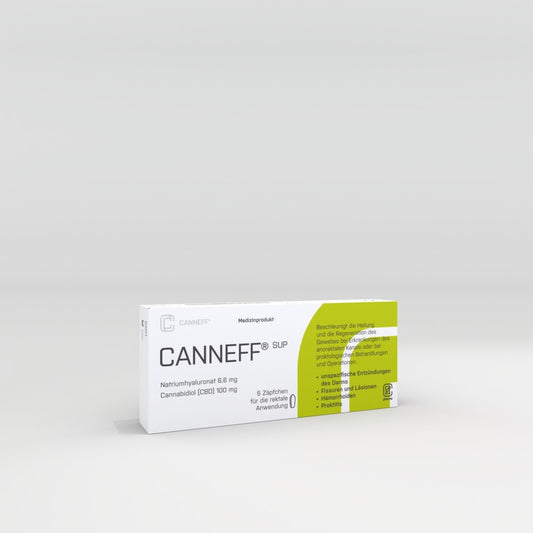
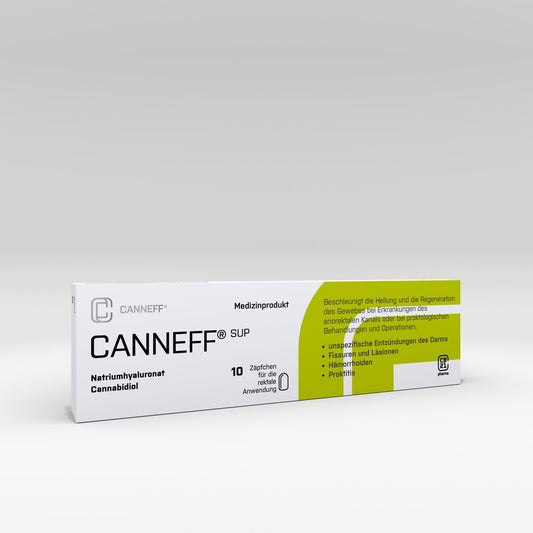
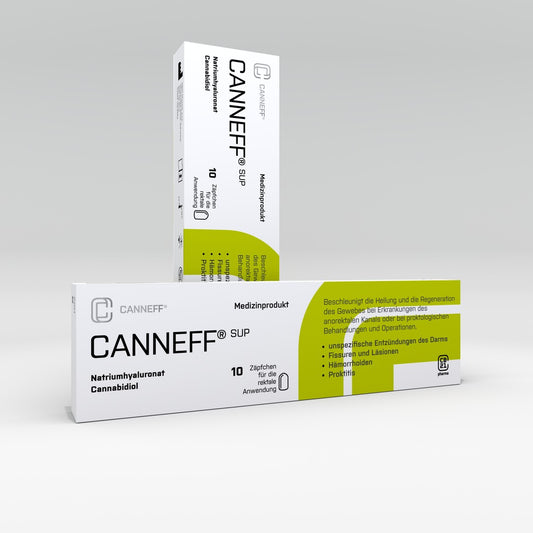
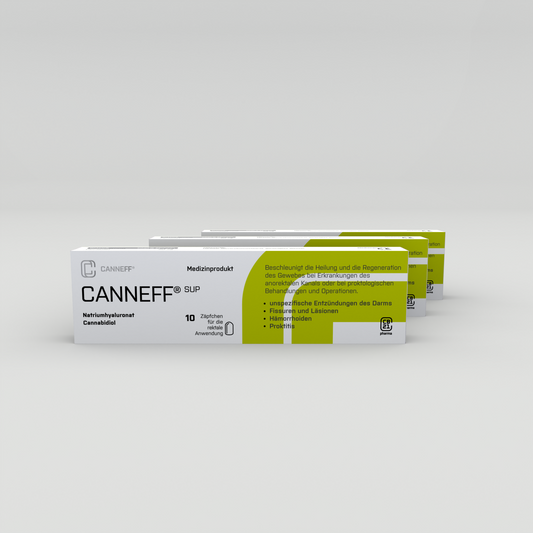
The treatment of hemorrhoids depends on the severity of the hemorrhoid symptoms. During pregnancy, only gentle methods such as sitz baths, a fiber-rich diet, and cooling gels should be used. After childbirth, the use of anti-inflammatory ointments or suppositories, like CANNEFF® suppositories, can help relieve pain and swelling. If symptoms persist, a proctological examination may be advisable to consider minimally invasive procedures such as rubber band ligation or sclerotherapy. Find all information about diagnosis and examinations in the blog post on hemorrhoid doctors.
Read more here about the stages of hemorrhoids, hemorrhoid surgery, and overall treatment of hemorrhoids.
|
Treatment Method |
Advantages |
Application Area |
|
Sitz baths with chamomile or oak bark |
Anti-inflammatory, relieves itching |
Pregnancy, breastfeeding, mild symptoms |
|
Cooling, anti-inflammatory, regenerative |
Acute symptoms, postpartum hemorrhoids |
|
|
Fiber-rich diet |
Promotes soft stool consistency |
Prevention and treatment |
|
Rubber band ligation |
Minimally invasive removal of hemorrhoids |
From hemorrhoid grade II |
|
Sclerotherapy |
Shrinks enlarged vascular cushions |
From hemorrhoid grade II |
|
Hemorrhoid surgery |
The last option for severe cases is hemorrhoid surgery. |
From hemorrhoid grade III to grade IV |
Can hemorrhoids cause back pain in women?
Yes, especially in women, hemorrhoids can be accompanied by back pain. Increased pressure in the pelvic area can cause tension in the lower back muscles. Additionally, advanced hemorrhoid disease can cause a foreign body sensation that may extend into the lower back area. After childbirth, pelvic floor weakness or altered posture can further intensify the pain sensation.
Are hemorrhoids reversible after childbirth?
In many cases, postpartum hemorrhoids regress within six to twelve weeks as the pressure on the pelvic floor decreases. Supportive measures include a fiber-rich diet, adequate fluid intake, and gentle pelvic floor exercises. If hemorrhoid symptoms persist, topical treatments such as CANNEFF® suppositories can help reduce inflammation and pain. In rare cases, hemorrhoids remain and require medical treatment of hemorrhoids.
Which preventive measures are especially important for women?
Women can reduce their risk of hemorrhoids through targeted measures. A balanced, fiber-rich diet promotes regular digestion and prevents constipation. During pregnancy, regular movement helps support blood flow in the pelvic area. After childbirth, pelvic floor exercises are particularly important to strengthen the muscles and minimize pressure on the vessels. Proper behavior during bowel movements—avoiding strong straining and long sitting times on the toilet—also contributes to prevention. Find further information here on various measures to prevent hemorrhoids.