

What are the symptoms of anal fissures?
An anal fissure usually manifests as severe, sharp pain in the anus. The pain in the anus during and after bowel movements can greatly restrict the daily life and quality of life of those affected. As a result of a tear in the anus, stool passage is only possible with pain. There are reports of very painful defecation, which can set off a vicious cycle. Patients often report pain radiating toward the tailbone. The intensity of the pain naturally also depends on the size and depth of the tear in the anal mucosa. The spectrum ranges from small microtears of the mucosa to larger and deeper fissures. Many affected individuals consequently hold back stool to avoid the severe, sharp pain. However, this behavior promotes further hardening of the stool, which can worsen or enlarge the tears in the anal mucosa. Ultimately, this makes using the toilet even more painful. Often, the complaints persist after toilet visits in the form of a burning, constant pain.
Additionally, the intense pain in the anus leads to spasms of the sphincter muscle and anal area. This further intensifies the symptoms of the anal fissure. Due to the sphincter muscle spasm, the surrounding tissue is less well supplied with blood, so the tears in the anal mucosa or anus heal poorly. This not only leads to poorer wound healing in the anal region but also increases the risk of infection. Consequently, there is a risk that an acute anal tear may develop into a chronic anal fissure. The chronic nature of the tear makes the treatment of anal fissures significantly more difficult and complicated and can even lead to an anal fissure surgery. If you have symptoms of an anal fissure, consult your doctor as soon as possible. Read more about diagnosis and examinations in the blog post on anal fissure doctor or about various surgical techniques for anal fissures in the blog post on anal fissure surgery.
The spasms of the sphincter muscle can possibly cause further mucosal tears. Read more here about the causes of anal tears. If the tear extends deeper to the internal sphincter muscle, it is possible that the connective tissue around the muscle increases and hardens over time due to the strong spasms. This skin thickening mainly occurs with a chronic anal fissure. Doctors refer to this as a sentinel pile or marisca.
If affected individuals hold back stool out of fear of pain, this can lead to chronic constipation (obstipation). Patients often also report anal itching, anal burning, moisture and mucus secretion from the wound in the anus, as well as bright red blood on the stool or blood on the toilet paper. Read more here about bleeding with an anal fissure.

What are the symptoms of an acute anal fissure?
An acute anal fissure is usually accompanied by a sharp, stabbing, or burning pain during bowel movements. This pain usually subsides quickly after defecation. Other common symptoms of an acute anal fissure are bright red, fresh bleeding. The intensity of the bleeding with an anal fissure ranges from blood traces on toilet paper to blood splashes in the toilet. The actual blood loss is usually small and generally considered not dangerous. Nevertheless, blood in the stool greatly unsettles many patients. If you experience symptoms of anal tears, be sure to discuss these complaints with your trusted doctor. Read more about diagnosis and examinations in the blog post on anal fissure doctor. Affected individuals do not necessarily have to experience both main symptoms simultaneously; these two symptoms can also occur separately.

Depending on the severity of the anal fissure, the outer extension of the acute fissure is usually visible during a slight spreading of the buttocks during examination. The majority of anal fissures are located in the midline, with 75-90% on the side facing the tailbone. Depending on the cause of the anal fissure, infections such as HIV, tuberculosis, and syphilis should also be ruled out during diagnosis and subsequent examination by the doctor. Tumors or chronic inflammatory bowel diseases such as Crohn's disease are also among the various causes of anal fissures. Your medical care may include further diagnostics with serological and microbiological tests as well as a colonoscopy with tissue sample collection. Read more about diagnosis and examinations for anal tears in the blog post anal fissure doctor.
What are the symptoms of a chronic anal fissure?
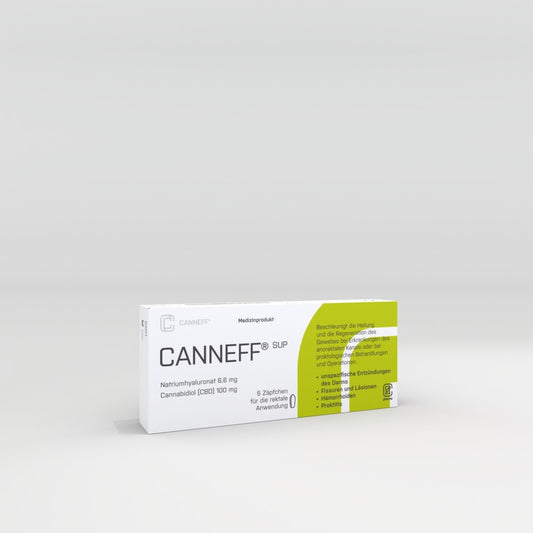
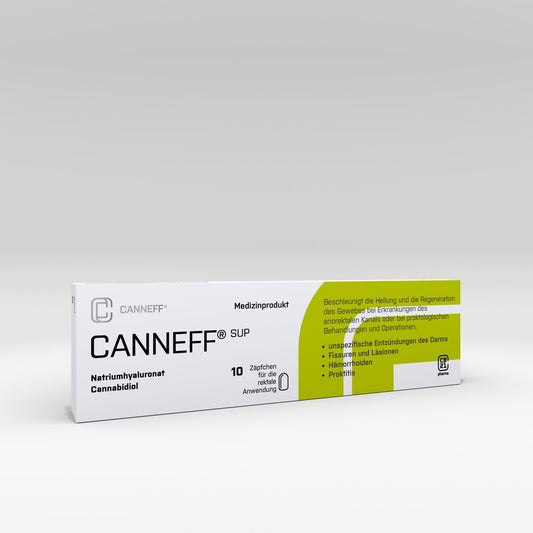
If the symptoms of an anal fissure persist for several weeks and vary in intensity, the fissure may already be classified as chronic. Visible external signs of a chronic anal fissure are skin thickenings or folds, called sentinel pile or marisca. Some patients feel a palpable hardening. Since these typical symptoms also occur in other proctological diseases, an accurate diagnosis and examination of the anal fissure are important. In a chronic anal fissure, pain during bowel movements is often less pronounced, but an itchy, moist sore often forms at the affected site. Typical is also a skin thickening, the sentinel pile or marisca. In more severe cases, an anal fistula may also develop, which affects the sphincter muscle through the fistula tract. Chronic anal fissures sometimes lead to anal fissure surgery if conservative measures in the treatment of anal fissures such as ointments, creams, sitz baths, and suppositories are insufficient. Read more here about the benefits and dosage when using suppositories for treating anal fissures.
How do acute anal tears and chronic anal fissures differ?
The main differences between acute and chronic anal fissures lie in the duration of symptoms, the extent of tissue changes in the anal canal, and the intensity of the fissure's symptoms. The acute form of the anal fissure occurs quite frequently and should generally heal within four to six weeks with consistent treatment of the anal tear. Read more here about accelerating the healing of anal fissures. The longer the fissure persists or the deeper it is, the greater the risk of further tissue changes. If the sore deepens, scarred changes are much more likely in a chronic fissure. This can lead to a so-called sentinel pile, also called marisca. A marisca is a skin thickening that itself poses no direct health risk. However, symptoms can be worsened by a marisca because it makes thorough anal hygiene more difficult. Chronic anal fissures often also lead to benign connective tissue nodules called anal fibromas or, as a result of inflammation in the anus and abscess formation, also anal fistulas with deep and more complicated fistula tracts. Such complications can also be reasons for anal fissure surgery.
Find more general information here about the treatment of anal fissures or which measures in daily life and lifestyle can help you prevent anal fissures.