

When should you see a doctor for anal eczema?
A doctor’s visit for anal eczema is especially important if symptoms persist for a long time, worsen, or are accompanied by severe complaints such as itching, burning, and oozing. Even if mild bleeding or pain occurs, the condition should be evaluated by a specialist, as these symptoms may indicate underlying conditions such as hemorrhoids, anal fissures, or even chronic inflammatory bowel diseases. Especially when home remedies or over-the-counter products provide no relief, a medical diagnosis is crucial.
A doctor’s visit is also advisable if the anal eczema is triggered by possible allergic reactions or repeated mechanical irritations, such as vigorous rubbing or frequent bowel movements. Targeted diagnostics can identify the causes and initiate appropriate treatment measures to prevent the eczema from becoming chronic.
|
Situation |
Recommendation |
|
Symptoms persist longer than 1–2 weeks |
Medical evaluation required |
|
Severe pain, bleeding, or oozing |
Immediate doctor visit |
|
Repeated occurrence of the eczema |
Long-term care by a specialist |
|
Home remedies and over-the-counter products do not help |
Specialist consultation necessary |
In these cases, a proctologist or dermatologist is often the first point of contact. The doctor can determine the exact cause through targeted examinations such as a rectal inspection or special tests, e.g., for allergies, and recommend appropriate therapy.
Which symptoms require medical evaluation for anal eczema?
An anal eczema can cause various symptoms ranging from mild itching to severe discomfort.
|
Symptom |
Possible meaning |
|
Chronic eczema, atopic anal eczema |
|
|
Oozing and blistering |
Infections, irritant eczema |
|
Bleeding during bowel movements |
Hemorrhoids, fissures, or other conditions |
|
Recurring symptoms |
Chronic skin diseases or allergies |
|
Swelling and redness |
Inflammations, allergic anal eczema |
Some symptoms are harmless and can be treated with home remedies or over-the-counter products, while others require medical evaluation. Especially with persistent or severe symptoms, a doctor should be consulted to rule out serious conditions or initiate appropriate treatment.
Severe itching and burning: If the itching or burning affect quality of life or cannot be relieved by simple measures, medical evaluation is important.
Swelling and redness: Noticeable changes in the skin, especially with pronounced redness or swelling, may indicate an underlying inflammation or infection.
Oozing and blistering: The appearance of oozing skin areas or fluid-filled blisters indicates a stronger inflammatory reaction that should be treated by a doctor.
Bleeding or pain during bowel movements: Blood in the stool or severe pain may indicate hemorrhoids, fissures, or other proctological conditions.
Chronic or recurring symptoms: An anal eczema that recurs repeatedly or does not heal despite care requires a detailed examination by a specialist.
Accompanying symptoms such as fever or general malaise: These may indicate a systemic infection that requires urgent clarification.
The doctor usually performs a physical examination of the anal region, supplemented by a medical history and, if necessary, further diagnostic procedures such as microbiological swabs or allergy tests. This way, the causes of the symptoms can be identified and treated specifically.
Which doctor is responsible for diagnosing and treating anal eczema?
Various specialists are responsible for the diagnosis and treatment of anal eczema, depending on symptoms and cause.
General practitioner: First contact for a basic assessment and referral.
Proctologist: Specialist for diseases of the anal and rectal region, ideal for hemorrhoids or chronic complaints.
Dermatologist: Responsible for skin diseases such as atopic or allergic anal eczema.
Gastroenterologist: In case of suspected bowel diseases such as ulcerative colitis or Crohn's disease.
The choice of doctor depends on the cause. Often, patients start with a visit to the general practitioner, who then refers them to the appropriate specialist.

How does a medical examination for anal eczema proceed?
The examination of an anal eczema by a doctor is a structured process aimed at identifying the cause of the eczema and initiating the appropriate therapy. The examination is conducted discreetly, as the anal region is a sensitive topic.
Medical history: First, the doctor will ask detailed questions about the medical history. This includes information about the symptoms (e.g., itching, oozing, pain), duration of complaints, hygiene habits, and possible triggers such as allergies or skin diseases.
Physical examination: The doctor visually inspects the anal region to detect skin changes such as redness, oozing, blisters, or cracks. The area around the anus and, if necessary, the anal canal are assessed.
Rectal examination: If necessary, the doctor palpates the anal canal and lower rectum to exclude possible accompanying conditions such as hemorrhoids, fissures, or fistulas. This examination is painless and performed under hygienic conditions.
Microbiological swabs: If an infection by bacteria, fungi, or viruses is suspected.
Allergy tests: If a contact allergic eczema is suspected.
Biopsy: Rarely necessary in unclear or therapy-resistant eczema to exclude serious diseases such as carcinoma.
Which diagnostic methods does the doctor use for anal eczema?
A doctor uses various diagnostic methods to identify anal eczema and determine the underlying causes. The choice of methods depends on the symptoms and medical history. The goal is to accurately diagnose the eczema and rule out serious diseases.
|
Diagnostic method |
Goal |
|
Medical history |
Recording of symptoms and causes |
|
Inspection and palpation |
Assessment of the anal region and anal canal |
|
Microbiological swabs |
Detection of infections |
|
Allergy tests |
Identification of contact allergic reactions |
|
Proctoscopy/rectoscopy |
Examination of the anal canal and rectum |
Can a general practitioner treat anal eczema, or is a specialist necessary?
A general practitioner can often perform the initial diagnosis and treatment of anal eczema, especially if the symptoms are mild or the cause is clearly identifiable. They can provide general recommendations for care, hygiene, and possibly the use of over-the-counter ointments or home remedies. In uncomplicated cases, this may be sufficient to relieve the symptoms.
|
Situation |
General practitioner |
Specialist (proctologist/dermatologist) |
|
Mild, temporary discomfort |
Treatment possible |
Not necessary |
|
Severe pain, bleeding, or oozing skin |
Referral recommended |
Necessary |
|
Chronic or recurrent eczema |
Basic care possible |
Long-term care required |
|
Suspected hemorrhoids, fissures, fistulas |
Detection |
Detailed diagnostics |
|
Allergic reactions or infections |
Basic diagnostics |
Specific tests and treatment |
A specialist such as a proctologist is specifically trained for diseases of the anal and rectal area and performs targeted examinations, such as proctoscopies or microscopic tests. A dermatologist, on the other hand, is the right choice for allergic or atopic eczema.
Overall, the choice of doctor depends on the severity and cause of the anal eczema. A general practitioner is a good starting point, but for persistent or severe symptoms, the expertise of a specialist is necessary.
Which diseases can a doctor rule out with an anal eczema?
A doctor examines an anal eczema not only for treatment but also to rule out other underlying diseases that can cause similar symptoms. This is important because some of these diseases require specific treatments and can cause complications if left untreated.
|
Disease |
Typical symptoms |
Differentiation from anal eczema |
|
Oozing, itching, bleeding |
Enlarged nodes, proctoscopy |
|
|
Pain, bleeding during bowel movements |
Visible skin cracks |
|
|
Pus discharge, swelling |
Palpable fistulas or anal abscesses |
|
|
Chronic inflammatory bowel diseases |
Frequent bowel movements, mucus discharge |
Endoscopy, visible intestinal inflammation |
|
Fungal infections |
Oozing, itching |
Detection of fungi by swab |
|
Psoriasis/Atopic dermatitis |
Dry, scaly, or thickened skin |
Characteristic skin patterns |
|
Lichen sclerosus |
Whitish plaques, pain |
Histopathological examination |
|
Anal carcinoma |
Pain, bleeding, palpable lumps |
Biopsy to confirm diagnosis |
What therapy options does a doctor offer for anal eczema?
A doctor can offer various therapy options for anal eczema, depending on the cause, severity, and individual patient needs. The treatment strategy usually pursues two goals: symptom relief and treatment of the underlying causes.
Anti-inflammatory and symptom relief
The first measure aims to reduce itching, redness, and pain:
Cortisone-containing ointments: These are used in acute, severely inflammatory anal eczema to quickly suppress the inflammatory response. Application is usually short-term to avoid side effects such as skin thinning.
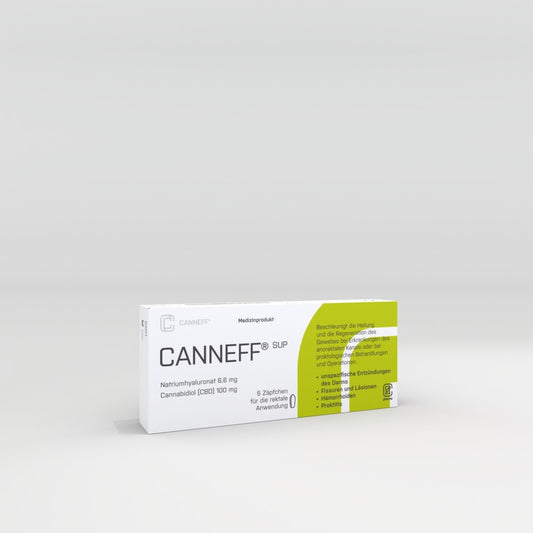
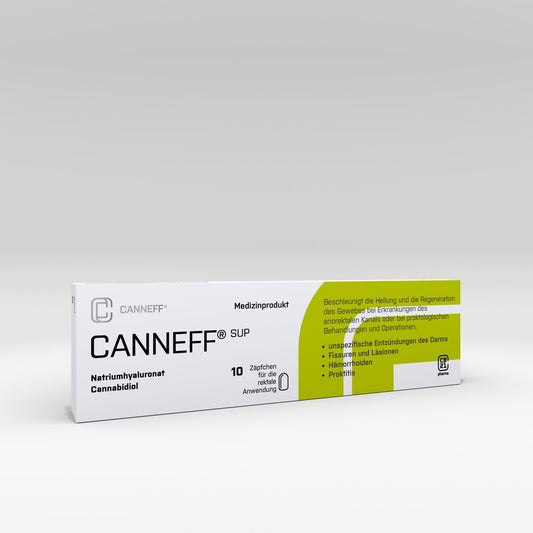
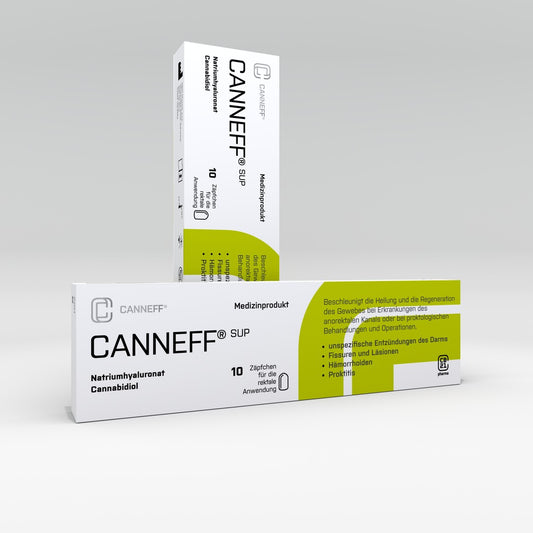
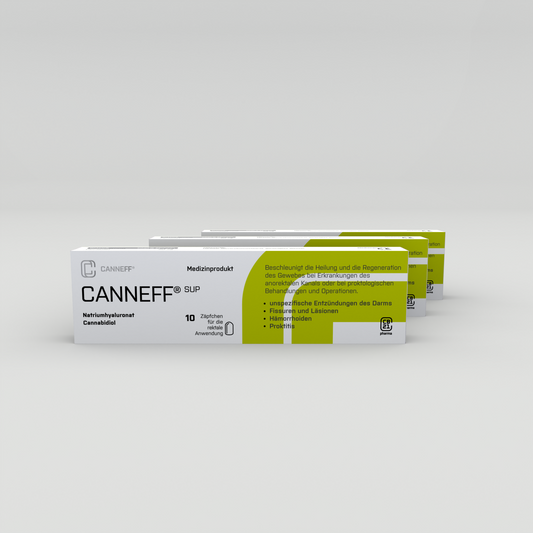
Alternatives to cortisone: Preparations like CANNEFF® SUP rectal suppositories, which contain cannabidiol (CBD) and hyaluronic acid, offer anti-inflammatory and regenerative effects without the side effects of cortisone. Read more here about the treatment of anal eczema with suppositories.
Antihistamines: In cases of severe itching, oral antihistamines can help provide relief.
Treatment of causes
Depending on the cause of anal eczema, specific therapies are initiated:
Infections: Fungal or bacterial infections are treated with appropriate antifungals or antibiotics, which can be administered topically or systemically.
Hemorrhoids and fistulas: Comorbidities such as hemorrhoids or anal fistulas often require additional proctological treatment, e.g., ointments, suppositories, or in severe cases, surgical interventions.
Allergies: If the anal eczema was triggered by an allergic reaction, contact allergens are avoided, and the doctor may recommend allergen-free care.
Care and prevention
Long-term care of the anal skin is crucial to prevent relapses:
Skin protection: Zinc ointments or moisturizing creams with hyaluronic acid protect the sensitive skin and promote healing.
Gentle hygiene: The doctor recommends cleansing with lukewarm water and avoiding soaps or perfumed products.
Dietary change: A high-fiber diet is often recommended to regulate bowel movements and avoid mechanical irritation from hard stool.
Additional measures
Sitz baths with anti-inflammatory additives such as chamomile or oak bark can promote healing and relieve symptoms. In chronic or therapy-resistant eczema, the doctor may order a biopsy or further examinations to determine the cause more precisely.

How important is follow-up care with the doctor to prevent relapses of anal eczema?
Follow-up care with the doctor plays a crucial role in preventing relapses of anal eczema and ensuring lasting healing. Anal eczema is often the result of chronic irritation, allergic reactions, or underlying conditions that can recur without proper follow-up care.
|
Follow-up measure |
Goal |
|
Follow-up examination |
Ensuring complete healing of the eczema. |
|
Adjustment of therapy |
Optimizing treatment in case of incomplete therapeutic success. |
|
Advice on care and hygiene |
Prevention through gentle cleansing and suitable care products. |
|
Treatment of underlying causes |
Avoidance of further skin irritations or diseases. |
|
Dietary recommendations |
Promoting soft bowel movements to relieve the anal skin. |
Especially with recurring eczema or in patients with chronic skin conditions such as atopic dermatitis or psoriasis, follow-up care is essential. The doctor can help identify and avoid triggers like moist toilet paper, tight clothing, or heavily spiced foods.
Follow-up care is not just a check-up but also an essential step to improve quality of life, minimize relapses, and ensure the long-term health of the sensitive anal area.
What medications does the doctor typically prescribe for anal eczema?
The medicinal treatment of anal eczema is individually tailored and depends on the cause, severity of symptoms, and comorbidities. Doctors typically prescribe a combination of anti-inflammatory, caring, and sometimes anti-infective preparations to relieve symptoms and promote healing.
Anti-inflammatory medications
Cortisone-containing ointments: In acute, severely inflamed anal eczema, low- to medium-potency corticosteroids such as hydrocortisone or prednicarbate are used. These quickly reduce itching, redness, and swelling. However, they are only used short-term to avoid side effects like skin thinning.
Alternatives to cortisone: Preparations like CANNEFF® SUP rectal suppositories are a modern alternative. They contain cannabidiol (CBD), which has anti-inflammatory and pain-relieving effects, and hyaluronic acid, which promotes mucous membrane regeneration.
Skin care and protective preparations
Zinc ointments: These have mild anti-inflammatory effects, protect the skin, and promote healing, especially in weeping eczema.
Products containing hyaluronic acid: Products with hyaluronic acid provide moisture, strengthen the skin barrier, and support regeneration. CANNEFF® SUP rectal suppositories combine these benefits in a patented emulsion matrix that ensures efficient active ingredient release. Read more here about the treatment of anal eczema with suppositories.
Antimicrobial medications
Antimycotics: For fungal infections, which often accompany anal eczema, the doctor prescribes antifungal creams like clotrimazole or nystatin.
Antibiotics: For bacterial infections, locally or systemically effective antibiotics are used, such as fusidic acid or chlorhexidine. These medications help control infections and accelerate healing.
Pain and itch relieving preparations
Local anesthetics: Ointments with lidocaine or similar active ingredients can temporarily relieve itching and pain.
Cooling ointments: Preparations with menthol or camphor provide temporary relief from severe anal itching.
Advantages of CANNEFF® SUP
CANNEFF® SUP CBD suppositories are distinguished by their special combination of active ingredients. CANNEFF® SUP CBD suppositories relieve inflammation and pain and promote regeneration. Thanks to the patented emulsion matrix, hyaluronic acid is released five times more efficiently than in conventional rectal suppositories. CANNEFF® SUP is not only used for anal eczema but also for hemorrhoids, anal fissures, proctitis, anal vein thrombosis, and after colorectal surgeries. Read more here about the treatment of anal eczema with suppositories.
|
Medication group |
Effect |
Examples |
|
Anti-inflammatory ointments |
Reduction of itching, redness, and swelling |
Hydrocortisone, CANNEFF® SUP |
|
Skin care preparations |
Promote regeneration, protect the skin |
Zinc ointment, hyaluronic acid creams |
|
Antimicrobial agents |
Treatment of fungal or bacterial infections |
Clotrimazole, Chlorhexidine |
|
Pain/itch relief |
Immediate relief from pain and itching |
Lidocaine, Menthol |
With this combination of medications and preparations, the doctor can develop an effective and individualized therapy for anal eczema. Especially CANNEFF® SUP offers an innovative and safe option for the treatment and care of the anal area.
How quickly can medically prescribed therapies relieve anal eczema?
The speed at which medically prescribed therapies relieve an anal eczema depends on the cause and severity of the condition.
- Anti-inflammatory ointments like corticosteroid preparations or CANNEFF® SUP suppositories often work within 1–3 days by reducing itching, redness, and swelling.
- Antifungal or antibacterial treatments for infections typically show initial success after 5–7 days.
- Regenerative preparations, such as those with hyaluronic acid, support healing and show their full effect after about 1–2 weeks.
A noticeable improvement usually occurs within the first few days of treatment, while complete healing can take up to 2–4 weeks depending on the cause.