

What are the most common causes of anal itching?
The most common causes of anal itching, medically also called pruritus ani, can be divided into different categories: external factors, diseases of the rectum, skin diseases, internal diseases, parasites, and idiopathic causes. Each of these categories carries specific triggers that can cause the unpleasant itching.
External factors play a significant role. These include inadequate or excessive anal hygiene, which can irritate the sensitive skin in the anal area. Residues of stool or sweat can cause itching, while aggressive cleaning with soaps or wet wipes dries out the skin and makes it prone to irritation. In addition, certain foods such as spicy spices, nuts, chocolate, or caffeine- and alcohol-containing drinks can worsen the problem.
Diseases of the rectum such as hemorrhoids are one of the most common causes of anal itching. They can cause mucus discharge that irritates the skin. Also, anal fissures, anal abscesses, or anal fistulas as well as inflammatory bowel diseases like Crohn's disease or ulcerative colitis can cause itching due to their effects on the skin structure.
Skin diseases such as anal eczema, psoriasis (inverse psoriasis) or lichen sclerosus are also common triggers. These conditions often affect the sensitive skin in the anal area and lead to itching, dryness, or inflammation. Read more here about anal eczema.
Internal diseases, especially diabetes mellitus, can increase the risk of anal itching, as poor circulation and a weakened immune system make the skin more susceptible to infections and irritations. Liver and thyroid diseases as well as a weakened immune system also play a role here.
Parasites, especially pinworms, are a common cause of nighttime itching in children, as the worms lay their eggs in the anal region. Tapeworms or other helminths can also cause similar symptoms.
Idiopathic and psychosomatic causes are diagnosed when no specific physical cause is found. Psychological stress or psychosomatic complaints can in some cases trigger or worsen anal itching.
Understanding the exact cause is essential for the treatment of anal itching. A doctor's visit is advisable if the itching persists or is accompanied by other symptoms such as pain, bleeding, or skin changes. Read more here about the doctor's visit for anal itching or the treatment of anal itching. Those affected can also find more about anal itching during menopause.
What role do hygiene and care play in the development of anal itching?
Proper hygiene and care of the anal area are crucial to prevent and relieve anal itching (pruritus ani). Both insufficient and excessive cleaning can irritate the sensitive skin in the anal area and cause itching.
Insufficient hygiene: Residues of stool or sweat can irritate the skin and cause itching. Therefore, it is important to thoroughly clean the anal area with clear water after bowel movements and then gently pat dry.
Excessive hygiene: Excessive use of soaps, wet wipes, or harsh cleaning agents can damage the skin's natural protective barrier, leading to dryness and irritation. It is recommended to use mild, soap-free wash lotions and avoid using wet wipes.
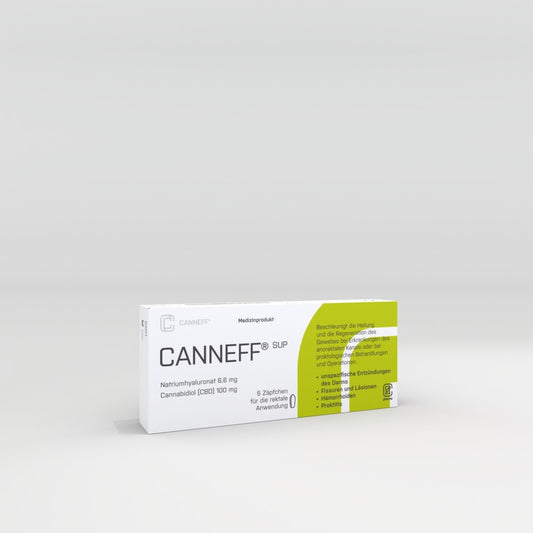
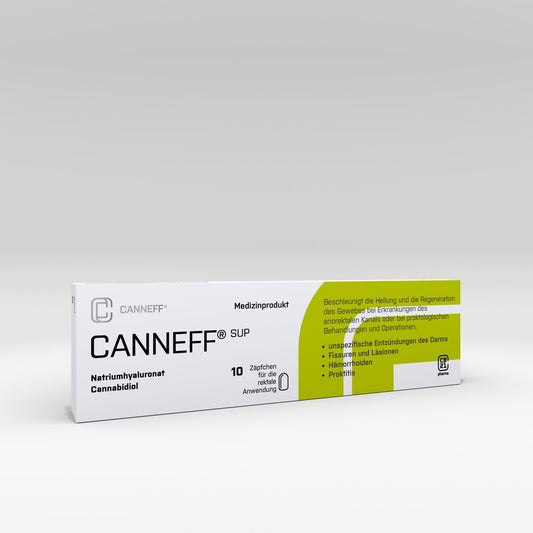
Caring products: The use of creams or ointments should be done with caution. Some products can cause allergic reactions or further irritate the skin. For persistent itching, special products like CANNEFF® SUP suppositories can be helpful. These contain a combination of cannabidiol (CBD) and hyaluronic acid, which can help relieve itching and support tissue healing. Read more here about the treatment of anal itching with suppositories.
Additionally, wearing breathable cotton underwear is recommended to avoid a moist environment that can promote the growth of bacteria and fungi. It is also advisable to avoid heavily spiced foods, alcohol, and caffeinated drinks, as these can intensify the itching.
If anal itching persists or is severe, it is advisable to see a doctor to determine the exact cause and initiate appropriate treatment. Read more here about the doctor’s visit for anal itching or about the treatment of anal itching.
Can certain foods and drinks cause anal itching?
Yes, certain foods and drinks can trigger or worsen anal itching (pruritus ani), especially when consumed in large amounts. The exact reaction varies individually, but some foods and indulgences are known to irritate the sensitive skin in the anal area or worsen existing symptoms.
Foods and drinks that can cause anal itching
Spicy foods: Chili, pepper, or other spicy seasonings can irritate the intestinal mucosa and cause irritation in the anal area during bowel movements.
Citrus fruits and acidic foods: Oranges, lemons, or grapefruits, as well as vinegar-containing foods, can make stool more acidic, which can irritate the perianal skin.
Dairy products: Some people are sensitive to dairy products like cheese, yogurt, or cream, especially if they have lactose intolerance.
Nuts and chocolate: These foods can cause irritation in sensitive individuals, especially when consumed in large amounts.
Salty and highly processed foods: Chips, salty snacks, and ready-made meals can irritate the skin due to their high salt content and promote an unpleasant moist environment.
Caffeinated drinks: Coffee, black tea, or cola can stimulate digestion and affect bowel movements, which may lead to irritation.
Alcoholic beverages: Alcohol, especially beer and wine, can increase blood flow in the anal area and worsen existing symptoms.
Why do these foods cause anal itching?
Some foods increase the acidity or irritants in the stool, which can directly irritate the sensitive skin in the anal area. Other foods affect digestion and cause diarrhea, which weakens the skin’s protective barrier and promotes itching.
Prevention and recommendations
Adjust your diet: Observe if certain foods trigger symptoms for you and avoid them.
Drink enough water: Adequate fluid intake promotes normal stool consistency and reduces irritation.
Fiber-rich diet: Whole grain products, fruits, and vegetables support healthy digestion and prevent constipation or overly hard stools.
Gentle care after bowel movements: Clean the anal area with lukewarm water and pat dry.
If anal itching persists despite dietary changes and proper care, CANNEFF® SUP suppositories can provide supportive relief as they have soothing and healing properties. If symptoms persist, you should also consult a doctor to clarify underlying causes. Read more about the doctor’s visit for anal itching.
Which conditions can lead to itching in the anal area?
Itching in the anal area can be caused by a variety of conditions. These range from harmless to serious causes. The most common conditions that can cause itching in the anal area include:
Hemorrhoids
Cause: Enlarged hemorrhoidal cushions can secrete mucus, which irritates the anal skin and causes itching. More information about hemorrhoids.
Accompanying symptoms: Bleeding, oozing, foreign body sensation.
Anal fissures
Cause: Small tears in the sensitive anal mucosa, often caused by hard stools or straining. More information on anal fissures.
Accompanying symptoms: Pain, especially during bowel movements, and bright red bleeding.
Anal eczema
Cause: Skin inflammations caused by moisture, excessive or insufficient hygiene, allergies, or skin irritants. More information on anal eczema.
Accompanying symptoms: Redness, oozing, scaling, and itching.
Infections
Fungal infections: Candida infections often occur in moist, warm environments.
Bacterial infections: Bacteria can settle due to scratching or poor hygiene.
Viral infections: Genital warts (caused by HPV) or herpes can also trigger itching.
Parasites: Especially pinworms (common in children) cause nighttime itching.
Chronic inflammatory bowel diseases (IBD)
Cause: Diseases like Crohn's disease or ulcerative colitis cause irritation due to frequent diarrhea or mucus discharge.
Accompanying symptoms: Abdominal pain, diarrhea, fever.
Dermatological diseases
Psoriasis inversa: Can be limited to the perianal skin.
Lichen sclerosus: Chronic skin disease that can cause itching and scarring.
Atopic dermatitis (neurodermatitis): Can also manifest in the anal area.
Diabetes mellitus
Cause: A weakened immune system and high blood sugar levels promote infections and skin irritations.
Accompanying symptoms: Itching can occur all over the body.
Fecal incontinence
Cause: Uncontrolled stool passage leads to moisture and irritation of the anal skin.
Accompanying symptoms: Oozing and soreness.
Anal carcinoma
Cause: Malignant changes in the anal area can cause pruritus ani.
Accompanying symptoms: Bleeding, pain, palpable lumps.
Idiopathic pruritus ani
Cause: In some cases, the exact cause remains unclear.
Accompanying symptoms: Isolated itching without other abnormalities.
Recommendation for itching
Regardless of the cause, those affected should gently care for the anal area, avoid irritating products, and consult a doctor if itching persists or is severe. CANNEFF® SUP rectal suppositories can help soothe the mucous membrane and promote healing, especially in cases of irritation caused by hemorrhoids or anal eczema.
How Are Hemorrhoids and Anal Itching Related?
Hemorrhoids and anal itching are closely related, as enlarged hemorrhoids are often one of the main causes of itching in the anal area. The connection arises from several mechanisms that lead to irritation of the sensitive skin and mucous membrane around the anus.
Mucus Secretion and Skin Irritation
Enlarged hemorrhoids can secrete mucus that exits the anus and irritates the surrounding skin. This mucus secretion, combined with the already sensitive anal skin, can cause severe itching. Additionally, the moist environment created by the mucus provides ideal conditions for the growth of fungi and bacteria, which can intensify the itching.
Hygiene Issues
Another factor is the difficulty in cleaning the anal area. Especially prolapsed hemorrhoids or larger lumps can make complete removal of stool residues difficult, leading to skin irritation and itching. On the other hand, many affected individuals resort to excessive hygiene, such as using harsh cleaning agents or perfumed wet wipes, which can further irritate and dry out the skin.
Development of Eczema and Inflammation
Constant irritation from mucus, stool residues, and excessive hygiene can lead to the development of anal eczema. This manifests as an inflammatory reaction of the skin, accompanied by redness, oozing, and increased itching. Scratching, which often provides short-term relief, further damages the skin and sets off a vicious cycle of itching and additional skin irritation.
Chronic Stress on the Anal Region
In addition to irritation caused by mucus and stool residues, mechanical stress on the anal region also plays a role. Enlarged hemorrhoids can further strain the sensitive skin through movement and friction. This constant friction, combined with moist and inflammatory conditions, can cause chronic skin irritation and inflammation, which further intensifies the itching.
Relief and Treatment
To reduce itching from hemorrhoids, a combination of careful hygiene, symptom-relieving products, and, if necessary, medical treatment for anal itching is crucial. Cleaning the anal area should be done with lukewarm water, and instead of rubbing, the skin should be gently patted to avoid further irritation. Local preparations such as anti-inflammatory ointments or suppositories can relieve itching and promote healing. Particularly effective are CANNEFF® SUP rectal suppositories, which, through their combination of CBD and hyaluronic acid, have anti-inflammatory effects and support mucosal regeneration. Read more here about the treatment of anal itching with suppositories.
A high-fiber diet and adequate fluid intake also help to soften the stool and avoid unnecessary straining. In advanced stages of hemorrhoidal disease, medical measures such as sclerotherapy or surgical interventions may be necessary to permanently relieve the symptoms.
Can skin diseases like eczema or psoriasis cause anal itching?
Yes, skin diseases such as eczema and psoriasis can cause anal itching. Eczema, such as anal eczema, often leads to redness, oozing, and itching due to inflammatory skin reactions. Psoriasis can also occur in the anal region, characterized by scaling, redness, and itching. Early diagnosis and targeted treatment are crucial to relieve symptoms and protect the skin.
What role do parasites like pinworms play in anal itching?
Parasites such as pinworms play a significant role in anal itching, especially in children. The worms lay their eggs at night in the anal region, causing intense itching. This can lead to increased scratching and associated skin irritation or infections. Targeted antiparasitic treatment relieves the symptoms and prevents spread.
How do internal diseases like diabetes affect the risk of anal itching?
Internal diseases such as diabetes mellitus can significantly increase the risk of anal itching. In diabetes, there is often a disrupted skin barrier and reduced blood circulation, especially in sensitive areas like the anal region. The skin becomes drier and more susceptible to irritation or minor injuries. At the same time, the weakened immune defense impairs the body's ability to effectively fight infections, which can promote the growth of fungi and bacteria. Additionally, high blood sugar levels can alter the skin environment, further encouraging infections or inflammation in the anal area. This combination of skin sensitivity, susceptibility to infections, and impaired wound healing makes affected individuals more prone to itching and other discomforts. Good blood sugar control and targeted skin care, especially with gentle and moisturizing products, can help minimize the risk.
Are there psychosomatic causes for anal itching?
Yes, psychosomatic causes can play a role in anal itching. Stress, anxiety, or other psychological burdens can increase skin sensitivity and lead to intensified itching. In such cases, doctors refer to psychogenic pruritus ani, where no organic cause for the itching is found. The vicious cycle of stress and itching can be further aggravated by scratching, as this irritates the skin and intensifies the discomfort.
Treatment in such cases often includes a combination of stress management, behavioral therapy, and symptomatic relief of the itching. Care products like CANNEFF® rectal suppositories can help soothe the skin and reduce irritation, while relaxation techniques or therapeutic support address the underlying psychological stress. An open conversation with a doctor or therapist is important to clarify the exact causes and initiate holistic therapy. Read more here about the doctor's visit for anal itching or generally the treatment of anal itching with suppositories.
When should you see a doctor for persistent anal itching?
Persistent anal itching should be taken seriously, especially if it lasts longer than a few days or is accompanied by other symptoms. A doctor's visit is advisable if the following signs occur:
Bleeding or discharge: Bright red blood traces on toilet paper, bloody stool, or oozing areas can indicate hemorrhoids, anal fissures, or other conditions. Read more here about blood in stool, or bleeding hemorrhoids.
Severe pain or swelling: Painful swelling or a lump on the anus could indicate an anal vein thrombosis or an anal abscess.
Skin changes: Redness, scaling, blisters, or crusted areas on the anus could indicate skin diseases such as psoriasis or anal eczema. Also, skin tags can cause anal itching under certain circumstances.
Itching that does not subside despite measures: If hygienic adjustments, sitz baths, or care products like CANNEFF® rectal suppositories do not bring relief, an underlying condition may be present.
Accompanying general symptoms: Weight loss, fatigue, diarrhea, or other systemic symptoms could indicate internal causes such as diabetes, chronic inflammatory bowel diseases, or infections.
An early visit to the doctor allows for targeted diagnosis and treatment before the condition worsens. Proctologists, dermatologists, or general practitioners are the right contacts to find the exact cause of anal itching and to initiate appropriate therapies. Read more here about the doctor's visit for anal itching.