

Why do women often gain weight during menopause?
Weight gain during menopause is a common phenomenon affecting many women. The main reason lies in the combination of age-related changes and hormonal adjustments. One of the most significant factors is the declining basal metabolic rate. The basal metabolic rate describes the amount of energy the body needs at rest to maintain basic functions. With age, the body loses muscle mass, which reduces calorie consumption. Since muscles burn more calories than fat, this loss means less energy is needed to keep the body running. If diet is not adjusted accordingly, a calorie surplus easily occurs, leading to weight gain.
Additionally, estrogen levels drop, which can slow down metabolism. The body responds by storing excess calories more as fat, especially in the abdominal area. The appearance of fat distribution also changes due to hormonal balance: while younger women tend to gain weight on hips and thighs, women in menopause accumulate fat more in the abdominal area. This change is mainly due to the relative increase in the male hormone testosterone. In summary, weight gain during menopause results from a combination of muscle loss, slower metabolism, and hormonal changes. Although women often do not eat more during this phase than before, the changed calorie needs and fat distribution cause them to gain weight.
How do hormonal changes during menopause affect fat distribution?
During menopause, women experience significant hormonal changes that also affect fat distribution in the body. The decline in estrogen levels is one of the key factors. Estrogen plays an important role in regulating fat distribution, and its decrease leads to a shift in fat storage in the body. Before menopause, women primarily store fat on the hips, thighs, and buttocks (the so-called "pear shape"). This fat distribution is promoted by the female hormone estrogen.
With menopause, this pattern changes. Estrogen deficiency leads to a relative excess of testosterone, the male sex hormone. This change shifts fat distribution toward the abdominal area (the so-called "apple type"), increasing the risk of health problems such as cardiovascular disease and type 2 diabetes. Visceral fat, which accumulates around internal organs, is particularly problematic because it releases inflammatory substances and stress hormones like cortisol, which can further promote fat storage.
Another effect of hormonal changes is that abdominal fat increasingly takes over the production of estrogen to compensate for the hormone deficiency. This is one reason why many women notice increased fat accumulation in the abdominal area. In summary, the hormonal changes during menopause lead to a shift in fat distribution from the lower body to the abdomen, which can be associated with significant health risks.
What role does muscle loss play in weight gain during menopause?
The loss of muscle mass, also known as sarcopenia, plays a central role in weight gain during menopause. As women age, they gradually lose muscle mass – this process begins as early as the age of 30 and accelerates during menopause. Studies show that women lose about 0.5 kg of muscle mass per year on average starting at age 50. Since muscles burn significantly more calories than fat, this loss leads to a reduction in basal metabolic rate – the amount of calories the body uses at rest.
When muscle mass decreases, the body burns fewer calories, even if diet and activity levels remain unchanged. This means that calories previously burned by muscle are now stored as fat if calorie intake is not adjusted accordingly. This process significantly contributes to weight gain. Moreover, muscle loss is not just an aesthetic issue but also affects physical performance and metabolic health. Lower muscle mass also means reduced physical endurance and thus less movement – a vicious cycle that further promotes weight gain.
To counteract this loss, it is especially important to incorporate strength training and protein-rich nutrition into daily life. Strength training not only helps slow muscle loss but also builds new muscle mass, which increases the basal metabolic rate again and helps control weight. In summary, muscle loss during menopause plays a crucial role in weight gain because it reduces the body's energy expenditure and thus promotes fat gain.
How do blood sugar fluctuations and insulin affect body weight during menopause?
As we age, and especially during menopause, the body becomes more sensitive to carbohydrates and sugar. This altered response leads to blood sugar fluctuations that can raise insulin levels. Insulin is a hormone that plays a central role in carbohydrate metabolism. It ensures that sugar (glucose) is transported from the blood into the cells, where it is either used as energy or stored as fat. During menopause, the body may respond less effectively to insulin, which can lead to so-called insulin resistance. This means more insulin is needed to achieve the same effect. However, high insulin levels in the blood promote fat storage, especially in the abdominal area. This type of fat accumulation is called visceral fat and is considered particularly harmful to health because it increases the risk of cardiovascular diseases and type 2 diabetes.
Blood sugar fluctuations also have a direct impact on appetite. A high blood sugar level often leads to a strong insulin release, which then causes a rapid drop in blood sugar. These fluctuations often trigger cravings, especially for sugary or carbohydrate-rich foods. This excessive calorie intake further contributes to weight gain. To break this cycle, it is crucial to maintain stable blood sugar control. This means reducing the consumption of refined carbohydrates and sugar and instead focusing on fiber, whole grains, and protein-rich foods. These foods help keep blood sugar levels stable and prevent insulin spikes. In summary, blood sugar fluctuations and high insulin levels during menopause lead to increased fat storage, especially in the abdominal area, and can trigger cravings that in turn promote weight gain.
Why is belly fat particularly dangerous during menopause?
Belly fat, also called visceral fat, is especially concerning during menopause because it not only has aesthetic effects but also poses significant health risks. Unlike subcutaneous fat, which lies directly under the skin, visceral fat accumulates around internal organs such as the liver, stomach, and intestines. This type of fat accumulation is associated with a range of serious health problems. Visceral fat is metabolically active and produces hormones as well as inflammation-promoting substances that increase the risk of cardiovascular diseases, high blood pressure, and type 2 diabetes. Particularly problematic is the production of cortisol, the stress hormone, and cytokines, which promote inflammation in the body. These substances affect insulin levels by releasing more insulin, which in turn increases appetite and can lead to further fat storage. This vicious cycle promotes the development of insulin resistance, further increasing the risk of diabetes and heart disease.
Furthermore, visceral fat also negatively impacts hormone balance. During menopause, estrogen production by the ovaries decreases, and the body begins to produce estrogen partially through belly fat. Although this type of hormone production by fat tissue can provide some compensation, it contributes to increased fat accumulation in the abdominal area. Additionally, the risk of metabolic disorders and inflammation is increased, which can further impair overall health. This is particularly dangerous because visceral fat significantly raises the risk of heart disease and stroke. To minimize these risks, it is crucial to reduce visceral fat through a combination of healthy eating and regular exercise. In particular, strength training and endurance sports have proven to be effective methods for reducing belly fat and improving health. In summary, belly fat during menopause is especially dangerous because it increases the risk of serious health complications and negatively affects metabolism and hormone balance.
How can you stay slim despite hormonal changes during menopause?
Despite the hormonal changes that accompany menopause, there are various effective strategies to stay slim and prevent weight gain. The key lies in a combination of healthy eating, regular exercise, and maintaining muscle mass.
Dietary Adjustment
Fewer Calories: Since basal metabolic rate decreases during menopause, calorie intake must be adjusted. It’s not about extreme dieting but rather about providing the body with high-quality, nutrient-rich foods that meet calorie needs without creating a surplus.
More Protein: A protein-rich diet helps maintain and build muscle. Proteins require more energy to digest and provide a long-lasting feeling of fullness. Plant-based protein sources like legumes, nuts, and seeds or animal sources like lean meat and fish should regularly be included in the diet.
Reducing Sugar and Refined Carbohydrates: To keep blood sugar fluctuations and insulin levels under control, it is important to reduce the consumption of sugar and highly processed carbohydrates. These promote cravings and contribute to fat storage in the abdominal area.
Regular Exercise
Strength Training: Muscle loss is one of the main reasons for weight gain during menopause. Therefore, it is crucial to specifically integrate strength training into daily life. Training just twice a week helps build muscle or at least slow down its loss.
Endurance Training: Endurance sports like running, swimming, or cycling support fat loss and improve overall fitness. A combination of endurance and strength training is ideal to increase basal metabolic rate and promote fat loss.
High-Intensity Interval Training (HIIT): HIIT has proven to be particularly effective for burning fat and building muscle. Short, intense workouts boost metabolism and help fight menopause weight gain.
Intermittent Fasting
Moderate intermittent fasting, where food intake is limited to a time window of, for example, 12 hours, can stimulate metabolism, stabilize blood sugar levels, and support fat burning. At the same time, care should be taken not to fast too extremely to avoid additional stress on the body.
Stress Management and Adequate Sleep
Stress reduction is another crucial factor to stay lean. Stress triggers the release of cortisol, which promotes fat storage in the abdominal area. Techniques like meditation, yoga, and breathing exercises can help reduce stress and support hormonal balance. Getting enough sleep is also essential. Too little sleep affects the hunger hormones ghrelin and leptin and often leads to cravings and increased calorie intake. 7-8 hours of sleep per night are recommended to control weight. In summary, weight during menopause can be successfully controlled despite hormonal changes through a combination of adapted nutrition, targeted training, and a healthy lifestyle.
What are the best methods to maintain muscle mass and reduce fat?
Maintaining muscle mass and reducing body fat are especially important during menopause to control weight gain and support metabolism. Here are some of the most effective methods to achieve this goal:
Strength Training (Muscle Building)
Strength training is one of the most effective measures to slow down muscle loss, which accelerates during menopause, and even build new muscle mass. Muscles burn more calories than fat, even at rest, and increase the basal metabolic rate, which helps control weight. It is recommended to perform strength exercises at least two to three times a week, targeting all major muscle groups. Training can be done with free weights, machines, resistance bands, or body weight. Exercises like squats, push-ups, or planks are particularly effective.
Endurance Training (Fat Burning)
Endurance training also plays a central role in fat burning and improving cardiovascular fitness. Running, swimming, cycling, or brisk walking are good examples of endurance sports that should be done regularly to strengthen the cardiovascular system and increase calorie expenditure. Studies show that 150 minutes of moderate endurance training per week is sufficient to achieve health benefits and boost fat burning. Combined with strength training, this leads to an effective reduction in body fat percentage.
High-Intensity Interval Training (HIIT)
HIIT is a particularly effective method to burn fat and maintain muscle mass in a short time. It combines intense effort phases with short recovery periods, ensuring that metabolism stays elevated even after training. HIIT sessions are often shorter (about 10-30 minutes) but have the advantage of promoting fat burning especially in the abdominal area while simultaneously challenging the muscles. It can include exercises like sprints, burpees, or jump squats.
Protein Intake (Muscle Building and Maintenance)
A protein-rich diet is crucial for maintaining and building muscle mass, especially during menopause. Proteins provide the building blocks the body needs to regenerate and build muscles. Women in menopause should aim to consume 30-40 g of protein per meal. Good protein sources include lean meat, fish, eggs, legumes, nuts, and plant-based protein powders. A balanced protein intake not only promotes muscle growth but also keeps you fuller longer and supports metabolism.
Intermittent Fasting (Metabolism Support)
Intermittent fasting, which alternates between periods of eating and fasting, can help stimulate metabolism and promote fat burning without risking muscle mass. A typical intermittent fasting schedule is 12:12 or 16:8, where eating occurs within a specific time window. Intermittent fasting can help improve insulin sensitivity and prevent cravings, providing additional support for maintaining a healthy weight.
Sleep and Stress Management
Sleep is often an underestimated component in maintaining muscle mass and fat burning. During sleep, muscles regenerate and the hormone leptin (which controls satiety) remains balanced. Women should aim for at least 7-8 hours of sleep per night to support muscle recovery and keep metabolism active.
Stress management is also essential, as chronic stress raises cortisol levels, which promotes fat accumulation—especially in the abdominal area. Relaxation techniques such as yoga, meditation, or breathing exercises help reduce stress and thus support weight control. In summary, strength training, endurance training, a protein-rich diet, intermittent fasting, sufficient sleep, and stress management are the most important methods to maintain muscle mass and reduce fat during menopause. These measures should be integrated into daily life long-term to achieve sustainable success.
Which dietary habits are beneficial during menopause?
During menopause, nutrition is a crucial factor in preventing weight gain while promoting health. Certain dietary habits can help support metabolism, stabilize hormone levels, and minimize the risks of cardiovascular diseases and other health issues.
Focus on plant-based foods
A plant-based diet rich in vegetables, fruits, whole grains, and legumes is especially beneficial. These foods are high in fiber, which helps stabilize blood sugar levels, prolongs satiety, and promotes digestion. Fiber also helps eliminate excess estrogen from the body, which can be advantageous in cases of estrogen dominance. Additionally, fiber supports healthy bowel function and helps prevent intestinal diseases such as hemorrhoids.
Protein-rich diet
Proteins are important for maintaining muscle mass, which decreases during menopause. Plant-based protein sources such as nuts, seeds, legumes, as well as animal sources like lean meat, fish, and eggs should be consumed regularly. It is recommended to consume about 30 g of protein per meal to support muscles and optimize energy expenditure.
Incorporate good fats
Healthy fats like those from olive oil, flaxseed oil, avocados, and nuts provide essential fatty acids that promote heart health and have anti-inflammatory effects. They help control fat intake and supply valuable nutrients important for hormone balance. At the same time, saturated fats (e.g., from processed foods, fatty meats, and butter) should be reduced.
Reducing sugar and refined carbohydrates
To minimize blood sugar fluctuations, it is important to avoid refined sugar and processed carbohydrates. These foods cause rapid spikes and drops in blood sugar levels, which can trigger cravings. Instead, whole grains, legumes, and complex carbohydrates should be preferred as they are digested more slowly and help keep blood sugar stable.
Probiotics and gut health
A healthy gut plays a crucial role in metabolism and influences weight. Probiotic foods like yogurt, kefir, and sauerkraut promote a healthy gut flora, which supports the immune system and can help maintain stable weight. An intact gut flora not only affects digestion but can also regulate nutrient absorption efficiency and metabolism. Furthermore, healthy gut function can reduce the likelihood of developing intestinal and rectal diseases such as hemorrhoids, anal fissures, proctitis, and anal fistula.
Adequate hydration and avoiding calories in drinks
Water and unsweetened teas should be the main sources of fluids. Caloric beverages such as sodas, alcohol, and sweetened drinks should be avoided as they often represent a significant hidden source of calories and negatively affect blood sugar levels.
Moderate intermittent fasting
Intermittent fasting, such as eating within a 12-hour window, can help regulate metabolism and stabilize blood sugar levels. It is important to ensure that fasting is done moderately to avoid putting additional stress on the body. In summary, proper nutrition plays a central role in controlling weight during menopause while simultaneously providing the body with all necessary nutrients. The focus should be on a plant-based diet, healthy fats, proteins, and reducing sugar and refined carbohydrates.
What medical and therapeutic options are available to control weight gain?
In addition to an adapted lifestyle with healthy nutrition and regular exercise, women in menopause also have medical and therapeutic options available to control weight gain. These can be a useful supplement in cases of severe overweight or health risks.
Hormone Therapy (HRT)
Hormone replacement therapy (HRT) is often used to relieve menopause symptoms such as hot flashes, sleep disturbances, and mood swings. There is evidence that hormone therapy can help positively influence fat distribution and maintain muscle mass. However, HRT is not a targeted therapy for weight loss and can sometimes even lead to slight weight gain. Therefore, it should always be prescribed and closely monitored in consultation with a doctor. HRT particularly helps to compensate for the loss of estrogen, which can support metabolism. Nevertheless, women should be aware that hormone therapy is not suitable for everyone, especially those with certain risk factors such as cardiovascular disease or breast cancer.
Medical Nutritional Counseling
Nutritionists offer individual counseling to adapt the diet to the body's new needs. A personalized diet tailored to specific calorie requirements and health status can help support healthy weight loss. Especially during menopause, it is important to ensure that the diet not only serves weight reduction but also covers vitamin and mineral needs to prevent bone loss and other health problems.
Medication Support
There are medications used for severe overweight or obesity to support weight loss. However, these should only be prescribed in consultation with a doctor and with appropriate medical indication. Medications such as appetite suppressants or agents that reduce fat absorption can play a role when combined with a healthy lifestyle and exercise. Especially in cases of insulin resistance or type 2 diabetes, which occur more frequently during menopause, certain medications like metformin can be used to stabilize blood sugar levels and thus indirectly support weight control.
Surgical Options
In cases of severe obesity and when other measures are unsuccessful, surgical procedures such as stomach reduction or gastric banding may be considered. These procedures aim to reduce food intake and thus enable significant weight loss. However, such interventions should only be seen as a last resort and require thorough consultation with specialists. Bariatric surgery is generally suitable for women whose obesity poses a serious health risk and for whom conservative measures have not been successful.
Plant-based alternatives and dietary supplements
Plant-based products and dietary supplements, such as protein powders, bitter substances, or adaptogens, can help support nutrition and improve metabolic health. For example, bitter substances can reduce sugar cravings, while adaptogens like Ashwagandha or Rhodiola can help stabilize the body under stress and promote fat burning. It is important that these remedies are used only as a supplement to a balanced diet and healthy lifestyle and not as a substitute for medical or therapeutic treatments. In summary, women have various medical and therapeutic options available to control weight gain during menopause. However, individual health factors should always be considered, and measures should be taken in consultation with a doctor.
What role do stress, sleep, and mental balance play in weight gain during menopause?
Stress, sleep deprivation, and mental imbalance are crucial factors during menopause that can contribute to weight gain. They affect both hormone balance and eating behavior, which directly impacts body weight.
Stress and the stress hormone cortisol
During menopause, many women become more sensitive to stress due to hormonal fluctuations. Stress leads to increased release of the hormone cortisol, which is known to promote fat storage, especially in the abdominal area. Chronic stress can slow down metabolism and increase appetite, often leading to cravings for sugary or fatty foods. This unhealthy cycle frequently results in unwanted weight gain.
Sleep deprivation and weight gain
Sleep disorders are a common problem during menopause and have a direct impact on weight. Too little sleep disrupts the balance of hunger and satiety hormones, especially the hormones ghrelin and leptin. Ghrelin, the "hunger hormone," increases with sleep deprivation, while leptin, responsible for the feeling of fullness, decreases. This leads to increased appetite and higher calorie intake, raising the risk of weight gain.
A study showed that women who sleep less than 5 hours per night gain significantly more weight than women who get 7-8 hours of sleep. Lack of sleep also affects the body's ability to process insulin properly, increasing the risk of insulin resistance and associated weight gain.
Mental Balance and Eating Behavior
Mood swings that occur during menopause due to hormonal changes can influence eating behavior. Emotional instability, such as nervousness, depression, or anxiety, often leads to emotional eating or binge eating, where unhealthy foods are consumed in larger amounts to improve mood. This significantly contributes to weight gain.
Additionally, a lack of mental balance can cause women in menopause to be less active and feel less motivated to exercise or maintain a healthy diet.
Stress Reduction and Relaxation Techniques
To minimize the negative effects of stress on weight, relaxation techniques such as meditation, yoga, or breathing exercises are helpful. These methods help lower cortisol levels and calm the mind, which in turn positively influences appetite and eating behavior. Regular physical activity can also help reduce stress and promote mental balance. Exercise releases endorphins that create a positive mood and enhance well-being. In summary, stress, lack of sleep, and inner restlessness during menopause significantly contribute to weight gain. Therefore, it is important to ensure sufficient sleep, manage stress, and maintain a healthy mental balance to keep weight stable and promote overall well-being.

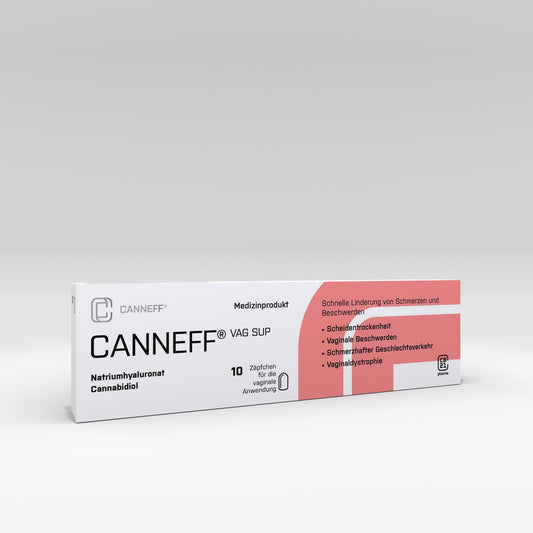
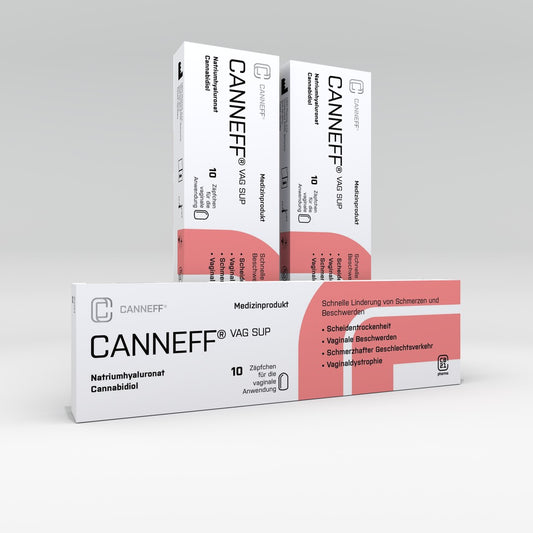
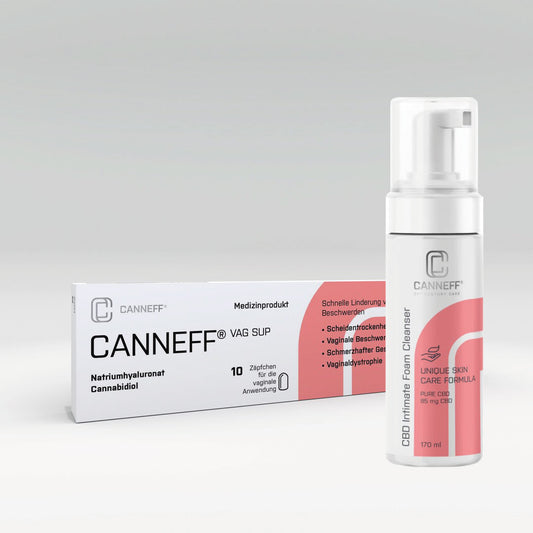
How can CANNEFF suppositories help with weight gain during menopause?
The menopause often comes with a range of physical and emotional changes that can contribute to unwanted weight gain. Factors such as inner restlessness, lack of sleep, and depressive moods play a significant role, as explained above. CANNEFF suppositories, developed based on cannabidiol (CBD) and hyaluronic acid, can support here alongside their primary effect on vaginal dryness and vaginal complaints, as studies have shown they can alleviate physiological symptoms of menopause (including nervousness and inner restlessness, depressive moods, hot flashes, joint complaints, and sleep disorders) and improve the quality of life for women in menopause.