

The phases of menopause
Menopause is a natural transitional phase in a woman's life that can be divided into different stages. These stages – premenopause, perimenopause, menopause, and postmenopause – are each characterized by specific hormonal changes and symptoms that affect the body and well-being. The typical features and most common complaints of these phases are explained in more detail below.
Premenopause
From the age of 40, the body begins to prepare for the end of the fertile phase by gradually reducing the production of the female hormones progesterone and estrogen. These hormonal changes affect the menstrual cycle, which can already show initial irregularities during this phase. Menstrual cycles often become longer, while the bleeding itself becomes shorter and less intense. However, longer-lasting or very heavy bleeding as well as more frequent spotting are also possible. At the same time, the supply of eggs in the ovaries slowly decreases, and the hormonal balance begins to shift.
Typical first signs of the beginning of menopause, the premenopause, include:
- Increased irritability and mood swings
- Tightness in the chest
- Water retention
- Weight Gain
- Joint Pain
- Migraine
- Thyroid problems
Perimenopause
Perimenopause refers to the phase one to two years before and up to one year after the last menstrual period. During this time, the intervals between periods become longer, the bleeding itself becomes lighter, and estrogen production gradually decreases until the ovaries eventually stop producing estrogen completely. This phase, which marks the actual "transition," is often characterized by an increase in symptoms that can be most intense during this time. For example, since estrogen is responsible for low blood pressure in many women, a drop in hormone levels can lead to high blood pressure.
The most common symptoms in perimenopause include:
- Rising hot flashes and sweating episodes
- Night sweats and sleep disturbances
- Inner restlessness and nervousness
- Severe fatigue and lack of drive
- Concentration difficulties
- Heart problems / Palpitations
- Dizziness and circulatory problems
- Depressive mood swings
- Dry skin and mucous membranes, often accompanied by itching
- Loss of libido
- Increased urge to urinate
Menopause
Menopause refers to the time of the last period and marks the beginning of infertility. On average, women are 51 years old at their last menstrual bleeding. However, the exact time of menopause can only be determined retrospectively when no menstruation has occurred for a year. This phase is hormonally characterized especially by a drop in estrogen levels.
Postmenopause
Postmenopause begins twelve months after the last menstrual period. In this phase, the hormonal balance in the female body settles at a new level, often leading to relief from typical symptoms such as hot flashes and sweating. Nevertheless, new symptoms can occur due to the low estrogen concentration, such as lack of drive or sleep disturbances. Many women also notice dryness of the mucous membranes and thinning hair. Additionally, wrinkle formation may increase.
A significant health issue in postmenopause is the decrease in bone density. Since the decline in estrogen production promotes bone loss, osteoporosis prevention by a gynecologist can be useful. Adequate supply of vitamin D and calcium is important in any case.
Back pain, often caused by a decrease in muscle strength, is another common problem. Therefore, it is advisable to strengthen the back muscles more during menopause. A balanced diet that provides the right nutrients also plays an important role in muscle building.
In postmenopause – most women are between 50 and 65 years old – susceptibility to diabetes and cardiovascular diseases also increases. Estrogen has a positive effect on the "good" HDL cholesterol, dilates blood vessels, and promotes circulation. Without this protective effect of estrogen, the risk for these diseases rises.
The transitions between the phases of menopause are fluid and vary individually. A resurgence of ovarian activity is not uncommon, causing individual phases to alternate multiple times. For some women, the hormonal adjustment lasts only a few months, while for others it continues over several years.
Symptoms of menopause
The hormonal changes during the menopause do not always come with complaints. While some women hardly notice the changes, others experience significant physical symptoms. Often, menopause is only recognized when menstruation completely stops. About one-third of women report severe complaints, another third moderate complaints, and the last third have little or no complaints. The frequency and duration of symptoms vary greatly and depend on various factors such as cultural influences, family and social environment, general health, and individual distress. Especially common are hot flashes and sweating episodes (vasomotor symptoms) during peri- and postmenopause and are considered the most important clinical parameters. However, the perception of these symptoms varies greatly: some women feel their quality of life is severely affected by pronounced symptoms, while others have only mild complaints. It is also possible that menopausal symptoms are not directly caused by hormonal changes but may also be influenced by other factors, such as relationship problems. Therefore, it is important to discuss any symptoms with a gynecologist. We explain which symptoms these are in detail in this blog post.
Cycle complaints
During the menopause, irregular menstrual bleeding can be a common problem. Normally, a menstrual cycle lasts 26 to 32 days with bleeding lasting two to seven days. Deviations from this normal pattern, which often occur during menopause, are referred to as cycle disorders.
A common cycle disorder in this phase is oligomenorrhea, where the cycle lasts 35 to 90 days and menstruation occurs less frequently. In contrast, polymenorrhea involves a shortened cycle duration, with bleeding occurring less than 25 days apart.
Hypomenorrhea describes a weakened menstrual bleeding with blood loss of less than 25 ml, often accompanied by a shortened cycle. In contrast, hypermenorrhea is characterized by a significantly increased blood loss of more than 80 ml during one cycle.
If the menstrual bleeding during menopause lasts longer than eight days up to two weeks, it is called menorrhagia, often accompanied by increased blood loss. Additional or irregular bleeding, known as metrorrhagia or menometrorrhagia, occurs outside the normal cycle and is unexpected.
The complete cessation of menstruation, often a definitive sign of menopause, is called amenorrhea, which can be either congenital (primary amenorrhea) or occur after previously regular menstruation (secondary amenorrhea).
Weight Gain
Many women notice changes in their body shape during menopause, especially an increase in the abdomen, waist, and breasts. These changes are mostly due to the body's decreasing energy expenditure with age.
Positive Effects of Moderate Weight Gain
Moderate weight gain can have positive effects during menopause. Fat tissue produces estrogens that can alleviate some menopausal symptoms. Therefore, a slight increase in body weight during this phase can be beneficial.
Risks of Severe Overweight
However, a significant weight gain should be avoided as it increases the risk of various health problems:
Type 2 Diabetes Mellitus:
Overweight is a significant risk factor for developing diabetes.
Hypertension:
Excess body weight can lead to high blood pressure.
Cardiovascular Diseases:
The risk of heart disease and strokes increases with increasing overweight.
Measures for Weight Control
Women can regulate their weight through targeted measures and thus promote their health:
Exercise and Sports:
Regular physical activity helps increase energy expenditure and control weight. Endurance sports such as running, swimming, or cycling, as well as strength training to build muscle, are recommended.
Balanced Diet:
A diet rich in fruits, vegetables, whole grains, and lean proteins supports weight control. Sugary and fatty foods should be avoided.
Conscious lifestyle:
In addition to diet and exercise, stress management and sufficient sleep can also help regulate weight and improve overall well-being.
These measures can help women during menopause not only control their weight but also improve their health and quality of life in the long term.
Hot flashes and heavy sweating
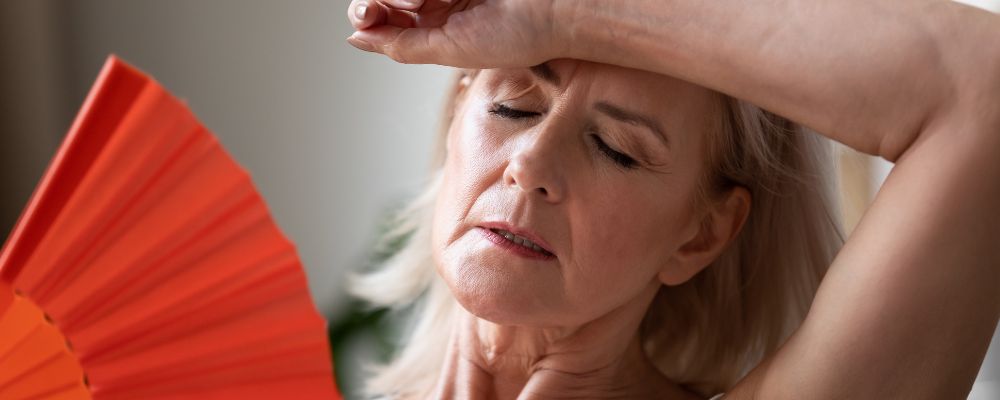
About every second woman reports hot flashes during the menopause, though not all find them bothersome. The exact causes are not yet fully understood. Hot flashes, also called "rising" or "flying" heat, are sensations of warmth usually limited to the upper body and often occur suddenly. They often start in the chest area and spread over the neck, face, and scalp, sometimes reaching the shoulders and arms. These warmth sensations usually last only a few seconds, rarely longer than five minutes.
Hot flashes can occur at irregular intervals, from several days to weeks. However, some women experience multiple episodes per hour or up to thirty times a day.
Sometimes hot flashes are associated with skin redness, ranging from small spots to larger areas. Often, a look in the mirror is needed to notice the redness.
Some hot flashes are accompanied by sweating, ranging from small droplets to heavy sweating that soaks hair, clothing, or bedding. Regardless, chills can occur after a hot flash.
Tips for dealing with hot flashes
Clothing:
The "onion or layering look" allows clothing to be quickly put on or taken off. Functional fibers, like those used in sportswear, absorb sweat better.
Aids:
A fan can provide cooling air, and a light scarf or shoulder wrap helps against chills.
Nighttime measures:
For night sweats, having towels or fresh bedding ready can help minimize sleep interruptions.
Cold compresses:
Running cold water over the wrists can help at the start of a hot flash.
Dietary changes:
Avoid black tea, cigarettes, coffee, spicy seasonings, and alcohol. Regular exercise and sports have a positive effect on the cardiovascular system and can help clear your mind. Relaxation exercises like yoga or meditation can also be helpful, especially if stress triggers hot flashes.
Medical support
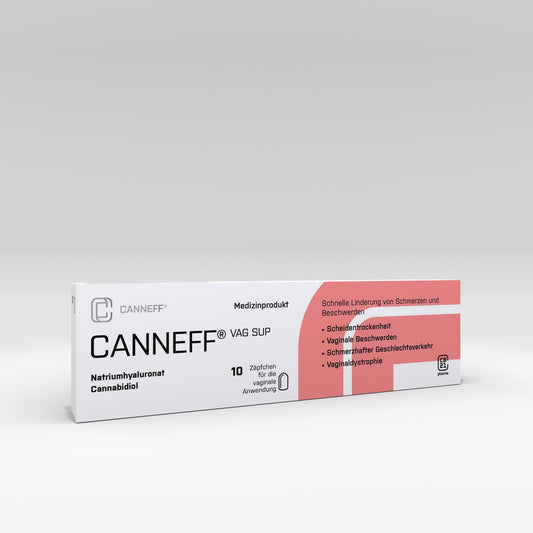
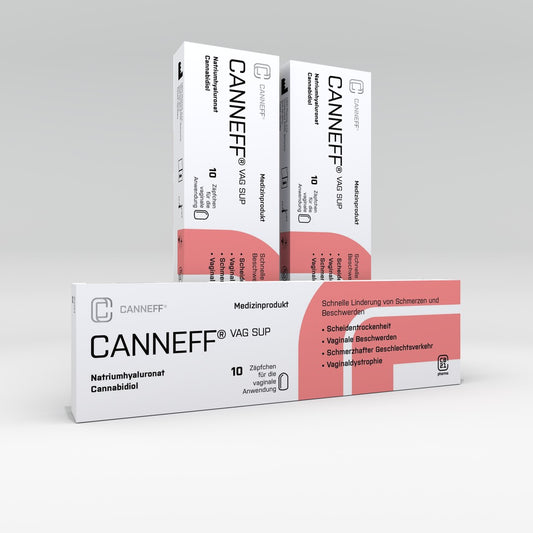
Women who suffer greatly from hot flashes or sweating should discuss with their doctor whether hormone or herbal preparations can help. Innovative medical products like CANNEFF VAG SUP CBD suppositories with hyaluronic acid have also shown positive effects on hot flashes in clinical studies.
Stay calm
It is important to take hot flashes as calmly as possible. If they become a taboo topic, the fear of the next hot flash can intensify them and trigger a vicious cycle.
Every woman must individually find out what helps her best in dealing with hot flashes.
Vaginal dryness
When estrogen production decreases, many women experience thinner, drier, and thus more sensitive mucous membranes in the genital area. This can lead to itching or pain. A too dry vagina can make sexual intercourse difficult and even painful.
For most women, even during menopause: sexual arousal and activity promote vaginal lubrication. If this sometimes takes a little longer than usual, appropriate lubricants or special products for vaginal dryness like CANNEFF CBD suppositories with hyaluronic acid can help. More details about vaginal dryness can be found in our blog post on vaginal dryness.
Heart palpitations and dizziness
Hot flashes are a common symptom during menopause and can be accompanied by various other symptoms. Some women experience intense heart palpitations or racing heart, while others report dizziness. When these symptoms occur only in connection with hot flashes, they are usually harmless.
Symptoms and their significance
Rapid heartbeat:
This can suddenly occur during a hot flash and quickly subside. It is often a normal reaction of the body to the sudden heat.
Feelings of dizziness:
Dizziness can also occur in connection with hot flashes and is usually temporary.
When medical help is necessary
If heart palpitations and dizziness occur independently of hot flashes, they should be medically evaluated. In these cases, it is important to consult a doctor to rule out other possible causes and determine if further examinations are necessary.
Tips for Managing Hot Flashes and Accompanying Symptoms
Cooling: At the onset of a hot flash, it can be helpful to run cold water over the wrists or go to a cool room.
Relax:
Relaxation techniques such as deep breathing exercises, yoga, or meditation can help calm heart palpitations and reduce dizziness.
Regular Exercise:
Physical activity can strengthen the cardiovascular system and reduce the frequency and intensity of hot flashes.
Balanced Diet:
A healthy diet supports the body and can help alleviate symptoms. Avoid alcohol, caffeine, and spicy foods that can worsen hot flashes.
Sleep Disorders
In general, sleep disorders occur more frequently with increasing age. During menopause, however, they are usually indirectly related to hormonal changes. The most common cause of falling or staying asleep difficulties during this time are sweating episodes, often accompanied by hot flashes.
The intensity of sweating episodes can vary. Often, it is enough to keep an absorbent towel handy next to the bed. In cases of very heavy sweating, it may be useful to prepare spare bedding to quickly change wet sheets and fall back asleep.
Strong heart palpitations, which some women notice during hot flashes, can also make falling or staying asleep difficult. Additionally, bladder weakness can disrupt restful sleep if frequent bathroom visits are necessary. For some women, thoughts about aging or worries about the future disturb their sleep.
A lifestyle change can often be helpful. Increased physical activity, such as an evening walk, can promote restful sleep. Bedtime rituals and natural remedies like valerian or hops can also support.

Mood Swings
Menopause is associated with hormonal changes that can also affect emotions. Additionally, other life circumstances often change during this phase, which can lead to frequent mood swings.
Impact of Life Changes
The physical changes during menopause sometimes coincide with general life changes, such as in relationships, family, or work. These challenges can feel so overwhelming that feelings like anger, rage, anxiety, and worry arise. Those who experience the signs of aging as a loss or limitation or worry about their own attractiveness may develop feelings of dissatisfaction, irritability, disappointment, and sadness.
Depression during menopause
Depression occurs during menopause just as frequently as in other life stages. However, women who have experienced depression before have an increased risk of recurrence. Mild mood swings can often be balanced with herbal remedies such as St. John's Wort. Depression should be taken seriously and treated with the support of general practitioners, specialists, or psychotherapists. Hormone treatments are not effective for depression but can be useful for improving sleep caused by hot flashes. CANNEFF CBD suppositories have shown an improvement in the quality of life of participants in clinical studies, including a reduction in depression.
Opportunities and potentials
Menopause can also be used as an opportunity to promote positive changes in your own life:
Use this phase of change to reflect more on yourself: Use this time to get to know yourself anew and focus on your personal needs and desires. This phase offers the opportunity to develop inner strength and reflect on what truly matters to you.
Pay more attention to your own well-being: Focus more on your physical and mental health. Regular exercise, a balanced diet, and sufficient sleep are especially important now. Treat yourself to regular times of relaxation and recovery to reduce stress and enhance your well-being.
Develop new plans and see not only risks but also potentials in the changes: View menopause as an opportunity to take new paths and continue developing yourself. Consider which dreams and goals you still want to achieve, and make concrete plans to reach them. See the changes as a chance to discover new things and improve your quality of life.
By following these approaches, menopause can become an enriching and positive phase in your life.
Urinary incontinence
Women in menopause occasionally report increasing urinary incontinence. However, the causes of incontinence (dribbling urine, involuntary urine loss during physical exertion, sometimes even when laughing, sneezing, or coughing) or an overactive bladder (sudden, strong urge to urinate with little bladder filling) are rarely due to hormonal changes.
Estrogen deficiency during menopause causes the mucous membranes – including those in the bladder and urinary tract – to become thinner and more sensitive. This makes them less protected against infections. Additionally, lack of estrogen weakens connective tissue, the sphincter muscle, and the pelvic floor muscles.
An estrogen-containing cream can help improve urinary incontinence and protect against recurring bladder infections. Systemic hormone therapy, such as taking hormone tablets or using hormone patches, can, however, worsen incontinence.
The main causes of bladder problems are age-related changes in the pelvic floor as well as prolapse of the bladder and uterus. These problems mainly, but not exclusively, affect women who have given birth.
The best remedy for pelvic floor problems is specialized pelvic floor training, which doctors can provide information about. In cases of severe urinary incontinence, surgical lifting of the bladder and urethra can also be helpful.

Loss of libido
Studies show that sexual intimacy holds great importance for many women in relationships. Therefore, loss of libido during menopause can be very distressing. Various causes contribute to this phenomenon.
Causes of loss of libido
Hormonal changes: As age increases and sex hormones decline, libido often decreases as well. This manifests as reduced sexual arousal and desire. The intensity and duration of sexual stimulation and orgasm can also change.
Psychological factors:
Changes in the skin and weight or the onset of depression can negatively affect self-image. When women feel less attractive during menopause, this can lead to reduced emotional interest in sex.
Physical Complaints:
Vaginal dryness is a common problem during menopause. Pain during intercourse can lead to decreased sexual desire.
Impact on the Relationship
These physical and psychological changes can heavily strain the sexual relationship. Open communication with the partner and professional counseling can help find ways to cope with these changes.
Solutions and Support
Locally applied estrogens: These can help relieve vaginal dryness and thereby reduce pain during intercourse.
Lubricants:
Using lubricants or special medical products such as CANNEFF CBD suppositories with hyaluronic acid can increase comfort during intercourse.
Therapy and Counseling:
Psychological support and couples therapy can help improve self-image and overcome emotional barriers.
With the right measures and support, many women can maintain their sexual health and intimacy even during menopause.
Joint Pain
From the age of 35, muscle mass in women decreases unless counteracted by regular physical activity. This process intensifies with age, often leading to joint complaints throughout the body, especially back pain.
Additionally, estrogen deficiency causes reduced blood flow to muscles and joints as well as decreased collagen production. This leads to thinning of the joint cartilage and a reduction in joint fluid, resulting in movement-related pain.
The drop in estrogen levels also affects the release of endorphins, which are important for pain regulation in the body. This lowers the pain threshold and increases pain sensitivity, making daily life more difficult for many women during menopause.
Hair & Skin Problems
Due to the decline in estrogen during menopause, male hormones can have a stronger effect in women. This leads to changes typically observed in men. For example, scalp hair becomes thinner and less dense, while hair growth increases in areas such as the upper lip, chin, or chest (hirsutism).
Under normal circumstances, estrogens stimulate hair growth, but altered hormone production can cause hair loss. Losing hair daily is a natural process (about 100 hairs per day), as each hair goes through a cycle of growth phase (2–6 years, growth about 10 mm per month), transition phase (1–2 weeks), and shedding phase (about 100 days). However, if an above-average number of hair follicles are simultaneously in the shedding phase, this leads to increased hair loss (diffuse hair loss or telogen effluvium).
Hormonal changes during menopause are a common cause of diffuse hair loss, which usually ends on its own after about six months. Therefore, it is important to keep hormone levels stable in the long term to minimize hair loss.
Osteoporosis
A serious condition whose risk increases after the menopause is osteoporosis. Due to estrogen deficiency, the daily bone formation and resorption can be impaired, making bones less stable and more prone to fractures. Diagnosing osteoporosis always includes a medical history with family predisposition, the use of certain medications such as long-term cortisone, or the presence of certain diseases. Through exercise, targeted isometric exercises, and medication therapy, the bone system can be stabilized.
About 30 percent of all postmenopausal women suffer from osteoporosis. On average, half of them experience a bone fracture. Typical signs also include a decrease in height and permanent curvature of a section of the spine, which often becomes visible in old age as a hump in the upper back.
From the age of 35, women lose bone mass at a rate of 0.3 to 0.5% per year. In postmenopause, this loss is initially 3 to 5%, then later 1 to 2% per year. Less commonly, women experience a bone mass loss of 3 to 6% annually in the first 5 to 10 years after menopause.
Bleeding
Most women notice irregularities in their menstrual cycle starting in their mid-40s. Typically, periods first occur at shorter intervals, then at longer intervals. The intensity of bleeding can also vary; light spotting and breakthrough bleeding become more common. It can also happen that menstruation stops for several months and then resumes for a time.
Bleeding, bloody discharge, or spotting after menopause, the last menstrual period, should always be taken seriously and medically evaluated, as they may indicate other conditions.

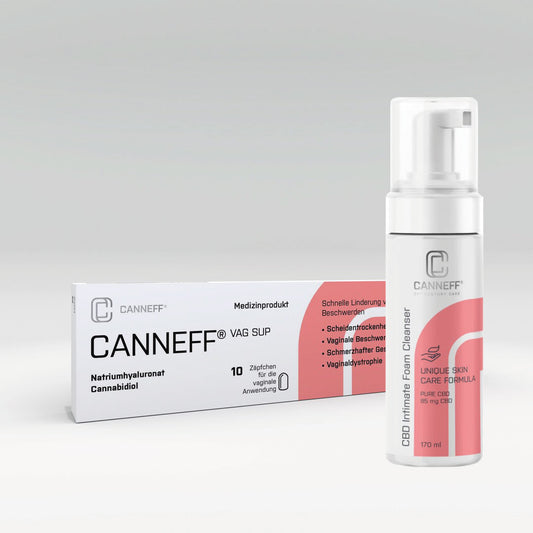
CANNEFF CBD suppositories with hyaluronic acid for menopausal symptoms.
A comprehensive study of CANNEFF VAG SUP CBD suppositories for relieving menopausal symptoms included a pilot study and a subsequent clinical trial. The pilot study involved 30 women with an average age of 64.4 years who suffered from menopausal and postmenopausal symptoms as well as sexual problems. Over a period of 30 days, the participants used the CANNEFF VAG SUP CBD suppositories daily. The effects were measured using the Menopause Rating Scale (MRS) and the Manchester Short Assessment of Quality of Life (MANSA) scale, as well as blood tests to check hormone levels and the CA-125 marker. The results of the pilot study were promising. After 30 days, the women reported a significant reduction in menopausal symptoms, especially hot flashes, sleep disturbances, memory problems, and joint pain, inner restlessness and nervousness. These improvements were confirmed by the MRS scores. Additionally, there was a moderate increase in quality of life, measured by the MANSA scores. The participants reported better psychosocial functioning, increased self-confidence, and reduced psychological symptoms. The clinical study that followed the pilot was interventional, placebo-controlled, and double-blind. It included 50 menopausal women divided into two groups: one group received CANNEFF VAG SUP CBD suppositories, the other a placebo. The treatment also lasted 30 days, and the effects were again evaluated using the MRS and MANSA scales as well as blood tests.
The results of the clinical study confirmed the positive effects of the pilot study. In the group using the CANNEFF suppositories, there was a significant reduction in symptoms. Hot flashes, sleep disturbances, depression, memory problems, and joint complaints were significantly reduced, reflected in a marked decrease in MRS scores. Additionally, a moderate improvement in quality of life was observed, with enhanced psychosocial functioning and reduced psychological stress, as shown by higher MANSA scores. In contrast, the placebo group showed no significant changes in symptoms. The MRS scores remained largely unchanged, and the small but statistically significant improvement in quality of life was mainly attributed to the placebo effect.