

Why do vaginal inflammations occur more frequently during menopause?
At the onset of menopause, the hormonal balance in the female body changes fundamentally. The decline in estrogen also affects the vaginal tissue, which becomes increasingly thinner, drier, and less well supplied with blood. These changes lead to a decrease in the natural protective mechanisms of the vagina. The acidic vaginal environment, maintained by lactic acid bacteria, loses stability – pathogenic germs can settle more easily. Additionally, the elasticity of the mucous membrane decreases, which promotes micro-injuries. Combined with a reduced local immune defense, this explains why vaginal inflammations occur significantly more often in postmenopause.
What role does estrogen deficiency play in colpitis?
Estrogen is the central hormone for maintaining vaginal health. It promotes blood circulation, ensures a dense, stable mucous membrane layer, and increases sugar production in the cells, providing sufficient nourishment for lactic acid bacteria. In estrogen deficiency – as occurs during menopause or after surgical removal of the ovaries – the tissue shrinks, and the mucous membrane becomes more susceptible to irritation, infections, and inflammation. This form of colpitis is medically known as atrophic colpitis or Senile colpitis referred to. The mucous membrane is not primarily infected but is inflamed and irritated due to its structural degeneration.
What helps with atrophic colpitis during menopause?
In atrophic colpitis, caring, moisturizing, and regenerating measures are the focus. In basic therapy, locally acting estrogens are used, usually in the form of creams, vaginal tablets, or suppositories. These preparations improve the mucous membrane structure and promote the regeneration of lactobacilli. For women who want or need to avoid hormones, hormone-free alternatives such as hyaluronic acid suppositories, plant-based preparations with phytoestrogens or Suppositories with cannabidiol (CBD) and hyaluronic acid useful. Especially in long-term care, combinations of moisturizing and anti-inflammatory ingredients prove effective.
|
Therapy type |
Effect |
Suitable for |
|
Local estrogens |
Mucous membrane restoration, pH stabilization |
Severe atrophic colpitis |
|
Anti-inflammatory, moisturizing, regeneration |
Mild to moderate symptoms |
|
|
Lactic acid preparations |
Flora restoration, pH reduction |
Prevention and aftercare |
|
phytoestrogens |
Mild hormone replacement, mucous membrane support |
Hormone replacement alternative |
|
Probiotics (vaginal/oral) |
Microbiome stabilization |
Relapse prevention after antibiotics |
How do symptoms during menopause differ from normal infections?
The symptoms of colpitis during menopause often differ from classic signs of infection. While bacterial or fungal infections typically involve itching, altered discharge, or an unpleasant odor, women affected by atrophic colpitis more often complain of dry mucous membranes, burning sensation, pain during intercourse and a Sensation of a foreign body. The discharge is usually minimal, not purulent, but clear to whitish. These nonspecific symptoms make diagnosis difficult and often lead to late treatment – although early therapy can significantly improve quality of life.
What hormone-free therapies are available for vaginal inflammation during menopause?
For women who do not want or cannot tolerate hormone therapy, effective hormone-free options are now available. These include hyaluronic acid suppositoriesthat moisturize the mucous membrane and promote healing, as well as products with plant-based ingredients like chamomile, calendula, or evening primrose oil. Especially valuable are CANNEFF®Suppositories with Cannabidiol (CBD), which have anti-inflammatory, soothing, and antioxidant effects. Additionally, they can Lactic acid preparations help stabilize the vaginal environment and build up the vaginal flora. A personalized combination of these approaches can effectively relieve symptoms—completely without synthetic hormones.
Can CANNEFF® suppositories with CBD and hyaluronic acid provide relief?
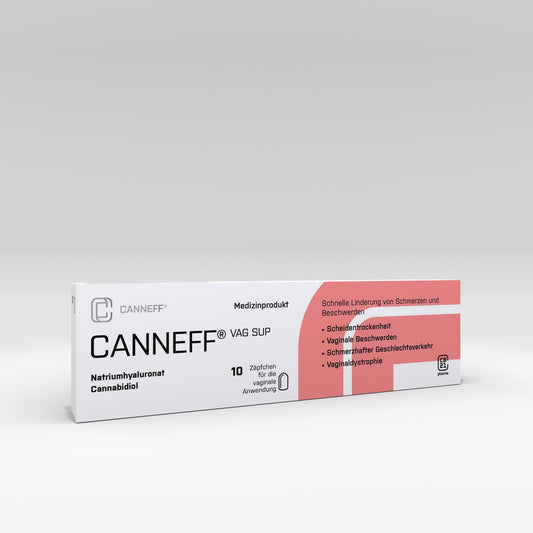
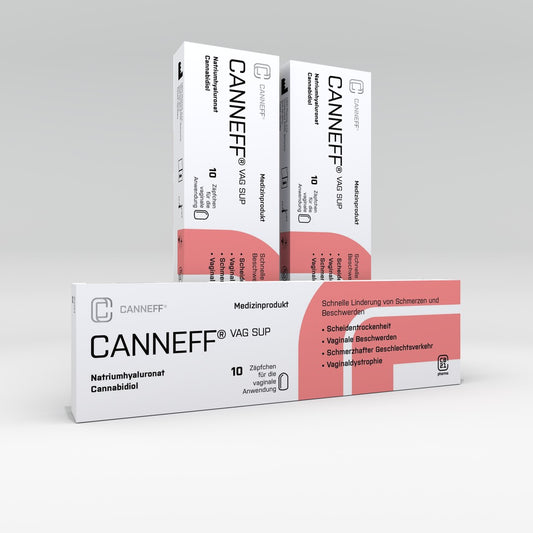
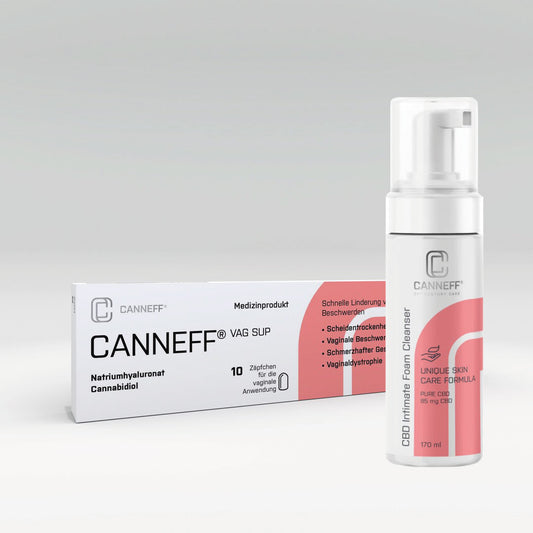
CANNEFF® vaginal suppositories with CBD and hyaluronic acid represent an innovative, plant-based option for relieving vaginal discomfort during menopause. CANNEFF® has anti-inflammatory, antioxidant, and anti-itch properties. CANNEFF® ensures that the mucous membranes are intensely moisturized and supports their regeneration. Especially with atrophic colpitis, mucosal irritations, pain during sex, or after infections, CANNEFF® suppositories can sustainably improve vaginal health. The plant-based formula without hormones also makes them suitable for women who do not want or cannot tolerate systemic hormone therapy. Their use is especially recommended for chronic irritation or as long-term care. Furthermore, clinical studies with menopausal women have shown that daily use of CANNEFF® vaginal suppositories can relieve additional physiological symptoms of menopause. These include hot flashes, sleep disturbances, joint pain, inner restlessness, and depressive moods.
How can the vaginal flora be sustainably stabilized during menopause?
Sustainable stabilization of the vaginal flora during menopause is based on three principles: moisture supply, building the lactobacillus flora, and protecting the mucous membrane. Suitable for this are lactic acid suppositories, probiotic vaginal preparations as well as regular applications of Hyaluronic acid and CBD. A targeted diet with prebiotic fibers, low sugar, and sufficient omega-3 fatty acids can also positively influence the microbiome. Physical activity, stress reduction, and good intimate hygiene without irritating products are also important. Close cooperation with the gynecologist helps develop an individually suitable strategy for long-term stabilization.
What risks exist with untreated colpitis after menopause?
Untreated colpitis during and after menopause can have far-reaching consequences. The dry, vulnerable mucous membrane is prone to tears, infections, and chronic irritations. As a result of constant inflammatory processes, it can lead to scarring, vaginal narrowing and pain during intercourse occur. The risk for ascending urinary tract infections increases significantly as the anatomical barriers are weakened. In rare cases, chronic irritation promotes the development of precancerous changes. To avoid these complications, early treatment of atrophic colpitis is very important—even if only mild symptoms initially appear.
Which herbal remedies help with estrogen deficiency in the intimate area?
For hormonally caused vaginal dryness and mucosal atrophy, offer herbal remedies provide gentle support. Especially phytoestrogens from red clover, soy, or black cohosh can have mild estrogen-like effects and positively influence the mucosal structure. Also, calendula, evening primrose oil and chamomile are used in intimate care products because they have soothing, anti-inflammatory, and wound-healing properties. Herbal suppositories like CANNEFF® combine these effects with modern active ingredients such as CBD and hyaluronic acid, which work without hormonal effects but specifically support regeneration. These options are especially suitable for women who cannot or do not want to undergo classic hormone therapy.
When is hormone therapy useful for vaginal inflammation?
Local hormone therapy with estrogen is advisable when atrophic colpitis has been diagnosed, causing significant discomfort and when hormone-free measures alone are insufficient. Vaginal application carries low risk as it has minimal systemic effects. After just a few weeks, the mucosal structure, blood circulation, and pH levels improve significantly. Especially with recurring urinary tract infections, severe dryness, or pain during intercourse, hormone therapy can greatly improve quality of life. However, contraindications such as breast cancer or thrombosis risk must always be individually assessed. Combining hormone therapy with non-hormonal care products is also possible and advisable for long-term care.