

What are the main causes of prostatitis?
The causes of prostatitis vary depending on the form of the disease.
Acute bacterial prostatitis
Acute bacterial prostatitis is caused by a bacterial infection. Common triggers are:
Gut bacteria: Especially Escherichia coli, which ascend from the urinary tract or intestines to the prostate.
Urinary tract infections: Bacteria reach the prostate via the urethra.
Catheterization or interventions: Bladder catheters or medical procedures can introduce germs.
Chronic bacterial prostatitis
This form of prostatitis usually develops from an incompletely healed acute infection. Bacteria can persist in the prostate and cause recurring symptoms.
Chronic abacterial prostatitis (CPPS)
The exact cause of CPPS is unclear. Discussed triggers include:
Muscle tension: Tension in the pelvic floor area can lead to chronic pain.
Nerve irritation: Irritation of the nerves supplying the prostate plays a role.
Autoimmune reactions: Misguided immune responses can lead to inflammation.
Psychological factors: Stress and anxiety can worsen symptoms.
Asymptomatic prostatitis
This form of prostatitis usually goes unnoticed and is diagnosed incidentally, for example through elevated PSA levels or during infertility examinations.
Which bacteria cause prostatitis?
In bacterial prostatitis – both acute and chronic forms – certain bacteria are the main triggers. They usually reach the prostate via the urethra or bloodstream. The most common pathogens include:
|
Type of bacteria |
Occurrence/Origin |
|
Escherichia coli (E. coli) |
The most common pathogen originates from the intestinal tract. |
|
Klebsiella |
Gut bacteria that occur in urinary tract infections. |
|
Proteus |
Bacteria from the gastrointestinal tract. |
|
Enterococci |
Part of the normal gut flora, problematic in immunodeficiency. |
|
Pseudomonas aeruginosa |
Common in catheters or hospitalized patients. |
|
Staphylococci |
Especially Staphylococcus aureus, according to Operations or skin infections. |
|
Chlamydia |
Sexually transmitted bacteria that cause inflammation. |
|
Mycoplasmas and Ureaplasmas |
Sexually transmitted pathogens, atypical infections. |
How do bacteria enter the prostate?
Ascending infections: Bacteria from the urethra or bladder migrate into the prostate.
Bloodstream: Bacteria from other infection sites reach the prostate via the bloodstream.
Direct inoculation: During medical procedures such as catheterization or prostate biopsies.
Backflow of infected urine: Infected urine flows back into the prostate ducts and causes inflammation.
How does chronic abacterial prostatitis (CPPS) develop?
Chronic abacterial prostatitis, also known as chronic pelvic pain syndrome (CPPS), is the most common form of prostatitis. Unlike bacterial forms, no pathogens are detectable here. The exact cause of CPPS is not yet clearly understood, but several factors play a role in its development.
|
Cause/factor |
Explanation |
|
Muscle tension |
Chronic tension of the pelvic floor muscles can cause pain and stiffness. |
|
Nerve irritation |
Irritation of nerve pathways in the pelvic area can lead to persistent pain. |
|
Autoimmune reactions |
The immune system mistakenly reacts to the body's own tissue, causing inflammatory processes. |
|
Urine reflux |
Backflow of urine into the prostate ducts can cause chemical irritation and trigger pain. |
|
Hormonal disorders |
Hormonal imbalances can contribute to inflammatory reactions and symptoms. |
|
Psychosomatic factors |
Stress, anxiety, or depression worsen symptoms and increase muscle tension. |
|
Unrecognized infections |
Atypical pathogens such as chlamydia or mycoplasma can rarely trigger symptoms. |
Mechanisms of pain development
Tension and trigger points: Chronic muscle tension in the pelvic floor causes Myofascial pain, radiating to the perineum, groin, and lower abdominal region.
Neuropathic irritation: Overstimulated nerve fibers lead to persistent pain, which often worsens with physical exertion or sitting.
Inflammatory processes: Although no bacteria are detectable, inflammatory cells or chemical irritants (e.g., uric acid) can irritate the prostate and surrounding tissues.
Symptom relief with CANNEFF® SUP
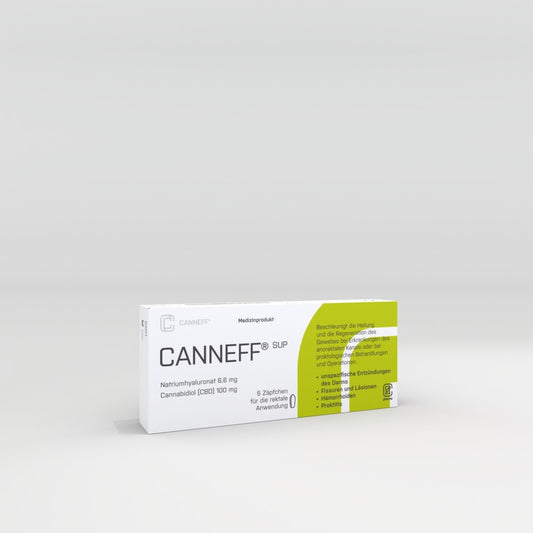
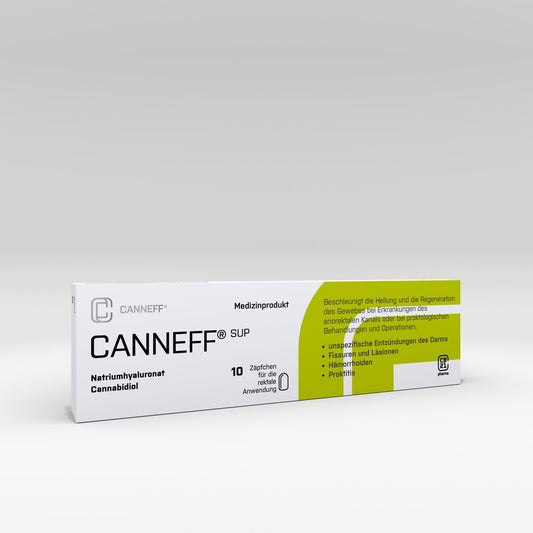
In chronic abacterial prostatitis, CANNEFF® SUP suppositories can relieve symptoms. The combination of CBD and hyaluronic acid works:
anti-inflammatory: Reduces local inflammation in the rectum, the rectal area, and adjacent tissue (e.g., the prostate).
pain-relieving: Soothes irritated nerves and mucous membranes.
muscle-relaxing: Relieves tension in the pelvic floor area, which is often the main cause of the complaints.
CPPS symptoms often overlap with conditions such as afterburning, anal fissures, or bladder infections. Thorough medical evaluation is therefore important to rule out other causes. Read more here about the symptoms of prostatitis and about diagnosis and the doctor’s visit for prostatitis.
Can urinary tract infections lead to prostatitis?
Yes, urinary tract infections (UTIs) can lead to prostatitis, especially acute bacterial prostatitis. The bacteria causing a UTI can ascend through the urethra and reach the prostate. There they cause infection and inflammation.
How does prostatitis develop from urinary tract infections?
Ascending infection: Bacteria such as Escherichia coli or enterococci, common pathogens of UTIs, migrate through the urethra into the prostate.
Reflux of infected urine: In bladder emptying disorders, infected urine can flow back into the prostate ducts. This irritates the tissue and promotes infection.
Residual urine formation: Incomplete bladder emptying (e.g., with an enlarged prostate) creates ideal conditions for bacterial growth.
|
Factor |
Explanation |
|
Urinary retention |
Urine retention increases the risk of infection. |
|
Urinary catheter |
Facilitates the entry of bacteria into the urinary tract and prostate. |
|
Weakened immune system |
Increases susceptibility to infections. |
|
Sexually transmitted infections |
Chlamydia or gonococci can infect the urinary tract and prostate. |
|
Prostate hyperplasia (BPH) |
An enlarged prostate promotes residual urine formation and UTIs. |
Symptoms of prostatitis caused by urinary tract infections
Burning during urination (dysuria)
Frequent urge to urinate with small amounts of urine
Pain in the perineum, lower abdomen, or back area
Fever and chills (for acute bacterial prostatitis)
Treatment and complementary measures
Antibiotic therapy: In bacterial prostatitis, antibiotics such as fluoroquinolones or cotrimoxazole are the treatment of choice.
Supportive therapies: Painkillers, alpha blockers, and heat treatments relieve symptoms.
CANNEFF® SUP suppositories: In chronic abacterial prostatitis (CPPS), these suppositories can additionally relieve symptoms as they act locally anti-inflammatory and soothe the mucous membranes. Read more here about the treatment of prostatitis with suppositories.
Untreated urinary tract infections not only increase the risk of prostatitis but can also lead to further complications such as bladder infections, anal fissures, or anal burning. Early treatment is crucial. Read more here about the treatment of prostatitis.
What role does the immune system play in the development of prostatitis?
The immune system plays a crucial role in the development and course of prostatitis. In bacterial prostatitis, the immune system reacts to invading pathogens such as E. coli or enterococci with an inflammatory response to fight the infection. In this process, inflammatory mediators are released, causing symptoms like pain and swelling.
In chronic abacterial prostatitis (CPPS), however, the immune system appears to be misregulated. Experts suspect that an excessive immune response or autoimmune processes trigger inflammation of the prostate without detectable pathogens. Stress or chronic irritation of the pelvic floor can further amplify the immune response.
A weakened immune system (e.g., due to diabetes or chronic stress) increases the risk of infections and inflammation. In CPPS, anti-inflammatory measures such as CANNEFF® SUP suppositories can alleviate symptoms by soothing the tissue and reducing local immune reactions.
Is prostatitis a result of stress or psychological burdens?
Yes, stress and psychological burdens can play a role in the development and course of prostatitis, especially chronic abacterial prostatitis (CPPS). Stress often leads to tense pelvic floor muscles, which can impair blood flow and increase pain in the pelvic area. Furthermore, stress affects the immune system, increasing susceptibility to inflammatory reactions.
Psychological factors such as anxiety or depressive moods can intensify the perception of pain and increase suffering. Therefore, stress reduction and psychotherapeutic measures like cognitive behavioral therapy are important parts of treatment. Additionally, CANNEFF® SUP suppositories, which have anti-inflammatory and regenerative effects, can help relieve symptoms and improve quality of life. Read more here about the treatment of prostatitis.
How do urinary catheters and medical procedures affect the prostate?
Urinary catheters and medical procedures, such as a prostate biopsy or urethral instrumentation, can irritate the prostate and cause micro-injuries. This promotes the entry of bacteria into the prostate ducts and can trigger acute bacterial prostatitis. Additionally, catheters increase the risk of urinary tract infections, which can spread to the prostate. Careful hygiene and targeted use of catheters are therefore essential to prevent infections.
Are there genetic risk factors for prostatitis?
Genetic risk factors for prostatitis have not yet been clearly established, but studies suggest that hereditary predispositions may play a role. Men with a family history of prostate diseases or inflammatory conditions may have an increased risk of developing prostatitis. Additionally, genetic variations that affect the immune system or inflammatory response could increase susceptibility to chronic forms such as chronic abacterial prostatitis (CPPS). Read more here about various measures for preventing prostatitis.