

What causes swelling in marisca?
Swelling in marisca usually occurs due to irritation, inflammation, or mechanical stress. The most common causes are:
Mechanical irritation
Pressure and friction: Tight clothing, prolonged sitting, or strong straining during bowel movements can irritate the sensitive skin folds and cause swelling.
Excessive hygiene: Excessive wiping or harsh cleaning agents strain the skin and promote swelling.
Inflammation
Accumulation of moisture: A moist, warm environment between skin folds promotes the growth of bacteria or fungi, which can lead to inflammation and subsequent swelling.
Infections: Micro-injuries caused by mechanical stress can be entry points for germs that trigger inflammation and swelling.
Circulatory disorders
Increased pressure in the anal area: Chronic constipation or excessive straining leads to increased blood accumulation in the anal area, which can cause the marisca to swell.
Swelling in marisca usually results from friction, inflammation, or pressure. Careful hygiene, gentle cleaning, and avoiding irritations can help reduce swelling. If swelling persists, a medical examination is advisable.
What does a swollen marisca feel like?
A swollen marisca often feels tight and firmer than usual, whereas it is normally soft and elastic. The swelling may be accompanied by an uncomfortable feeling of pressure, especially when there is friction or mechanical stress, such as from prolonged sitting or tight clothing. In some cases, the swollen marisca can be sensitive or even painful to the touch, particularly if inflammation is present. Those affected often describe a feeling of tension or slight warmth in the affected area. The swelling can also be associated with other symptoms of marisca such as itching, burning, or redness. Overall, the sensation strongly depends on the cause of the swelling—whether it was triggered by mechanical irritation, an infection, or another inflammatory reaction.
Can swelling in marisken go away on its own?
Yes, swelling in marisken can often subside on its own, especially if caused by temporary irritations or mechanical stress such as strong straining or friction. Once the triggering factors are reduced, for example by avoiding excessive hygiene or tight clothing, the swelling can often decrease within a few days. Supportive measures include lukewarm sitz baths with chamomile or oak bark, which have anti-inflammatory and soothing effects on the skin.
In cases of swelling caused by mild inflammation, the body can usually promote healing on its own as long as no further irritants occur. However, if the swelling persists, worsens, or is accompanied by additional symptoms of marisken such as severe pain, redness, or oozing, medical advice should be sought. Such cases may indicate an infection or other complications that require targeted treatment. Read more about the treatment of marisken.
Are swollen marisken a sign of inflammation?
Yes, swollen marisken can be a sign of inflammation. Typical symptoms of marisken include pain, redness, itching, or oozing. If these signs occur or the swelling persists, medical evaluation should be sought to rule out infection or other causes. Read more here about the causes of marisken.
Which factors worsen the swelling of skin tags?
Mechanical stimuli such as tight clothing, prolonged sitting, or vigorous wiping can strain the sensitive skin in the anal area and worsen the swelling of skin tags. Excessive straining during bowel movements, often caused by constipation, also increases pressure and promotes blood flow to the affected skin folds, leading to swelling.
|
Factor |
Description |
|
Mechanical irritation |
Tight clothing, prolonged sitting, or vigorous wiping strain the skin folds. |
|
Excessive straining |
Strong pressure during bowel movements due to constipation increases blood flow. |
|
Inflammation |
Infections or moist-warm environments promote swelling and irritation. |
|
Excessive hygiene |
Aggressive wiping or harsh cleaning agents irritate the sensitive skin. |
|
Moisture |
Sweat or remaining stool residues promote swelling and irritation. |
|
Fiber deficiency |
Hard stools caused by insufficient fiber strain the anal area. |
Additionally, moist-warm conditions caused by sweat or residual stool, as well as inflammation and infections, promote swelling. Excessive hygiene, such as vigorous rubbing or using harsh cleaning agents, can further irritate the skin. A low-fiber diet also contributes by promoting hard stools, which put more strain on the anal area. Avoiding mechanical stress, gentle hygiene, and a high-fiber diet are essential to prevent swelling of skin tags. Read more here about the causes of skin tags.
How can swollen skin tags be treated?
The treatment of swollen skin tags depends on the cause and severity of the symptoms. In most cases, conservative measures are sufficient to reduce swelling and improve the symptoms of skin tags.
|
Treatment method |
Effect |
|
Sitz baths |
Warm water with chamomile or oak bark has anti-inflammatory effects and soothes the skin. |
|
Gentle anal hygiene |
Cleaning with lukewarm water without harsh soaps reduces irritation. |
|
Cooling |
Cold packs or moist compresses relieve swelling and reduce inflammation. |
|
Anti-inflammatory Ointments |
Special creams soothe irritated skin and promote healing. |
|
Fiber-rich Diet |
Helps soften stool to reduce mechanical strain on the anal region. |
|
Painkillers |
Ibuprofen or paracetamol can relieve pain and inflammation. |
|
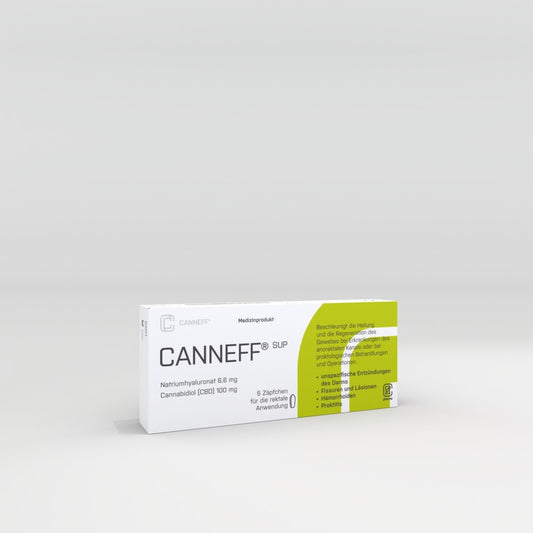
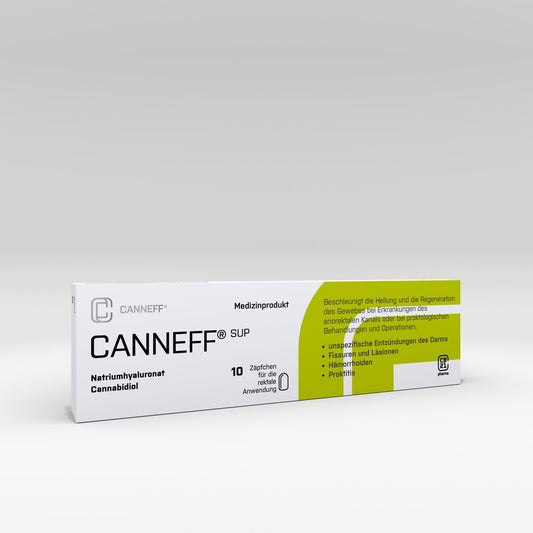
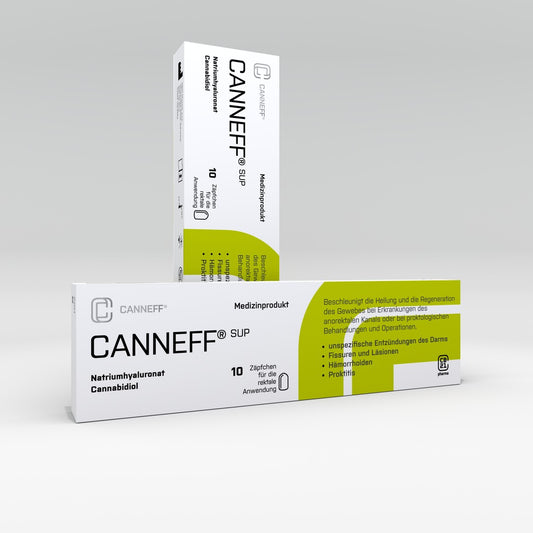
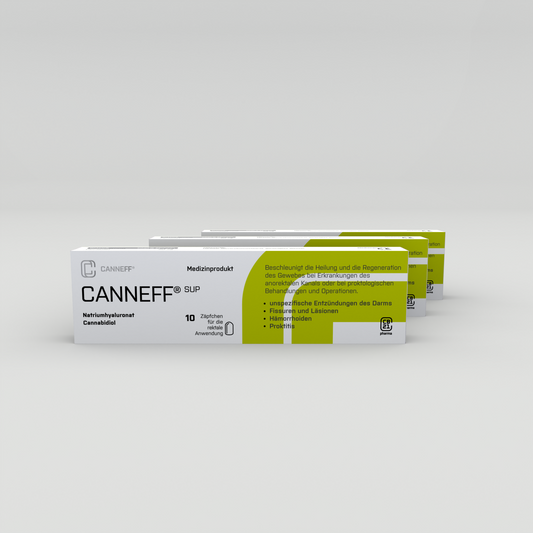
CANNEFF® SUP Rectal Suppositories |
CANNEFF® SUP suppositories promote tissue healing and regeneration with CBD and hyaluronic acid. |
Conservative Measures
Sitz baths with anti-inflammatory additives such as chamomile or oak bark promote blood circulation and relieve irritation.
Gentle cleansing of the anal area with clear water or mild cleansers reduces the risk of further irritation.
Cooling helps minimize swelling and relieve itching.
Anti-inflammatory ointments and creams soothe the skin and promote regeneration.
Nutrition and Lifestyle
A fiber-rich diet combined with sufficient fluids helps keep stool soft and thus reduces strain on the anal area. Avoid straining during bowel movements. Read more here about alternative therapy approaches for skin tags, or about all options within the herbal treatment of skin tags.
Treatment with CANNEFF® SUP Suppositories
The CANNEFF® SUP rectal suppositories are an innovative treatment option to support the healing of swollen or inflamed skin tags. The suppositories act locally in the affected area, reducing swelling, relieving pain, and promoting mucous membrane moisture. The special emulsion matrix with hyaluronic acid and CBD (cannabidiol) ensures effective and long-lasting release of the active ingredients. Read more here about treatment of skin tags with suppositories.
When is a doctor’s visit necessary?
If the swelling persists despite treatment, is accompanied by severe pain or bleeding, or if symptoms of skin tags such as oozing or pus occur, medical evaluation should be sought. In severe cases, surgical removal of the skin tags, a skin tag surgery, may be necessary. Read more here about the treatment of skin tags.
When should a swollen skin tag be examined by a doctor?
A swollen skin tag should be examined by a doctor if it causes persistent pain, severe swelling, bleeding, oozing, or pus. A doctor’s visit is also advisable if the swelling does not subside despite conservative measures or if other symptoms such as fever or itching occur, which could indicate an infection or complications.
Can sitz baths reduce swelling in skin tags?
Yes, sitz baths can reduce swelling in skin tags. Warm sitz baths with anti-inflammatory additives like chamomile or oak bark soothe the skin, promote blood circulation, and effectively relieve irritation and swelling. Read more here about alternative therapy approaches for skin tags, or about all options within the scope of herbal treatment of skin tags.
How does a swollen skin tag differ from hemorrhoids?
Swollen marisks are skin changes, whereas hemorrhoids consist of vascular cushions. Hemorrhoids more often cause bleeding and pain, while marisks are usually painless and do not cause bleeding without mechanical irritation.
|
Characteristic |
Swollen marisk |
Hemorrhoids |
|
Origin |
Skin folds of excess tissue |
Enlarged, well-perfused vascular cushions in the anal canal |
|
Swelling |
Soft, swollen due to irritation or inflammation |
Swells when straining, as vessels fill with blood |
|
Pain |
Usually painless, except with inflammation or irritation |
Can cause severe pain, especially with thrombosis |
|
Bleeding |
Rare, caused by friction or mechanical stress. Read more here about bleeding with marisks. |
Common, bright red blood after bowel movements |
|
Location |
At the outer edge of the anus |
In the anal canal, possibly prolapsing outward |
Is surgery necessary when marisks are swollen?
Surgery is usually not necessary for swollen marisks, as the swelling can often be alleviated through conservative measures such as sitz baths, anti-inflammatory ointments, or adjusted anal hygiene. Surgical removal, a marisk surgery, is only recommended if the marisks repeatedly cause significant symptoms such as pain, persistent swelling, inflammation, or problems with anal hygiene that severely impact quality of life. In such cases, a doctor should assess the situation individually and discuss possible treatment options. Read more here about alternative therapy approaches for marisks, as well as all options within the scope of herbal treatment of marisks.