

Why do marisken bleed?
Marisken usually only bleed from mechanical irritation or injuries to the sensitive skin in the anal area. Since they consist of excess skin tissue and are not highly vascularized, bleeding usually only occurs under certain conditions.
Mechanical irritation
Harsh wiping or rough cleaning: Excessive wiping with rough toilet paper or using aggressive cleaning agents can irritate the skin and cause small tears. Read more here about swollen marisken.
Frequent scratching due to itching: If marisken cause itching, scratching can damage the sensitive skin and cause small injuries that bleed.
Tight clothing and friction: Tight underwear or pants can rub the skin in the anal area and cause micro-injuries.
Prolonged sitting: Especially on hard surfaces, pressure on the anal area can irritate the tissue and cause slight bleeding.
Injuries from bowel movements
Hard or bulky stool: If the stool is too hard or dry, it can injure the marisken upon exit, causing small tears and bleeding.
Straining hard during bowel movements: Prolonged or intense straining increases pressure on the anal skin and can lead to bleeding.
Inflammations and infections
Chronic irritation from moisture: A moist-warm environment caused by sweat, stool residues, or insufficient drying after hygiene can promote skin irritations and inflammations that may bleed.
Bacterial or fungal infections: Infections in the skin folds of the marisken can make the skin more sensitive and increase the risk of small bleedings.
Comorbidities or other causes
Existing hemorrhoids: If enlarged hemorrhoids are present in addition to Marisken, they can bleed during strong straining or friction.
Anal fissures: Small tears in the sensitive skin of the anal canal can occur together with Marisken and also cause bleeding. Read more here about anal fissures.
Medications or blood clotting disorders: People taking blood-thinning medications or suffering from a clotting disorder can experience heavier bleeding even with minimal injuries to the anal skin.
How much can Marisken bleed?
Marisken usually bleed only lightly because they mainly consist of excess skin tissue and are not highly vascularized. The bleeding is mostly superficial and caused by mechanical irritation or small skin injuries.
Typical severity of bleeding
|
Degree of bleeding |
Characteristics |
|
Light spotting |
Small traces of blood on toilet paper or underwear, usually after bowel movements or vigorous wiping. |
|
Moderate bleeding |
Visible but limited amounts of blood, often caused by friction or small tears in inflamed Marisken. |
|
Severe bleeding (rare) |
Occurs with pronounced injuries, inflammations, or accompanying conditions such as hemorrhoids or anal fissures. |
What causes bleeding in Marisken?
Marisken themselves are usually harmless and not highly vascularized, but they can bleed under certain conditions. The main causes of bleeding are mechanical irritation, skin injuries, and inflammatory processes. You can also find information here about the causes of Marisken.
Common causes of bleeding in skin tags
|
Cause |
Explanation |
|
Hard stool & straining |
Increased pressure in the anal area can overstretch the sensitive skin of the skin tags and cause small tears. |
|
Mechanical friction & wiping |
Strong rubbing with toilet paper or overly rough cleaning can cause microtears. |
|
Inflammation & swelling |
Inflamed skin tags are more vascularized and sensitive, increasing the risk of bleeding. |
|
Moist-warm environment |
Sweat or residual stool promotes skin irritation, which can lead to small bleedings. |
|
Accompanying anal fissures |
Fine tears in the anal skin, anal fissures, often caused by hard stool, can be located near skin tags and bleed. |
|
Hemorrhoids as a comorbidity |
Enlarged hemorrhoids can also cause bleeding that may be mistaken for skin tags. |
|
Surgical procedures or injuries |
After a skin tag surgery or accidental scratching, there may be secondary bleeding. |
How can you recognize bleeding skin tags?
Bleeding usually appears as spotting and is visible as light blood traces on toilet paper or in underwear. With stronger irritation, moderate bleeding can occur, but it rarely lasts long. Dark or heavy bleeding usually indicates another cause, such as hemorrhoids or an anal fissure. Bleeding caused by skin tags is usually harmless and temporary. They can often be prevented and quickly relieved through proper hygiene and care.
How can bleeding caused by marisken be distinguished from other bleeding in the anal area?
Bleeding in the anal area can have various causes, ranging from harmless irritations to serious diseases. Bleeding caused by marisken is usually mild and occurs only after mechanical stress, such as vigorous wiping, friction, or straining during bowel movements. It is generally bright red because it originates superficially and not from deep tissue layers.
In contrast, bleeding from hemorrhoids is often visible after bowel movements, usually in the form of bright red drops on toilet paper or in the toilet bowl. It can be heavier if the hemorrhoids have enlarged.
An anal fissure, on the other hand, usually causes sharp pain during bowel movements, followed by small amounts of bright red blood. This bleeding typically occurs in connection with hard stool.
Inflammations or infections in the anal area can also cause bleeding. These are often accompanied by moisture, itching, or mucus discharge.
More serious causes such as colon cancer or chronic inflammatory bowel diseases usually cause darker blood or blood mixed in the stool. Such bleeding often occurs without noticeable mechanical irritation and should always be medically evaluated.
Anyone who repeatedly notices blood in the anal area or has additional symptoms of marisken such as pain, weight loss, or changes in bowel habits alongside the bleeding should consider a proctological examination.
What measures help with bleeding marisken?
Bleeding marisken are usually the result of mechanical irritation, inflammation, or sensitive anal skin. In most cases, the bleeding is harmless and can be stopped with simple measures. Here are the best methods for treatment and prevention:
Immediate measures to stop bleeding
Gentle cleansing: After bowel movements, rinse the anal area with lukewarm water and gently pat dry. Avoid vigorous rubbing or rough toilet paper.
Cooling: A cold compress or cooling pad can help constrict the blood vessels and stop the bleeding.
Light pressure: If the bleeding persists, a soft cloth or sterile compress can be gently pressed on the affected area for a few minutes.
Soothing and anti-inflammatory treatment
Sitz baths: Chamomile or oak bark baths have a soothing and anti-inflammatory effect and can support healing. Find more information here about the herbal treatment of skin tags.
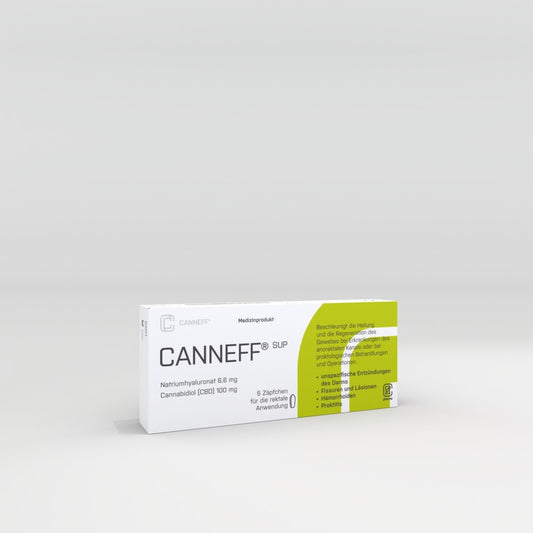
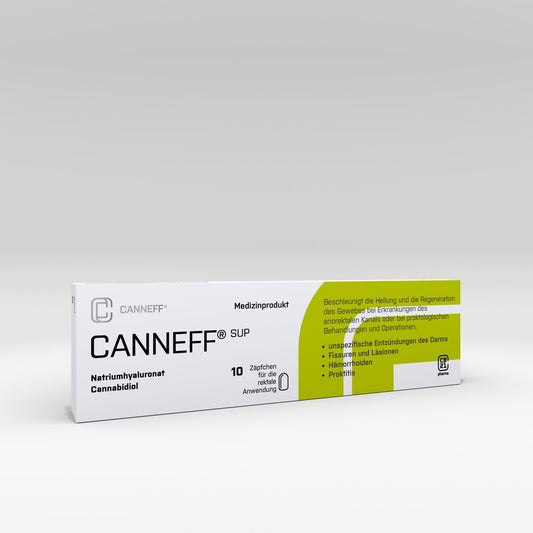
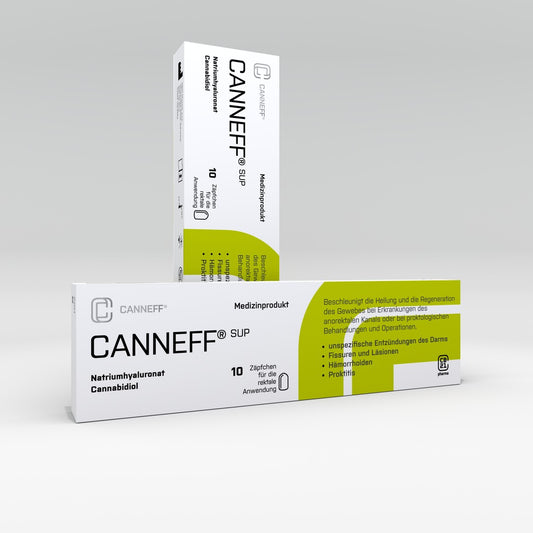
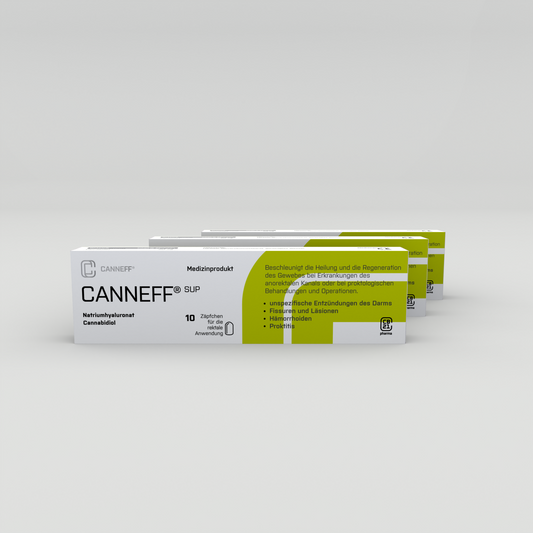
CANNEFF® SUP rectal suppositories: The CANNEFF® SUP suppositories with the combination of CBD and hyaluronic acid promote tissue regeneration, relieve irritation, and help reduce bleeding. Find all information here about the use of suppositories for the treatment of skin tags.
Anti-inflammatory ointments: Zinc ointment or creams with panthenol protect the skin and support wound healing.
Find all information about the treatment of skin tags.
Can bleeding in skin tags be prevented by hygienic measures?
Yes, bleeding in skin tags can largely be prevented through gentle and consistent anal hygiene. Since bleeding usually results from mechanical irritation, skin irritation, or small injuries, targeted measures help minimize the risk.
How hygienic measures can prevent bleeding in skin tags
Gentle cleaning of the anal area: Use lukewarm water instead of soap or harsh wipes to avoid unnecessary skin irritation. Instead of rubbing vigorously with dry toilet paper, it is better to pat with soft, damp paper or use a bidet. If wet wipes are used, they should be fragrance-free and alcohol-free to prevent skin irritation.
Thorough but gentle drying: Moisture in the skin folds can cause irritation. Therefore, the anal area should be gently patted dry after cleaning, not rubbed. A soft towel or a hairdryer on a low setting can help gently dry the skin.
Avoiding mechanical irritation: Strong wiping and scratching should be avoided as they can cause microtears in the skin. Tight clothing made of synthetic fabrics promotes friction – breathable cotton underwear is the better choice. After bowel movements, excessive straining should be avoided to reduce mechanical stress on the skin tags.
Regular care of the anal skin: Nourishing creams or ointments with soothing ingredients (e.g., panthenol, witch hazel, or zinc) can help keep the skin elastic and resilient. CANNEFF® SUP rectal suppositories with hyaluronic acid and CBD can reduce inflammation, strengthen the skin barrier, and thus lower the risk of irritation and bleeding.
Optimizing bowel movements: A high-fiber diet (e.g., whole grains, fruits, vegetables) and adequate fluid intake help prevent hard stool. If necessary, mild stool softeners or psyllium husks can help make bowel movements more comfortable. Avoiding spicy or irritating foods (chili, coffee, alcohol) can help protect the sensitive anal skin.
How long does bleeding from skin tags typically last?
Bleeding caused by skin tags usually lasts only briefly because the skin folds at the anus are not heavily supplied with blood. It is mostly small spotting, which stop on their own after a few minutes. However, the duration depends on the cause and severity of the irritation or injury.
Typical duration of bleeding from skin tags
Mild irritations caused by mechanical stress (e.g., vigorous wiping or tight clothing) usually results in only short-term bleeding that subsides within a few minutes.
Bleeding after bowel movements, especially with hard stool or straining, can last a few minutes but should stop quickly.
Superficial skin tears or minor injuries can lead to blood traces on toilet paper or underwear, which may recur over several hours if the skin continues to be irritated.
Bleeding due to inflammation (e.g., infected skin tags) can last longer and often recur. In these cases, medical evaluation is necessary.
When does bleeding usually stop?
In most cases, bleeding from skin tags stops within a few minutes once the cause—such as friction or straining—is removed. If persistent or recurring bleeding occurs, it may indicate more severe skin irritation, a deeper injury, or the onset of inflammation.
When should you see a doctor for bleeding skin tags?
Bleeding caused by skin tags is usually harmless and results from mechanical irritation such as vigorous wiping, tight clothing, or straining during bowel movements. Typically, it is mild and stops on its own. However, there are situations where medical evaluation is necessary.
When is a doctor's visit advisable?
Bleeding becomes more frequent or severe: Recurring or increasing bleeding may indicate chronic irritation or an underlying inflammation.
Accompanying symptoms occur: Symptoms of skin tags such as pain, swelling, oozing, or itching could indicate an infection or another proctological condition.
Visible blood in stool: If blood is visible not only on the toilet paper but directly in the stool, further examination should be conducted to rule out other causes such as hemorrhoids, anal fissures, or intestinal diseases. Read more here about blood in stool or the causes of skin tags.
The bleeding is suddenly heavy and does not stop: Persistent or heavier bleeding could indicate a vascular injury or pronounced inflammation.
Other symptoms such as general malaise or weight loss occur: These could indicate a serious condition that requires medical evaluation.
If bleeding persists, worsens, or occurs with other symptoms of marisks such as pain or mucus discharge, a proctological examination should be performed to detect and treat possible complications early.
Which symptoms commonly accompany bleeding in marisks?
Bleeding in marisks often occurs together with other symptoms indicating irritation or inflammation. Common accompanying symptoms include:
Itching: Irritation from moisture or remaining stool residues intensifies itching. Read more here about itching in marisks.
Anal burning: Anal burning is especially noticeable after bowel movements or due to mechanical friction.
Spotting: Small traces of blood on toilet paper or in underwear.
Moisture/Wetting: Inflamed or irritated marisks can secrete fluid.
Swelling: When marisks swell due to irritation or inflammation, this can increase discomfort. Find further information here on swelling in marisks.
These symptoms of marisks usually indicate mechanical stress or mild inflammation. If symptoms persist or worsen, a medical evaluation is advisable. Read more here about the treatment of marisks.