

How does a marisks surgery proceed?
A marisks operation is a minor surgical procedure usually performed on an outpatient basis under local anesthesia. Depending on the extent of the marisks and individual circumstances, the operation can also be done under general anesthesia or spinal anesthesia.

Preparation for surgery
Before the operation, a proctological examination is performed to rule out other conditions such as hemorrhoids or anal fissures. In some cases, it is recommended to ensure soft bowel movements before the procedure, e.g., through a high-fiber diet or stool softeners. However, a complete bowel cleansing is usually not necessary.
Anesthesia and surgical technique
After local anesthesia, the affected tissue is precisely removed. The most common procedures are:
Scalpel or scissors method: Excess skin tissue is removed with a scalpel or surgical scissors.
Electrocauterization: Through heat application (high-frequency current), the marisks are removed while simultaneously sealing the blood vessels.
Laser treatment: A gentle method that precisely removes tissue with a laser beam and minimizes bleeding.
Depending on the method, the wound remains open or is closed with a few stitches. Open wound healing is often preferred as it reduces the risk of scar hardening and anal canal narrowing.
Wound care and follow-up
After the procedure, the area is protected with a light compress. Patients are usually allowed to go home the same day. Healing takes several weeks, during which the following measures should be observed:
Gentle hygiene: Clean with lukewarm water, avoid aggressive rubbing or wet toilet paper.
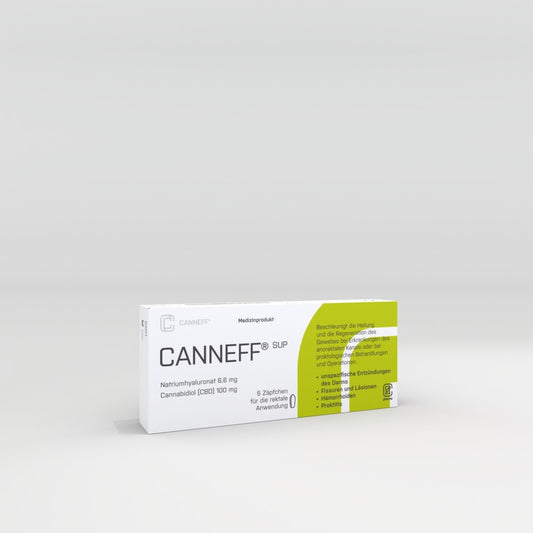
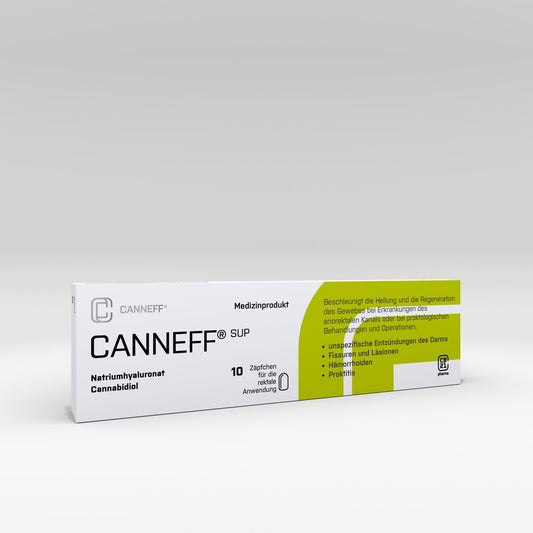
Pain relief: Pain relievers like ibuprofen or paracetamol can help. CANNEFF® SUP rectal suppositories support wound healing through anti-inflammatory and moisturizing ingredients such as CBD and hyaluronic acid.
Sitz baths: Chamomile or oak bark baths can promote healing and prevent inflammation.
Soft stool consistency: A fiber-rich diet and sufficient fluid intake prevent excessive straining during bowel movements.
Which anesthesia methods are used in marisk surgery?
Various anesthesia methods are used in marisk surgery, depending on the size of the marisks, individual factors, and patient preferences:
Local anesthesia: Usually preferred as it allows outpatient treatment. The affected area is numbed with a local anesthetic.
Spinal anesthesia: A partial anesthesia where the lower half of the body is numbed. Suitable for larger marisks or when multiple procedures are performed simultaneously.
General anesthesia: Rarely used but considered if the procedure is more extensive or the patient is anxious about the surgery.
The choice of anesthesia method is discussed individually with the treating doctor.
What should patients keep in mind before marisk surgery?
Good preparation for the marisk surgery can positively influence the healing process and minimize the risk of complications. Here are the most important points patients should consider before the procedure:
Medical examination and briefing
Before the surgery, a proctological examination is performed to determine the exact size and condition of the marisks. The doctor explains the different anesthesia methods, the procedure, and possible risks. If necessary, existing inflammations or infections should be treated before the surgery.
Nutrition and bowel preparation
Light diet the day before: Hard-to-digest, gas-producing, or spicy foods should be avoided.
Bowel preparation: Depending on the doctor's recommendation, it may be advisable to empty the bowel with a mild laxative or enema.
Fluid intake: Adequate fluid intake is important, but nothing should be eaten or drunk from six hours before surgery if general anesthesia is planned.
Medication intake
Blood thinners (e.g., aspirin, Marcumar, heparin): These should be paused if necessary in consultation with the doctor to minimize the risk of bleeding.
Anti-inflammatory medications: Certain painkillers (e.g., ibuprofen) can affect blood clotting and should only be taken before surgery after consulting a doctor.
Chronic medications: If regular medication is required, this should be discussed with the treating doctor.
Clothing and personal preparation
Wear comfortable, loose clothing that does not press on the anal area. Clean the intimate and anal region before the surgery but avoid aggressive cleaning agents. Arrange for a companion for the trip home if general or spinal anesthesia is used.
Aftercare planning
Prepare sitz baths, soft toilet paper, and anti-inflammatory ointments or suppositories like CANNEFF® SUP. Plan a high-fiber diet to ease bowel movements and avoid straining. Depending on the procedure, plan for some physical rest for a few days and, if necessary, obtain a sick note. Good preparation helps make the procedure stress-free and supports optimal healing.
How painful is Marisken surgery?
A Marisken surgery is usually not very painful as it is performed under local anesthesia, spinal anesthesia, or general anesthesia. Patients do not feel pain during the procedure. After the surgery, mild to moderate discomfort may occur, especially when sitting or during bowel movements. These can be well relieved with painkillers such as ibuprofen or paracetamol, as well as sitz baths and anti-inflammatory suppositories like CANNEFF® SUP. The pain usually subsides after a few days.
How long does healing take after Marisken surgery?
Healing usually takes two to four weeks but can sometimes take longer. Mild pain, swelling, or a feeling of tension are normal in the first few days. Possible complications such as infections, bleeding, or scarring are rare and can be minimized with good aftercare. If symptoms persist or unusual signs occur, a check-up with a doctor is necessary. The Marisken surgery is often an effective way to permanently eliminate discomfort. With proper aftercare, healing and well-being after the procedure can be optimally supported.
What risks and complications can occur with a marisken surgery?
Most complications after a marisken surgery are mild and temporary. Careful wound care, gentle anal hygiene, anti-inflammatory sitz baths, and CANNEFF® SUP suppositories can help minimize risks and promote healing. If pain persists, bleeding is heavy, or signs of infection appear, medical examination is essential. A marisken surgery is considered a minor and safe procedure but, like any surgery, carries certain risks and possible complications. The following problems may occur during and after the operation:
Possible risks and complications of a marisken surgery
Wound healing disorders: Healing may be delayed, especially with pre-existing conditions such as diabetes or weakened immune defense. Open wounds in the anal area are particularly susceptible due to constant mechanical stress and contact with stool.
Infections: Due to bacterial colonization of the anal area, wound infections or abscesses may occur. Symptoms include redness, swelling, pus formation, or persistent pain.
Pain after surgery: Moderate to severe pain is possible in the first few days after surgery, especially when sitting or during bowel movements. Painkillers (ibuprofen, paracetamol) and anti-inflammatory suppositories like CANNEFF® SUP help relieve discomfort.
Bleeding and post-bleeding: Immediately after the procedure, slight bleeding from the wound may occur. If bleeding persists or is heavy, medical advice should be sought.
Scar formation and hardening: During healing, scar tissue may form, which in rare cases can lead to narrowing of the anal canal (anal stenosis). Gentle aftercare and regular sitz baths with chamomile or oak bark can support healing.
Itching or oozing of the wound: The open wound may secrete fluids in the first few weeks, which can temporarily cause itching. Careful hygiene and moisturizing creams can help minimize discomfort.
Possibility of recurrence (reappearance): Marisca can reoccur after surgery, especially with persistent straining during bowel movements or chronic inflammation. A fiber-rich diet, adequate fluid intake, and gentle anal hygiene are important for prevention.
Fecal Incontinence (rare): In rare cases, damage to the fine nerves or muscles in the anal area can lead to temporary or permanent impairment of sphincter function. However, this risk is very low since marisca are removed outside the anal canal.
What Are Patients' Experiences After a Marisca Surgery?
Most patients experience mild to moderate pain after a marisca surgery initially, which subsides within a few weeks. Improvements in hygiene and a reduction in itching, burning, and inflammation are considered a great benefit by many. Careful aftercare with sitz baths, CANNEFF® SUP suppositories, and soft stool consistency significantly contribute to speeding up healing and avoiding complications.
Experiences after a marisca surgery vary depending on individual healing, surgical method, and pain sensitivity. Many affected individuals report an improvement in symptoms, especially regarding anal hygiene, reduction of itching, and prevention of recurring inflammations. However, there are some common side effects in the first days after the procedure.
Experiences in the First Days After Surgery
Pain and Wound Healing: Immediately after the surgery, mild to moderate pain is common, especially when sitting, walking, or having a bowel movement. Patients often compare the discomfort to a strong wound sensation or burning, which can be well relieved with painkillers (ibuprofen, paracetamol). Sitz baths with chamomile or oak bark help reduce pain and support healing.
Swelling and oozing: In the first days, slight swelling often occurs, which can be alleviated by cooling and anti-inflammatory measures. Many patients report slight wound oozing, which is normal since healing in the moist and warm anal region takes more time.
First bowel movement after surgery: The first bowel movement is often perceived as uncomfortable, especially with existing fear of pain or bleeding. A high-fiber diet and adequate fluid intake ease bowel movements and prevent excessive straining. CANNEFF® SUP rectal suppositories with CBD and hyaluronic acid help regenerate the sensitive anal skin and reduce discomfort during bowel movements.
Experiences after one to two weeks
Significant relief of symptoms: After about 7–14 days, many patients report noticeable improvement. Pain gradually subsides, and wound oozing decreases. Itching may occur as the wound healing is in its final phase but can be reduced with gentle care and moisturizing ointments.
Limitations in daily life: Physical activities and sports are limited during the first two weeks, but light exercise (e.g., walks) is possible and promotes blood circulation. Prolonged sitting can still be uncomfortable, so soft seat cushions or breaks help.
Experiences after one month and long-term results
Healing completed: After 4–6 weeks, most wounds have healed well, and patients experience normal comfort in daily life again. Itching and irritation usually disappear completely. Anal hygiene is much easier since bothersome skin folds are no longer in the way.
Long-term improvements: Many patients report feeling significantly more comfortable, especially during sports, sitting, or intimate situations. The marisken symptoms such as itching, irritation, and bleeding no longer occur, provided a high-fiber diet, gentle anal hygiene, and healthy digestion are maintained.
When is skin tag surgery medically necessary?
A skin tag surgery is medically necessary when the skin folds repeatedly cause inflammation, pain, bleeding, or hygiene problems that significantly affect daily life. Surgery may also be advisable in cases of persistent itching, anal burning, or difficult anal hygiene. In rare cases, a skin tag can grow so large that it obstructs bowel movements. Learn more in our detailed article on skin tag surgery.
How is the wound cared for after skin tag surgery?
After a skin tag surgery, careful wound care is crucial to prevent infections and healing complications. The anal area should be gently cleaned with lukewarm water and patted dry carefully. Sitz baths with chamomile or oak bark can promote healing. Moisturizing and anti-inflammatory ointments or CANNEFF® SUP suppositories support regeneration. Avoid vigorous rubbing, harsh soaps, and excessive straining during bowel movements.
Can skin tags reoccur after surgery?
Yes, skin tags can reoccur after surgery, especially if risk factors like constipation, straining, or persistent inflammation continue. A high-fiber diet, gentle anal hygiene, and avoiding mechanical irritation help minimize the risk. Read more about the causes of skin tags here.