

What are the most common causes of blood in stool and diarrhea?
Blood in stool and diarrhea can be caused by harmless reasons such as hemorrhoids or anal fissures, but also by serious diseases like colorectal cancer, Crohn's disease, or infections. Medical evaluation is crucial to determine the exact cause of blood in stool and to initiate appropriate measures.
|
Category |
Possible cause |
Description |
|
Harmless causes |
Enlarged vascular cushions in the rectum that can bleed. |
|
|
Small tears in the anal mucosa, often caused by hard stool. |
||
|
Gastrointestinal infections |
Caused by bacteria, viruses, or parasites, often with mucus and blood admixtures. |
|
|
Chronic inflammatory diseases |
Crohn's disease or ulcerative colitis |
Chronic intestinal inflammations with typical symptoms such as diarrhea, abdominal pain, and blood in stool. |
|
Diverticulitis |
Inflammation of intestinal wall diverticula that can lead to bleeding. |
|
|
Serious causes |
Colorectal cancer |
Tumors that attack the mucosa and can bleed. Read more here about colorectal cancer as a cause of blood in stool. |
|
Polyps |
Benign growths that may tend to bleed. |
|
|
Ulcerations in the digestive tract |
Ulcers in the stomach, duodenum, or colon. |
|
|
Other causes |
Medication side effects |
Blood thinners or non-steroidal anti-inflammatory drugs can cause bleeding. |
|
Irritable bowel syndrome with mucosal irritation |
Can rarely cause mild bleeding. |
Causes of blood in stool and diarrhea
Blood in stool and diarrhea often occur together and can indicate various causes ranging from harmless to serious. Often, hemorrhoids or anal fissures are responsible. These arise from mechanical irritation, such as with hard stools or excessive straining, and cause bright red, fresh blood. Read more here about the treatment of hemorrhoids, or how you can accelerate the healing of anal fissures during treatment.
Gastrointestinal infections are another common cause. Bacteria such as Salmonella or viruses like noroviruses attack the intestinal mucosa and cause inflammation that can lead to blood and mucus in the stool.
Serious diseases such as Crohn's disease, ulcerative colitis, or colon cancer can also cause blood in stool and diarrhea. Chronic inflammatory bowel diseases are characterized by recurring flare-ups with symptoms such as abdominal pain and severe diarrhea. Colon cancer, on the other hand, often remains unnoticed for a long time and manifests through dark or occult blood in stool.
Other possible causes include medication side effects, especially when taking blood thinners, as well as diverticulitis, an inflammation of intestinal wall outpouchings that can lead to sudden bleeding.
In any case, if symptoms persist, a doctor should be consulted to clarify the exact cause and initiate targeted treatment. Find more information here about the various causes of blood in stool or read more about diagnosis and examinations in the blog post Blood in Stool Doctor.
How do harmless causes of bloody diarrhea differ from serious ones?
Patients can distinguish between harmless and serious causes of bloody diarrhea by paying attention to specific accompanying symptoms, the course, and the circumstances of occurrence. Bloody diarrhea can indicate harmless causes such as hemorrhoids, anal fissures, or temporary infections from spoiled food, especially if the blood is bright red, the condition is short-term, and no other serious symptoms occur.
Warning signs that may indicate a serious illness
Additional complaints
-
Severe abdominal pain or cramps.
-
Persistent fever or chills.
-
Unusually severe weight loss.
Blood characteristics
-
Dark red or black blood (tar stool), indicating bleeding from the upper digestive tract.
-
Large amounts of blood or continuous bleeding.
Accompanying symptoms
-
Chronic fatigue or weakness that may indicate anemia.
-
Mucus in the stool combined with blood, often seen in inflammatory bowel diseases like Crohn's disease or ulcerative colitis.
-
Severe dehydration due to persistent diarrhea.
Medical history
-
Existing conditions such as chronic inflammatory bowel diseases, known colon polyps, or a family history of colon cancer.
-
Use of certain medications, such as blood thinners, which can promote bleeding.
Bloody diarrhea lasting longer than two days or accompanied by the warning signs mentioned should definitely be medically evaluated. Early diagnosis can help detect and treat serious causes such as tumors, inflammatory diseases, or infections in time. Find comprehensive information here on the various causes of blood in the stool or read more about diagnosis and examinations in the blog post Blood in Stool Doctor.
When is blood in the stool a warning sign of colon cancer?
Blood in the stool can be a warning sign of colon cancer, especially if accompanied by persistent symptoms such as weight loss or changes in bowel habits. For more information, see the article: Blood in the stool in colon cancer, which deals extensively with the symptoms and their significance.
What role do hemorrhoids and anal fissures play in blood in the stool?
Hemorrhoids and anal fissures are common and usually harmless causes of blood in the stool. They arise from irritations or injuries in the anal area:
Hemorrhoids: These enlarged blood vessels in the anus can swell and bleed due to straining, constipation, or pregnancy. The blood is usually bright red, fresh, and appears on the stool or toilet paper without being mixed with the stool. Hemorrhoids are often painless but can cause itching in the anal area and a feeling of pressure.
Anal fissures: Small tears in the anal mucosa usually occur due to hard stools or strong stretching. The blood in anal fissures is also bright red and often appears with burning pain during and after bowel movements. Unlike hemorrhoids, pain is a dominant symptom in anal fissures.
Although both causes are usually not dangerous, blood in the stool should be medically examined to rule out serious diseases.
How does a colonoscopy help clarify blood in the stool?
A colonoscopy, also called a colonoscopy, is the most important diagnostic procedure for clarifying blood in the stool. A flexible tube with a camera is inserted into the colon to directly examine the mucous membrane. This method allows the detection of inflammations, polyps, diverticula, hemorrhoids, or tumors as possible sources of bleeding. Additionally, suspicious tissue samples can be taken or smaller polyps removed directly. Thus, colonoscopy offers not only diagnostic but also therapeutic options to detect and treat serious diseases such as colon cancer early. Find more information about diagnosis and examinations in the blog post Blood in Stool Doctor.
When should you urgently see a doctor for bloody diarrhea?
If you have bloody diarrhea, you should urgently see a doctor if the following signs occur:
Severe bleeding: Visible, bright red or dark blood in larger amounts in the stool.
Additional symptoms: Fever, severe abdominal pain, nausea, vomiting, or dizziness.
Persistent diarrhea: Bloody diarrhea lasting longer than 1 to 2 days or recurring repeatedly.
General weakness: Fatigue, paleness, or circulatory problems indicating blood loss or anemia.
Comorbidities: If pre-existing conditions such as inflammatory bowel diseases (e.g., Crohn's disease, ulcerative colitis) or immune deficiencies are present.
These symptoms can indicate serious conditions such as infections, severe inflammations, or tumors in the gastrointestinal tract and require prompt medical evaluation. Find comprehensive information on the causes of blood in the stool here or read more about diagnosis and examinations in the blog post Blood in Stool Doctor.
How can blood in stool and diarrhea be effectively prevented?
Blood in stool and diarrhea can largely be prevented through a combination of healthy diet, lifestyle measures, and medical prevention:
Nutrition and fluid intake
High-fiber diet: Regular consumption of whole grains, fruits, vegetables, and legumes promotes gut health.
Adequate hydration: At least 1.5 to 2 liters of water or unsweetened teas daily support digestion and prevent constipation.
Reduce fat and meat intake: Avoid fatty foods, red meat, and heavily processed foods that can increase the risk of bowel diseases.
Hygiene measures
Hand washing: Regular and thorough hand hygiene reduces the risk of infections from bacteria or viruses.
Food hygiene: Wash fruits and vegetables thoroughly and ensure meat is cooked thoroughly.
Lifestyle
Stress management: Relaxation techniques such as yoga or meditation help prevent stress-related digestive problems.
Physical activity: Regular exercise promotes bowel movement and counteracts constipation.
Avoid nicotine and alcohol: Both substances irritate the intestinal mucosa and increase the risk of inflammation and bleeding.
Medical prevention
Early detection: Regular preventive check-ups, especially from the age of 50, such as colonoscopies and stool tests, help detect bowel diseases early.
Treatment of underlying conditions: Have chronic inflammatory bowel diseases, hemorrhoids, or other complaints treated promptly to avoid complications.
General tips
Avoiding traveler's diarrhea: When traveling to regions with lower hygiene standards, pay attention to safe food and drinking water.
Probiotics: Taking probiotics can support the balance of gut flora and reduce the risk of diarrheal diseases.
A combination of these measures helps significantly reduce the likelihood of blood in stool and diarrhea and promotes overall intestinal health.
Which diseases cause both blood in stool and diarrhea at the same time?
Blood in stool and diarrhea can occur simultaneously and indicate a variety of conditions, ranging from harmless to serious causes.
Infectious diseases
Bacterial infections: Salmonella, Shigella, Yersinia, or Escherichia coli (EHEC) can cause bloody diarrhea, often accompanied by abdominal cramps and fever.
Viral infections: Rotaviruses or noroviruses occasionally cause bloody diarrhea, mostly in severely weakened immune systems.
Parasitic infections: Amoebiasis or giardiasis can cause blood in stool and diarrhea, especially when traveling to tropical regions.
Chronic inflammatory bowel diseases (IBD)
Ulcerative colitis: Causes bloody diarrhea due to inflammation and ulcers in the colon.
Crohn's disease: Leads to bloody diarrhea, especially when the colon is involved and with deep mucosal lesions.
Colorectal cancer and polyps
Colorectal cancer: Blood in stool and diarrhea can be early warning signs, especially with tumors in the colon or rectum. More information can be found in the article: Blood in stool with colorectal cancer.
Intestinal polyps: Benign growths can bleed and cause diarrhea due to mechanical irritation.
Vascular diseases
Ischemic colitis: Reduced blood flow to the intestines, often in older patients, causes bloody diarrhea and cramp-like abdominal pain.
Hemorrhoids: While hemorrhoids often only leave bright red blood traces, they can bleed more when irritated by diarrhea.
Medications and side effects
Antibiotic-associated colitis: Long-term antibiotic use can lead to an overgrowth of Clostridioides difficile triggering bloody diarrhea.
NSAID damage: Non-steroidal anti-inflammatory drugs like ibuprofen can cause mucosal damage leading to bleeding and diarrhea.
Other causes
Diverticulitis: Inflamed diverticula in the colon can cause bleeding and digestive disorders.
Rectal diseases: Anal fissures or proctitis can accompany bloody diarrhea, especially with inflammation or mechanical irritation.
Diagnostic evaluation
Blood in the stool and diarrhea should always be medically evaluated, as they can indicate serious diseases. A medical history, physical examination, laboratory tests, and endoscopies (colonoscopy) help identify the exact cause and provide targeted treatment. Find comprehensive information on the causes of blood in the stool here or read more about diagnosis and examinations in the blog post Blood in the Stool Doctor.
Can stress or diet cause blood in the stool and diarrhea?
Yes, both stress and diet can trigger or worsen blood in the stool and diarrhea.
Stress-related causes
Stress directly affects the gastrointestinal tract by influencing bowel movement (motility) and mucosal blood flow:
Irritable bowel syndrome (IBS): Stress can worsen symptoms such as diarrhea, abdominal cramps, and occasionally mucus or blood in the stool, especially when the mucosa is irritated.
Chronic inflammatory bowel diseases: Stress can trigger flare-ups of Crohn's disease or ulcerative colitis, which are accompanied by bloody diarrhea.
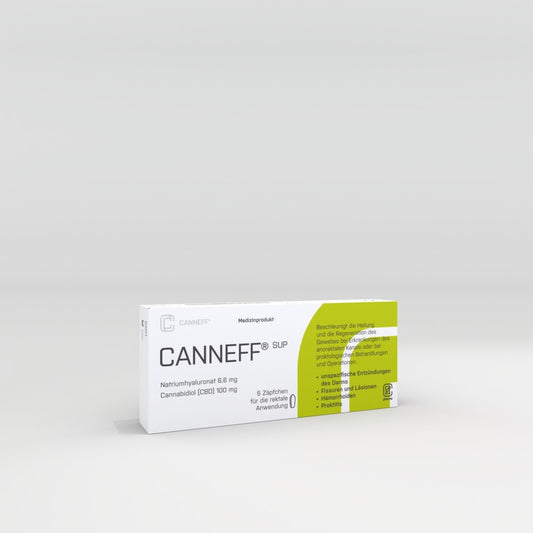
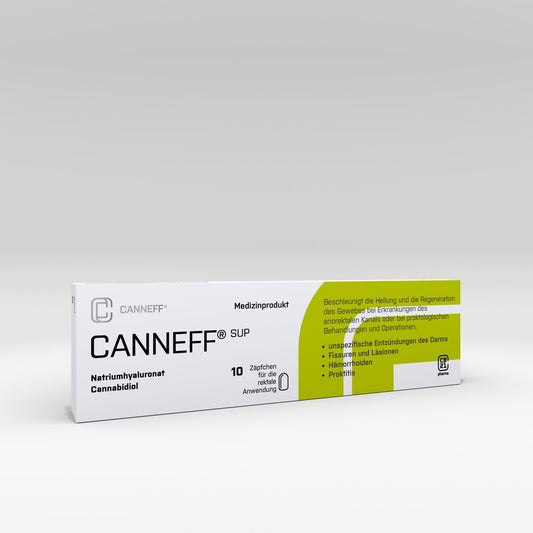
Mucosal sensitivity: Stress can make the mucosa more susceptible to small injuries, which promotes blood in the stool. If mucosal lesions are the cause of blood in the stool, CANNEFF® SUP suppositories with CBD and hyaluronic acid can help accelerate the healing of fissures.
Diet-related causes
Eating habits can also lead to diarrhea and blood in the stool, especially if gut health is impaired:
Intolerances: Lactose, fructose, or gluten intolerance can trigger diarrhea. Gluten can damage the intestinal mucosa in celiac disease and cause bloody symptoms.
Low-fiber diet: Favors constipation, which with strong straining can cause anal fissures or hemorrhoids as well as bleeding.
High-fat and meat-heavy diet: Can promote inflammatory processes in the gut, irritate the mucosa, and cause blood in the stool.
Spicy or heavily seasoned foods: Irritate the intestinal mucosa and can especially worsen symptoms in the presence of existing inflammation.
Stress and poor nutrition can negatively affect gut health and worsen symptoms such as blood in the stool and diarrhea. A balanced diet with sufficient fiber, adequate fluids, and stress-reducing measures are essential to alleviate symptoms and promote gut health. However, recurring or persistent complaints require medical evaluation to rule out serious conditions. Find comprehensive information here on the causes of blood in the stool.
How do bright red, dark red, and black blood in the stool differ in their significance?
The color of blood in the stool provides important clues about the source of bleeding in the digestive tract.
Differences and significance
|
Blood color |
Characteristics |
Possible causes |
|
Bright red blood |
Fresh, often deposited on the stool or visible on toilet paper. |
Hemorrhoids, Anal fissures, inflammation in the rectum, or tumors in the lower colon. |
|
Dark red blood |
Evenly distributed in the stool or present in jelly-like streaks. |
Bleeding in the middle colon, colon polyps, diverticular bleeding, inflammatory bowel diseases, tumors. |
|
Black blood (melena) |
Dark shiny, tar-like consistency, often with a foul odor. |
Bleeding in the upper digestive tract (stomach, esophagus, duodenum), gastric ulcers, tumors. |
Bright red blood
-
Usually indicates a bleeding source near the anus.
-
Typical in Hemorrhoids or anal fissures, caused by straining or hard stools.
-
Can also be caused by tumors or inflammatory diseases in the lower colon.
Dark red blood
-
Indicates bleeding in the middle to upper colon.
-
Common in Colon polyps, Diverticulitis or Ulcerative colitis.
-
A thorough evaluation is important, as tumors can also be a possible cause.
Black blood (melena)
-
Caused by the breakdown of blood by stomach acid or bacteria.
-
Typical for bleeding in the upper digestive tract, as in Gastric ulcers, Reflux esophagitis or Esophageal varices.
-
May be accompanied by coffee-ground-like vomit, which facilitates diagnosis.
The color of blood in the stool provides valuable diagnostic clues. While bright red blood often has harmless causes, black blood indicates potentially dangerous bleeding. Any type of blood in the stool should be medically evaluated to identify the cause and treat it accordingly. Find comprehensive information here on the causes of blood in the stool.