

What to do for an anal fissure?
A timely medical examination and thus the start of treatment for the anal fissure can accelerate the healing process and significantly improve the prognosis of the disease's course. Therefore, it is important to seek medical help and advice as soon as possible for anal fissures. Untreated acute anal fissures can develop into chronic anal fissures and consequently lead to complications such as infections, anal abscesses, or even anal fistulas. Find all the details about the diagnosis and examinations of an anal fissure by a doctor here. An anal fissure surgery is usually only performed when all other treatment options have been exhausted. After all, there is a risk of sphincter muscle injury during anal fissure surgery, which in the worst case can lead to fecal incontinence.
Does an anal fissure heal on its own?
An acute anal fissure can usually heal without consequences with appropriate consistent treatment. The goal here is to best support and accelerate the wound healing of the fissure with corresponding conservative therapy such as ointments or suppositories, as well as some behavioral measures. However, if an anal fissure remains untreated, the likelihood is that the symptoms of the anal fissure will worsen. Chronic fissuring is often the unpleasant consequence. In chronic anal fissures, the tissue changes around the tear in the anus are often already advanced. In many cases, a surgical anal fissure treatment is necessary for a successful healing process to begin. Find further information here on how you can accelerate the healing of an anal fissure.
How is an anal fissure treated?
Depending on the stage and extent of the symptoms of anal fissure, conservative or surgical treatments are applied. The treatment of an anal fissure primarily depends on the stage, whether it is an acute or chronic tear. The acute and chronic anal fissure differ not only in terms of the extent of tissue changes but especially regarding the duration of the symptoms of the anal fissure.
An acute anal fissure is usually a rather superficial injury to the mucous membrane and typically lasts shorter, up to four to six weeks. The acute anal fissure can usually be effectively treated with conservative methods such as stool regulation, ointments, suppositories, or sitz baths, as well as a combination of these approaches. In contrast, with a chronic anal fissure, the symptoms of the fissure usually persist for more than six to eight weeks. From the acute mucosal injury, an ulcer develops here and the wound edges change with scarring. Sometimes, a tough skin fold, called a marisken or sentinel tag, forms in chronic anal fissures. If conservative treatment methods do not work here, surgery is necessary. Read more here about marisken.
How is an acute anal fissure treated?
In acute anal fissures, pain relief and promoting the healing of the tissue tear in the anus are the main focus. This is achieved through measures such as stool regulation with a high-fiber diet and stool softeners. Additionally, anti-inflammatory suppositories or ointments as well as pain-relieving medications may be used. In some cases, botulinum toxin injections (Botox) to relax the anal sphincter can also be considered. Read more here about the treatment of anal fissures with suppositories and how you can support the healing of tears in the anus.
How is a chronic anal fissure treated?
Chronic anal fissures that do not heal despite conservative treatments may require surgical intervention. The choice of procedure for the anal fissure surgery depends on various factors, including the severity of the fissure, the symptoms of the anal fissure, and the individual risk profile of the patient. Two main procedures are available.
Fissurectomy
Fissurectomy is a proven surgical procedure for treating chronic anal fissures. In this procedure, the damaged tissue of the fissure is surgically removed to promote wound healing and prevent future complications. This procedure is particularly suitable for patients who have not experienced sufficient improvement with conservative treatments such as ointments or suppositories. The procedure is generally minimally invasive, but healing can take several weeks. After surgery, pain therapy is often prescribed to make the healing process more comfortable. Fissurectomy is a safe option that provides many patients with lasting relief.
Lateral Sphincterotomy
Lateral sphincterotomy is a very effective surgical method for treating chronic anal fissures. In this procedure, the internal sphincter muscle is relaxed by a small incision to reduce pressure on the fissure and improve blood flow. This helps the fissure heal faster and significantly reduces the risk of recurrence. Sphincterotomy has a high success rate, which is why it is especially recommended for patients whose symptoms persist despite other treatments. Since the procedure is minimally invasive, complications are rare. In some cases, mild incontinence may occur, so this method is mainly used only for stubborn fissures.
How is an anal fissure treated after surgery?
Postoperative care includes administering pain medication and promoting wound healing through regular sitz baths or the use of special ointments or suppositories. Recovery time varies depending on the type of procedure and the individual patient's response but usually takes several weeks. Proper aftercare following an anal fissure surgery is crucial for a quick and successful recovery. Pain management, sitz baths, wound care, and a tailored diet are key components of postoperative care. Patients should be patient, as the healing process can take several weeks, and maintain regular contact with their doctor. Find more information here on how to speed up the healing of an anal fissure.
What treatment is recommended for an anal fissure?
Depending on the stage and duration of anal fissures, there are several treatment options, which we outline here.
Conservative treatment methods for fissures in the anal area
The consistent combination of dietary changes, exercise, anal hygiene, and medication forms the foundation of conservative treatment. The goal is to regulate stool consistency, treat the existing fissure with locally effective medications such as ointments or suppositories, and reduce pressure on the sphincter muscle with appropriate medication. The combination of these measures, along with proper nutrition and hygiene, leads in most cases to the complete healing of acute anal fissures.

The role of nutrition and exercise in anal fissures
Proper nutrition and sufficient exercise are essential to soften hard stools and prevent constipation. A fiber-rich diet that includes plenty of whole grains, legumes, fruits, and vegetables is important. At the same time, adequate daily fluid intake must be ensured. Regular exercise also stimulates bowel activity and keeps digestion moving.
Stool regulation for anal fissures
The goal is a stool that is not too hard but still formed. Ground psyllium husks have proven effective, available in pharmacies as well as from various manufacturers in drugstores and health food stores. Psyllium husks swell upon contact with liquids, softening hard stool and binding overly loose stool accordingly. Psyllium husks have no inherent taste. Those who have difficulty taking them can mix them into yogurt, kefir, oat milk, or soups, or use psyllium capsules.
Suppositories and medical products for treating anal fissures
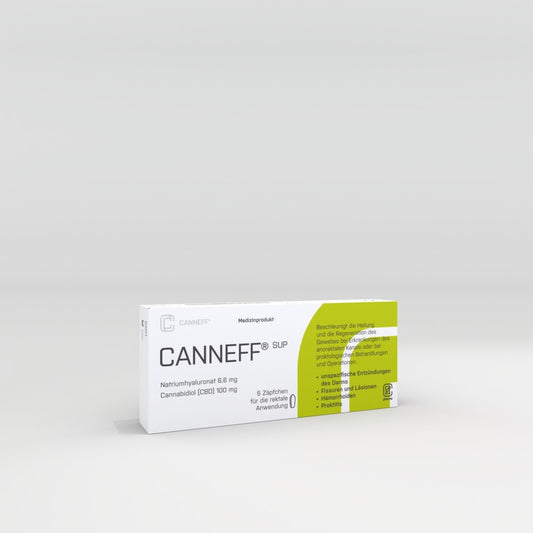
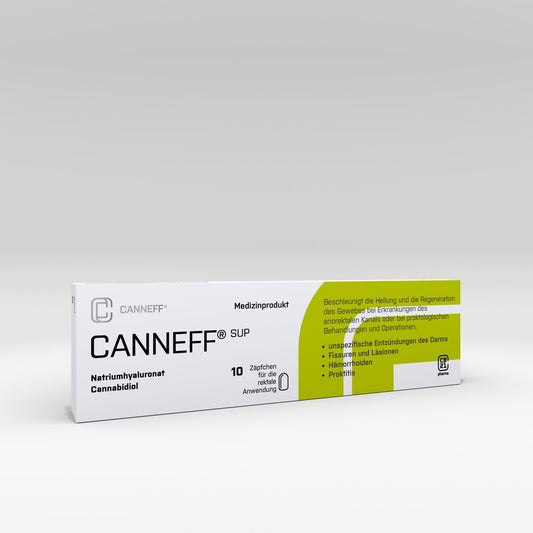
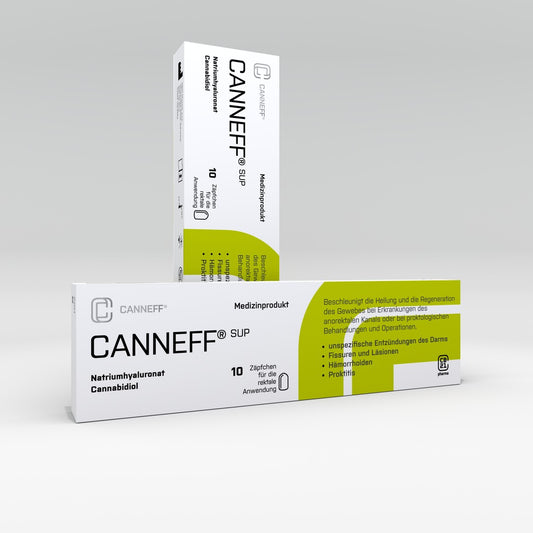
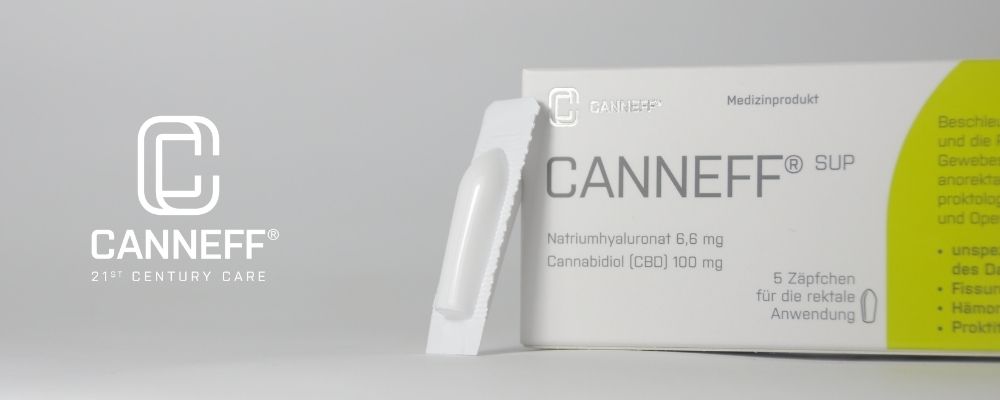
Various suppositories are often used to treat a anal fissure. Suppositories can have anti-inflammatory, pain-relieving, and healing-promoting properties. Many suppositories contain lidocaine and primarily help relieve pain and anal itching. Suppositories act quickly and locally, supporting healing and effective symptom relief of an anal fissure. The exact choice of suppository depends on the individual condition. Often, a combination of ointments and suppositories is used to achieve the best possible effect. To support the healing of mucosal fissures, many patients rely on CANNEFF® SUP rectal suppositories with hyaluronic acid and CBD. Find some helpful tips on the correct use and dosage of suppositories for treating anal fissures, as well as supporting tissue healing after colorectal surgery, in the blog post Anal Fissure Treatment with Suppositories.
Medication treatment for anal fissures
The medicinal treatment of anal fissures aims to relax the anal area and provide the acute fissure with anesthetic, pain-relieving, and anti-inflammatory medications. Typically, creams, ointments, and suppositories are used. Sometimes, oral pain therapy is added as a supplement.
Anal hygiene in the treatment of fissures in the anal area
Proper anal hygiene is important both for acute anal fissures and for preventing tears in the anal mucosa. Soap or intimate care products should never be used. Even moist toilet paper is counterproductive.
Sitz baths with bath additives like chamomile for anal fissures
The sitz bath is a classic treatment for proctological complaints. Sitz baths are especially recommended for acute symptoms of anal fissures. To stimulate blood flow in the anal area, sitz baths are a useful complementary measure. They can sustainably relax the anal region. Bath additives such as chamomile are said to have anti-inflammatory effects. Find further information here about alternative therapy approaches for anal fissures, or directly about herbal treatment for anal fissures.
Anal dilator
An anal dilator, also known as an anal dilator, is often recommended for the treatment of anal fissures. This special rod, usually made of plastic or glass, is inserted several times a day to gently stretch the anus. Regular use of the anal dilator promotes blood circulation and has a muscle-relaxing effect, which can support the healing process. Stretching is intended to relieve the spasm of the sphincter muscle and prevent the wound edges from sticking together. Although the anal dilator can be effective in treating anal fissures, many patients report that its use can be painful, making it difficult to consistently perform this procedure.
Anal fissure surgery for chronic anal tears
An anal fissure is only treated surgically if conservative therapy fails or if a chronic fissure already shows severe tissue changes such as scarring, so-called marisks or sentinel tags, or even anal fistulas are present. The procedure is often performed on an outpatient basis under local anesthesia; however, hospitalization may be necessary for older patients. The healing phase after surgery is relatively long due to open wound healing, lasting several weeks. Proper hygiene is crucial here to support wound healing. Surgery for an anal fissure always carries the risk of injuring the sphincter muscle, which can lead to fecal incontinence. During the anal fissure surgery, the affected and scarred tissue is completely removed while preserving the sphincter muscle as much as possible. The procedure itself does not take long, and with proper care and treatment, the wound heals over several weeks.
Which medications are used to relax the sphincter muscle in the treatment of an anal fissure?
In the treatment of anal fissures, various medications are also available to relax the sphincter muscle. Topical nitrates and calcium channel blockers are the most commonly used options, with calcium channel blockers often preferred due to their better tolerability. Botox can be an additional option for chronic anal fissures but is costly and carries risks.
Topical nitrates
Topical nitrates release nitric oxide (NO), which relaxes the smooth muscle of the internal sphincter. Another positive effect is the significant pain relief achieved by using nitrate ointments. However, headaches are a common side effect in some patients, which in some cases leads to discontinuation of therapy. Additionally, there is a high risk of relapse of up to 50% after stopping treatment.
Calcium channel blockers
Calcium antagonists such as nifedipine and diltiazem also relax the sphincter muscle and promote local blood circulation. These medications are often prepared as custom-made ointments in pharmacies and used by patients. With several weeks of use, calcium antagonists offer the advantage of better tolerability compared to nitrate ointments.
Botulinum toxin (Botox) for anal fissures
Botulinum toxin, also known as Botox, is used to temporarily paralyze the internal sphincter muscle. The neurotoxin causes relaxation of the sphincter muscle for about three months. The treatment costs are relatively high, and in many countries, statutory health insurances do not cover these costs. There is also a risk of incontinence with too high a dosage.
What home remedies can I use to treat an anal fissure?
There are various home remedies that can provide relief for treating an anal fissure. Sitz baths with warm water and additives like chamomile and oak bark can have a soothing and anti-inflammatory effect. Dietary changes with high-fiber foods and sufficient fluids help to soften the stool and prevent renewed irritation in the anal area. Local applications of certain natural ointments may also support healing. Gentle drying after bowel movements and regular anal hygiene are also important measures. In addition to some prescription ointments, suppositories, and creams for treating anal fissures, several home remedies should be considered. In particular, stool regulation through fiber intake is an important therapeutic measure that is crucial both for treatment and prevention of anal fissures. Sitz baths and thorough anal hygiene also play a significant role in complementary treatment to accelerate the healing of anal fissures. Find further information here about home remedies for treating an anal fissure.
What is the course of an anal fissure?
With conservative measures, 60 to 90 percent of acute anal fissures heal. However, if anal fissures are not treated, there is a risk that these tears will enlarge or recur repeatedly. This is then called a recurrent anal fissure. Timely medical evaluation is therefore important to prevent a chronic course of the fissure. Read more here about anal fissure doctor. Various preventive measures have proven effective in preventing recurring anal fissures. But even a chronic anal fissure can usually be well treated with surgery. After successful treatment of an anal fissure, it is important to eliminate the causes and risk factors. Find information here about the causes of anal fissures or directly about the prevention of anal fissures. The blog post about the role of nutrition in preventing anal fissures provides further extensive information on the topic.
How quickly do symptoms of an anal fissure subside?
An acute anal fissure usually heals completely under conservative therapy, but it requires patience. Treatment is continuous over a period of six to eight weeks. Especially with severe symptoms of anal fissures, regular check-ups are advisable. Supportive measures such as a high-fiber diet to regulate stool, thorough anal hygiene, ointments, or suppositories are part of the treatment and should not be neglected even during the improvement stage and wound healing progress.
Is a complete cure of an anal fissure possible?
If acute anal fissures are quickly treated with conservative methods, the prognosis for a complete cure is very good. In over 90% of cases, the tear in the anal mucosa then heals without consequences. However, it is important not only to complete the treatment diligently but also to permanently change unfavorable behaviors related to the causes of anal fissures after healing. This helps prevent further tears or microtears in the anus. The risk of the fissure becoming chronic is significantly reduced. Find more information here on how to speed up the healing of an anal fissure. Read more about preventing anal fissures in the blog post Preventing Anal Fissures.
What complications can arise as a result of an anal fissure?
One of the most common complications arising from an anal fissure is the formation of anal fistulas. Anal fistulas often result from anal abscesses. The risk of infections or anal abscesses is especially high due to the large number of germs in the anal canal; once a mucosal fissure is present, these germs penetrate the tissue, leading to infection and inflammation. Find more information about anal fistulas and anal abscesses here. When the symptoms of an anal fissure such as pain at the anus or blood in the stool quickly disappear, many patients forego further medical evaluation. However, it is not uncommon for the wound in the anal mucosa to be only superficially closed, and in the depth of the micro-tear or tear, a chronic inflammation rapidly develops due to bacterial contamination with the always-present intestinal bacteria. Read more about bleeding in anal fissures here as well.
How does a mariske develop from anal fissures?
If the scar of the fissure in the anal mucosa is not sufficiently stable and repeatedly tears even during normal bowel movements, skin tags and mucosal overgrowths can develop. These skin flaps are often mistaken for hemorrhoids or polyps. So-called marisken can grow considerably large and protrude from the anus. Stool and bacteria can settle on them over time, further irritating the mucosa at the anus. Read more about marisken here.