

What is anal itching and what is its connection to colorectal cancer?
Anal itching, medically known as pruritus ani, is an unpleasant, often intense itching sensation in the anal region. The causes of anal itching are diverse and range from skin irritations and infections to proctological conditions such as hemorrhoids and systemic diseases like diabetes.
In connection with colorectal cancer, anal itching can occur when tumors or pathological changes in the bowel indirectly trigger skin irritations and itching. Possible mechanisms include:
Irritation from mucus or blood: Colorectal tumors can cause bleeding or mucus discharge that irritates the sensitive skin around the anus.
Changed bowel habits: Frequent diarrhea or constipation caused by colorectal cancer can lead to increased contact of stool with the skin and cause itching around the anus.
Secondary infections: Due to a weakened skin barrier or moist conditions in the anal area, fungal infections or bacterial inflammations such as anal abscesses can develop, which promote anal itching.
It is important to emphasize that anal itching in most cases does not indicate colorectal cancer. However, it can be a accompanying symptom, especially when it occurs along with other warning signs such as blood in the stool, pencil-thin stools, or unexplained weight loss. In such cases, a doctor should definitely be consulted to clarify the causes of anal itching more precisely.
What causes anal itching in patients with colorectal cancer?
Anal itching in patients with colorectal cancer is usually a result of tumor effects, treatments, or secondary complications. Since itching can significantly impair quality of life, targeted diagnosis of the cause is crucial to develop appropriate treatment strategies, such as the use of skin-soothing ointments or infection treatment. Early medical consultation helps clarify the cause and initiate individualized therapy. Anal itching in patients with colorectal cancer can be triggered by various direct and indirect mechanisms. The most common causes are:
Secretions and irritants
Blood and mucus: Tumors in the bowel can cause bleeding or mucus discharge, which irritate the sensitive skin in the anal area and trigger itching.
Altered stool consistency: Tumor-related changes such as diarrhea or constipation increase contact of stool residues with the anal skin, promoting irritation and itching.
Changes in bowel function
Frequent bowel movements or incontinence: Colorectal cancer can impair normal bowel function, causing uncontrolled or frequent bowel movements. Constant moisture and friction in the anal area promote itching.
Bowel narrowing: Tumor-related narrowing can cause pencil-thin or fragmented stool, leading to mechanical irritation.
Secondary infections
Bacterial infections: A disrupted skin barrier due to friction or moisture can facilitate bacterial entry, increasing itching.
Fungal infections: Moist conditions in the anal area, promoted by tumor effects, can encourage the growth of fungi such as Candida.
Skin reactions
Irritation from hygiene products: Patients may use excessive or inappropriate cleansing products to manage symptoms like mucus or blood, which can further damage the skin.
Anal eczema: Chronic irritation and moist conditions can lead to inflammatory skin changes such as eczema. Read more about anal eczema here.
Side effects of treatments
Radiation therapy: Radiation therapy for colorectal cancer can make the skin around the anus more sensitive and cause itching.
Chemotherapy: Some medications can increase skin dryness or skin reactions in the anal area.
Psychosomatic factors
Stress and anxiety: The burden of a cancer diagnosis and treatment can trigger stress reactions, intensify itching, or increase subjectively perceived discomfort.
Read more here about the causes of anal itching.
How is anal itching diagnosed in possible colon cancer?
The diagnosis of anal itching when suspecting colon cancer involves a systematic examination to identify the underlying cause. Since anal itching is a nonspecific symptom, a combination of medical history, physical examination, and specific tests is performed.
Medical history
The doctor asks in detail:
Onset and duration: When did the itching start and how long has it lasted?
Accompanying symptoms: Symptoms such as blood in stool, mucus discharge, changes in bowel habits (diarrhea, constipation), or pain during bowel movements.
Hygiene habits: Details about intimate hygiene and products used that could cause irritation.
Dietary habits: Consumption of spicy foods, alcohol, or other potentially irritating foods.
Medical history: Pre-existing conditions such as hemorrhoids, anal fissures, chronic inflammatory bowel diseases, or a cancer diagnosis.
Physical examination
Visual inspection: The doctor checks for visible irritations, skin changes (e.g., anal eczema, redness), nodules, or fissures in the anal area.
Palpation of the anal area: Hardening or tumors in the area of the intestine and anus can be felt.
Rectal examination: The rectum is examined with a finger for abnormalities such as tumors or hemorrhoids.
Laboratory tests
Stool examination: Detection of blood in stool, parasites (e.g., pinworms), or infections caused by fungi or bacteria.
Blood tests: Examination for inflammatory markers, anemia (which can be caused by tumor bleeding), or other systemic signs of cancer.
Imaging procedures
Endoscopy (colonoscopy): The entire colon and rectum are examined with a camera to detect tumors, polyps, or other changes. Tissue samples are taken if necessary (biopsy).
Anoscopy/Rectoscopy: Detailed examination of the anal canal and rectum, especially with local itching and symptoms such as mucus or blood.
Imaging: Ultrasound, CT, or MRI can be used to detect tumors, metastases, or other changes.
Differential diagnosis
Since anal itching has many possible causes, the doctor also checks for other conditions, including:
-
Anal eczema or skin infections
-
Chronic inflammatory bowel diseases such as Crohn's disease
-
Parasitic infestation (e.g., pinworms)
Read more here about the various causes of anal itching. All further information about visiting a doctor for anal itching, examinations, and diagnosis can be found in the blog post on anal itching doctor.
What treatment options are available for anal itching related to colorectal cancer?
The treatment of anal itching in colorectal cancer patients requires a combination of symptomatic relief, prevention of skin irritation, and treatment of the underlying tumor disease. Depending on the cause and severity, various approaches are considered.
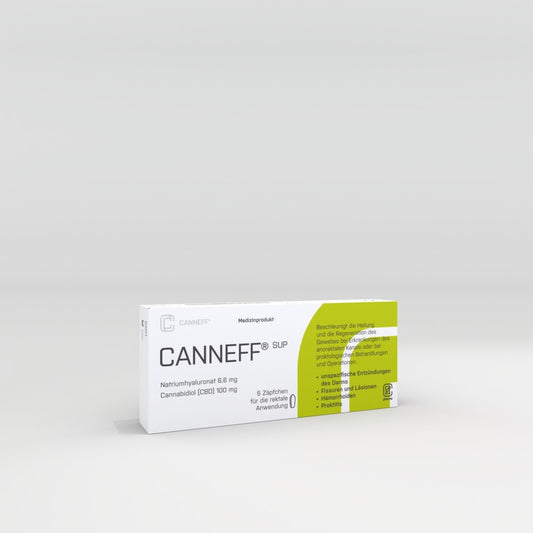
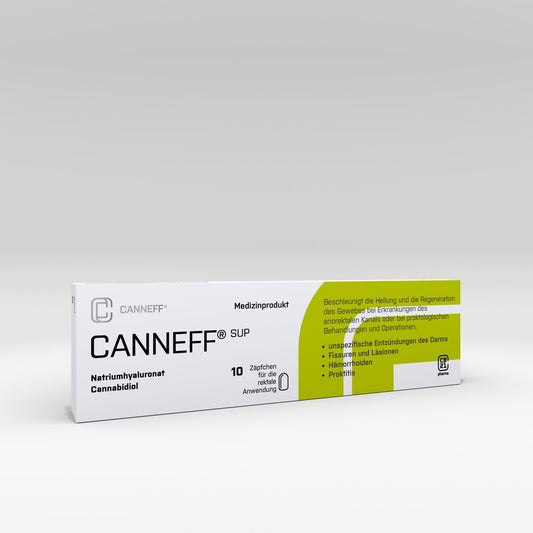
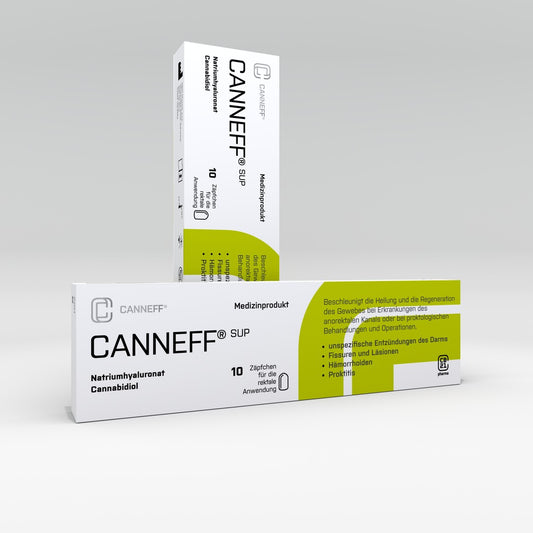
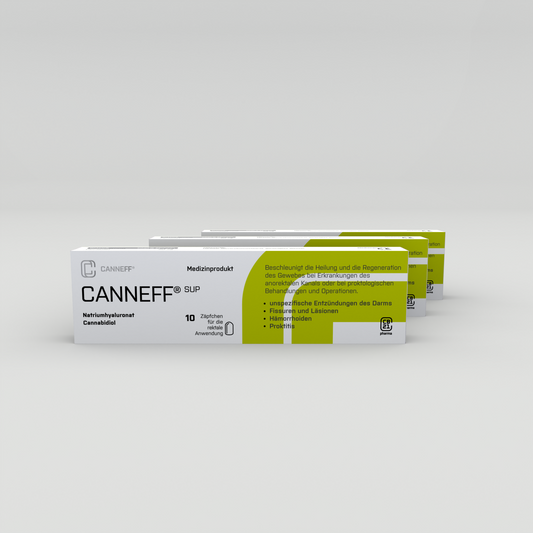
An important step is the symptomatic relief of itching to improve the quality of life for those affected. Mild, pH-neutral intimate wash lotions and cleaning with lukewarm water protect the sensitive skin. Sitz baths with soothing additives like chamomile, witch hazel, or oak bark help relieve inflammation. Zinc ointments or anti-inflammatory creams, such as those containing hydrocortisone, can soothe irritated skin. CANNEFF® SUP suppositories also offer an effective solution here, as they contain hyaluronic acid for moisture and cannabidiol (CBD) for calming and anti-inflammatory effects. These suppositories are especially suitable when mucus discharge or irritation caused by bleeding occurs alongside the itching. Read more here about the unique active ingredient combination of hyaluronic acid and CBD or about suppositories for treating anal itching.
Besides directly relieving the itching, it is important to control the consequences of the tumor disease, as these are often the main cause of anal itching. Bleeding or mucus discharge caused by the tumor can irritate the anal skin. Targeted treatment of the tumor, for example through surgery, chemotherapy, or radiation therapy, can reduce these symptoms. At the same time, measures to regulate bowel function, such as a high-fiber diet or taking medication against diarrhea or constipation, help minimize the itching.
Preventing secondary infections also plays a crucial role. Moisture in the anal area caused by mucus or frequent bowel movements promotes infections by bacteria or fungi. Regular cleaning, gentle drying, and the use of protective ointments can help prevent this. CANNEFF® SUP suppositories additionally support this with their protective and regenerating effect on the skin.
In case of skin irritation caused by aggressive products or mechanical stress, irritants such as strongly scented soaps or moist toilet paper should be avoided. Cotton underwear and loose clothing promote skin health. Additionally, anti-inflammatory creams and soothing care products can be used.
Treating the psychological stress caused by colorectal cancer or chronic symptoms like anal itching is also important. Stress and anxiety can worsen the itching. Relaxation techniques such as yoga or breathing exercises, as well as psychological support, can help alleviate the symptoms.
In summary, the treatment of anal itching in colorectal cancer involves a combination of skin care, tumor treatment, and support for mental health. CANNEFF® SUP suppositories are an effective means to regenerate the skin and relieve itching. Find all information about suppositories for treating anal itching here as well. However, they should always be part of a comprehensive treatment plan tailored to the patient’s individual needs. Early medical consultation helps to initiate the right therapy and effectively control symptoms. Read more about examinations and diagnosis in the blog post on anal itching doctor.
When should anal itching be a reason to see a doctor?
Anal itching is harmless in many cases and can be alleviated by adapted hygiene and care habits. However, there are situations where a doctor’s visit is urgently needed to rule out serious causes and initiate the correct treatment. Read more here about the various causes of anal itching.
Persistent or recurring symptoms
If the itching persists for more than one to two weeks or does not subside despite appropriate care and hygiene measures, a medical evaluation should be carried out. Chronic anal itching can be a sign of underlying conditions such as hemorrhoids, anal eczema, or even tumors.
Additional symptoms
If additional symptoms occur alongside itching, a doctor’s visit is essential:
Blood in stool: Blood on toilet paper, blood in stool, or on underwear can indicate hemorrhoids, anal fissures, or more serious conditions like colorectal or anal cancer.
Moisture or discharge: A moist feeling or discharge from the anus can indicate infections, anal fistulas, or inflammatory bowel diseases.
Pain: Pain during bowel movements could be caused by fissures, abscesses, or hemorrhoids.
Changed bowel movements: Constipation, diarrhea, mucus in stool, or pencil-thin stool are possible warning signs of bowel problems.
Skin changes: Redness, hardening, lumps, or swelling in the anal area may indicate inflammatory or tumor-related changes.
Repeated infections
Recurring fungal infections, bacterial inflammations, or parasitic infestations (e.g., pinworms) should be treated by a doctor to prevent spread or worsening.
Risk of serious diseases
People with an increased risk of serious diseases like colorectal cancer or anal carcinoma – for example, due to family history, chronic inflammatory bowel diseases, or an HPV infection – should seek medical advice early when experiencing anal itching.
Impaired quality of life
If the itching significantly affects daily life, such as causing sleep disturbances, discomfort, or psychological stress, a medical evaluation is advisable to specifically treat the symptoms.
Find more information about examinations and diagnosis in the blog post on anal itching doctor.
How can one prevent anal itching in the context of colorectal cancer?
Preventing anal itching in colorectal cancer patients begins with gentle anal hygiene. Cleaning should be done with lukewarm water or pH-neutral intimate wash lotions to avoid skin irritation. Harsh soaps and wet toilet paper should be avoided. Moisturizing care products like CANNEFF® SUP suppositories can soothe, protect, and regenerate sensitive skin. A fiber-rich diet and sufficient fluids help prevent constipation and mechanical irritation from hard stool. Loose, breathable clothing and avoiding long sitting periods also promote skin health. Early medical consultation at the first signs allows targeted treatment and prevents further complications.
How does anal itching affect the emotional and mental health of those affected?
Anal itching can significantly affect emotional and mental health. Constant itching often leads to sleep disturbances, concentration problems, and feelings of helplessness. Many sufferers feel ashamed and withdraw from social activities, which can lead to isolation and emotional stress. The uncertainty about the cause of the itching—especially with underlying conditions like colorectal cancer—intensifies the psychological burden. Targeted treatment and open conversations with medical professionals can help relieve symptoms and improve well-being.
What role does nutrition play in the treatment of anal itching?
Nutrition plays a crucial role in the treatment of anal itching, especially when the itching is triggered by bowel problems or altered stool habits. A fiber-rich diet with whole grains, fruits, and vegetables promotes regular and soft bowel movements, thereby avoiding mechanical irritation in the anal area. Adequate fluid intake (at least 1.5 to 2 liters daily) further supports digestion. Irritating foods such as spicy seasonings, alcohol, caffeine, and citrus fruits should be avoided as they can irritate the mucous membranes and worsen the itching. An adapted diet thus helps to relieve the skin and alleviate symptoms in the long term.
What alternative therapies can help with anal itching associated with colorectal cancer?
Alternative therapies can support the relief of anal itching related to colorectal cancer. Sitz baths with soothing additives like chamomile or witch hazel help reduce inflammation and calm the skin. Aloe vera and coconut oil can be applied directly to irritated skin to moisturize and reduce itching. Acupuncture may help by promoting blood circulation and relaxing the body. Relaxation techniques such as yoga, meditation, or breathing exercises reduce stress, which can worsen itching. Additionally, herbal preparations like ointments with calendula or St. John's wort oil can have a calming effect. However, all alternative measures should be coordinated with the treating physician to avoid interactions with existing therapies.
How do others cope with anal itching and what solutions have they found?
Those affected by anal itching often report that a combination of gentle hygiene and targeted care is particularly effective. Mild cleansing with lukewarm water and avoiding harsh soaps or wet toilet paper help protect the sensitive skin. Many use moisturizing products like CANNEFF® SUP suppositories to soothe the skin and relieve itching. Sitz baths with chamomile or witch hazel are also considered helpful.
To prevent it, those affected focus on a high-fiber diet that avoids constipation and drink plenty of water. Some use relaxation techniques like yoga or meditation to manage stress, which can worsen itching. Others seek early medical help to treat underlying causes of anal itching, such as hemorrhoids or infections. Feedback shows that an individual combination of these measures often achieves the best results. Read more here about the treatment of anal itching, or about the use of suppositories for treating anal itching.