

When should a doctor be consulted for anal itching, and which symptoms require special attention?
A doctor's visit for anal itching should take place if the symptoms persist for more than one to two weeks or worsen. Certain symptoms that go beyond mere itching also require medical evaluation. These include:
Bleeding: Fresh blood in the stool or on toilet paper can indicate hemorrhoids, anal fissures, or serious diseases. Read more here about bleeding hemorrhoids.
Oozing or discharge: Fluid discharge in the anal area could indicate infections or inflammatory processes.
Severe pain: Pain during bowel movements or persistent burning could be a sign of anal fissures, anal abscesses, or other conditions.
Swelling or hardening: Noticeable lumps or swellings in the anal area may indicate hemorrhoids, anal abscesses, or, in rare cases, tumors.
Itching despite care and hygiene: If anal itching does not subside despite careful care and avoiding irritating factors, a doctor should clarify the underlying cause.
Changed bowel movements: Irregularities such as diarrhea, constipation, or mucus in the stool can be related to anal itching and may indicate intestinal problems or inflammatory diseases.
An early visit to the doctor can not only clarify the cause of anal itching but also help detect and treat serious diseases early. Specialists such as proctologists, dermatologists, or gastroenterologists are the right contacts in this case.
Who is the right contact for anal itching – general practitioner, dermatologist, or proctologist?
The right contact for anal itching depends on the cause of the anal itching and accompanying symptoms. Here is an overview of which specialist should be consulted when:
General practitioner: The general practitioner is the first point of contact, especially if the symptoms are new or appear nonspecific. They can provide an initial assessment, perform basic examinations, and refer to a specialist if necessary.
Dermatologist (skin doctor): If there is suspicion of a dermatological cause such as anal eczema, psoriasis, or allergic reactions, a dermatologist is the right choice. The dermatologist is also the appropriate contact for fungal infections or inflammatory skin diseases in the anal area.
Proctologist: A proctologist specializes in diseases of the rectum and anal region. They are the right contact for specific complaints such as hemorrhoids, anal fissures, anal abscesses, anal fistulas, or suspicion of anal carcinomas. A proctologist should also be consulted if there is persistent or unexplained itching that does not subside despite treatment.
When should which doctor be consulted?
Mild symptoms without a clear cause: Start with the general practitioner.
Skin changes or itching without obvious disease: A dermatologist is recommended.
Specific anal-related problems or persistent itching: Consult a proctologist.
Choosing the right specialist depends on the type of symptoms, with the general practitioner usually being the best first point of contact.
How do doctors diagnose anal itching, and what examinations are common?
The diagnosis of anal itching (pruritus ani) begins with a detailed medical history and physical examination. The goal is to identify the cause of the anal itching, as it can be a symptom of various underlying conditions. Doctors typically perform the following steps and examinations:
Medical History
Duration and course: How long has the itching lasted? Does it occur intermittently or continuously?
Triggers and relief: Are there specific triggers like foods, medications, or hygiene habits? Does anything help relieve the itching?
Accompanying symptoms: Are there additional symptoms such as oozing, bleeding, pain, burning, or a foreign body sensation?
Hygiene habits: How is the anal area cleaned? Are soaps or wet wipes used?
Pre-existing conditions: Are there known conditions such as hemorrhoids, diabetes, skin diseases, or allergies?
Medication intake: Are any medications being taken that could cause itching as a side effect?
Physical Examination
Inspection of the anal region: Visual inspection for redness, swelling, skin changes (e.g., anal eczema, fissures, genital warts), inflammation, or signs of infection.
Palpation (digital rectal examination): Examination for hemorrhoids, lumps, anal fistulas, or other abnormalities.
Special Examinations
Depending on the suspected specific cause, further diagnostic procedures may be necessary.
Proctoscopy: A short anal canal examination to check for hemorrhoids or inflammations.
Rectoscopy: A colonoscopy to rule out possible structural causes such as polyps or tumors.
Colonoscopy: If chronic inflammatory bowel diseases or anal carcinomas are suspected.
Skin swab or biopsy: Taking a skin sample if skin diseases like psoriasis or lichen sclerosus are suspected.
Stool examination: For parasites (e.g., pinworms) or altered gut flora.
Blood tests: Examination for diabetes, inflammatory markers, or other systemic diseases.
Allergy test (patch test): If contact allergies are suspected, e.g., from fragrances or care products.
Differential diagnosis
The results of these examinations help identify possible causes such as hemorrhoids, infections, dermatological diseases, or systemic problems and initiate the correct treatment.
Can serious diseases underlie anal itching, and how does the doctor recognize them?
Yes, serious diseases can underlie anal itching, although more common causes like skin irritations or hemorrhoids are often responsible. Possible serious triggers include anal carcinomas, chronic inflammatory bowel diseases such as Crohn's disease or ulcerative colitis, infections, skin conditions like inverse psoriasis, or systemic diseases like diabetes. Doctors identify these through a thorough medical history and diagnostics. This involves questions about duration, intensity, and accompanying symptoms, followed by an inspection and palpation of the anal region. Additionally, proctoscopies, stool tests, blood tests, or biopsies may be necessary to rule out infections, inflammations, or tumors. Timely medical evaluation is important to identify the cause of anal itching and treat it specifically.
What treatment options do doctors offer for chronic anal itching?
For chronic anal itching, doctors offer a variety of treatment options tailored to the underlying cause. For inflammatory skin diseases, anti-inflammatory creams with active ingredients such as hydrocortisone or zinc may be prescribed. Infections caused by fungi or bacteria are treated with specific antifungals or antibiotics, while special ointments or suppositories are used for hemorrhoids. Sitz baths with skin-soothing additives like chamomile or oak bark can also provide relief.
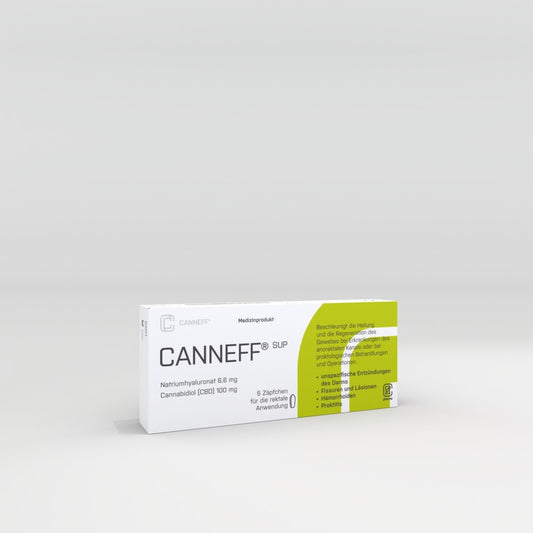
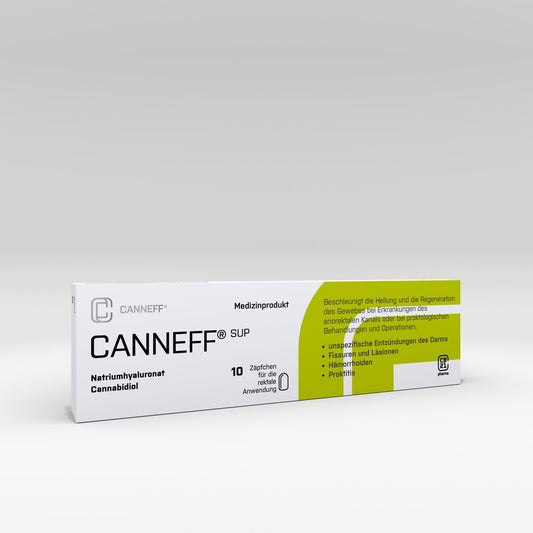
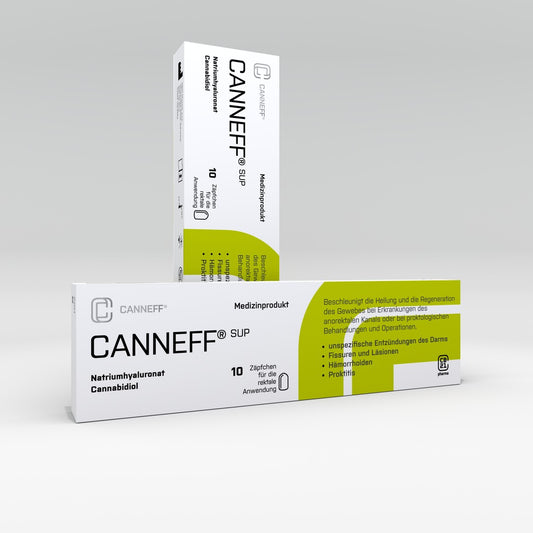
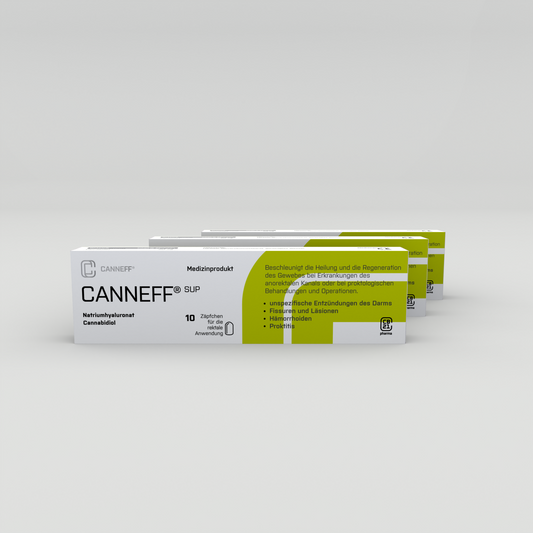
An effective and innovative addition are CANNEFF® SUP rectal suppositories, which combine hyaluronic acid and cannabidiol (CBD). These active ingredients promote moisture supply, accelerate the regeneration of irritated skin, and relieve itching and inflammation. The use of suppositories is especially helpful for chronic complaints, as they specifically support healing and protect the sensitive skin in the anal area. Read more here about the treatment of anal itching with suppositories.
In addition to local treatments, it is important to maintain gentle hygiene, avoid irritating foods, and initiate appropriate therapy for systemic causes such as diabetes or chronic inflammatory bowel diseases. Medical advice remains essential to tailor the best possible treatment individually. Read more here about the treatment of anal itching.
How do hygiene and lifestyle influence the treatment of anal itching by the doctor?
Hygiene and lifestyle play a central role in the treatment of anal itching and effectively complement medical therapy. Gentle but thorough hygiene can significantly relieve symptoms and support healing. The anal area should be cleaned only with lukewarm water or mild, pH-neutral intimate wash lotions. The use of soaps, perfumed products, or wet toilet paper is often discouraged by doctors, as these can irritate the skin. After cleaning, gentle drying is important to keep the skin dry and protected.
A healthy lifestyle is also crucial. A fiber-rich diet and adequate fluid intake promote soft stools and prevent mechanical irritation of the anal area. Regular exercise supports bowel health and reduces the risk of constipation. Stress management and sufficient sleep help minimize inflammatory processes that can intensify itching.
For daily care and regeneration of irritated skin, doctors often recommend products like CANNEFF® SUP suppositories, which contain hyaluronic acid and cannabidiol (CBD). These promote moisture supply and healing and have a soothing effect on the irritated anal area. Such measures, combined with medical treatment and an adapted lifestyle, sustainably optimize the relief of anal itching. Read more here about the treatment of anal itching with suppositories.