

What are the most common causes of burning at the anus?
The causes of burning at the anus are varied and can have both harmless and serious backgrounds. Often, an inflammatory irritation of the sensitive skin in the anal area is responsible. This can be caused by moisture and friction, for example during sweat-inducing activities like cycling or horseback riding. Insufficient or excessive anal hygiene can also disrupt the delicate balance of the skin. Residues of stool or aggressive cleaning agents such as perfumed soaps attack the skin and lead to burning and irritation.
Hemorrhoids are one of the most common causes of the unpleasant burning sensation. They occur when the vascular cushions in the rectum enlarge, often promoted by pressure during bowel movements, prolonged sitting, or a low-fiber diet. Enlarged hemorrhoids can secrete mucus that irritates the skin, or they can become painful due to friction.
Equally common are anal fissures, fine cracks in the skin of the anal canal caused by hard stool or excessive straining. These often lead to a burning pain, especially during and after bowel movements.
In addition, foods like spicy seasonings, citrus fruits, or coffee can irritate the mucous membrane. Infections with fungi or bacteria, skin diseases like anal eczema, or allergies to toilet products can also cause burning. In rare cases, serious conditions such as chronic inflammatory bowel diseases or anal tumors may be present, which can also lead to afterburning.
A thorough medical examination is important to determine the exact cause, especially if the symptoms persist or are accompanied by other signs such as bleeding or discharge.
Why does afterburning often occur after bowel movements?
Afterburning after bowel movements often occurs because contact between stool and the sensitive skin and mucous membrane in the anal area causes irritation. Especially with existing skin damage or sensitive skin, the stool, which contains digestive enzymes and metabolic products, can further burden the already irritated region.
A common cause of burning is mechanical stress on the skin during bowel movements, especially with hard or bulky stool that can easily injure the mucous membrane. Strong straining, as occurs with constipation, can also lead to microtears (anal fissures), which cause burning when they come into contact with stool.
In addition, enlarged hemorrhoids play a role. They can secrete mucus that keeps the skin in the anal area moist and prone to irritation. With hemorrhoids, bowel movements can also be more painful, which makes the burning sensation more noticeable.
Certain foods like spicy seasonings or citrus fruits increase burning after bowel movements because they irritate the mucous membranes. The same applies to diarrhea, which stresses the skin due to frequent bowel movements and contact with aggressive digestive juices.
Insufficient anal hygiene or the opposite—excessive cleaning with rough toilet paper or irritating substances—worsens the symptoms. Without proper care, stool residues remain that can cause burning, or the skin is damaged by excessive rubbing, which intensifies the burning after using the toilet.
The treatment of burning in the anus depends on the cause: gentle cleansing with water, avoiding irritating foods, and caring for the skin with soothing ointments can provide relief. If symptoms persist, a doctor’s visit is advisable to rule out serious causes.
Can hemorrhoids be responsible for burning in the anus?
Yes, hemorrhoids are often responsible for burning in the anus. They irritate the skin through mucus secretion, mechanical stress, or inflammation. You can learn more in our blog article about the causes of hemorrhoids.
Which foods can cause burning in the anal area?
Certain foods can trigger burning in the anal area because they irritate the mucous membranes or make the stool chemically more aggressive. These mainly include spicy seasonings like chili or pepper, citrus fruits, tomato products, alcoholic beverages, and coffee. Highly salted foods, nuts, and chocolate are also often cited as triggers. These foods can irritate the digestive tract and cause a burning sensation during bowel movements, especially if the anal region is already sensitive.
A food diary can be helpful to identify which foods cause individual discomfort for you. Avoiding such irritants can reduce the risk of burning at the anus.
How does anal hygiene affect the occurrence of anal burning?
Proper anal hygiene plays a crucial role in preventing and relieving anal burning. Insufficient cleaning can cause irritation from remaining stool residues, while excessive or aggressive cleaning can damage the sensitive skin in the anal area. The use of mild, soap-free cleansers and gentle drying with soft toilet paper or cloths is recommended to protect the skin.
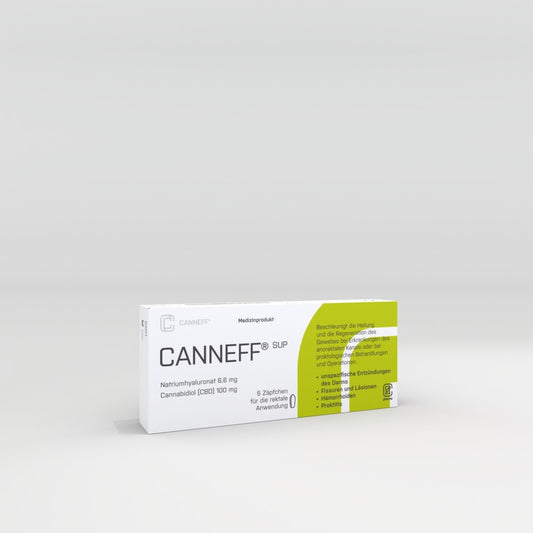
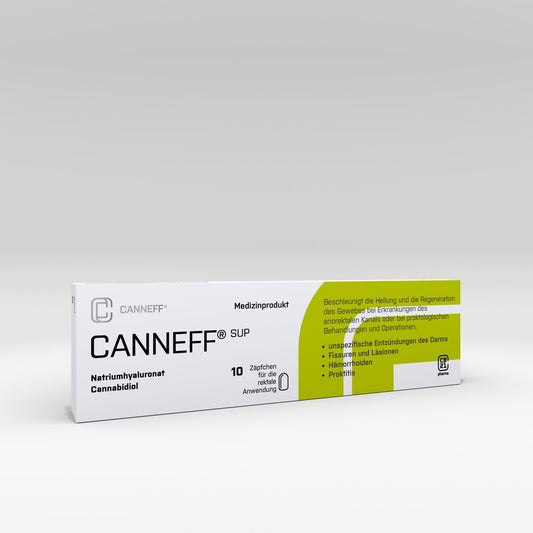
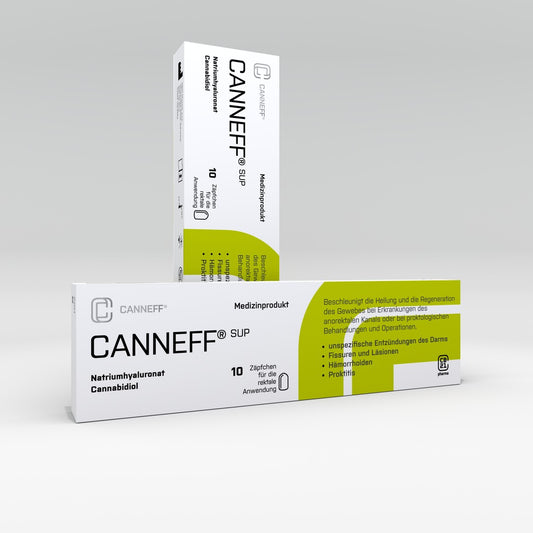
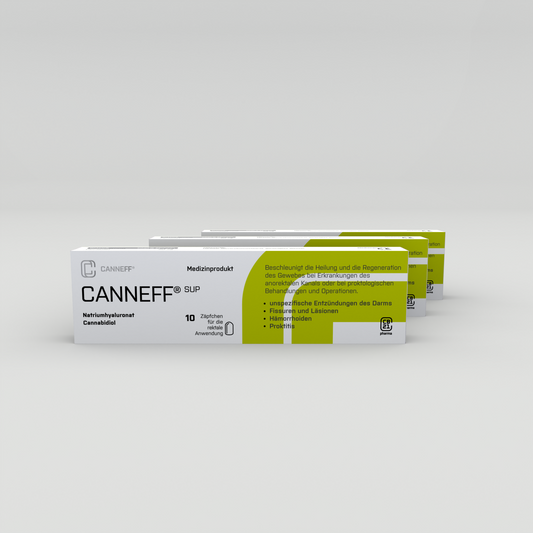
To support healing of anal discomfort, CANNEFF® SUP suppositories can be used. These contain cannabidiol (CBD) and hyaluronic acid, which promote tissue regeneration and can reduce inflammation.
By combining gentle anal hygiene with therapeutic measures such as CANNEFF® SUP suppositories, the occurrence of anal burning can be effectively reduced.
Which home remedies quickly help against anal burning?
Home remedies can provide quick relief for anal burning by calming irritation and promoting healing. The following table summarizes proven home remedies.
|
Home remedies |
Effect |
Application |
|
Warm sitz baths |
Soothes the skin and reduces inflammation |
Sitz baths with chamomile or oak bark extract for 10–15 minutes, then gently pat dry. |
|
Coconut oil |
Moisturizes and soothes irritated skin |
Apply a small amount to the affected area and gently massage in. |
|
Aloe Vera |
Cools and reduces inflammation |
Apply fresh aloe vera gel directly to the skin. |
|
Zinc ointment |
Promotes healing and protects against moisture |
Apply thinly after cleaning, especially on weeping areas. |
|
Chamomile tea compresses |
Anti-inflammatory and soothing |
Place a cotton ball soaked in chamomile tea on the affected area. |
|
Witch hazel |
Acts as an astringent and soothes irritated skin |
Apply witch hazel water to a soft cloth and gently dab on the skin. |
|
Oatmeal bath |
Relieves itching and soothes sensitive skin |
Add a handful of oats to a warm bath, soak for 15 minutes, and gently pat dry. |
When should you see a doctor for anal burning?
Here is a clear table showing when a doctor’s visit is necessary for anal burning.
|
Symptom |
Reason to see a doctor |
|
Burning lasting longer than a week |
When no relief occurs through home remedies or care. |
|
Blood in stool or mucus discharge |
Indication of hemorrhoids, anal fissures, or more serious conditions. Also read more about blood in stool. |
|
Intense burning after every bowel movement |
Possible signs of chronic irritation, infections, or inflammations. |
|
Lumps, swelling, or pus discharge |
Possible indication of abscesses, anal fistulas, or other serious problems. |
|
Accompanying symptoms such as fever or severe pain |
May indicate infections or inflammations that require medical treatment. |
|
Known pre-existing conditions |
People with diabetes, inflammatory bowel diseases, or hemorrhoids should have symptoms checked early. |
|
Impairment of daily life |
When the burning significantly disrupts activities, sleep, or overall comfort. |
How do harmless and serious causes of burning at the anus differ?
The distinction between harmless and serious causes of burning at the anus can be made based on certain characteristics and accompanying symptoms. The following table summarizes the key differences.
|
Characteristic |
Harmless causes |
Serious causes |
|
Duration of symptoms |
Short-term, often after specific triggers such as diet or mechanical irritation. |
Long-lasting or increasingly worse, no improvement with care or home remedies. |
|
Common triggers |
Skin irritations caused by sweat, friction, aggressive hygiene, or food. |
Conditions such as anal fissures, hemorrhoids, infections, inflammatory bowel diseases, or tumors. |
|
Accompanying symptoms |
Mild itching, temporary burning, no fever or systemic symptoms. |
Bleeding, mucus discharge, severe pain, fever, lumps, oozing, or foreign body sensation. |
|
Course |
Symptoms quickly subside with home remedies or gentle care. |
Symptoms persist or worsen, possibly accompanied by weight loss or weakness. |
|
Need to see a doctor |
Usually not necessary if symptoms subside after a short time. |
Required if symptoms persist, worsen, or serious accompanying symptoms occur. |
Which treatments relieve burning in hemorrhoids and anal fissures?
The treatment of burning sensations in hemorrhoids and anal fissures involves several approaches aimed at relieving symptoms and promoting healing. For hemorrhoids, anti-inflammatory ointments or suppositories containing active ingredients such as witch hazel, lidocaine, or hydrocortisone can provide quick relief. Warm sitz baths with chamomile or oak bark extract help soothe irritated mucous membranes and reduce pain. A fiber-rich diet and adequate fluid intake are essential to keep stools soft and avoid further pressure on the sensitive vascular cushions. In advanced cases of hemorrhoids, medical procedures such as sclerotherapy or surgical interventions may be necessary.
For anal fissures, pain-relieving and anti-inflammatory creams are also available, often supplemented with special active ingredients such as nitroglycerin or calcium channel blockers that promote blood circulation and support the healing process. Warm sitz baths relax the sphincter muscle and reduce pain during bowel movements. Stool softeners can be used to prevent further injury. In more severe cases, Botox injections to relax the sphincter muscle or surgical interventions may be considered. Read more here about treatment of anal burning.
How can CANNEFF SUP suppositories help with anal fissures and hemorrhoids?
CANNEFF SUP suppositories combine cannabidiol (CBD) and hyaluronic acid to reduce inflammation, care for the mucous membrane, and relieve pain in the anal area. They serve as supportive treatment for hemorrhoids and anal fissures. Read more here about treatment with suppositories for anal burning.
Use for hemorrhoids: For the treatment of internal and external hemorrhoids, it is recommended to insert one suppository once daily before bedtime for 5 to 15 days until symptoms subside. Find the right product here to treat hemorrhoids.
Use for anal fissures: To support the healing of anal fissures, one suppository should be used once daily before bedtime for 20 to 30 days. Read more here about treatment of anal fissures with suppositories or how you can accelerate the healing of anal fissures.
Instructions for use: Separate one suppository at the perforated spot on the strip, open the packaging by pulling it apart, and remove the suppository. Insert it into the rectum with the narrow end first. Wash your hands thoroughly before and after insertion.
How it works: CBD has antioxidant properties that modulate inflammatory processes and protect cells. Hyaluronic acid supports the moisture balance of the mucous membrane, promotes healing, and relieves pain in cases of injury or inflammation in the rectal area.
Note: The use of CANNEFF SUP should be done in consultation with a doctor, especially if there are existing health concerns or uncertainties.
In the long term, it is important to avoid recurring symptoms through a high-fiber diet, regular exercise, and gentle anal hygiene. If burning persists or is severe, medical evaluation should be sought to initiate the best possible treatment.
What role do skin diseases like eczema or infections play in afterburning?
Skin diseases like anal eczema and infections can play a significant role in afterburning, as they directly irritate the sensitive skin in the anal area and trigger inflammation. Eczema, such as irritant-toxic or allergic anal eczema, often arises from external irritants like moisture, friction, or contact with allergenic substances in toilet paper, care products, or detergents. These irritants damage the skin barrier, causing redness, itching, and burning, creating an environment prone to infections.
Infections caused by fungi such as Candida or bacteria like streptococci can also cause burning in the anal area. Fungal infections often occur in moist, warm skin folds and lead to redness, swelling, and a burning sensation. Bacterial infections, such as perianal erythrasma, manifest as sharply defined red skin changes and burning, especially in situations with inadequate hygiene or weakened immune defense.
Furthermore, viral infections like genital warts (caused by HPV) or herpes simplex can cause blisters and skin changes accompanied by intense burning and discomfort. These infections can be transmitted through direct contact and often require targeted medical treatment.
Overall, skin diseases and infections exacerbate afterburning by damaging the skin barrier and activating inflammatory processes. Early diagnosis and targeted treatment, such as with antifungal, antibiotic, or anti-inflammatory preparations, are crucial to relieve symptoms and support skin healing. In cases of recurring or chronic symptoms, a doctor should always be consulted to accurately determine the cause.